
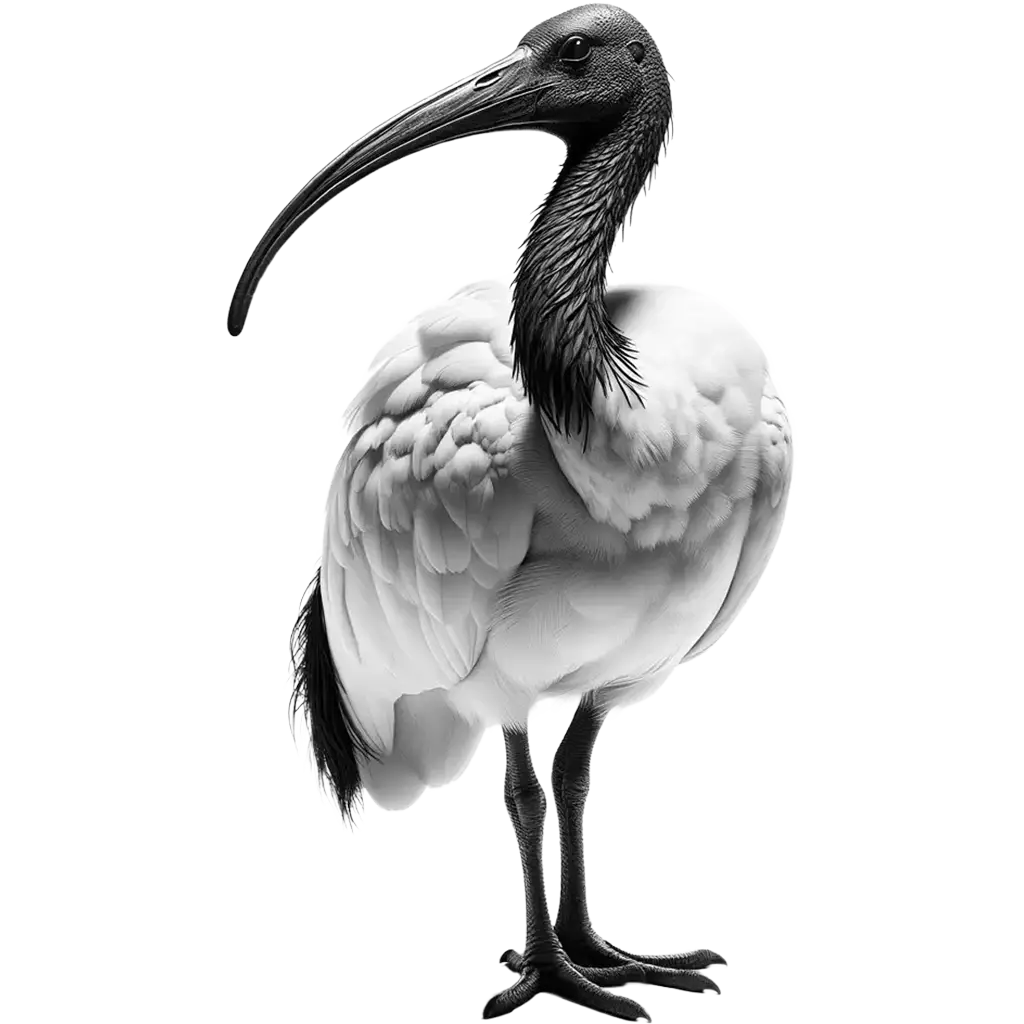
Threskiornis Aethiopicus
African Sacred Ibis
Wetlands, lakeshores, rivers, and marshes
The African Sacred Ibis, threskiornis aethiopicus, is a striking wading bird native to sub-Saharan Africa and parts of Iraq. It is notable for its predominantly white plumage, contrasting black head and neck, and an impressive wingspan that features black flight feathers. Adults typically measure about 68 to 89 cm in length, with a distinctive down-curved bill that is adapted for foraging in mud and shallow water. This species is often seen in a variety of wetland habitats, including lakes, marshes, riverbanks, and agricultural fields, showcasing its adaptability to different environments.
| Population: | Listed as Least Concern, but extinct in parts of its historical range like Egypt |
| Generation Length: | 5-6 years |
| Average Weight: | 1.2-1.5 kg |
| Average Length: | 65-75 cm |
| Lifespan: | Up to 20 years in the wild |
| Diet: | Feeds on a variety of aquatic organisms, insects, and occasionally small vertebrates and carrion |
| Conservation Status: | Least Concern (LC) |
Historically venerated in ancient Egyptian culture, where it was associated with the god Thoth, the African Sacred Ibis is now often found in both wild and urbanized areas, feeding on a wide range of prey. Its diet includes insects, small mammals, reptiles, and various aquatic organisms, highlighting its role as a versatile forager and a contributor to the ecological balance in its habitats.
Reproduction for the African Sacred Ibis involves nesting in large colonies, often on islands or among dense vegetation near water bodies. The nests are constructed from sticks and reeds, with both males and females participating in building the nest and raising the offspring. Females typically lay 2 to 3 eggs, which are incubated for about 28 days. The chicks are altricial, requiring care and feeding from both parents until they fledge.
The population of the African Sacred Ibis is considered stable in its native range, though it has been introduced to other parts of the world, where it is sometimes viewed as an invasive species. In some areas, its adaptability and generalist feeding habits have allowed it to thrive, leading to concerns about its impact on local wildlife and ecosystems.
Conservation efforts for the African Sacred Ibis focus on habitat protection and monitoring of population dynamics, especially in regions where it is considered invasive. The species' historical significance and ecological role underscore the importance of balanced management strategies to ensure that it continues to thrive in its native habitats while minimizing negative impacts in areas where it has been introduced.
Classifications
The Key Attributes
Features
- Movement:
Flying, walking, wading
- Territorial Behavior:
Social, often found in large colonies
- Speed:
Capable of sustained flight; slow walking and wading
- Diet:
Omnivore
- Physical Features:
- White body with a bald black head and neck
- Long, curved yellow bill
- Long legs for wading in water
- Broad wings for flight
- Primary Senses:
- Sight
- Touch
Understanding Habitat and Range
Geography
- Habitat:
Wetlands, lakeshores, rivers, and marshes
- Migration Patterns:
Partially migratory, depending on water availability and food resources
- Geographical Range:
Sub-Saharan Africa, and introduced populations in Europe and elsewhere
- Climate Preferences:
Prefers warm, wet environments
Navigating the Wilderness
In the wild
- Predators:
Large birds of prey, crocodiles, and humans
- Prey:
Varied diet including aquatic animals and insects
- Feeding Behavior:
Feeds on a wide range of food including fish, insects, small mammals, and carrion
- Diet:
Feeds on a variety of aquatic organisms, insects, and occasionally small vertebrates and carrion
- Defensive Mechanisms:
- Flocking in large numbers to deter predators
- Flight to escape terrestrial threats
- Preferred Food Sources:
- Rich wetland ecosystems with abundant aquatic life
Insights Into Reproduction
Mating
- Mating System:
Monogamous
- Number of Offspring:
2-3 eggs
- Incubation Period:
28-30 days
- Parental Involvement:
- Both parents involved in nesting and raising the young
Youngsters Section
African Sacred Ibis
Fun Fact
The African Sacred Ibis was revered in ancient Egypt and often associated with the god Thoth.
These birds were commonly depicted in Egyptian art and were even mummified as offerings. Thoth, the god of wisdom and writing, was believed to have the head of an ibis. The ibis' presence in Egypt was linked to the annual flooding of the Nile, which was crucial for agriculture.

Download word search puzzles
Word Search Puzzles


Check Out Other Birds
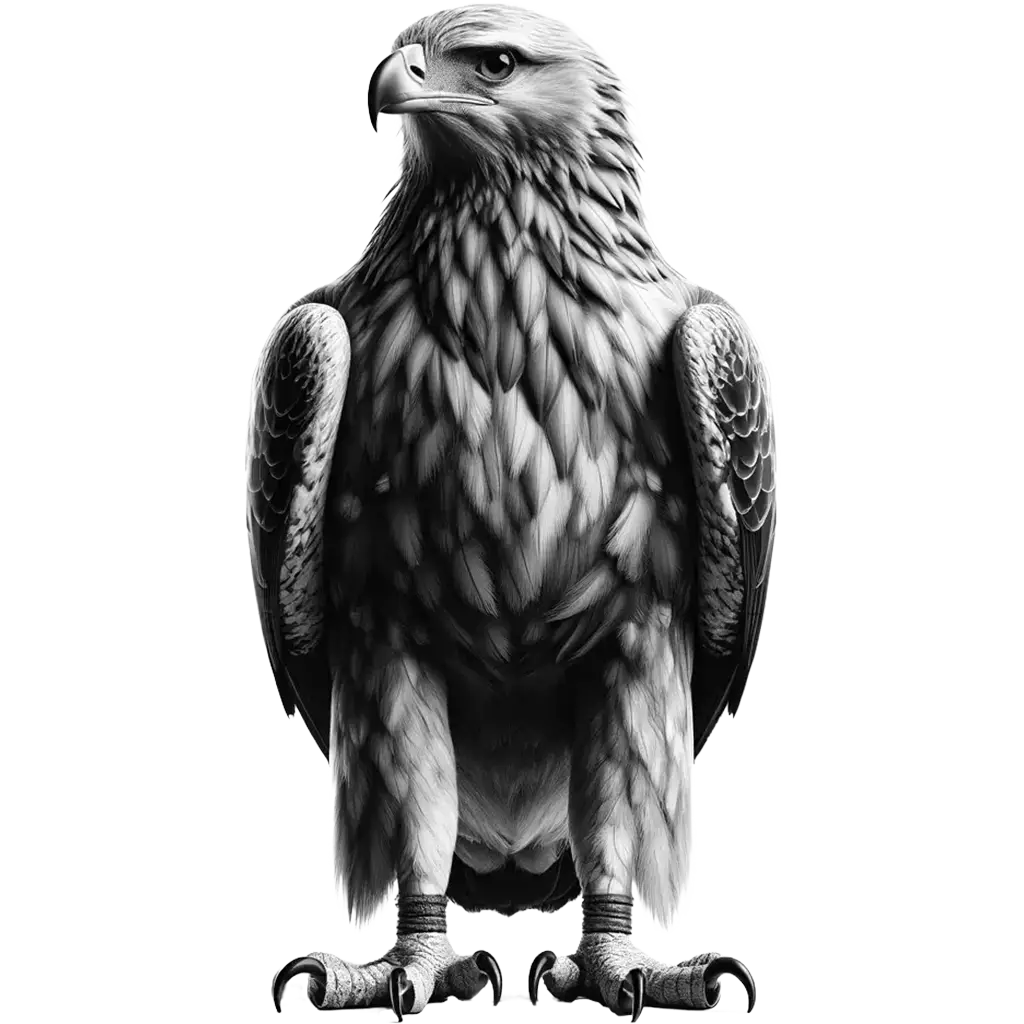
The Lesser Spotted Eagle, clanga pomarina, is a medium-sized bird of prey, distinguished by its relatively small stature compared to other eagles, with a length of about 55 to 65 cm and a wingspan ranging from 145 to 160 cm. The species exhibits a dark brown plumage overall, with lighter,

The Little Grebe, tachybaptus ruficollis, also known as the Dabchick, is a small water bird, celebrated for its remarkable diving ability and agility in water. Adults typically measure about 23 to 29 cm in length, with a distinctive stout body, short neck, and almost tailless appearance. During the breeding season,
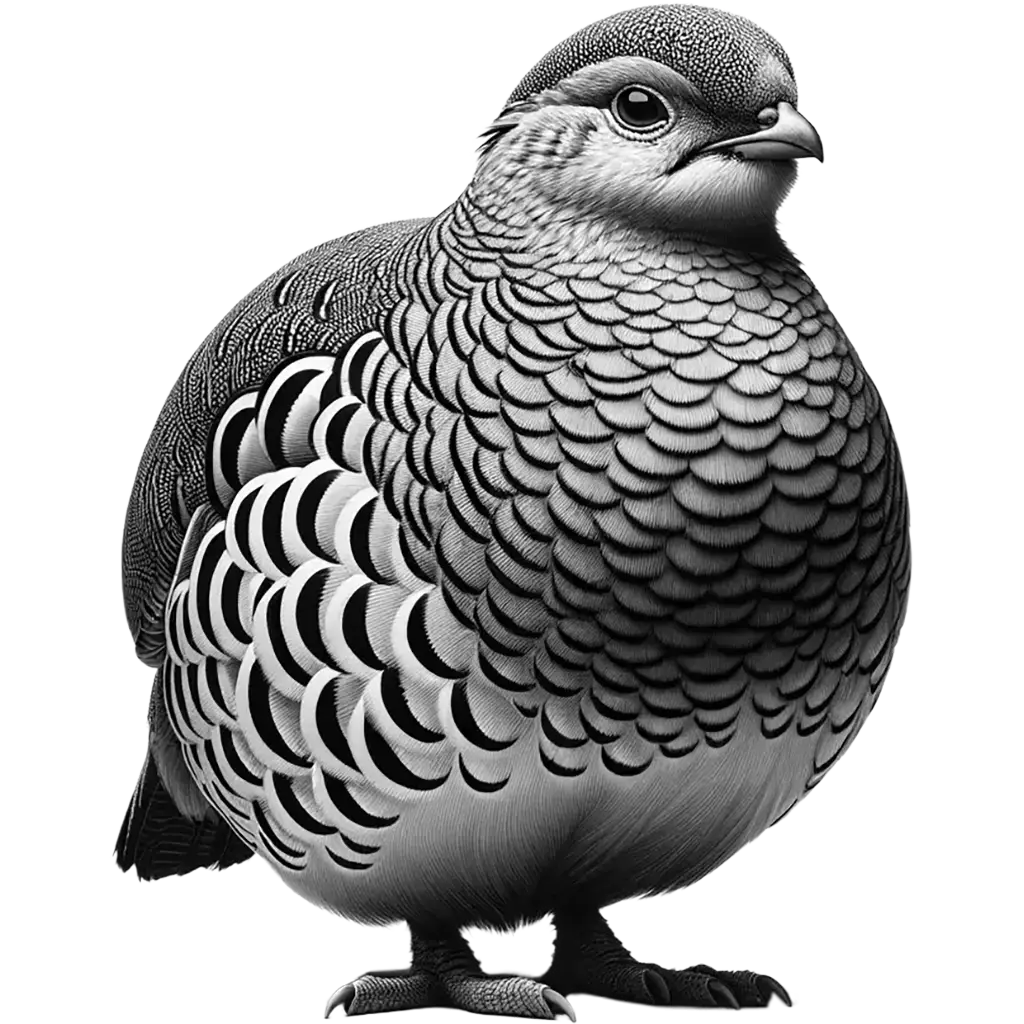
The Barbary Partridge, alectoris barbara, is a game bird native to North Africa, with a distinctive presence in the rugged, mountainous regions of Morocco, Algeria, Tunisia, and Gibraltar. It is recognized by its striking plumage, which features a combination of gray, brown, and chestnut, allowing it to blend seamlessly into
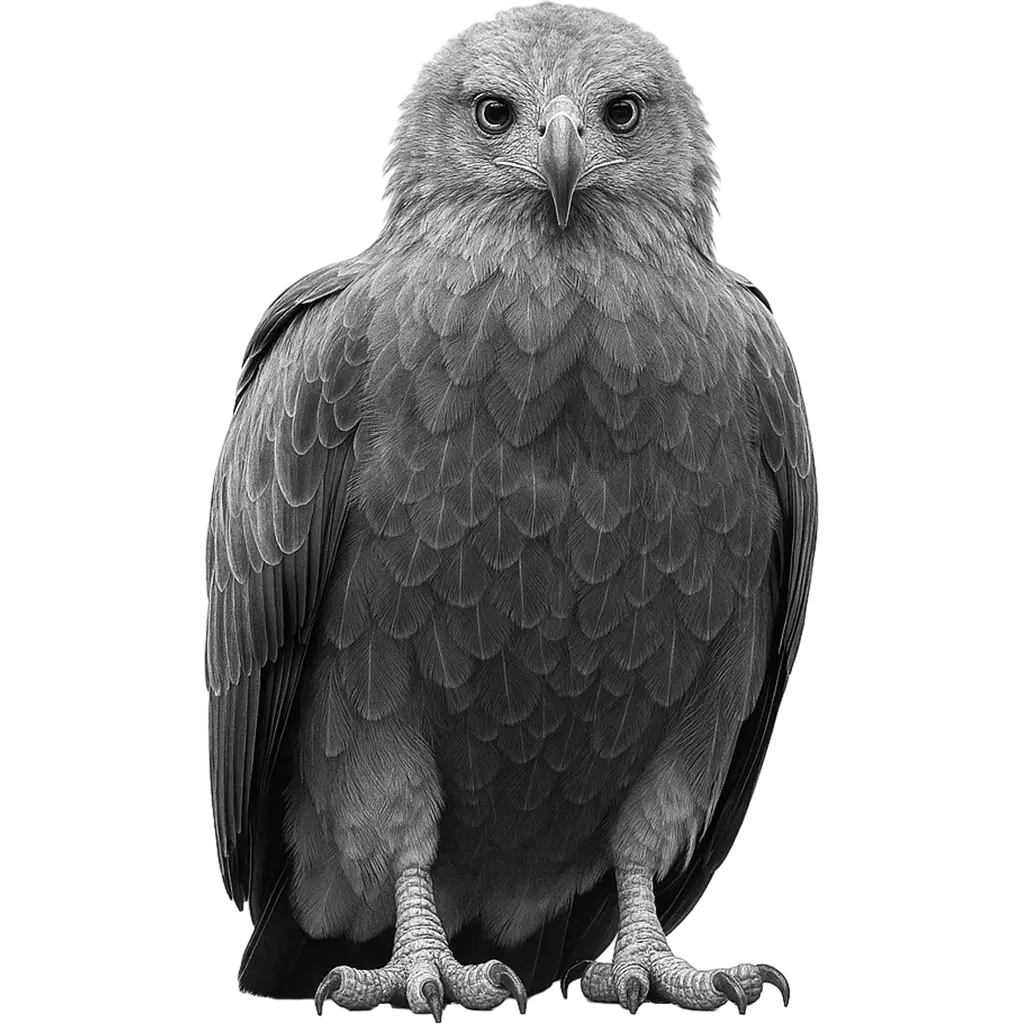
The Lesser Fish Eagle is a medium-sized raptor measuring approximately 55 to 65 centimeters in body length, with a wingspan of 120 to 160 centimeters. Its upperparts are gray-brown, contrasting with a white throat, breast, belly, and thighs. The head is relatively small with a short, rounded tail and a