

Geococcyx Californianus
Greater Roadrunner
Desert, shrubland, and open country in the southwestern United States and Mexico
The Greater Roadrunner, geococcyx californianus, is a large, ground-dwelling bird, iconic of the American Southwest. Measuring up to 60 cm in length and weighing around 300 to 500 grams, it is most recognizable by its long, lean frame, streaked brown and white plumage, and distinctive crest of feathers atop its head. Its long tail, used for steering during high-speed chases, and strong, blue and orange legs, make it a formidable runner capable of speeds up to 32 km/h (20 mph). The roadrunner's zygodactyl feet, with two toes facing forward and two backward, are adapted for its terrestrial lifestyle.
| Population: | Listed as Least Concern, with stable populations |
| Generation Length: | 2-3 years |
| Average Weight: | 230-430 grams |
| Average Length: | 50-60 cm |
| Lifespan: | 7-8 years in the wild |
| Diet: | Varied, includes insects, lizards, small mammals, birds, and occasionally fruits and seeds |
| Conservation Status: | Least Concern (LC) |
Inhabiting arid and semi-arid regions, the Greater Roadrunner is found across the southwestern United States and into Mexico, favoring open, scrubby landscapes where it hunts. This bird is a master of adaptation, able to thrive in the harsh conditions of the desert. It is known for its resourcefulness, taking advantage of whatever shade and water sources it can find, and even using its wings to shade itself from the intense desert sun.
The diet of the Greater Roadrunner is omnivorous and varied, including insects, small mammals, reptiles, birds, fruit, and seeds. It is particularly noted for its ability to kill and consume rattlesnakes, employing a swift, striking technique to incapacitate its prey. This bird's diet reflects its role as a predator in controlling populations of desert pests and rodents.
Reproduction for the Greater Roadrunner involves monogamous pairs that defend a territory year-round. Nests are constructed on the ground or in low bushes and are made from sticks, snakeskin, and other debris. The female lays 2 to 6 eggs, which are incubated by both parents. Chicks are born altricial (helpless) and rely on their parents for food and protection until they can fend for themselves.
The population of the Greater Roadrunner is considered stable, though it faces threats from habitat loss and fragmentation due to urban and agricultural development. Conservation efforts are focused on preserving natural habitats and promoting awareness of the ecological importance of this unique bird. The Greater Roadrunner's ability to coexist with human-altered landscapes highlights the importance of balanced environmental stewardship to ensure the survival of native species.
Classifications
The Key Attributes
Features
- Movement:
Running, flying
- Territorial Behavior:
Territorial, often seen alone or in pairs
- Speed:
Capable of running at speeds up to 32 km/h
- Diet:
Omnivore
- Physical Features:
- Long legs for running
- Strong, curved beak for catching prey
- Long tail used for steering and balance
- Camouflaged plumage with a streaked and speckled pattern
- Primary Senses:
- Sight
- Hearing
Understanding Habitat and Range
Geography
- Habitat:
Desert, shrubland, and open country in the southwestern United States and Mexico
- Migration Patterns:
Non-migratory, but may move locally in response to food availability
- Geographical Range:
Southwestern United States to central Mexico
- Climate Preferences:
Prefers arid and semi-arid regions with open, sparsely vegetated terrain
Navigating the Wilderness
In the wild
- Predators:
Hawks, coyotes, and domestic animals
- Prey:
A wide range of small desert animals and plant material
- Feeding Behavior:
Feeds on insects, rodents, small birds, reptiles, and occasionally fruits and seeds
- Diet:
Varied, includes insects, lizards, small mammals, birds, and occasionally fruits and seeds
- Defensive Mechanisms:
- Fast running to escape predators
- Can fly to avoid danger or to perch in safe locations
- Preferred Food Sources:
- Areas rich in small prey, such as rodents, lizards, and insects
Insights Into Reproduction
Mating
- Mating System:
Monogamous
- Number of Offspring:
2-6 eggs
- Incubation Period:
20 days approximately
- Parental Involvement:
- Both parents incubate the eggs and care for the young
Youngsters Section
Greater Roadrunner
Fun Fact
The Greater Roadrunner is a fast-running bird found in the deserts of the southwestern United States.
Known for its speed, it can reach up to 20 mph on foot. This bird is carnivorous, feeding on insects, small reptiles, and even venomous snakes. It uses its strong beak to subdue prey and can survive in harsh, arid environments by obtaining moisture from its diet.

Download word search puzzles
Word Search Puzzles


Check Out Other Birds

The Short-Eared Owl, asio flammeus, is a medium-sized bird of prey, notable for its widespread distribution across North and South America, Europe, Asia, and parts of Africa. This species is easily identified by its mottled brown and buff plumage, which provides excellent camouflage in its open grassland and marshland habitats.

The African Pied Wagtail, motacilla aguimp, is a striking bird characterized by its contrasting black and white plumage and distinctive wagging tail behavior. This species typically measures between 18 to 20 cm in length, displaying a sleek, streamlined body that is primarily black with a white belly, chest, and eyebrow

The Magnificent Frigatebird, fregata magnificens, is a large seabird known for its striking appearance and remarkable flying ability. Adults can reach a wingspan of up to 2.3 meters, making them one of the largest species within the frigatebird family. They are characterized by their long, slender wings and deeply forked
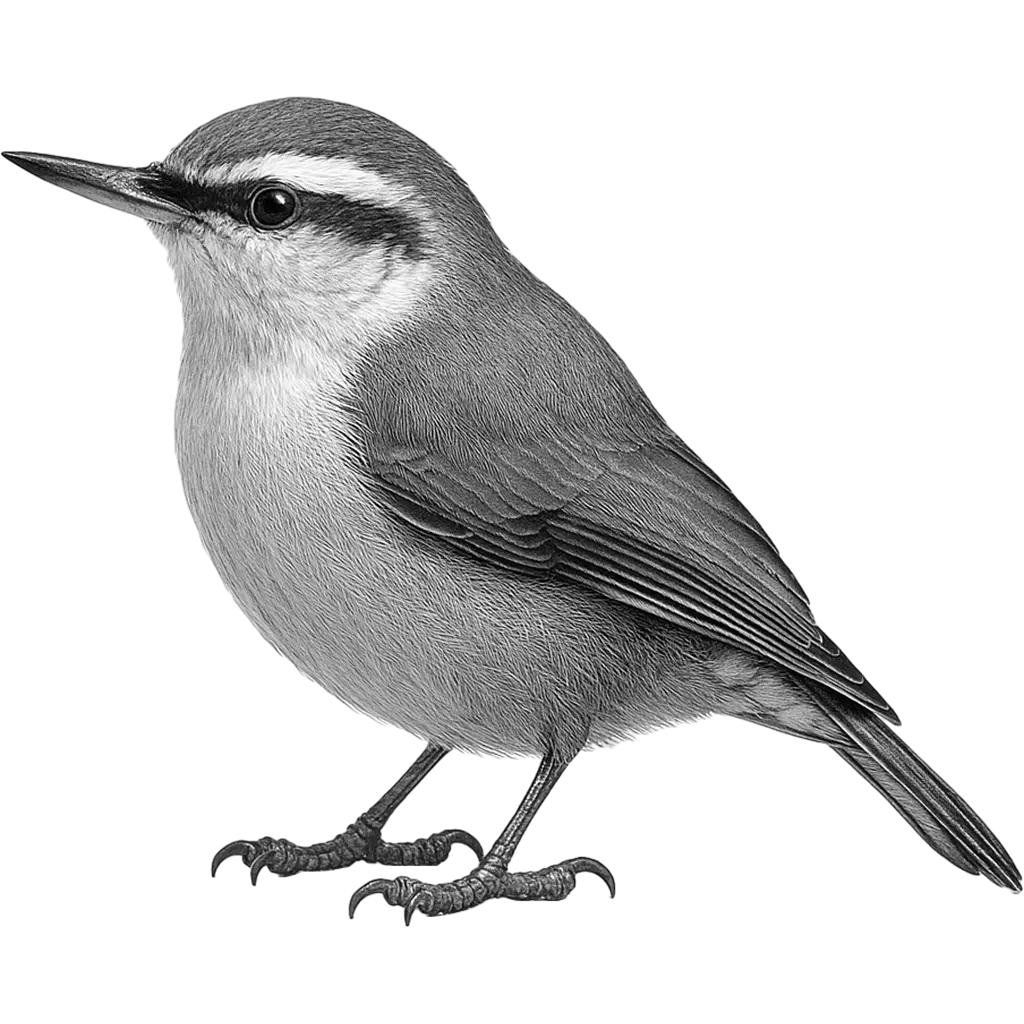
The Bahama Nuthatch is a small, agile bird with soft, mottled plumage in shades of gray and brown that blends perfectly with the bark of pine trees. Its slender body, short pointed bill, and modest, rounded tail give it a delicate, understated elegance. The subtle markings on its face and