
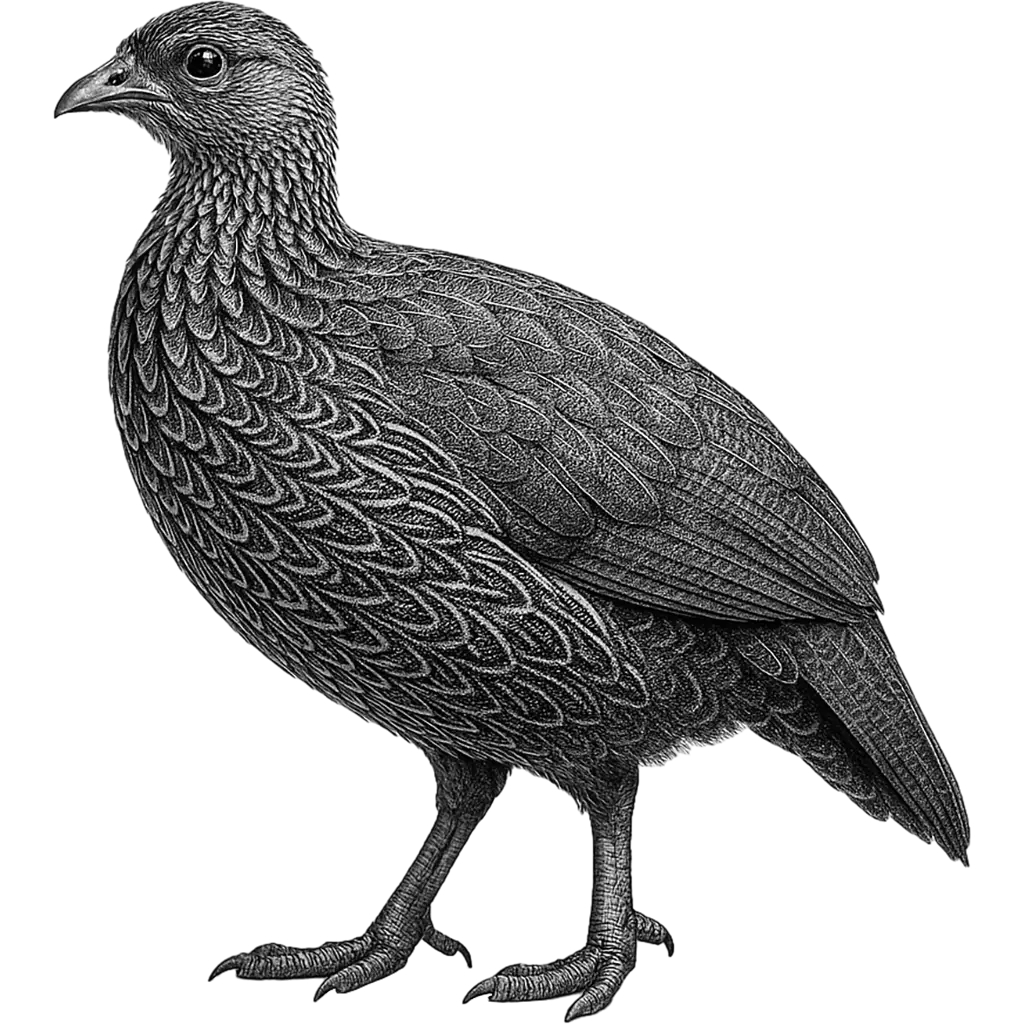
Pternistis Capensis
Cape Spurfowl
Woodlands, scrublands, and open savannas
The Cape Spurfowl is a robust bird with a striking, cryptic plumage that blends seamlessly into its natural surroundings. Its mix of earthy browns, grays, and subtle olive hints is accented by distinct facial markings and a noticeable leg spur. With a short tail and sturdy build, this bird has a practical yet attractive appearance that suits its ground-dwelling lifestyle, making it a remarkable sight in the varied terrains of southern Africa.
| Population: | Common across its native range in southern Africa with stable numbers |
| Generation Length: | 1-2 years |
| Average Weight: | 400-500 g |
| Average Length: | 35-40 cm |
| Lifespan: | 4-6 years in the wild, up to 10 years in captivity |
| Diet: | Mixed diet of seeds, fruits, and insects |
| Conservation Status: | Least Concern (LC) |
The Cape Spurfowl is most active during the cooler parts of the day, often seen foraging on the ground during early mornings and late afternoons. It exhibits cautious behavior while moving through scrublands and open savannas, with its quick dashes and sudden flights when alarmed. The species is known for its vigilant nature as it patrols its territory, and it frequently interacts with flock members in subtle, low-key social behaviors. Overall, its daily routine reflects an adaptive lifestyle in a dynamic environment.
Cape Spurfowl have an omnivorous diet that includes a diverse range of seeds, fruits, insects, and other small invertebrates. They forage meticulously by scratching the ground, unearthing nutritious food particles essential for their energy and survival. This balanced diet supplies the carbohydrates for daily activities and proteins vital for muscle repair and growth, while the inclusion of berries and fruits helps provide vitamins and antioxidants to support overall health.
During the mating season, Cape Spurfowl engage in elaborate courtship displays where males showcase vibrant plumage and perform rhythmic strutting movements to attract females in a competitive arena. Their interactions are characterized by loud calls, competitive behavior, and short bursts of intimate pairing sessions, with each couple occasionally reaffirming their bond through mutual preening and gentle, synchronized movements that strengthen their pair connection.
In its natural environment, the Cape Spurfowl is commonly observed across varied terrains, from scrublands to open savannas, and exhibits a resilient population that has adapted well to changing landscapes. Although localized declines can occur due to habitat disturbance or seasonal shifts, overall numbers remain robust and stable. Conservation efforts and natural adaptation help ensure that the species maintains a balanced presence in its ecosystem, playing a vital role in seed dispersal and ecosystem dynamics.
Classifications
The Key Attributes
Features
- Movement:
Flight and ground running
- Territorial Behavior:
Often territorial, especially during breeding season
- Speed:
Moderate, with quick bursts when startled
- Diet:
Omnivore, forages on seeds and insects
- Physical Features:
- Spur on legs
- Cryptic plumage
- Robust build
- Short tail
- Distinct facial markings
- Primary Senses:
- Sight
- Hearing
Understanding Habitat and Range
Geography
- Habitat:
Woodlands, scrublands, and open savannas
- Migration Patterns:
Non-migratory
- Geographical Range:
Southern Africa, particularly in the Cape region
- Climate Preferences:
Prefers mild to warm climates
Navigating the Wilderness
In the wild
- Predators:
Birds of prey, small mammals
- Prey:
Seeds, fruits, and insects
- Feeding Behavior:
Ground forager, scratching soil for food
- Diet:
Mixed diet of seeds, fruits, and insects
- Defensive Mechanisms:
- Cryptic plumage
- Rapid dashes
- Short bursts of flight
- Preferred Food Sources:
- Seeds
- Insects
- Fruits
Insights Into Reproduction
Mating
- Mating System:
Polygynous
- Number of Offspring:
4-6 eggs
- Incubation Period:
21-23 days
- Parental Involvement:
- Both parents help in rearing young
Youngsters Section
Cape Spurfowl
Fun Fact
Cape Spurfowl are known for their striking, cryptic plumage and agile ground movements.
These birds are essential to their ecosystems, dispersing seeds while foraging. Their quick dashes and sudden flights help them escape predators and navigate varied terrains. Observers often note their alert, curious behavior and the subtle beauty of their natural camouflage, making the Cape Spurfowl a fascinating subject for bird enthusiasts and conservationists alike.

Download word search puzzles
Word Search Puzzles


Check Out Other Birds

The Tricolored Heron is a slender, medium-sized wading bird measuring between fifty-six and seventy-six centimeters in length with a wingspan of approximately ninety-six centimeters. Its plumage combines slate-blue upperparts, a contrasting white belly, and a slender neck richly streaked with blue-gray, lavender, and rusty hues. During breeding season, its head
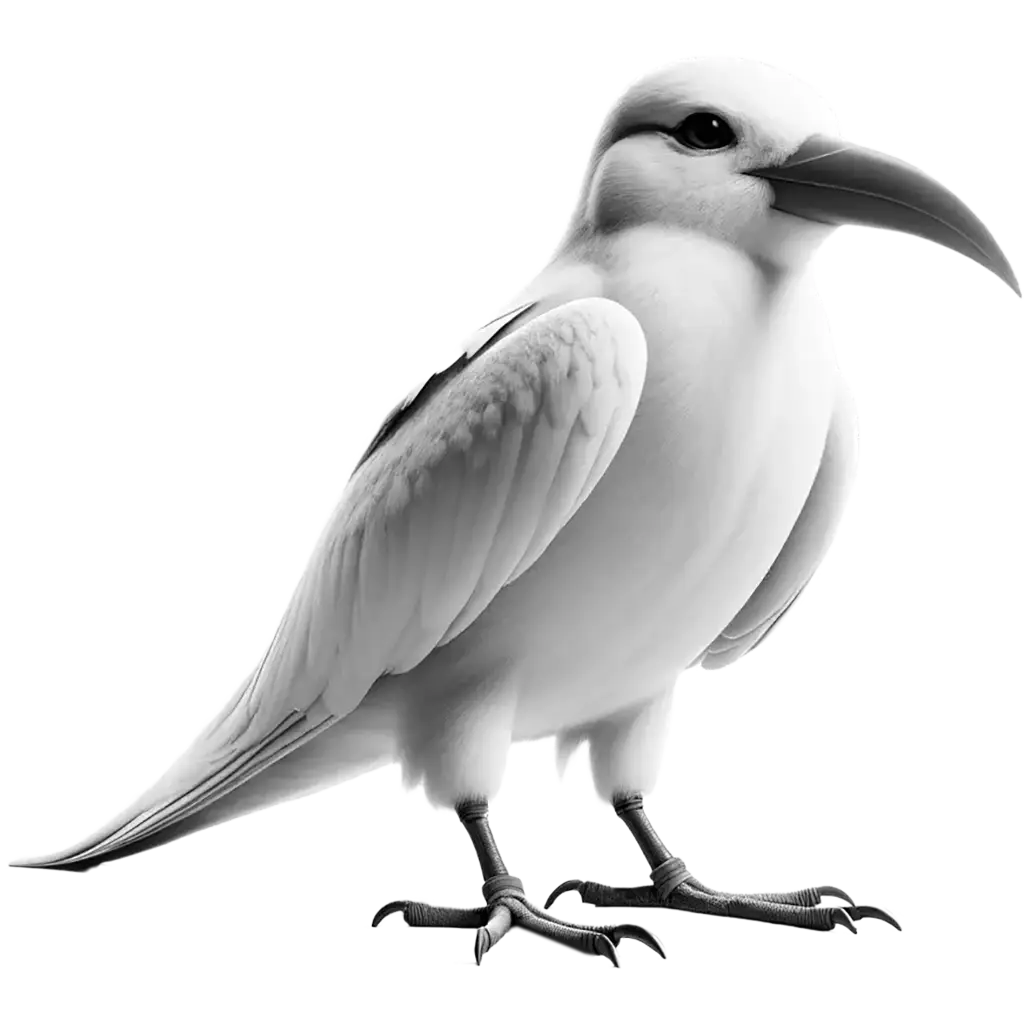
The Red-Billed Tropicbird, phaethon aethereus, is a striking seabird known for its elegant white plumage, slender red bill, and exceptionally long tail feathers, which can be twice the length of its body. Adults typically measure about 48 to 55 cm in length, not including the tail streamers, which can add
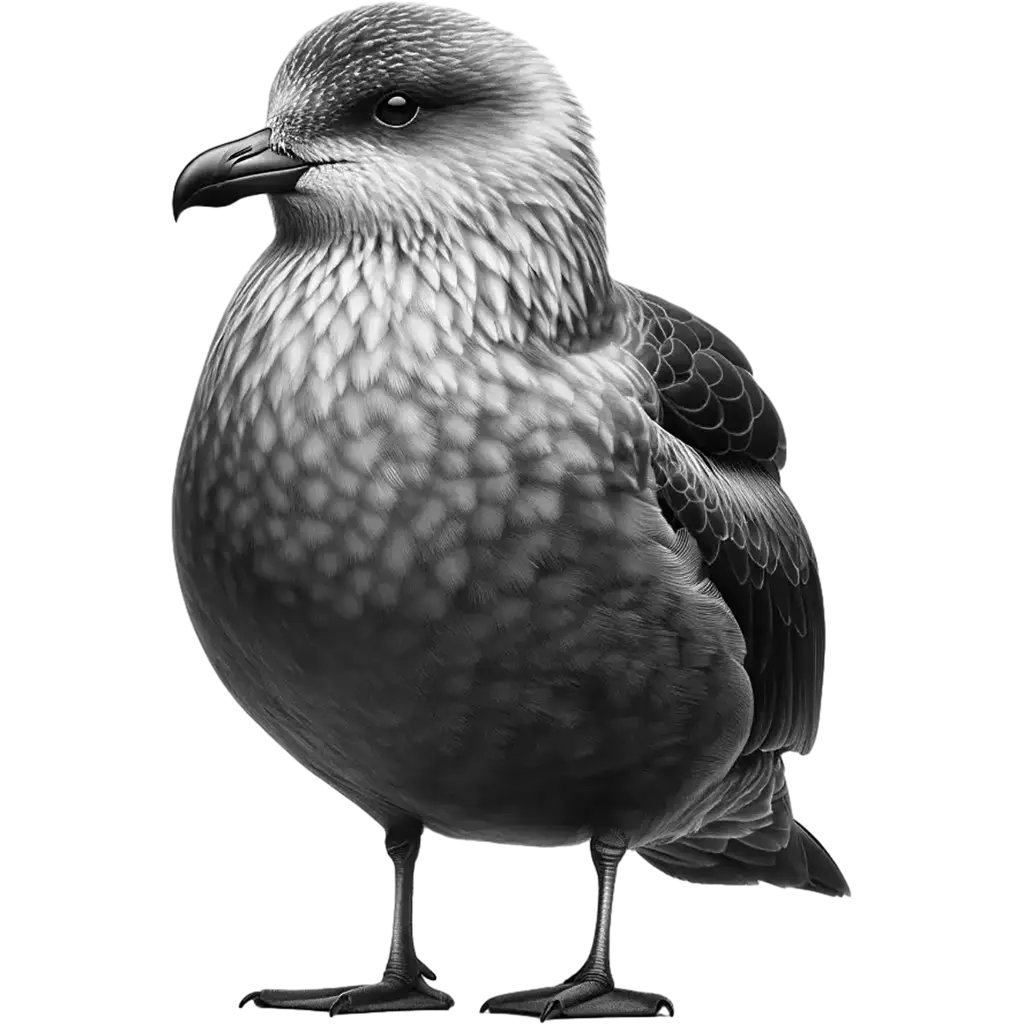
The Pomarine Jaeger, stercorarius pomarinus, is a robust seabird known for its powerful flight and aggressive hunting tactics. This species exhibits considerable size variation, with a length ranging from 45 to 60 cm and a wingspan of 110 to 135 cm, making it the largest of the jaeger species. It
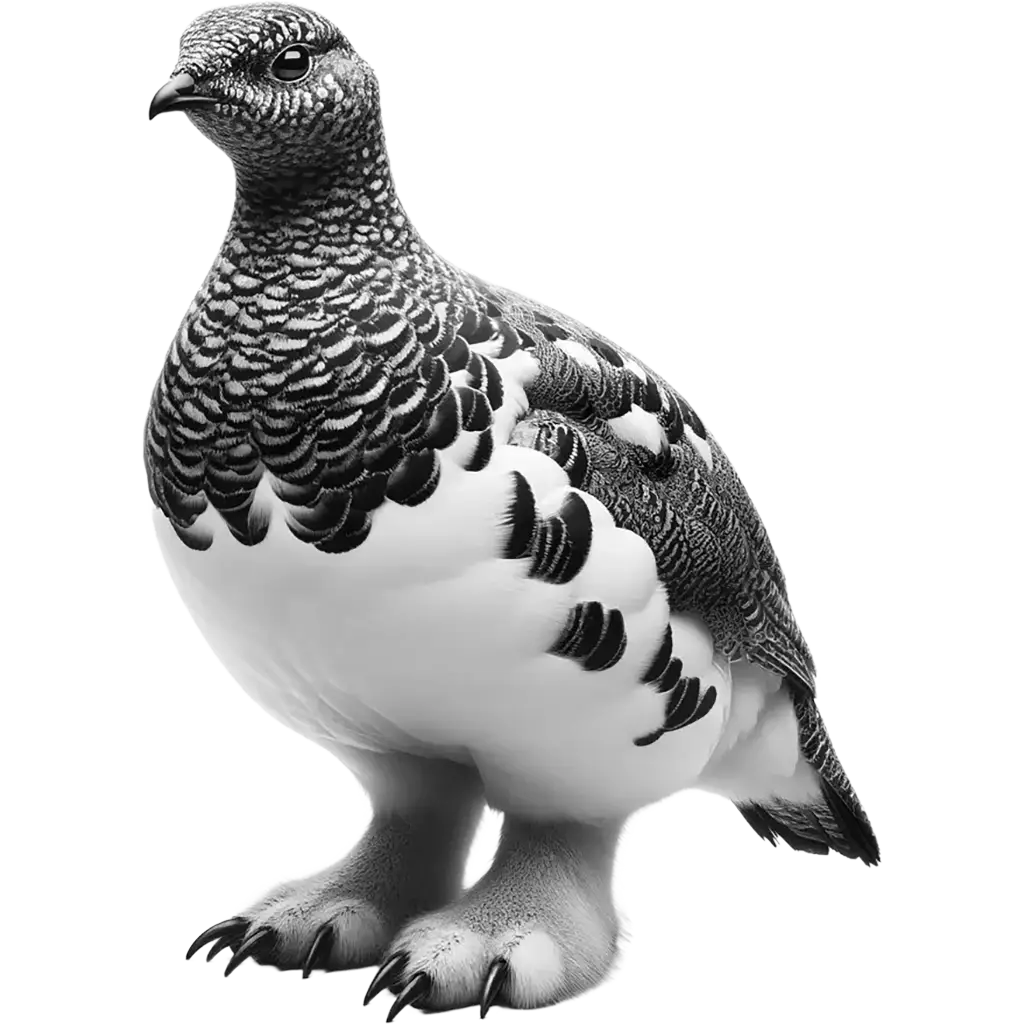
The Rock Ptarmigan, lagopus muta, is a hardy bird adapted to life in the Arctic tundra and alpine regions. Recognizable by its seasonal plumage changes, it sports pure white feathers in winter to blend with the snow, transitioning to brown and grey patterns during the summer for camouflage among rocks