
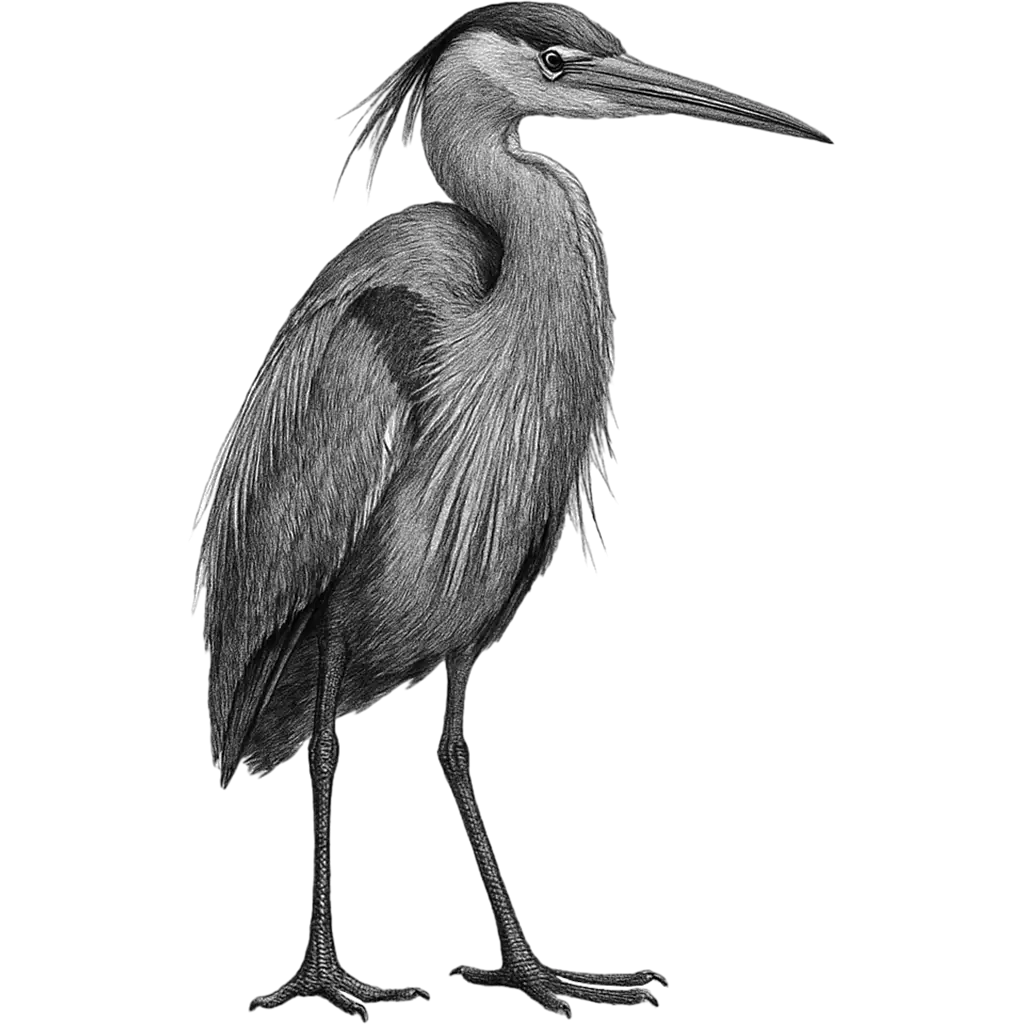
Egretta Tricolor
Tricolored Heron
Shallow coastal wetlands, marshes, mangroves, and estuaries
The Tricolored Heron is a slender, medium-sized wading bird measuring between fifty-six and seventy-six centimeters in length with a wingspan of approximately ninety-six centimeters. Its plumage combines slate-blue upperparts, a contrasting white belly, and a slender neck richly streaked with blue-gray, lavender, and rusty hues. During breeding season, its head and neck display distinctive elongated plumes of white and rusty feathers. The long, dagger-like bill is yellowish to dark, and its legs range from greenish to gray, providing striking contrast.
| Population: | North American breeding population under 200,000 pairs; overall population stable, with local declines from habitat loss |
| Generation Length: | 5 years |
| Average Weight: | 334-415 g |
| Average Length: | 56-76 cm |
| Lifespan: | Up to 17 years in the wild |
| Diet: | Primarily fish/small aquatic animals captured by spearing or plucking from shallow waters |
| Conservation Status: | Least Concern (LC) |
The Tricolored Heron is primarily solitary and territorial but associates loosely in small flocks during migration and wintering. It favors shallow coastal wetlands, including mudflats, marshes, mangrove swamps, and estuaries where wading depths are minimal. Diurnal in its activity, it spends daylight hours stalking prey with slow, deliberate steps, often pausing mid-stride in a signature 'dancing' motion. When disturbed, it may freeze motionless or take agile flight with graceful, outstretched neck. Juveniles forage independently, while adults maintain home ranges and rarely travel more than a few kilometers. This species exhibits seasonal movements along coastlines and is non-migratory in southern parts of its range. Nesting colonies are established in trees or shrubs above water, where pairs defend adjoining territories within mixed-species heronries.
The diet of the Tricolored Heron is highly specialized for small aquatic prey. It feeds primarily on fish such as mullet and silversides, capturing them with swift thrusts of its long bill. It also consumes crustaceans, amphibians, and occasional aquatic insects. Foraging behavior combines stalking and rapid lunges, often using a combination of stabbing and snapping motions at prey. The heron's slender bill and agile neck allow precise strikes in shallow water and among submerged vegetation. Nutritionally, the high protein and fat content of fish supports energy-intensive activities like flight, thermoregulation, and reproduction. Seasonal shifts in prey abundance lead to dietary adjustments, with increased consumption of crustaceans during low fish availability. They may probe under mud or debris to expose hidden prey, demonstrating opportunistic foraging across habitats.
Tricolored Herons form monogamous pairs during the breeding season, which spans from spring to summer. Courtship includes synchronized bill circling, neck entwining, and display flights above nesting sites. Pairs construct platform nests of sticks in trees or mangroves over water. Females lay three to seven pale bluish-green eggs, incubated by both parents for twenty-one to twenty-five days. Chicks are fed regurgitated food and fledge after five to six weeks, remaining near the colony until independence.
Tricolored Heron populations are classified as Least Concern due to their extensive distribution from the United States to South America. North American breeding surveys estimate fewer than 200,000 pairs, with numbers stable from the 1960s onward. However, local declines occur in regions affected by wetland drainage, pollution, and rising sea levels. Conservation actions focused on protecting coastal wetlands, regulating water quality, and monitoring colonies help maintain stable population trends across their range.
Classifications
The Key Attributes
Features
- Movement:
Flight and wading
- Territorial Behavior:
Solitary and territorial during breeding
- Speed:
Moderate
- Diet:
Carnivore
- Physical Features:
- Slender, S‑shaped neck
- Slate‑blue upperparts
- White belly
- Rusty‑colored plumes in breeding plumage
- Long, pointed bill
- Primary Senses:
- Sight
- Hearing
Understanding Habitat and Range
Geography
- Habitat:
Shallow coastal wetlands, marshes, mangroves, and estuaries
- Migration Patterns:
Seasonal movements; partial migrant
- Geographical Range:
Atlantic coast of North America through the Caribbean to northern South America; Pacific coast from California to Peru
- Climate Preferences:
Tropical and subtropical
Navigating the Wilderness
In the wild
- Predators:
Raptors, raccoons, large fish
- Prey:
Fish, crustaceans, amphibians, aquatic insects
- Feeding Behavior:
Stalks and dashes in shallow water
- Diet:
Primarily fish/small aquatic animals captured by spearing or plucking from shallow waters
- Defensive Mechanisms:
- Freezes motionless
- Takes agile flight
- Camouflage plumage
- Preferred Food Sources:
- Small fish
- Crabs
- Shrimp
- Frogs
Insights Into Reproduction
Mating
- Mating System:
Monogamous
- Number of Offspring:
3-7 eggs per clutch
- Incubation Period:
21-25 days
- Parental Involvement:
- Both parents incubate and feed chicks
Youngsters Section
Tricolored Heron
Fun Fact
Tricolored Herons dance between steps, using rapid staccato movements to flush prey in shallow water.
They can nest in colonies alongside other heron species, forming mixed heronries of over 200 nests, and are among the few herons to run stealthily across mudflats in a characteristic 'dancing' foraging style.

Download word search puzzles
Word Search Puzzles


Check Out Other Birds
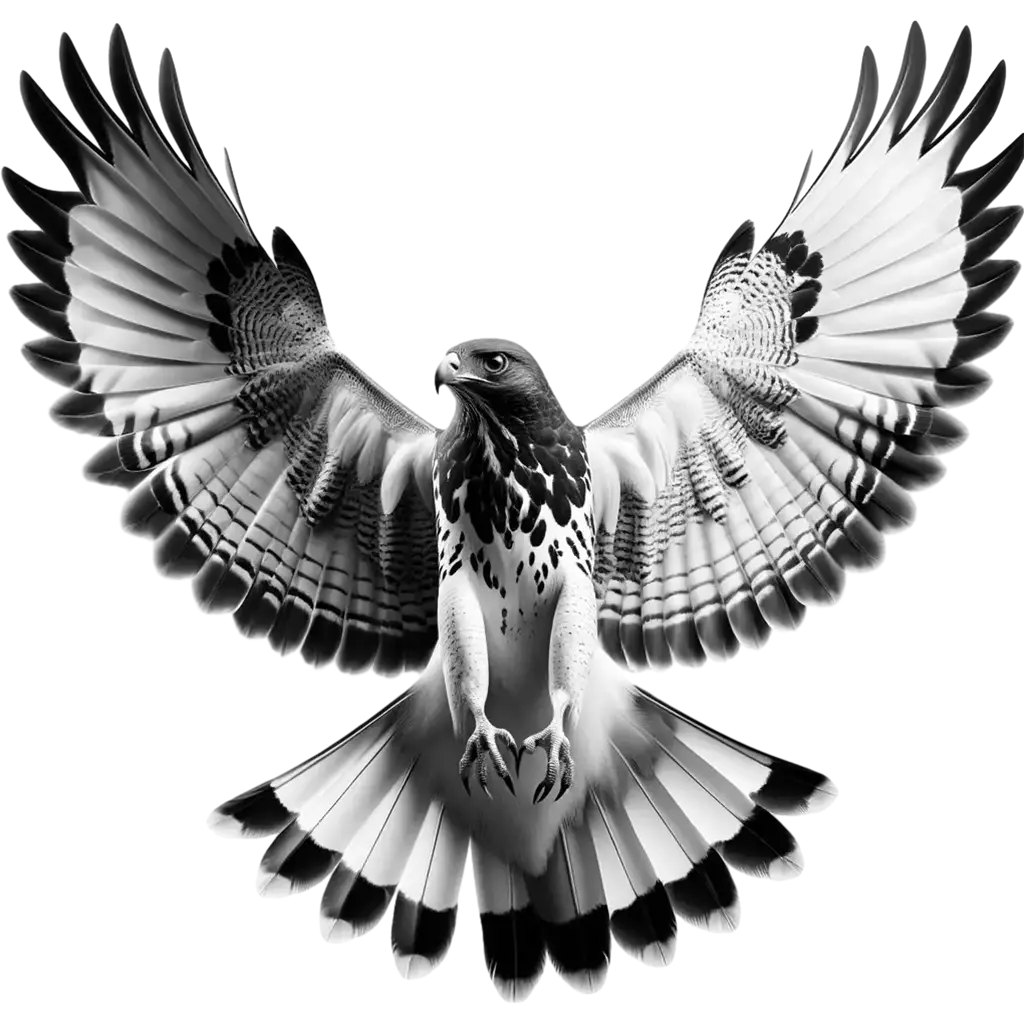
The European Honey Buzzard, pernis apivorus, is a medium-sized bird of prey, distinguished by its striking appearance and specialized diet. Adults typically feature a broad range of plumage variations, from light to dark morphs, but generally have a grayish-brown body, with paler underparts and a distinctive head pattern resembling a
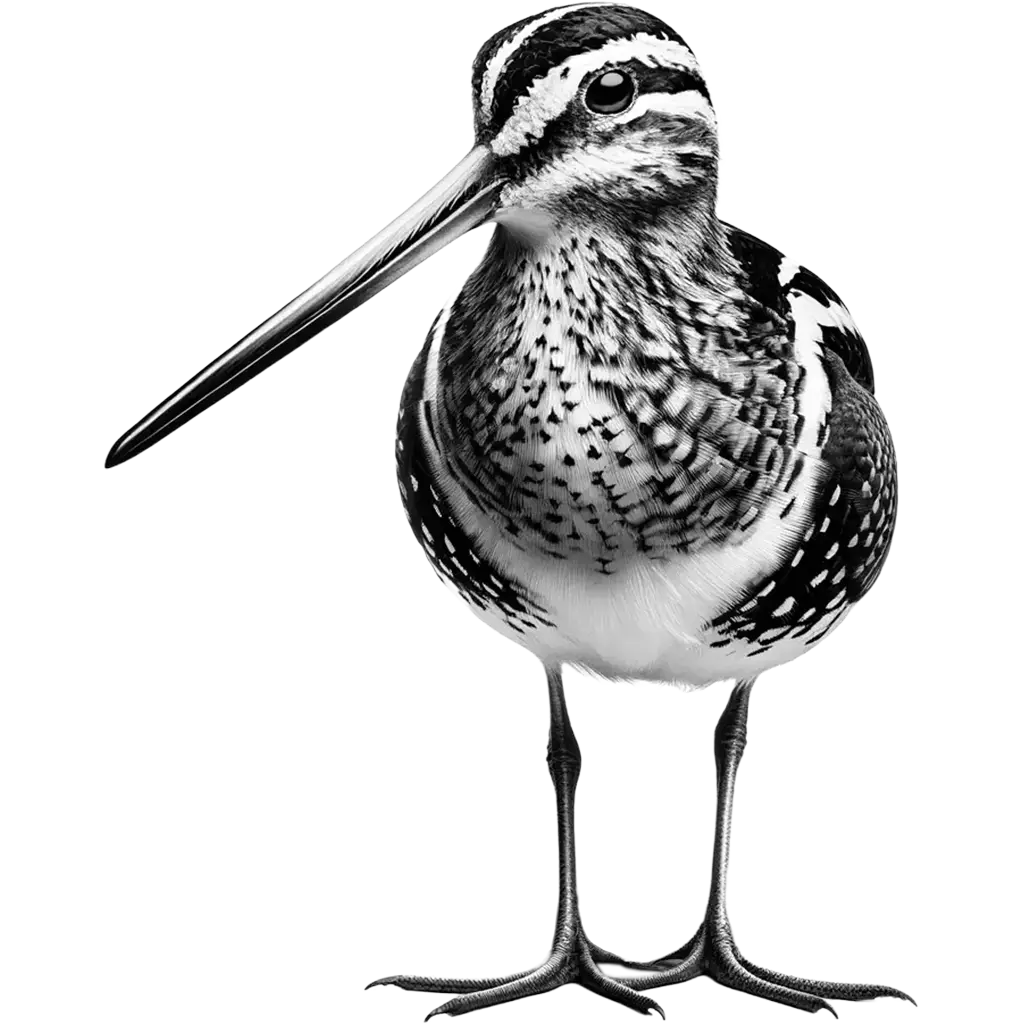
The Greater Painted-Snipe, rostratula benghalensis, is a distinctive and elusive bird species found in wetlands across Africa, Asia, and parts of Australasia. This species exhibits reverse sexual dimorphism, a unique trait where females are more brightly colored than males. Females have a striking appearance with a dark brown back, a
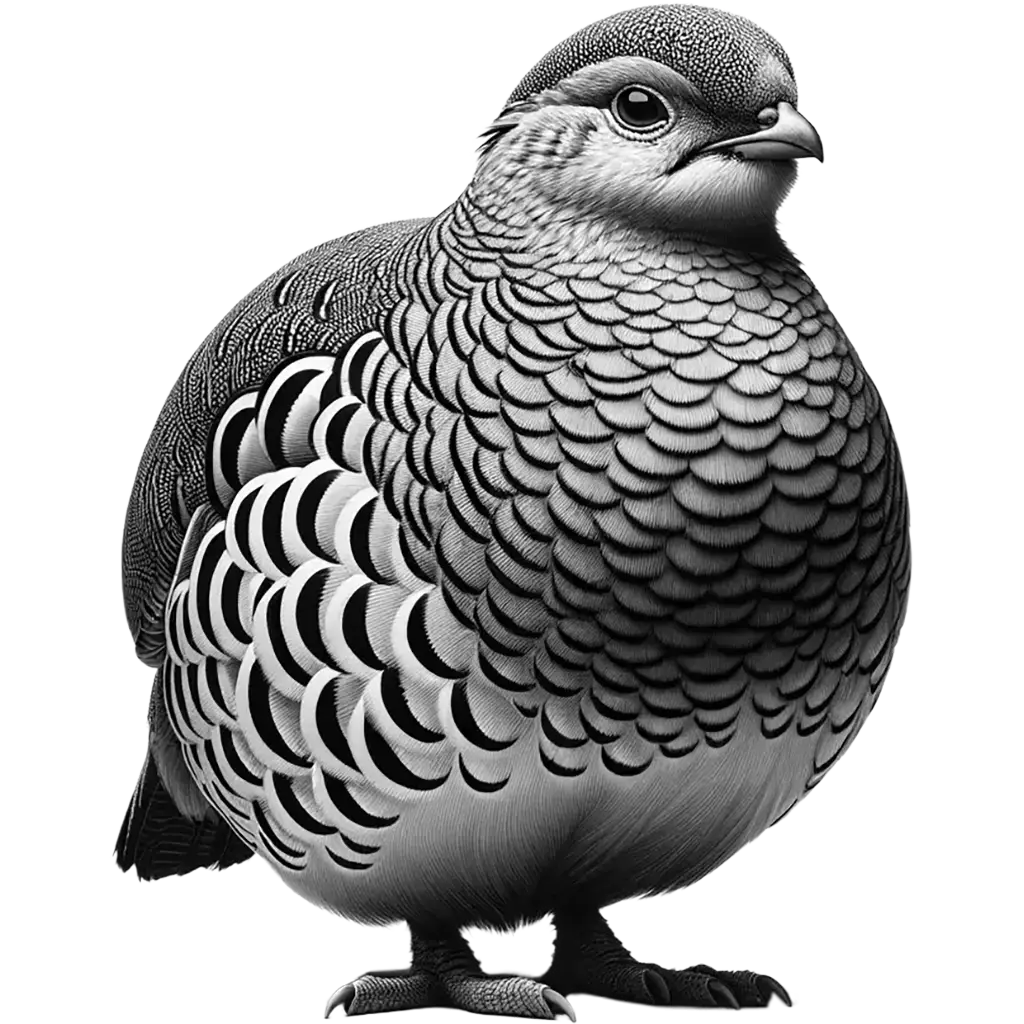
The Barbary Partridge, alectoris barbara, is a game bird native to North Africa, with a distinctive presence in the rugged, mountainous regions of Morocco, Algeria, Tunisia, and Gibraltar. It is recognized by its striking plumage, which features a combination of gray, brown, and chestnut, allowing it to blend seamlessly into
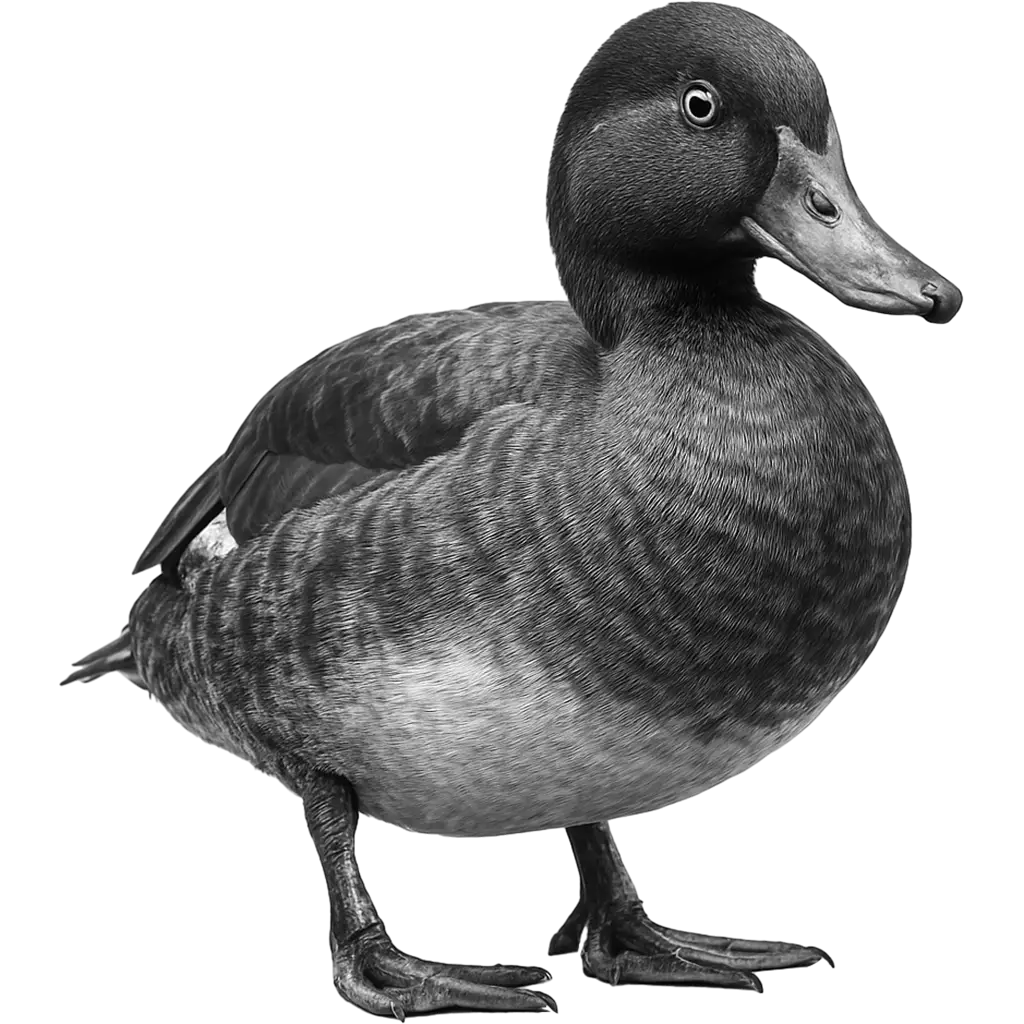
The Hardhead exhibits a sturdy, compact body with a rounded head and broad bill that gives it an unmistakable, robust silhouette. Its dusky plumage, accented by crisp white edges along the wings and body margins, enhances its streamlined appearance. The bird's strong, short wings and muscular build are ideally designed