
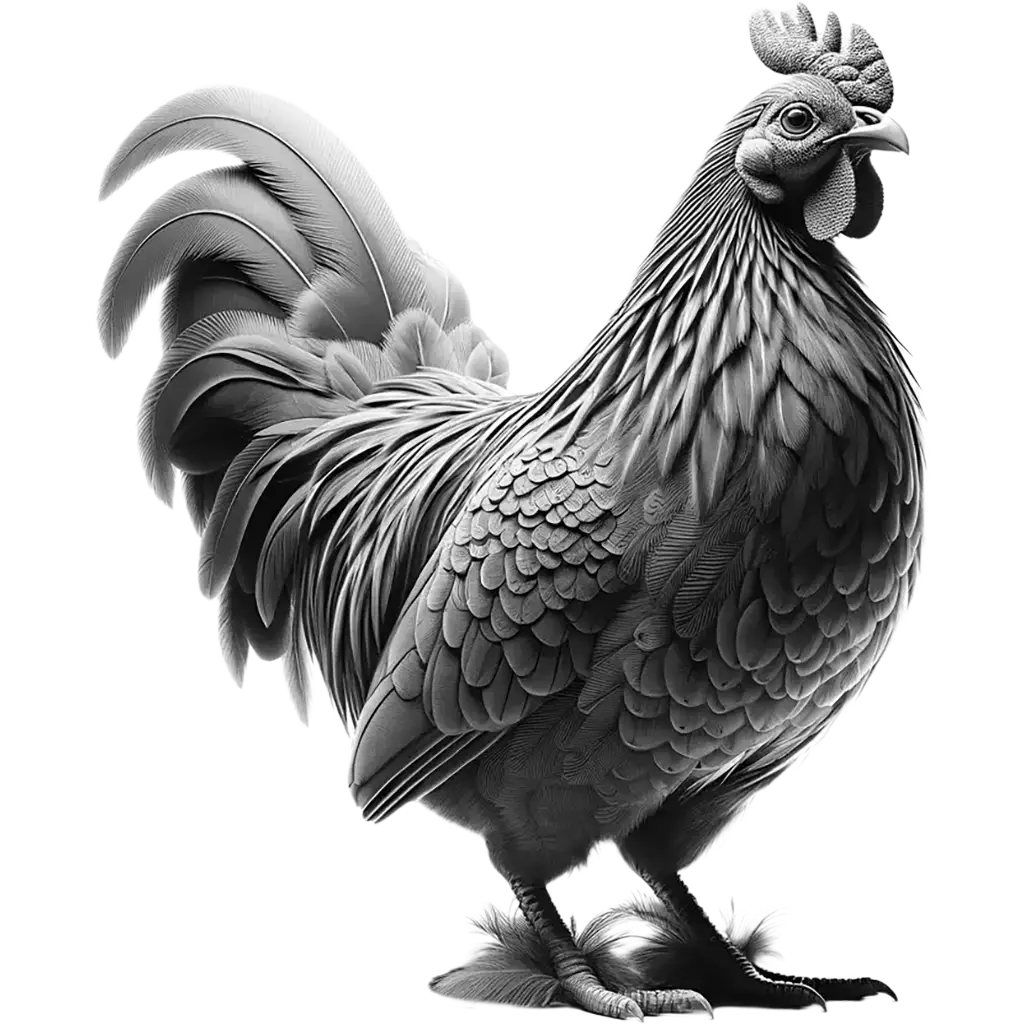
Gallus Sonneratii
Grey Junglefowl
Dense forests, bamboo thickets, and scrublands
The Grey Junglefowl, gallus sonneratii, is a wild bird native to the Indian subcontinent, known for its striking appearance and as one of the ancestors of the domestic chicken. Males are particularly vibrant, with a combination of golden, black, and white plumage, and a distinctive red comb and wattles. They possess a dark grey body with a unique oil-slick sheen on the feathers, and their tail feathers are elongated and tipped in a vibrant metallic color. Females are more subdued in color, primarily brown and camouflaged to blend into the forest floor. This species typically measures around 70 to 80 cm in length, including the tail feathers, with a sturdy build and strong legs.
| Population: | Listed as Least Concern, with stable populations |
| Generation Length: | 3-4 years |
| Average Weight: | 700-850 grams |
| Average Length: | 70-80 cm, including tail feathers |
| Lifespan: | 5-8 years in the wild |
| Diet: | Omnivorous, with a diet consisting of plant material and small animals |
| Conservation Status: | Least Concern (LC) |
Grey Junglefowl inhabit a variety of forest types, including deciduous, evergreen, and bamboo forests, as well as scrublands adjacent to forests. They are ground-dwelling birds that roost in trees at night. Adapted to a life spent mostly on the forest floor, they are skilled at scratching the soil to uncover food. These birds are highly territorial during the breeding season, with males often engaging in loud calls to assert dominance and attract mates.
The diet of the Grey Junglefowl consists mainly of seeds, insects, and fruits, which they forage from the forest floor. They have a particular preference for seeds and grains, but will also consume leaves, shoots, and even small invertebrates. This varied diet helps them to thrive in their natural habitat, playing a role in seed dispersal and controlling insect populations.
Reproduction in Grey Junglefowl involves complex mating rituals, with males displaying their colorful plumage and performing dances to attract females. They are polygynous, with males mating with multiple females. Nests are simple scrapes on the ground, where the female lays 4 to 7 eggs. She is solely responsible for incubating the eggs and raising the chicks once they hatch.
The population of the Grey Junglefowl is currently stable, with these birds being common in many protected areas and reserves across their range. However, they face threats from habitat loss and hunting. Conservation efforts are focused on habitat protection and enforcing hunting regulations to ensure the survival of this species, which holds significant genetic importance for poultry research and conservation.
Classifications
The Key Attributes
Features
- Movement:
Walking, running, flying short distances
- Territorial Behavior:
Territorial, especially during the breeding season
- Speed:
Capable of quick bursts of speed on the ground and short, fast flights
- Diet:
Omnivore
- Physical Features:
- Distinctive grey plumage with striking golden neck feathers
- Strong legs adapted for scratching the ground
- Males have a red comb and wattles
- Long tail feathers, especially in males
- Primary Senses:
- Sight
- Hearing
Understanding Habitat and Range
Geography
- Habitat:
Dense forests, bamboo thickets, and scrublands
- Migration Patterns:
Sedentary, with limited movement within their territory
- Geographical Range:
Endemic to India, particularly in the western and central regions
- Climate Preferences:
Tropical and subtropical climates
Navigating the Wilderness
In the wild
- Predators:
Large birds of prey, mammals like leopards and wild dogs
- Prey:
Seeds, fruits, insects, worms, and occasionally small reptiles and rodents
- Feeding Behavior:
Feeds on a variety of foods including seeds, fruits, insects, and small animals
- Diet:
Omnivorous, with a diet consisting of plant material and small animals
- Defensive Mechanisms:
- Camouflage within its environment
- Flight to evade predators
- Strong legs for running and kicking
- Preferred Food Sources:
- Forested areas with abundant ground cover and food resources
Insights Into Reproduction
Mating
- Mating System:
Polygynous
- Number of Offspring:
4-6 eggs
- Incubation Period:
About 21 days
- Parental Involvement:
- Females are responsible for nesting and rearing the chicks
Youngsters Section
Grey Junglefowl
Fun Fact
The Grey Junglefowl is native to India and considered an ancestor of domestic chickens.
Males are known for their striking plumage, featuring glossy, multicolored feathers. The Grey Junglefowl plays a crucial role in the ecosystem by aiding in seed dispersal and insect control. It can often be found in scrub and deciduous forests, where it forages for seeds and insects.

Download word search puzzles
Word Search Puzzles
Check Out Other Birds

The American Flamingo, phoenicopterus ruber, is a vibrant bird known for its striking pink feathers, long, lean legs, and distinctive downward-bending beak. This species stands tall, reaching heights of up to 1.2 to 1.45 meters. The intensity of their pink coloration, which ranges from light pink to a more intense
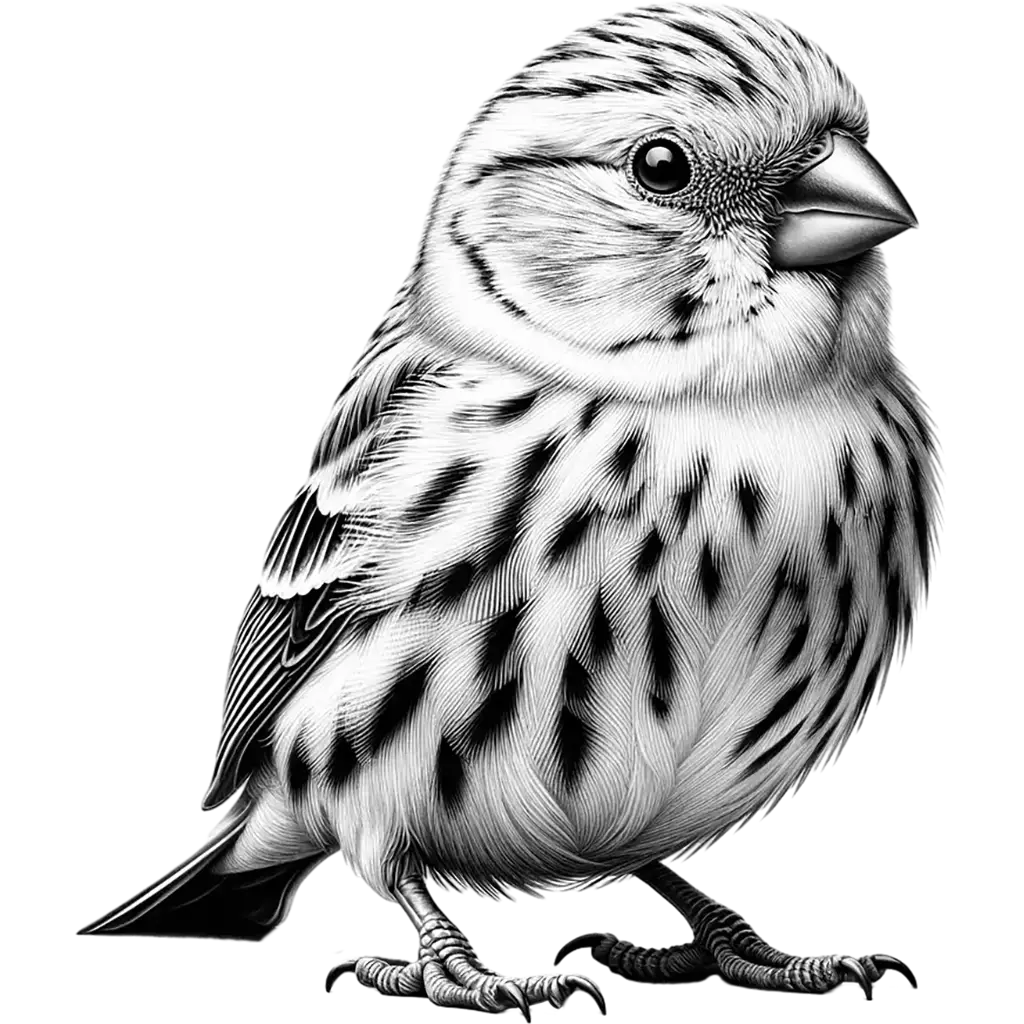
The Domestic Canary, serinus canaria domestica, is a small songbird that originated from the wild Canary Islands' native species, the Atlantic canary. These birds are highly valued for their melodious song and vibrant plumage, which comes in a variety of colors including yellow, orange, white, red, and combinations thereof, due

The Taiga Bean Goose, anser fabalis, is a large migratory bird that breeds in the northern taiga regions of Europe and Asia and winters in more temperate zones of Europe, eastern China, and Japan. This species is distinguished by its long neck, large body, and brownish-gray plumage, which provides excellent
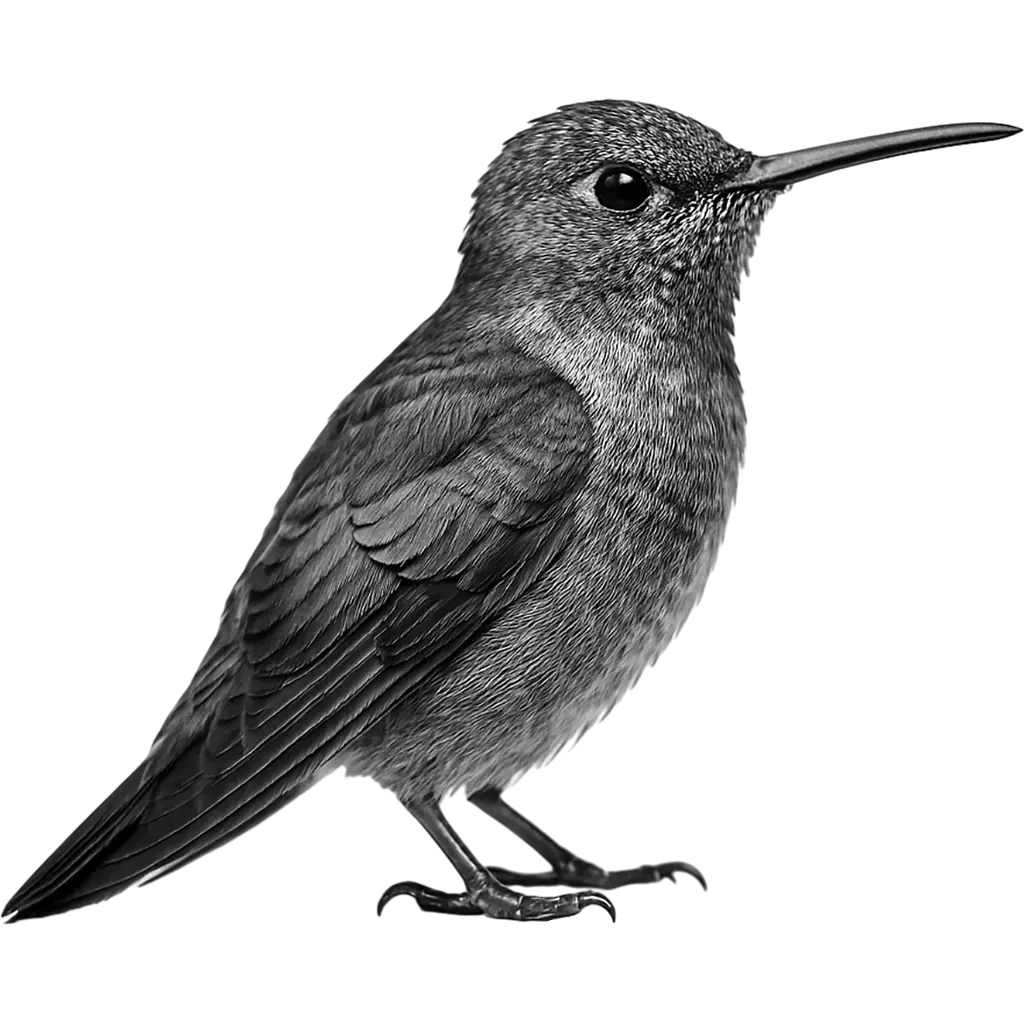
The Buff-bellied Hummingbird is a dazzling small bird distinguished by its vibrant coloration and sleek, streamlined body. Its plumage gleams with iridescent greens and subtle hues of blue, with a notable buff-colored belly that contrasts with its shimmering metallic back. The bird features a delicate, elongated bill perfect for accessing