
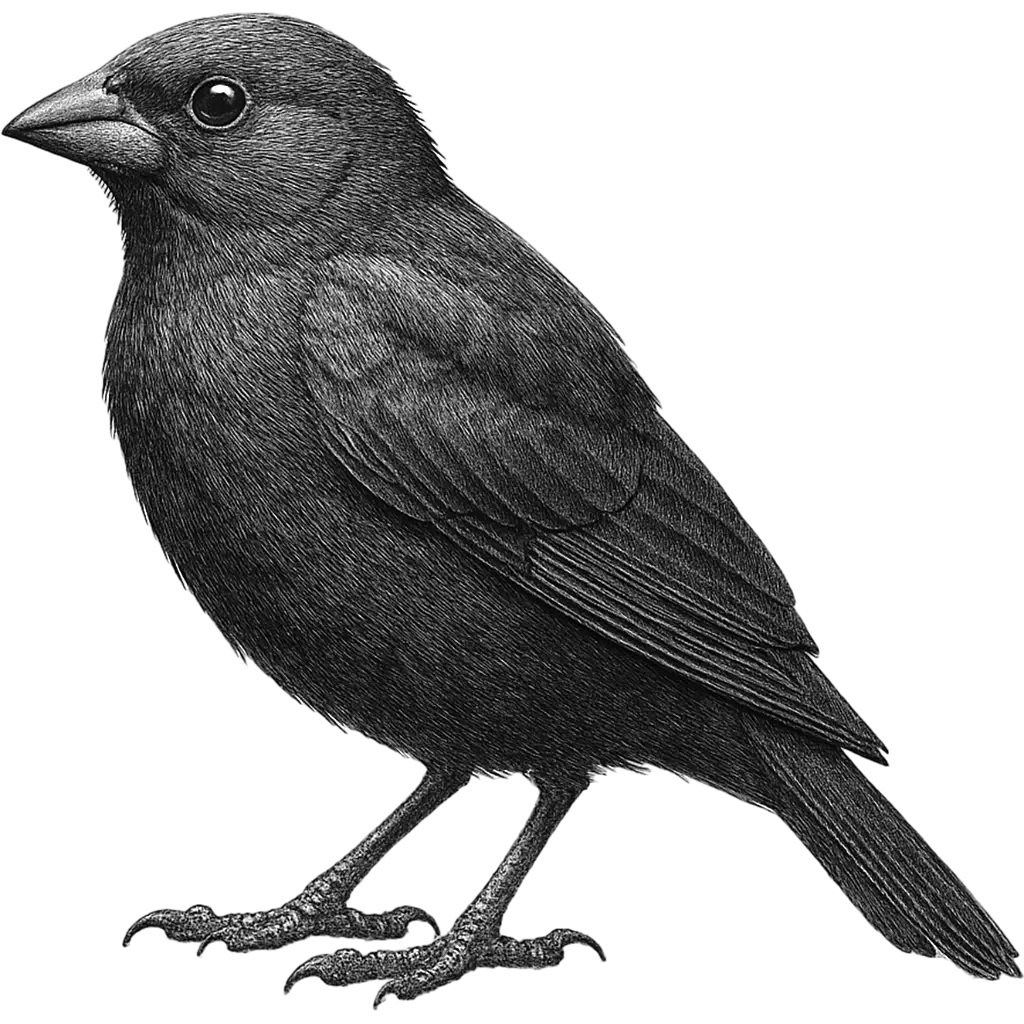
Molothrus Rufoaxillaris
Screaming Cowbird
Grasslands, savannas, pastures, and forest edges
The Screaming Cowbird has glossy, mildly iridescent black plumage covering its head, back, and underparts, contrasted by distinct rufous underwing coverts visible in flight. Its slender body measures between 18 and 21 centimeters in length, supported by long, sturdy legs and black feet. The bird's short, conical bill is dark and robust, suited for seed and insect foraging. Its eyes are deep reddish brown, set in a streamlined head, and the tail is slightly rounded, aiding agile maneuvers.
| Population: | Widespread across eastern South America; overall stable but declining locally where brood host availability is low |
| Generation Length: | 3 years |
| Average Weight: | 48-58 grams |
| Average Length: | 18-21 cm |
| Lifespan: | 3-5 years in the wild, up to 7 years in captivity |
| Diet: | Seeds, insects, and small invertebrates consumed opportunistically |
| Conservation Status: | Least Concern (LC) |
Primarily diurnal, Screaming Cowbirds are commonly observed in pairs or small flocks foraging on the ground in open grasslands, pastures, savannas, and agricultural edges. They move with deliberate hops and short flights, scanning for seeds, insects, and small invertebrates. As obligate brood parasites, adults do not build nests but follow potential host species, such as the Bay-winged Cowbird and other icterids, persistently approaching host nests to deposit eggs. Screaming Cowbirds are non-territorial and roam widely in search of hosts, exhibiting gregarious and opportunistic behavior. They communicate with loud, piercing calls used in display and alarm. Outside the breeding season, flocks may mix with other cowbird species and exploit livestock gatherings for insect prey disturbed by grazing animals. Their adaptable nature allows thriving in modified landscapes.
The diet of the Screaming Cowbird consists primarily of grass seeds, grains, and small invertebrates such as grasshoppers, beetles, and caterpillars. They forage by pecking and probing disturbed soil, leaf litter, and pasture ground, often following large mammals or farm machinery to catch flushed prey. Adults also consume a variety of weed seeds and occasionally take fallen fruits. During the breeding season, nutritional demands rise, and individuals increase insect consumption to meet protein needs for egg production. The combination of carbohydrate-rich seeds and protein-rich invertebrates supports energy-intensive behaviors such as brood parasitism and vocal displays. Chicks reared by host parents initially subsist on regurgitated insects and seeds provided by the foster parents. Dietary flexibility enables Screaming Cowbirds to occupy diverse habitats and cope with seasonal fluctuations in food availability.
Reproductive behavior centers on obligate brood parasitism, with females laying two to three eggs in the nests of host species. They engage in rapid, surreptitious visits to host nests, often removing a host egg before depositing their own. Males display to females with fluttering flights and vocal calls, but no pair bonds form. Adults do not provide parental care; hatchlings are raised entirely by unwitting foster parents.
Population estimates for Screaming Cowbirds are not precisely known, but the species maintains widespread and stable numbers across its eastern South American range. Local declines may occur where preferred host species are rare or habitats are heavily altered. Brood parasitism strategies and dietary adaptability contribute to resilience in fragmented landscapes. Ongoing monitoring indicates no significant population decreases at a continental scale, and the species remains common within suitable habitats.
Classifications
The Key Attributes
Features
- Movement:
Flight
- Territorial Behavior:
Brood parasite, non-territorial
- Speed:
Moderate
- Diet:
Omnivore
- Physical Features:
- Glossy black plumage with rufous underwing coverts
- Short, conical bill
- Reddish-brown iris
- Slender body shape
- Primary Senses:
- Sight
- Hearing
Understanding Habitat and Range
Geography
- Habitat:
Grasslands, savannas, pastures, and forest edges
- Migration Patterns:
Non-migratory
- Geographical Range:
Eastern Bolivia, Paraguay, southern Brazil, Uruguay, and northeastern Argentina
- Climate Preferences:
Tropical and subtropical climates
Navigating the Wilderness
In the wild
- Predators:
Birds of prey, small mammals
- Prey:
Seeds, insects, and small invertebrates
- Feeding Behavior:
Ground forager and opportunistic feeder
- Diet:
Seeds, insects, and small invertebrates consumed opportunistically
- Defensive Mechanisms:
- Brood parasitism to avoid nesting
- Fast, agile flight
- Preferred Food Sources:
- Grass seeds
- Beetles
- Caterpillars
- Ants
Insights Into Reproduction
Mating
- Mating System:
Obligate brood parasite; no pair bonds
- Number of Offspring:
2-3 eggs per host nest
- Incubation Period:
None - eggs laid in host nests
- Parental Involvement:
- No parental care; hosts rear chicks
Youngsters Section
Screaming Cowbird
Fun Fact
Screaming Cowbirds are obligate brood parasites and never build nests of their own.
Unlike other brood parasites, Screaming Cowbirds preferentially target bay-winged cowbirds and closely associate with them, sometimes following mixed flocks to identify host nests. Their chicks evict host eggs shortly after hatching, ensuring exclusive access to food and care. This evicting behavior begins within hours of hatching.

Download word search puzzles
Word Search Puzzles
Check Out Other Birds
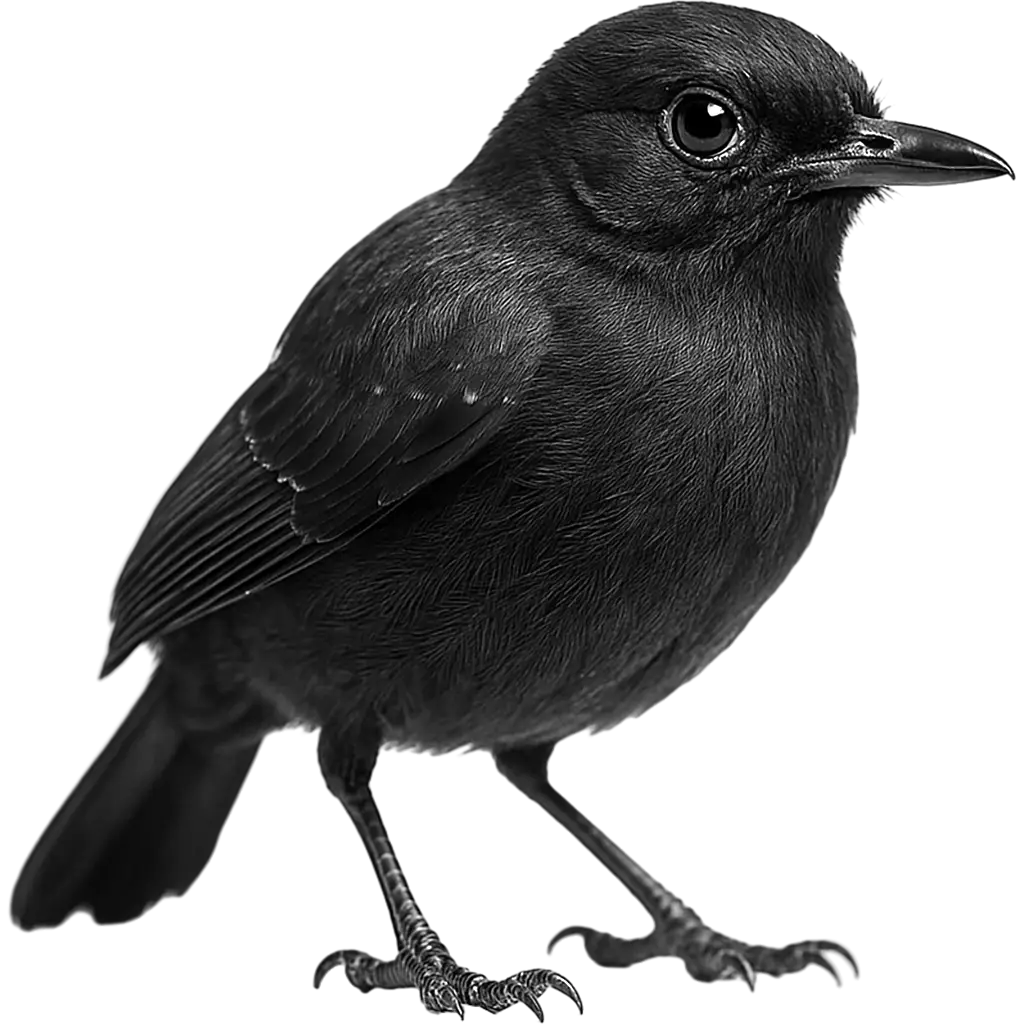
The Dusky Antbird has a modest yet distinctive appearance with muted dark plumage that blends seamlessly into the dappled shadows of the rainforest understory. Its rounded head, small sharp beak, and subtle eye-ring create a gentle expression, while a short tail and compact body enhance its agile silhouette. Soft, earthy
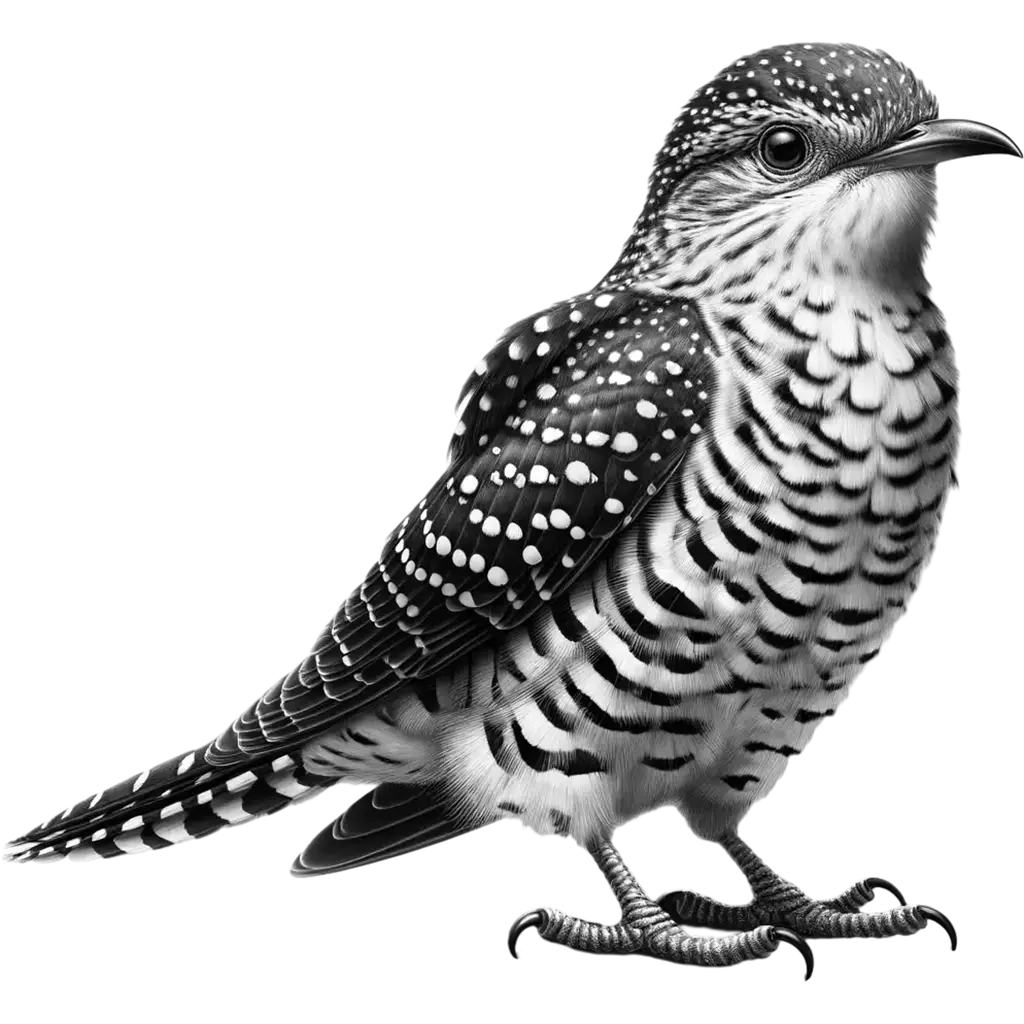
The Great Spotted Cuckoo, clamator glandarius, is a distinctive bird known for its striking appearance and brood parasitism behavior. Adults typically measure 35 to 40 cm in length, making them one of the larger species within the cuckoo family. They boast a predominantly grey body, with a long, dark tail
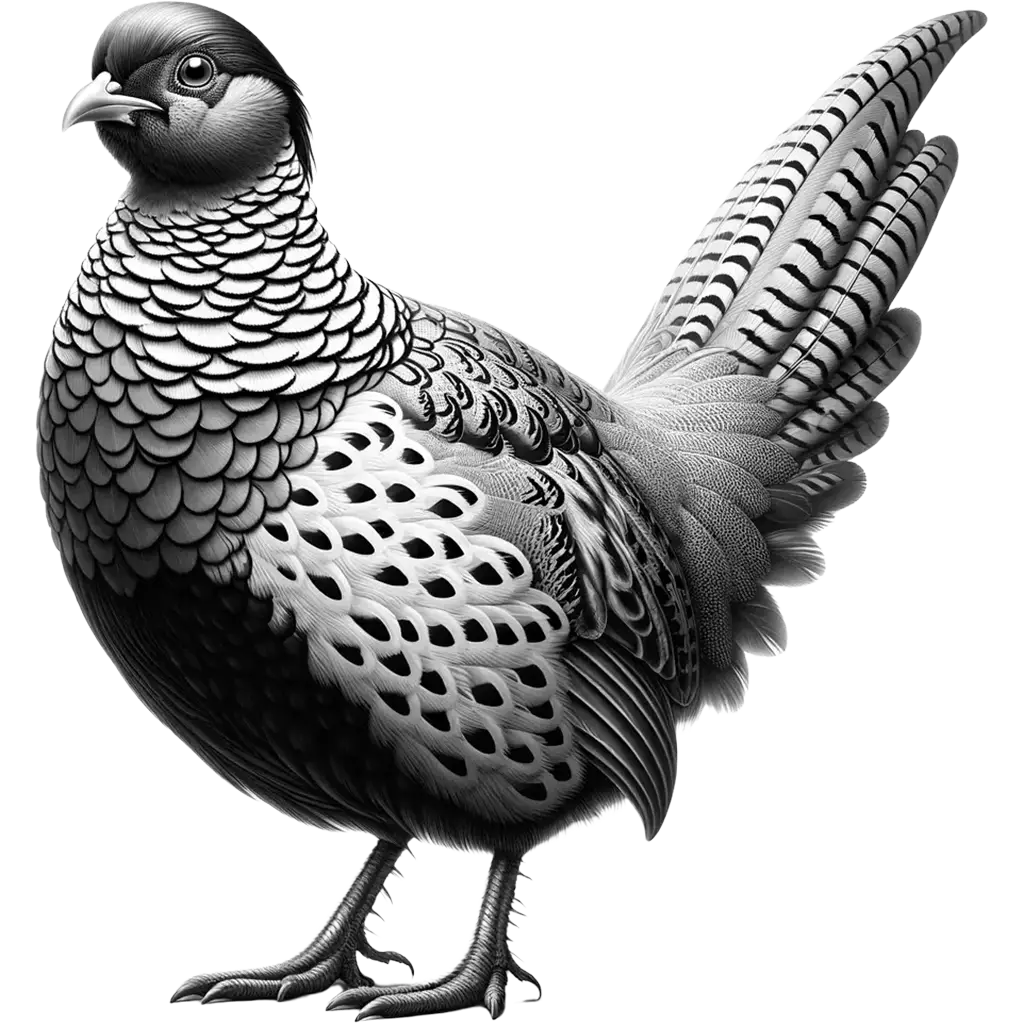
The Reeves's Pheasant, syrmaticus reevesii, is a magnificent bird known for its extraordinary tail length and striking plumage. Males are particularly notable, with tails that can reach up to 2.4 meters in length, making them one of the longest-tailed pheasants in the world. The male's plumage is a vibrant mix
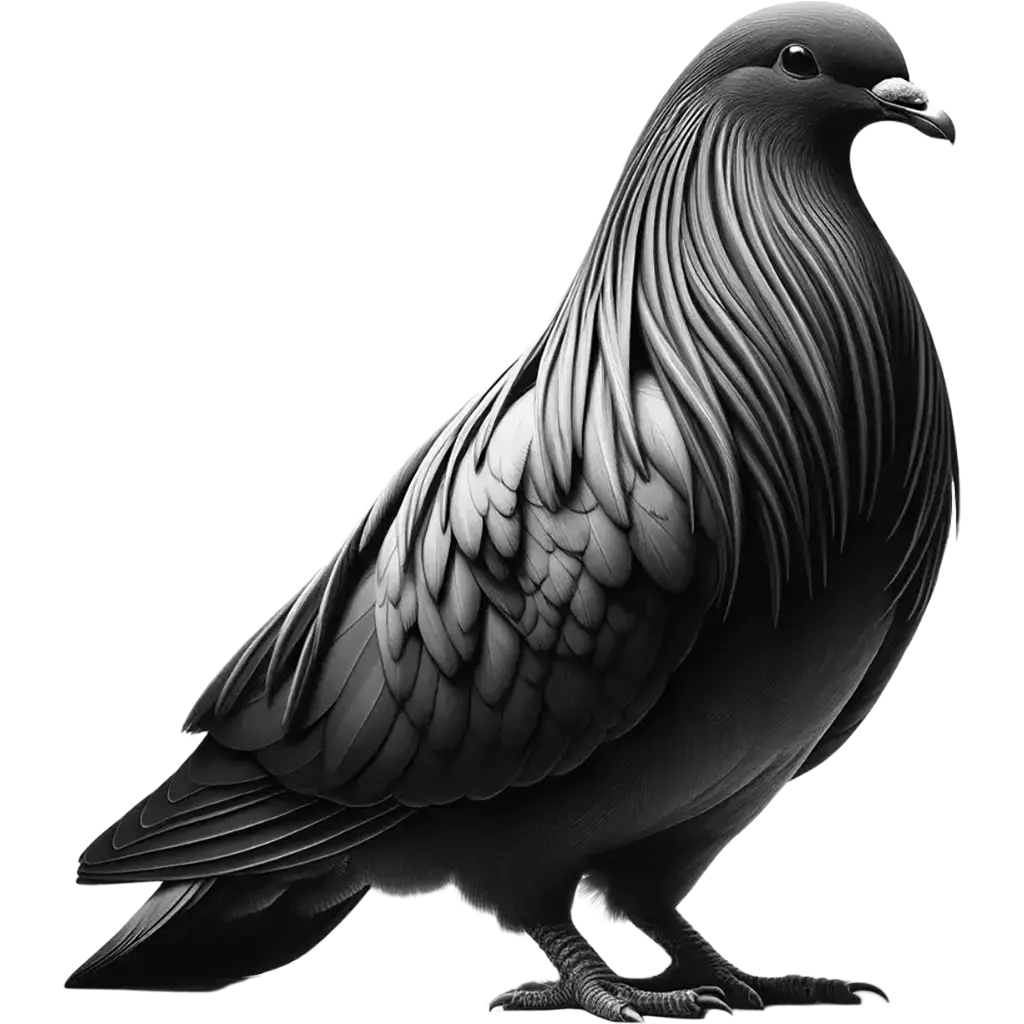
The Nicobar Pigeon, caloenas nicobarica, is a strikingly beautiful bird, known for its iridescent plumage that shines in a spectrum of colors, including greens, blues, and coppers. This large pigeon, standing at approximately 40 cm in length, is the closest living relative to the extinct Dodo bird. It has a