

Gorsachius Melanolophus
Malayan Night Heron
Forested wetlands, mangroves, and freshwater and peat swamp forests
The Malayan Night Heron, gorsachius melanolophus, also known as the Malaysian Night Heron, is a medium-sized bird that exhibits a remarkable blend of stealth and beauty. Measuring approximately 47 to 55 cm in length, it has a robust build with a short neck and legs, characteristic of herons. Its plumage is predominantly dark brown, with a striking black crown and back that contrasts sharply with its rufous underparts and distinctive white throat. Juveniles display a more mottled appearance, providing them with additional camouflage in their natural habitat.
| Population: | Listed as Least Concern, but dependent on wetland habitats |
| Generation Length: | 4-5 years |
| Average Weight: | 550-650 grams |
| Average Length: | 47-51 cm |
| Lifespan: | Unknown in the wild, but related species can live up to 15-20 years |
| Diet: | Primarily carnivorous, hunting at night or twilight |
| Conservation Status: | Least Concern (LC) |
Native to Southeast Asia and parts of East Asia, the Malayan Night Heron inhabits dense forests, mangroves, and wooded wetlands. Unlike many herons that prefer open waterways, this species thrives in the undergrowth and along the edges of freshwater sources, where its cryptic coloration allows it to blend seamlessly with the surrounding vegetation. The Malayan Night Heron is primarily nocturnal, spending the day hidden among foliage and becoming active at dusk to forage.
The diet of the Malayan Night Heron consists mainly of small fish, amphibians, crustaceans, insects, and occasionally small mammals and birds. It hunts by standing still or walking slowly, using its sharp bill to snatch prey with precision. This method of foraging underscores the bird's adaptability to diverse food sources and its role as a predator in the ecosystem.
Reproduction for the Malayan Night Heron involves the construction of a nest in dense vegetation or low in the trees, where it lays 2 to 5 eggs. Both parents participate in incubating the eggs and raising the chicks, demonstrating a high degree of parental care. The breeding season varies by region but generally coincides with the onset of the rainy season, ensuring an ample supply of food for the growing chicks.
The population of the Malayan Night Heron is considered stable across its range, though it faces threats from habitat destruction, pollution, and disturbance from human activities. Conservation efforts focus on protecting wetland habitats and ensuring the preservation of forested areas critical for the species' survival. The Malayan Night Heron's elusive nature and nocturnal habits make it a fascinating subject for birdwatchers and conservationists alike.
Classifications
The Key Attributes
Features
- Movement:
Walking, flying
- Territorial Behavior:
Solitary or in small groups, especially during breeding season
- Speed:
Not particularly fast, relies on stealth and stalking
- Diet:
Carnivore
- Physical Features:
- Short, stocky build with a relatively long neck
- Dark crown and back with brownish body and white streaks on the front
- Short yellow legs and a thick bill
- Nocturnal, with large eyes adapted for night vision
- Primary Senses:
- Sight
- Hearing
Understanding Habitat and Range
Geography
- Habitat:
Forested wetlands, mangroves, and freshwater and peat swamp forests
- Migration Patterns:
Resident, with some local movements in response to water levels and food availability
- Geographical Range:
Southeast Asia, from India and Sri Lanka to southern China, Indonesia, and the Philippines
- Climate Preferences:
Prefers warm, humid tropical environments
Navigating the Wilderness
In the wild
- Predators:
Larger birds of prey, snakes, and mammals
- Prey:
Fish, crustaceans, insects, worms, and small vertebrates
- Feeding Behavior:
Feeds on a variety of prey, including fish, crustaceans, insects, and small vertebrates
- Diet:
Primarily carnivorous, hunting at night or twilight
- Defensive Mechanisms:
- Stays motionless to avoid detection
- Flies to dense cover if disturbed
- Preferred Food Sources:
- Rich wetland areas with abundant aquatic life
Insights Into Reproduction
Mating
- Mating System:
Monogamous
- Number of Offspring:
2-4 eggs
- Incubation Period:
About 24-26 days
- Parental Involvement:
- Both parents share in incubating eggs and feeding the young
Youngsters Section
Malayan Night Heron
Fun Fact
The Malayan Night Heron is a reclusive bird often found in dense forests and wetlands in Asia.
This heron is known for its distinctive brown streaked plumage and crest. Unlike many herons, it is more active during the day, particularly at dawn and dusk. It feeds on insects, fish, and amphibians, and is often seen standing still or slowly walking to catch its prey.

Download word search puzzles
Word Search Puzzles


Check Out Other Birds
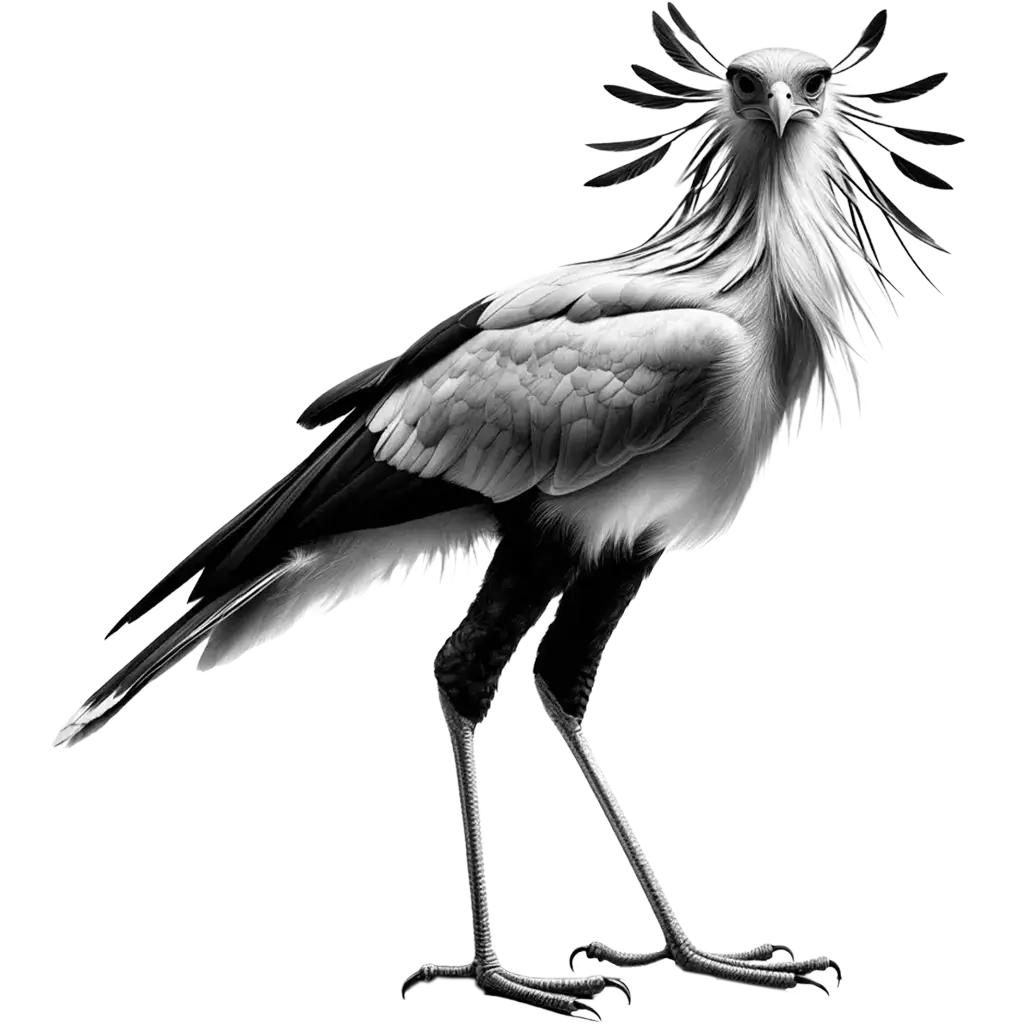
The Secretarybird, sagittarius serpentarius, is a unique bird of prey native to the open grasslands and savannas of Sub-Saharan Africa. This distinctive species stands tall on crane-like legs, reaching up to 1.3 meters in height, with a body length of about 1.4 meters from beak to tail. Its appearance is

The Horned Puffin, fratercula corniculata, is a striking seabird known for its distinctive black and white plumage and large, colorful bill. Adults can reach about 20 cm in height and weigh approximately 500 grams, with a robust body suited for both flying and swimming. The species is named for the

The Lesser Spotted Eagle, clanga pomarina, is a medium-sized bird of prey, distinguished by its relatively small stature compared to other eagles, with a length of about 55 to 65 cm and a wingspan ranging from 145 to 160 cm. The species exhibits a dark brown plumage overall, with lighter,

The Mississippi Kite, ictinia mississippiensis, is a sleek, medium-sized raptor known for its graceful flight and distinctive appearance. Adults exhibit a light gray plumage with darker gray wings and tail, and a nearly white head and underparts. Their wings are long and pointed, ideal for soaring and gliding in search