

Ictinia Mississippiensis
Mississippi Kite
Open woodlands, savannas, river valleys, and marshes
The Mississippi Kite, ictinia mississippiensis, is a sleek, medium-sized raptor known for its graceful flight and distinctive appearance. Adults exhibit a light gray plumage with darker gray wings and tail, and a nearly white head and underparts. Their wings are long and pointed, ideal for soaring and gliding in search of prey. Juveniles are more mottled with streaks of brown and white. This bird of prey typically measures about 35 to 40 cm in length, with a wingspan ranging from 76 to 89 cm, allowing it to navigate through the air with remarkable agility.
| Population: | Considered of Least Concern, but habitat changes could impact local populations |
| Generation Length: | 4-5 years |
| Average Weight: | 250-350 grams |
| Average Length: | 35-40 cm, with a wingspan of 80-95 cm |
| Lifespan: | Up to 10 years in the wild |
| Diet: | Primarily insectivorous, with occasional small mammals, birds, and reptiles |
| Conservation Status: | Least Concern (LC) |
Mississippi Kites inhabit open woodlands, savannas, and marshes across the southeastern United States, extending their range to the Great Plains and parts of Central and South America during migration. They are social birds, often seen flying in groups, especially during migration. Their presence in an area is a sign of healthy, insect-rich ecosystems, as they rely heavily on these food sources.
The diet of the Mississippi Kite primarily consists of flying insects, such as beetles, dragonflies, and cicadas, which they catch in mid-air with their talons. This diet highlights their role as natural pest control agents, benefiting agricultural areas and forests alike. They are also known to eat small rodents, birds, and frogs, showcasing their adaptability in hunting strategies.
Reproduction involves the construction of compact nests in the upper branches of tall trees, where the female lays 1 to 3 eggs. Both parents share the responsibility of incubating the eggs and feeding the chicks, demonstrating a high degree of parental care. The nesting period is a critical time for kite populations, as it influences their numbers and distribution.
The population of the Mississippi Kite is considered stable, with some areas experiencing an increase in numbers due to the expansion of their preferred habitats, such as suburban areas and parks, which provide ample feeding opportunities. Despite facing potential threats from habitat destruction and human disturbances, conservation efforts, including habitat preservation and monitoring of nesting sites, have helped maintain healthy populations. The Mississippi Kite's adaptability to changing landscapes underscores the importance of balanced ecosystems and the need for continued conservation actions to support this and other raptor species.
Classifications
The Key Attributes
Features
- Movement:
Flying, soaring
- Territorial Behavior:
Somewhat territorial, especially during breeding season
- Speed:
Not specifically quantified; known for agile flight and soaring capabilities
- Diet:
Carnivore
- Physical Features:
- Slim body with long, pointed wings and a squared-off tail
- Gray plumage with paler head and underparts
- Males and females have similar coloration but juveniles are streaked with brown
- Sharp talons and a hooked beak for hunting
- Primary Senses:
- Sight
- Hearing
Understanding Habitat and Range
Geography
- Habitat:
Open woodlands, savannas, river valleys, and marshes
- Migration Patterns:
Migratory, breeding in North America and wintering in South America
- Geographical Range:
Breeds in the central and southern United States, winters in Central and South America
- Climate Preferences:
Prefers temperate to subtropical climates
Navigating the Wilderness
In the wild
- Predators:
Larger birds of prey and mammals may predate on eggs and young
- Prey:
Insects, small birds, rodents, and reptiles
- Feeding Behavior:
Feeds mostly on insects caught in flight, also small vertebrates
- Diet:
Primarily insectivorous, with occasional small mammals, birds, and reptiles
- Defensive Mechanisms:
- Agile flying to evade predators
- Nesting in high, hard-to-reach places
- Preferred Food Sources:
- Areas abundant with flying insects and open spaces for hunting
Insights Into Reproduction
Mating
- Mating System:
Monogamous
- Number of Offspring:
1-3 eggs
- Incubation Period:
About 30 days
- Parental Involvement:
- Both parents involved in raising the young, with shared responsibilities for feeding and nest defense
Youngsters Section
Mississippi Kite
Fun Fact
The Mississippi Kite is a small raptor known for its graceful flight and social behavior.
These birds are often seen soaring in flocks, catching insects in mid-air. During migration, they travel long distances, moving between the central United States and South America. Mississippi Kites are also known to nest in urban areas, adapting well to human environments.

Download word search puzzles
Word Search Puzzles


Check Out Other Birds

The Pectoral Sandpiper, calidris melanotos, is a medium-sized shorebird distinguished by its streaked brown upperparts and white underparts, sharply divided by a distinctive brown breast band. This migratory bird measures approximately 21 to 23 cm in length, with a wingspan of 46 to 57 cm, and is characterized by its
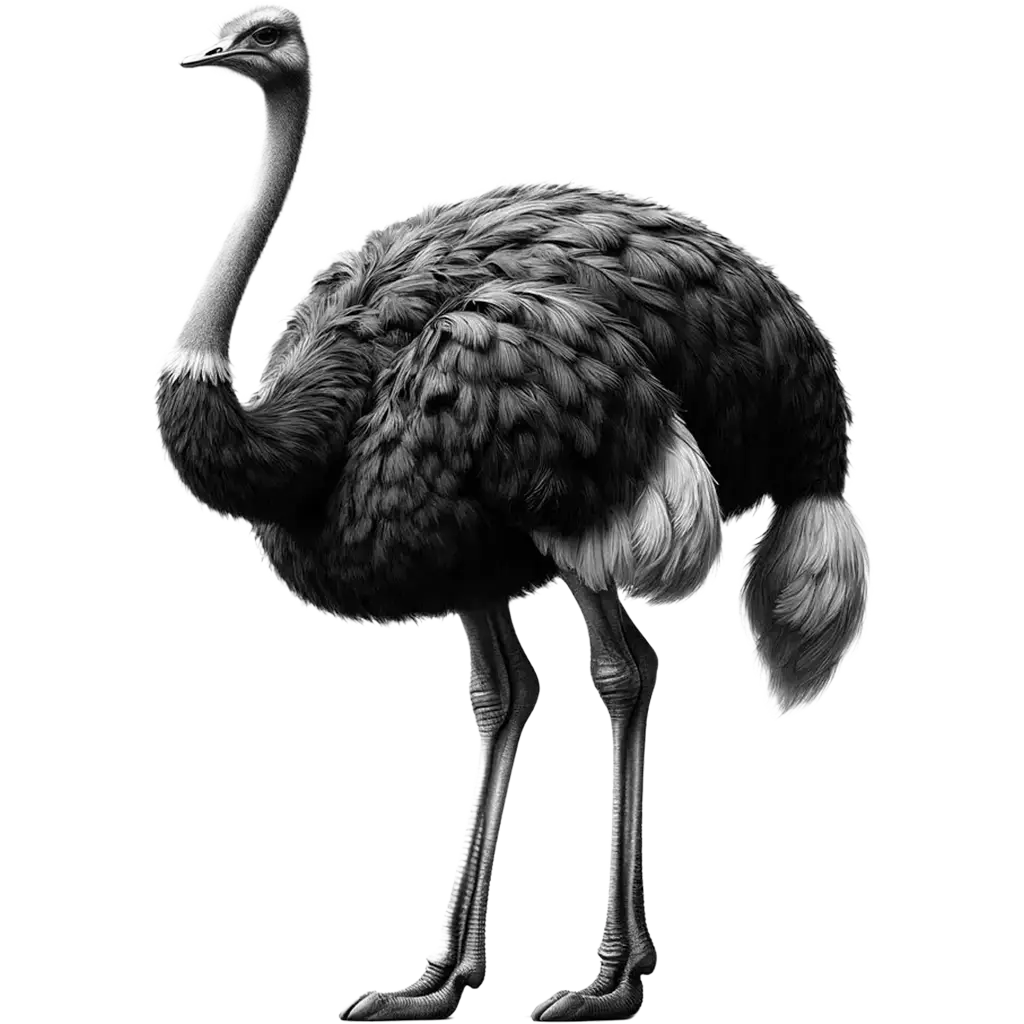
The Masai Ostrich, struthio camelus massaicus, is the East African subspecies of the common ostrich, distinguished by its unique coloration and size. Males possess a distinctive black and white plumage, with bright pink to red necks and thighs during the breeding season, signaling their readiness to mate. Females and juveniles

The Common Shelduck, tadorna tadorna, is a striking waterfowl known for its bold coloration and size, making it one of the more distinctive ducks found across Eurasia. Adults typically measure 58 to 67 cm in length, with a wingspan of 110 to 133 cm, positioning them between the sizes of

The Common Wood Pigeon, columba palumbus, is a large species of pigeon that is widespread across Europe, western Asia, and North Africa. It is easily recognizable by its size, measuring 38 to 44 cm in length and weighing between 300 to 600 grams, making it one of the larger pigeons