
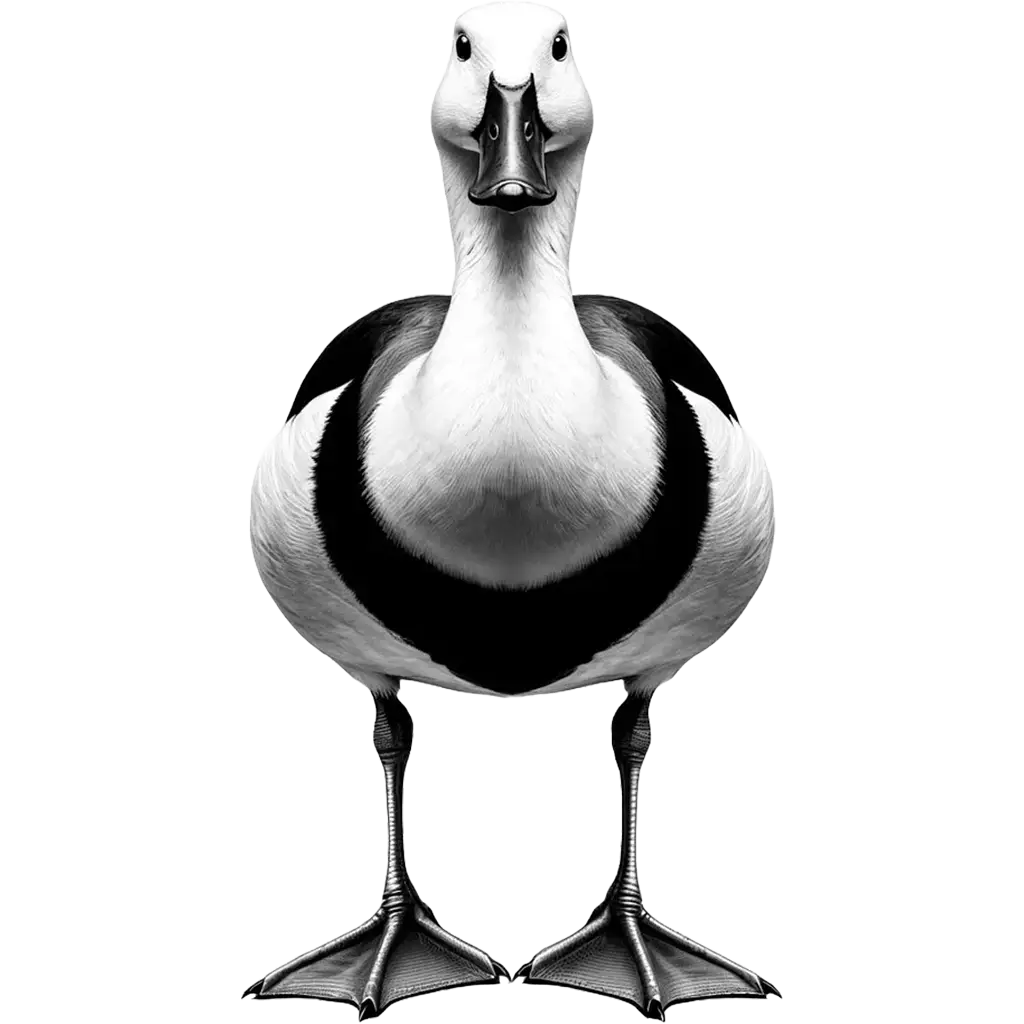
Tadorna Tadorna
Common Shelduck
Coastal wetlands, estuaries, large lakes, and rivers
The Common Shelduck, tadorna tadorna, is a striking waterfowl known for its bold coloration and size, making it one of the more distinctive ducks found across Eurasia. Adults typically measure 58 to 67 cm in length, with a wingspan of 110 to 133 cm, positioning them between the sizes of ducks and geese. The species exhibits sexual dimorphism; both sexes have bright red bills and prominent, chestnut-brown bands across their white bodies, but males can be identified by their larger size and the knob at the base of their bill during the breeding season. The head and neck of the male are glossy green-black, while the female's are a more subdued greyish-green.
| Population: | Listed as Least Concern, with stable and widespread populations |
| Generation Length: | 5 years |
| Average Weight: | 0.9-1.3 kg |
| Average Length: | 58-67 cm |
| Lifespan: | Up to 10-15 years in the wild |
| Diet: | Varied diet depending on available food sources in wetland habitats |
| Conservation Status: | Least Concern (LC) |
Common Shelducks favor coastal habitats, such as estuaries, tidal flats, and salt marshes, but they also inhabit inland wetlands near freshwater lakes and rivers. They are particularly noted for their preference for areas that offer both feeding opportunities in shallow waters and safe, elevated grounds for nesting, often utilizing old rabbit burrows or natural cavities.
The diet of the Common Shelduck primarily consists of mollusks, small crustaceans, aquatic insects, and occasionally small fish, which they forage for by dabbling and up-ending in shallow waters. Their feeding habits contribute to the ecological balance within their wetland habitats, controlling the populations of their prey species.
Reproduction for the Common Shelduck involves monogamous pairs that often return to the same nesting sites year after year. Females lay a clutch of 6 to 12 eggs in secluded nests, which are vigorously defended by both parents. The chicks are precocial and are led to water shortly after hatching, where they are taught to feed under the watchful eyes of their parents.
The population of the Common Shelduck is considered stable across its range, though it faces threats from habitat loss due to agricultural expansion, pollution, and disturbance from human activities. Conservation efforts focus on protecting and managing important wetland habitats, ensuring that these charismatic birds continue to thrive in their natural environments.
Classifications
The Key Attributes
Features
- Movement:
Flying, swimming, walking
- Territorial Behavior:
Territorial during breeding season
- Speed:
Strong and fast flier, good swimmer
- Diet:
Omnivore
- Physical Features:
- Boldly patterned with a white body and chestnut-brown band
- Dark green head with a white face
- Bright red bill and legs
- Long, broad wings and strong legs
- Primary Senses:
- Sight
- Hearing
Understanding Habitat and Range
Geography
- Habitat:
Coastal wetlands, estuaries, large lakes, and rivers
- Migration Patterns:
Partially migratory, with northern populations moving southwards in winter
- Geographical Range:
Europe, North Africa, and Asia; winters as far south as sub-Saharan Africa and the Indian subcontinent
- Climate Preferences:
Temperate regions, wintering in warmer climates
Navigating the Wilderness
In the wild
- Predators:
Foxes, large birds of prey, and humans
- Prey:
Includes mollusks, crustaceans, insects, and aquatic plants
- Feeding Behavior:
Feeds on mollusks, aquatic invertebrates, small fish, and plant material
- Diet:
Varied diet depending on available food sources in wetland habitats
- Defensive Mechanisms:
- Flight to escape predators
- Camouflage among vegetation and in water
- Preferred Food Sources:
- Mudflats, shallow waters, and areas with abundant aquatic invertebrates
Insights Into Reproduction
Mating
- Mating System:
Monogamous
- Number of Offspring:
6-12 eggs
- Incubation Period:
About 30 days
- Parental Involvement:
- Both parents involved in rearing the young, with the female primarily incubating the eggs
Youngsters Section
Common Shelduck
Fun Fact
Common Shelducks are known for their striking plumage, which includes a prominent chestnut band on their chest.
These medium-sized waterfowl are often found in coastal areas, mudflats, and estuaries. During breeding season, they use burrows and holes as nesting sites, often taking over old rabbit burrows. They engage in a unique behavior called "crèching," where offspring from several pairs are looked after by a few adults, creating large groups of ducklings.

Download word search puzzles
Word Search Puzzles
Check Out Other Birds
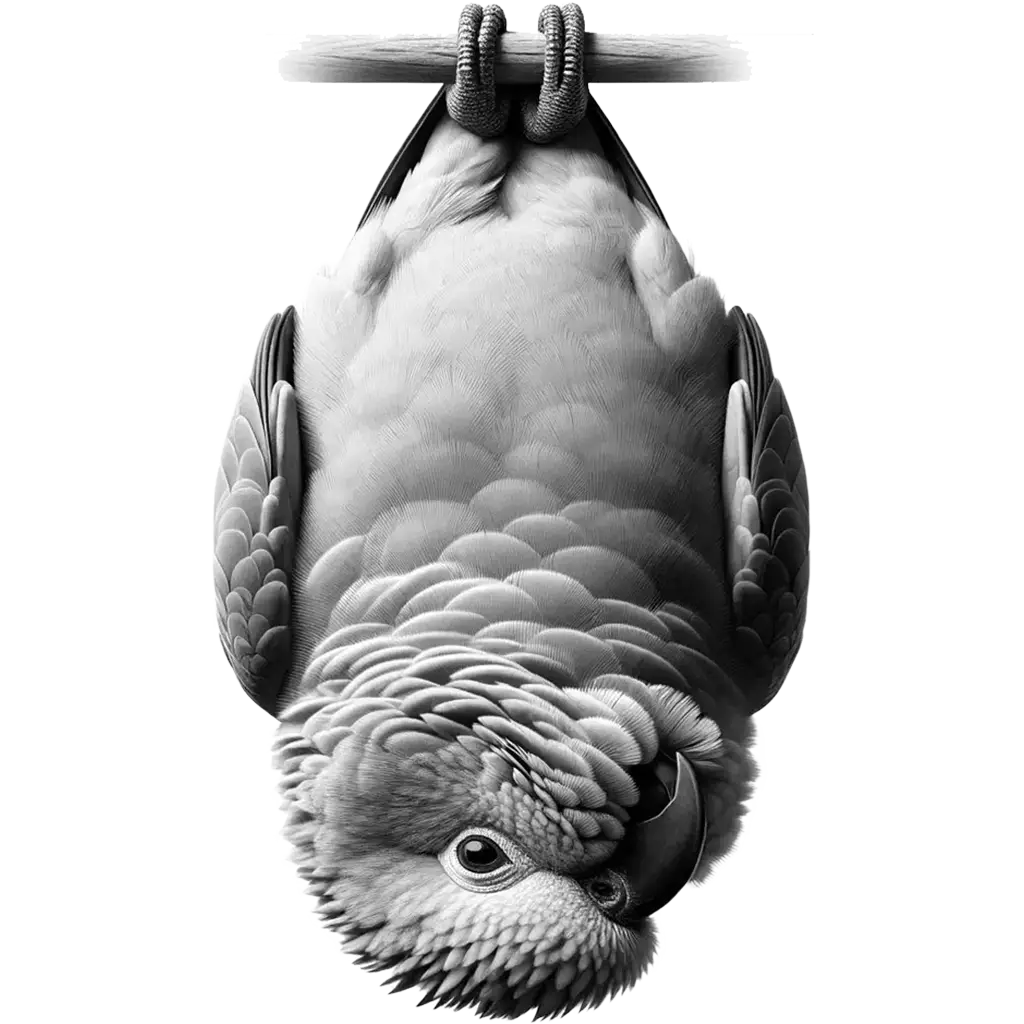
The Great Hanging Parrot, loriculus stigmatus, is a small, vibrant bird endemic to the islands of Sulawesi, Togian, Sula, and Banggai in Indonesia. This species is part of the Psittaculidae family, known for their ability to hang upside down while feeding or resting, a unique behavior from which their name

The Killdeer, charadrius vociferus, is a medium-sized plover known for its distinctive 'kill-deer' call from which it gets its name. Measuring approximately 20 to 25 cm in length, with a wingspan of 45 to 50 cm, the Killdeer is easily recognized by its brownish-tan back and white underbelly. A notable
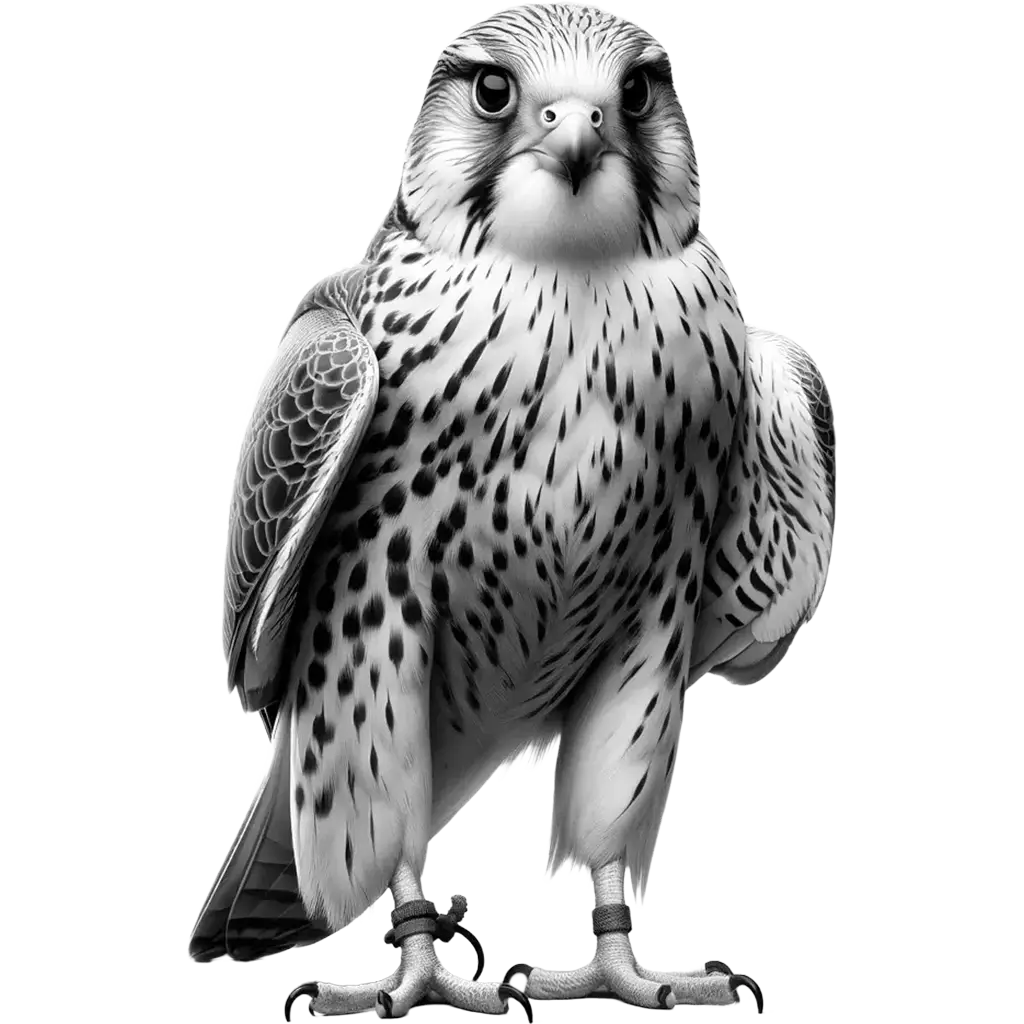
The Saker Falcon, falco cherrug, is a large, powerful bird of prey, renowned for its speed and agility in flight. It is one of the largest falcons, with adults typically measuring 47 to 55 cm in length and boasting a wingspan of 105 to 129 cm. The Saker Falcon's plumage
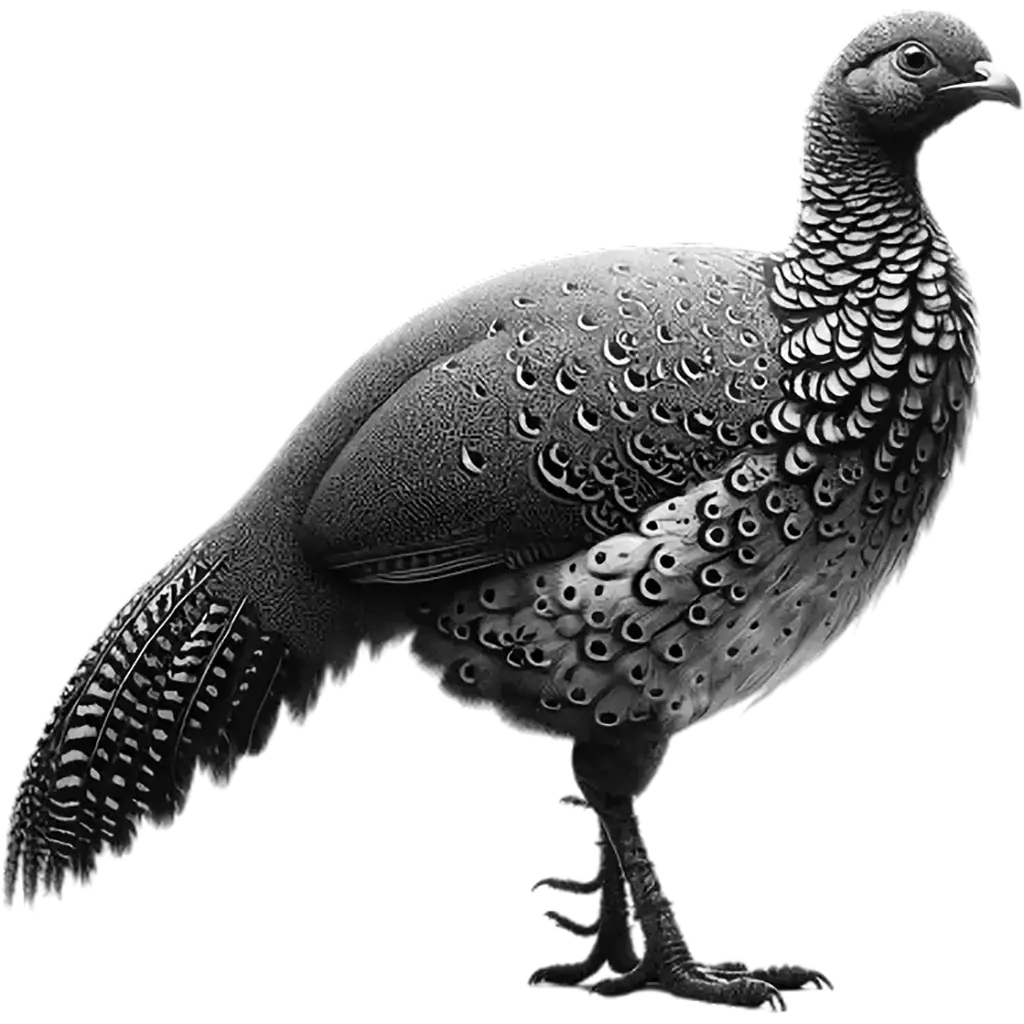
The Malayan Peacock-Pheasant, polyplectron malacense, is a stunning bird species native to the forests of Peninsular Malaysia. Characterized by its relatively small size, with males reaching about 50 to 65 cm in length including the tail, and weighing approximately 450 to 700 grams. The males are particularly noted for their