
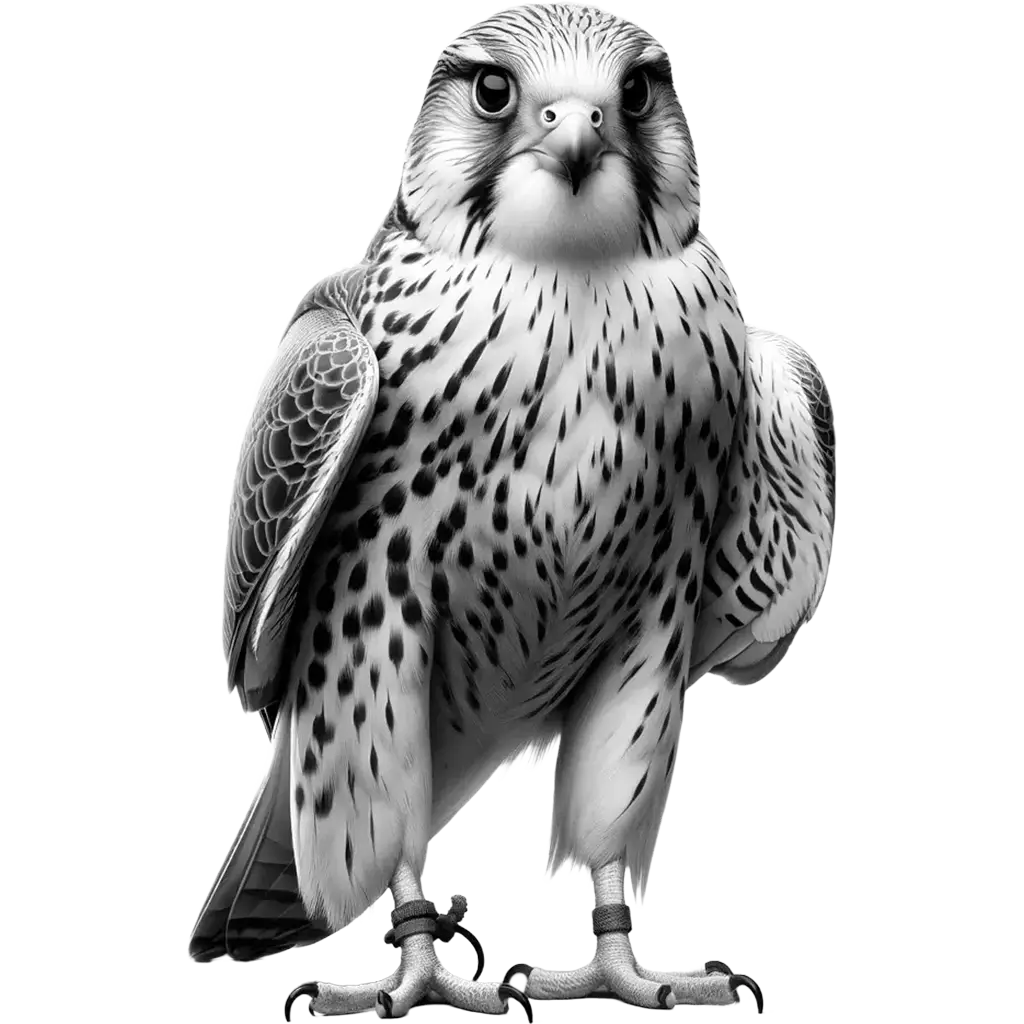
Falco Cherrug
Saker Falcon
Open grasslands, semi-desert areas, and steppes
The Saker Falcon, falco cherrug, is a large, powerful bird of prey, renowned for its speed and agility in flight. It is one of the largest falcons, with adults typically measuring 47 to 55 cm in length and boasting a wingspan of 105 to 129 cm. The Saker Falcon's plumage varies from a light brown to a darker, almost chocolate shade, with contrasting underparts that are streaked with dark bars. Its head is characterized by dark markings around the eyes, which enhance its keen, piercing gaze. This species exhibits strong, muscular legs and sharp talons, indicative of its predatory nature.
| Population: | Listed as Endangered, with decreasing populations |
| Generation Length: | 5-7 years |
| Average Weight: | 970-1,300 grams for males, 1,300-2,100 grams for females |
| Average Length: | 47-55 cm |
| Lifespan: | Up to 20 years in the wild |
| Diet: | Primarily birds and small mammals |
| Conservation Status: | Endangered (EN) |
Native to the open grasslands, semi-deserts, and steppes of Eastern Europe, Central Asia, and parts of the Middle East, the Saker Falcon prefers habitats that offer ample space for hunting. It is a highly adaptable bird, capable of nesting in a variety of locations, from cliffs to trees and even on artificial structures.
The diet of the Saker Falcon primarily consists of medium-sized birds and small mammals, which it captures in flight or on the ground. Its hunting technique showcases remarkable aerial maneuvers, including high-speed dives and chases, demonstrating its status as a formidable predator.
Reproduction for the Saker Falcon involves monogamous pairs that often return to the same nesting sites year after year. Nests are typically located on cliffs or in tall trees, where the female lays 3 to 5 eggs. Both parents share in incubating the eggs and feeding the young, with the chicks fledging approximately 6 to 8 weeks after hatching.
The population of the Saker Falcon is of significant concern, classified as Endangered due to habitat degradation, illegal trapping for the falconry trade, and secondary poisoning from pesticides. Conservation efforts are focused on habitat preservation, legal protection, and breeding programs aimed at boosting wild populations. The Saker Falcon is highly prized in falconry, contributing to its cultural and economic importance in many regions, which further underscores the need for comprehensive conservation strategies to ensure its survival.
Classifications
The Key Attributes
Features
- Movement:
Flying
- Territorial Behavior:
Territorial during breeding season
- Speed:
Fast and powerful flight, capable of high speeds during hunting dives
- Diet:
Carnivore
- Physical Features:
- Large, robust body with broad wings
- Strong, hooked beak for killing prey
- Sharp talons for gripping and carrying prey
- Sandy brown plumage with darker streaks and a white underbelly
- Primary Senses:
- Sight
- Hearing
Understanding Habitat and Range
Geography
- Habitat:
Open grasslands, semi-desert areas, and steppes
- Migration Patterns:
Partial migrant, with some populations moving south for winter
- Geographical Range:
Eastern Europe to Central Asia and Mongolia
- Climate Preferences:
Temperate to arid environments
Navigating the Wilderness
In the wild
- Predators:
Few natural predators due to size and strength, but eggs and nestlings may be at risk from other birds of prey
- Prey:
Birds, ground squirrels, hares, and other small mammals
- Feeding Behavior:
Feeds on medium-sized birds and mammals, catching them in flight or on the ground
- Diet:
Primarily birds and small mammals
- Defensive Mechanisms:
- Powerful flight and agility to escape threats
- Aggression and strength to defend territory and offspring
- Preferred Food Sources:
- Open landscapes with abundant prey populations
Insights Into Reproduction
Mating
- Mating System:
Monogamous
- Number of Offspring:
3-5 eggs
- Incubation Period:
27-31 days
- Parental Involvement:
- Both parents involved in nest building, incubation, and feeding the young
Youngsters Section
Saker Falcon
Fun Fact
Saker Falcons are one of the fastest birds, capable of reaching speeds up to 150 mph during a dive.
Renowned for their hunting prowess, they primarily prey on rodents and birds. These falcons are native to Eastern Europe and Asia, often inhabiting open landscapes like deserts and grasslands. They are also culturally significant in falconry, especially in the Middle East, where they are highly prized. Their adaptability and keen eyesight make them exceptional hunters in diverse environments.

Download word search puzzles
Word Search Puzzles


Check Out Other Birds
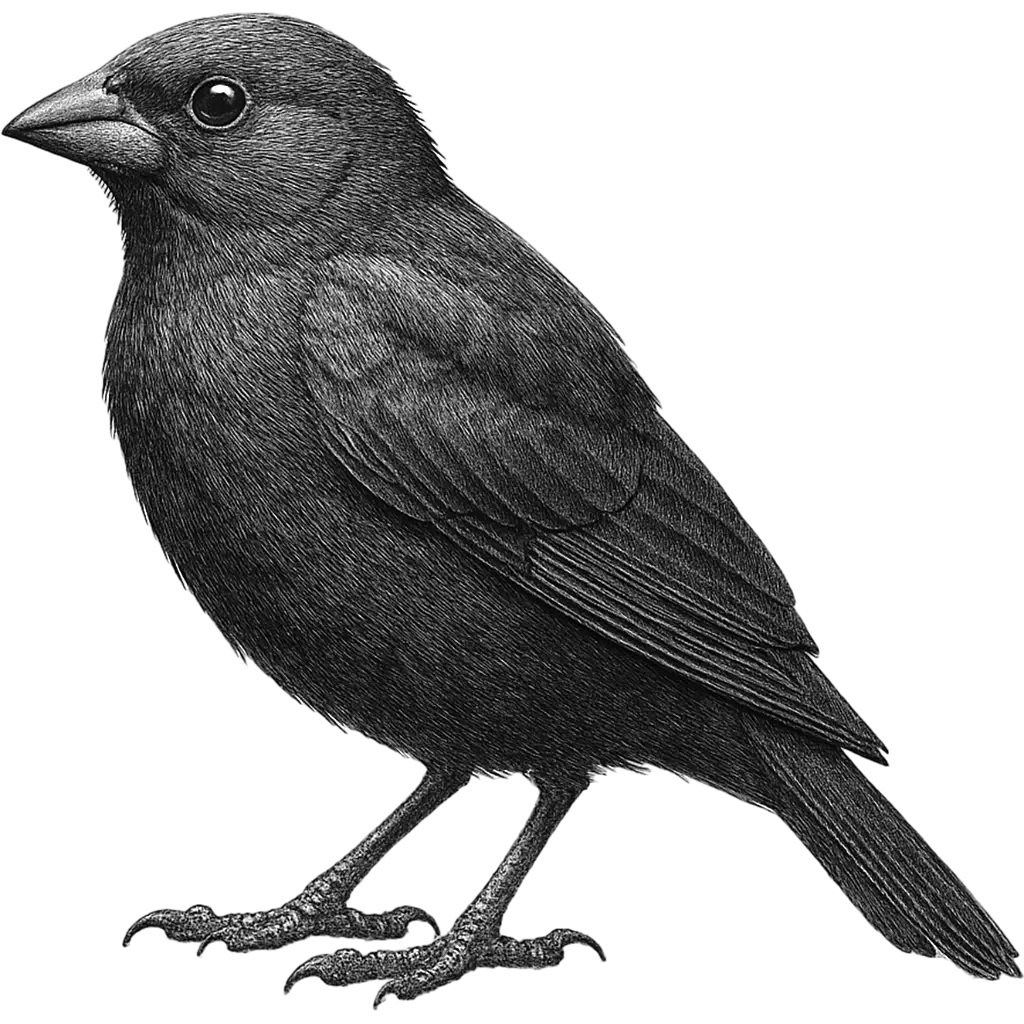
The Screaming Cowbird has glossy, mildly iridescent black plumage covering its head, back, and underparts, contrasted by distinct rufous underwing coverts visible in flight. Its slender body measures between 18 and 21 centimeters in length, supported by long, sturdy legs and black feet. The bird's short, conical bill is dark

The Grey-backed Tachuri is a diminutive bird, measuring approximately 9.5 to 10 centimeters in length and weighing around 6 grams. It features a gray crown with a subtle crest, a white supercilium (eyebrow line), and a white eye ring. Its upperparts are brownish-gray, while the underparts exhibit a pinkish-buff hue.
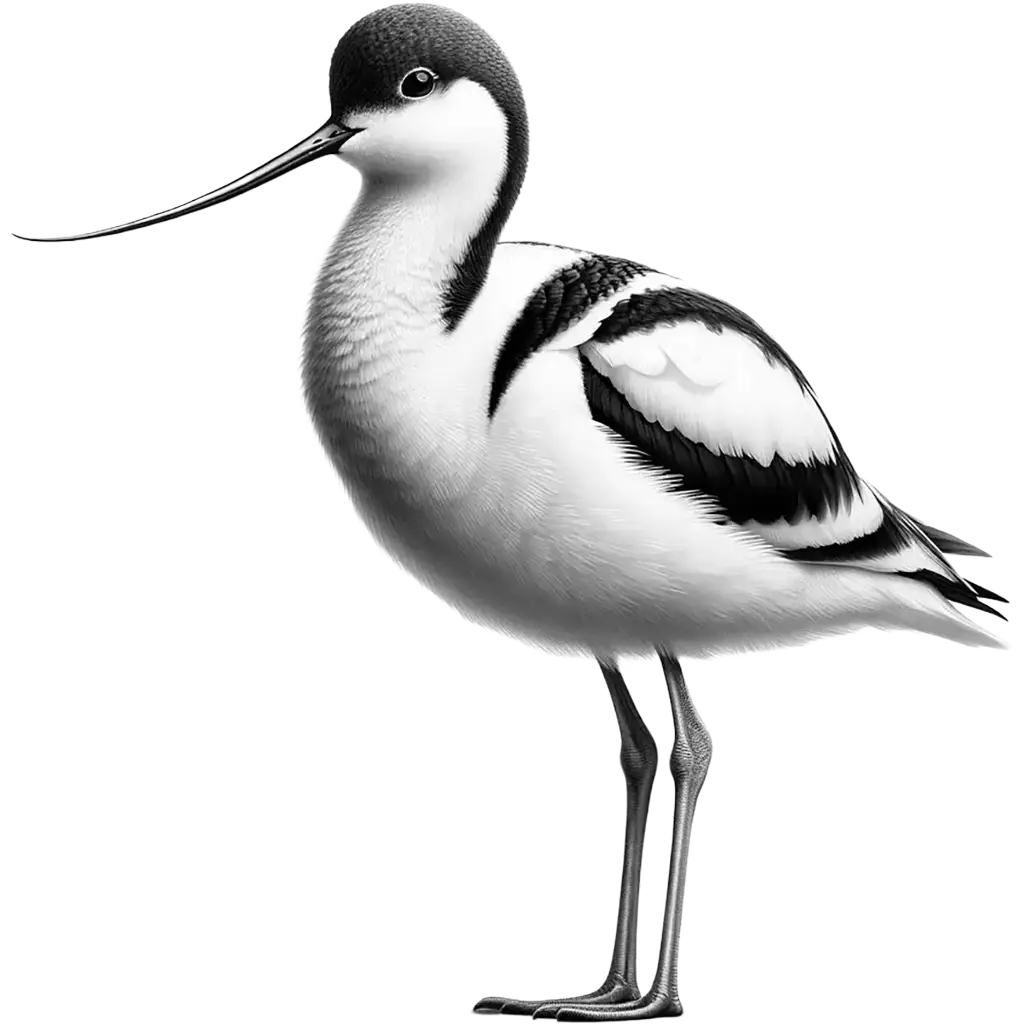
The Pied Avocet, recurvirostra avosetta, is a striking wading bird known for its elegant black and white plumage and distinctive upcurved bill. This bird typically measures about 42 to 45 cm in length, with a wingspan of 77 to 85 cm. Its long, thin legs are a pale blue, complementing
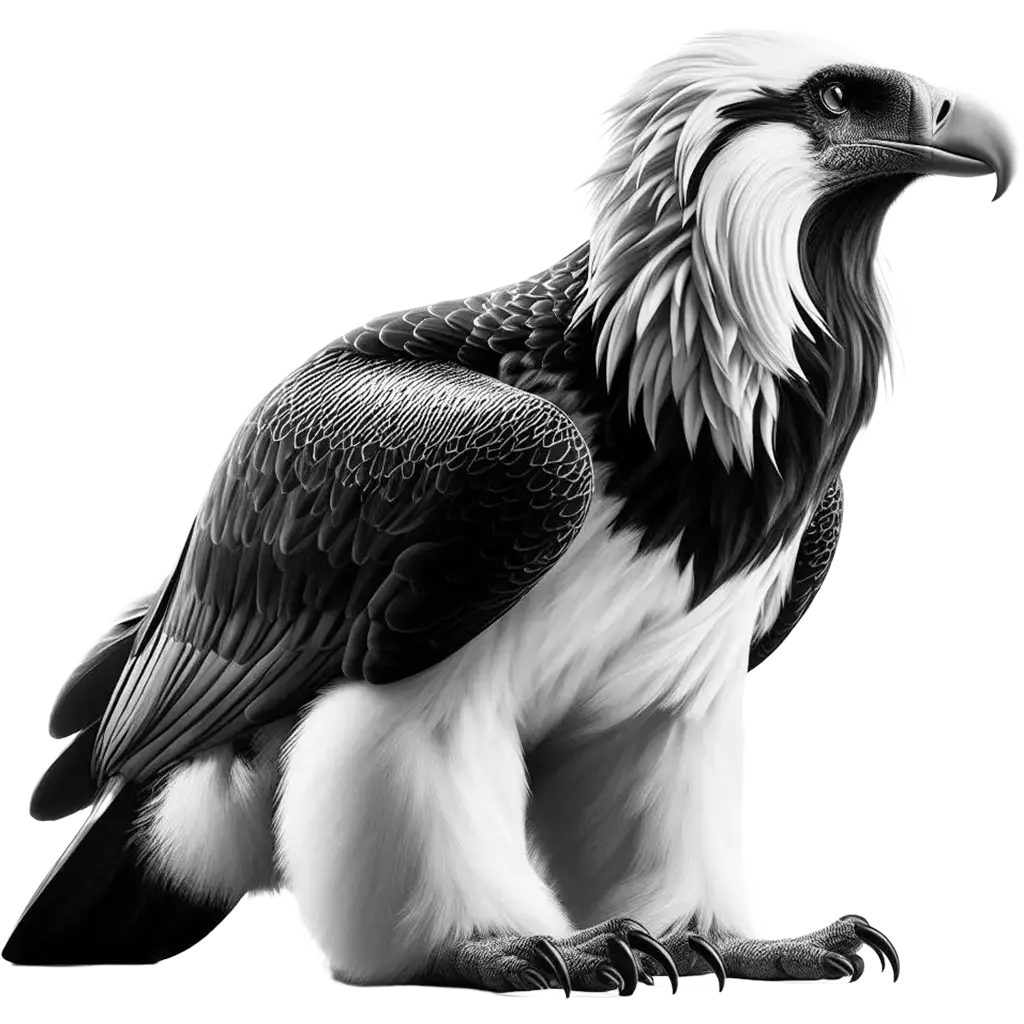
The Bearded Vulture, gypaetus barbatus, is a distinctive bird of prey, known for its striking appearance and unique dietary habits. This vulture has a wingspan of 2.3 to 2.8 meters (7.5 to 9.2 feet), making it one of the largest raptors. Its appearance is notable for the feathered neck ruff,