
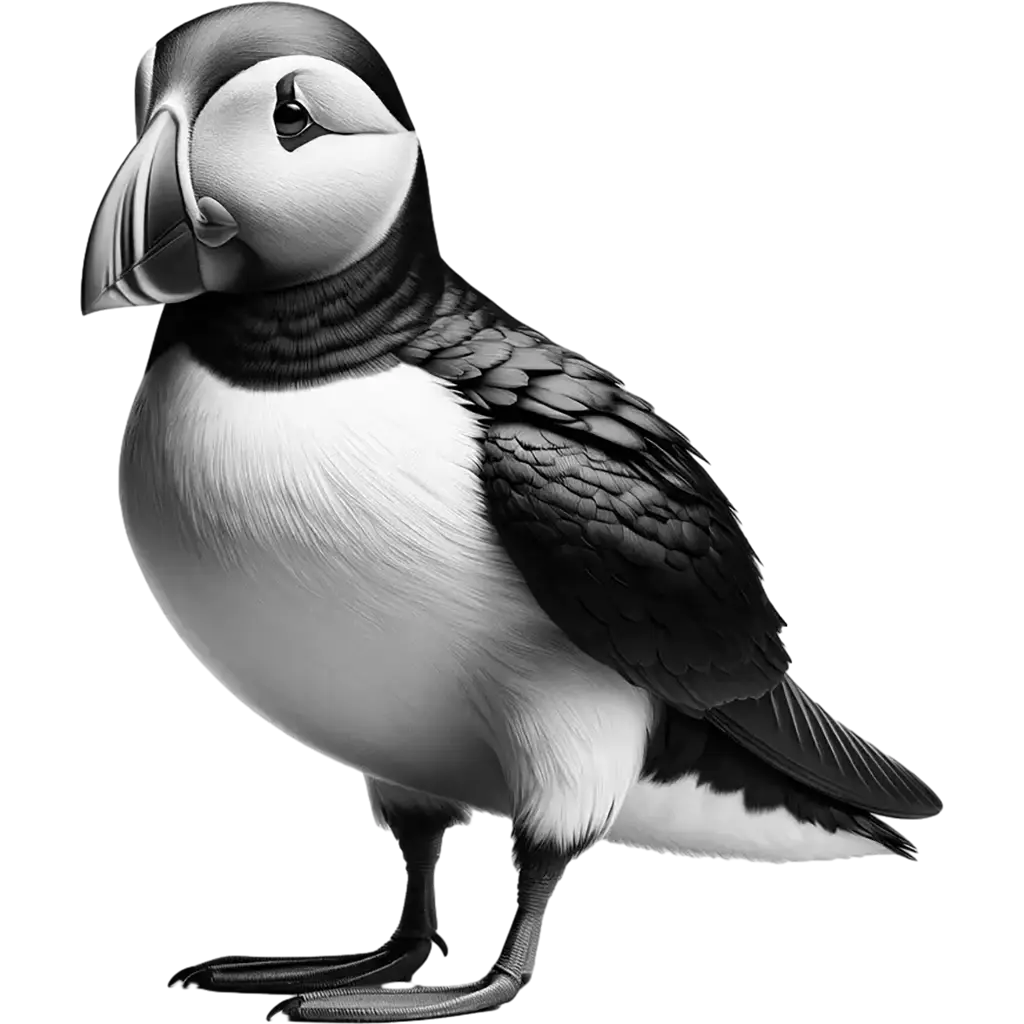
Fratercula Corniculata
Horned Puffin
Coastal cliffs and oceanic waters in the North Pacific
The Horned Puffin, fratercula corniculata, is a striking seabird known for its distinctive black and white plumage and large, colorful bill. Adults can reach about 20 cm in height and weigh approximately 500 grams, with a robust body suited for both flying and swimming. The species is named for the small, fleshy horn that protrudes above each eye during the breeding season, adding to its charismatic appearance. Their cheeks are white, contrasting with the black back, wings, and crown, while their bill is a bright mixture of yellow, orange, and red hues, making them one of the more visually captivating birds in their habitat.
| Population: | Listed as Least Concern but sensitive to environmental changes |
| Generation Length: | 5-6 years |
| Average Weight: | 500-600 grams |
| Average Length: | 35-40 cm |
| Lifespan: | Up to 20 years in the wild |
| Diet: | Primarily piscivorous, with a diet consisting mainly of small fish |
| Conservation Status: | Least Concern (LC) |
Horned Puffins are found across the North Pacific Ocean, from the coasts of Alaska and British Columbia, extending west to Siberia and south to California in their non-breeding season. They prefer rocky coastlines and islands, where they nest in crevices or burrows on steep cliffs. Highly adapted to a life at sea, they spend the majority of the year on the open ocean, coming ashore only to breed.
The diet of the Horned Puffin primarily consists of small fish, which they catch by diving and swimming underwater using their wings for propulsion. Their large bills allow them to carry several fish at once, which is essential for feeding their chicks during the breeding season. This piscivorous diet plays a crucial role in the marine food web, controlling fish populations and linking marine and terrestrial ecosystems.
Reproduction for Horned Puffins involves returning to the same breeding sites each year, where pairs reunite to raise a single chick. They lay their eggs in burrows or crevices lined with feathers and vegetation. Both parents share the duties of incubating the egg and feeding the chick, demonstrating a high level of parental care which is vital for the survival of the offspring.
The population of the Horned Puffin is considered stable, though they face threats from oil spills, overfishing, and climate change, which can affect their food sources and breeding habitats. Conservation efforts are focused on protecting their breeding sites and ensuring sustainable fish populations. The Horned Puffin's unique appearance and behaviors make it a beloved species among birdwatchers and conservationists, symbolizing the wild beauty of the northern Pacific coastlines.
Classifications
The Key Attributes
Features
- Movement:
Flying, swimming
- Territorial Behavior:
Breeds in colonies on cliff sides
- Speed:
Capable of fast flight; excellent swimmer using wings for propulsion underwater
- Diet:
Carnivore
- Physical Features:
- Stocky build with a black back and white underside
- Distinctive large, colorful bill and ornamental 'horn' above eyes during breeding season
- Webbed feet for swimming
- Short wings adapted for swimming under water
- Primary Senses:
- Sight
- Hearing
Understanding Habitat and Range
Geography
- Habitat:
Coastal cliffs and oceanic waters in the North Pacific
- Migration Patterns:
Migratory, moving offshore outside the breeding season
- Geographical Range:
Coasts of Alaska, Canada, Russia, and potentially northern Japan
- Climate Preferences:
Cold sea climates
Navigating the Wilderness
In the wild
- Predators:
Large birds, foxes, and rats on breeding grounds
- Prey:
Small fish, squid, and crustaceans
- Feeding Behavior:
Dives to catch fish and marine invertebrates, using wings to swim underwater
- Diet:
Primarily piscivorous, with a diet consisting mainly of small fish
- Defensive Mechanisms:
- Nesting in inaccessible cliff areas to avoid predators
- Swimming and diving to evade underwater predators
- Preferred Food Sources:
- Cold ocean waters rich in fish and invertebrates
Insights Into Reproduction
Mating
- Mating System:
Monogamous
- Number of Offspring:
Usually one egg
- Incubation Period:
About 40-45 days
- Parental Involvement:
- Both parents share in incubation and feeding of the chick
Youngsters Section
Horned Puffin
Fun Fact
Horned Puffins are known for their striking appearance, with a colorful beak and distinct "horn" above each eye.
These seabirds are excellent divers, using their wings to swim underwater in search of fish. During breeding season, they nest on rocky cliffs in colonies. Their eye-catching beak colors fade during winter, but return in spring with vivid shades, enhancing their appeal. Horned Puffins can be found in the North Pacific, from Alaska to Siberia.

Download word search puzzles
Word Search Puzzles
Check Out Other Birds
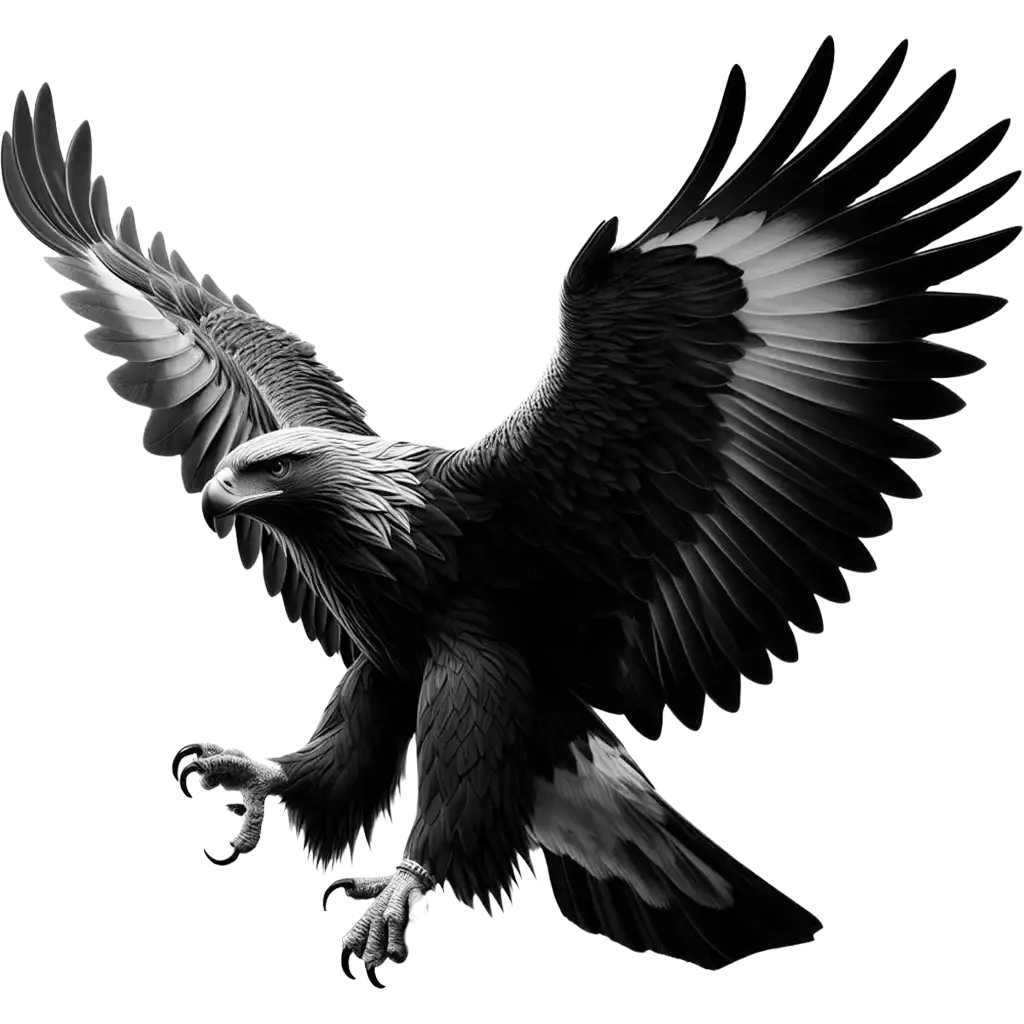
The Golden Eagle, aquila chrysaetos, is one of the most powerful birds of prey in the Northern Hemisphere, admired for its strength, speed, and majestic beauty. Adults typically exhibit a wingspan ranging from 1.8 to 2.3 meters (6 to 7.5 feet), making them formidable hunters in their natural habitats. The
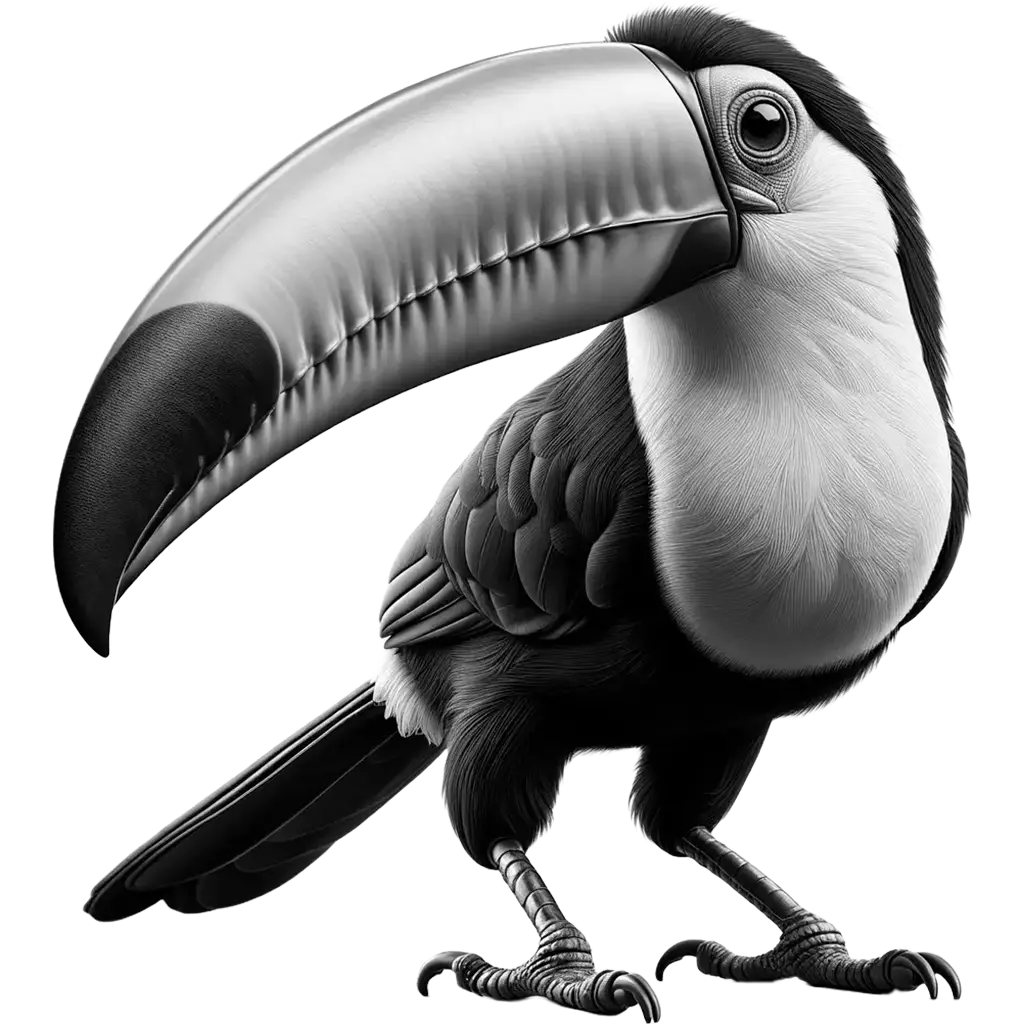
The Channel-Billed Toucan, ramphastos vitellinus, is a vibrant and charismatic bird native to Trinidad and the northern regions of South America, including Venezuela, Guyana, Suriname, French Guiana, and northern Brazil. Recognizable by its large, colorful bill, which can measure up to 14 centimeters in length, this species boasts a striking
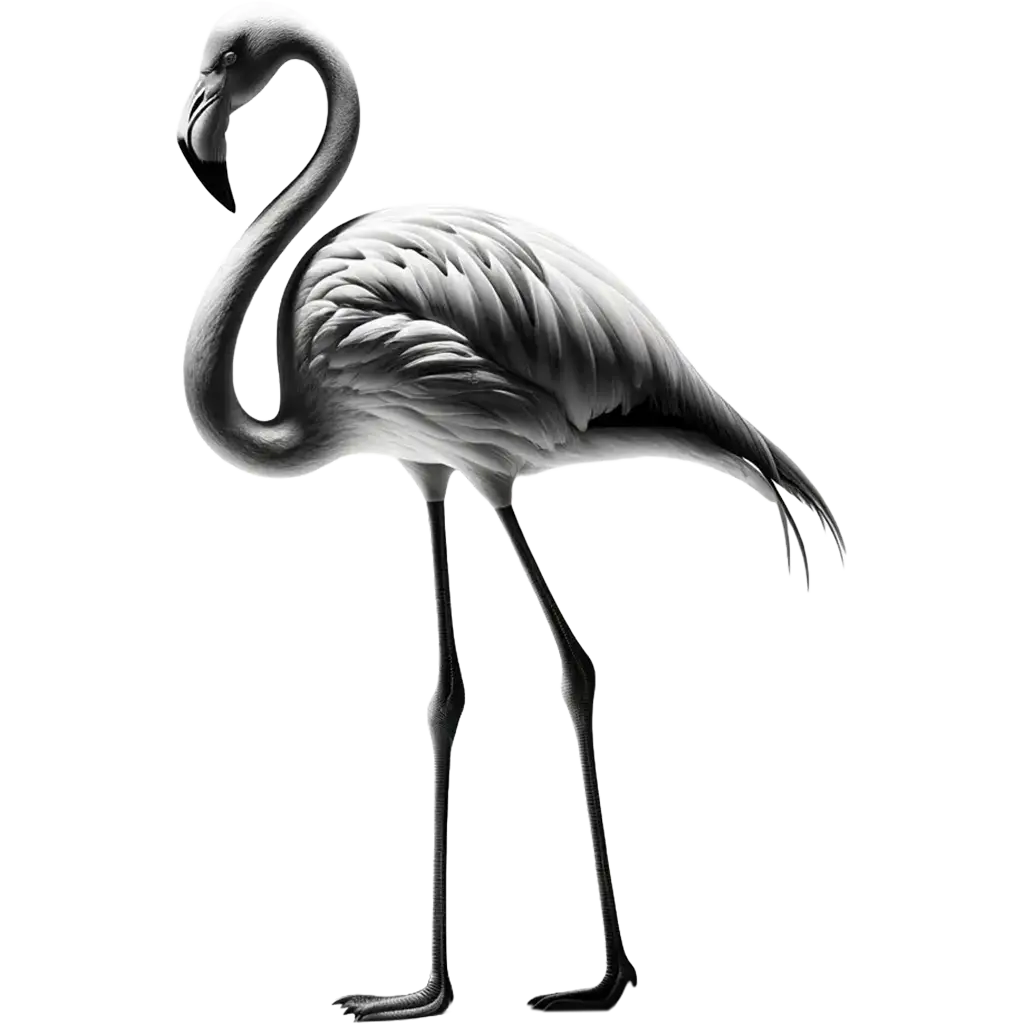
The American Flamingo, phoenicopterus ruber, is a vibrant bird known for its striking pink feathers, long, lean legs, and distinctive downward-bending beak. This species stands tall, reaching heights of up to 1.2 to 1.45 meters. The intensity of their pink coloration, which ranges from light pink to a more intense
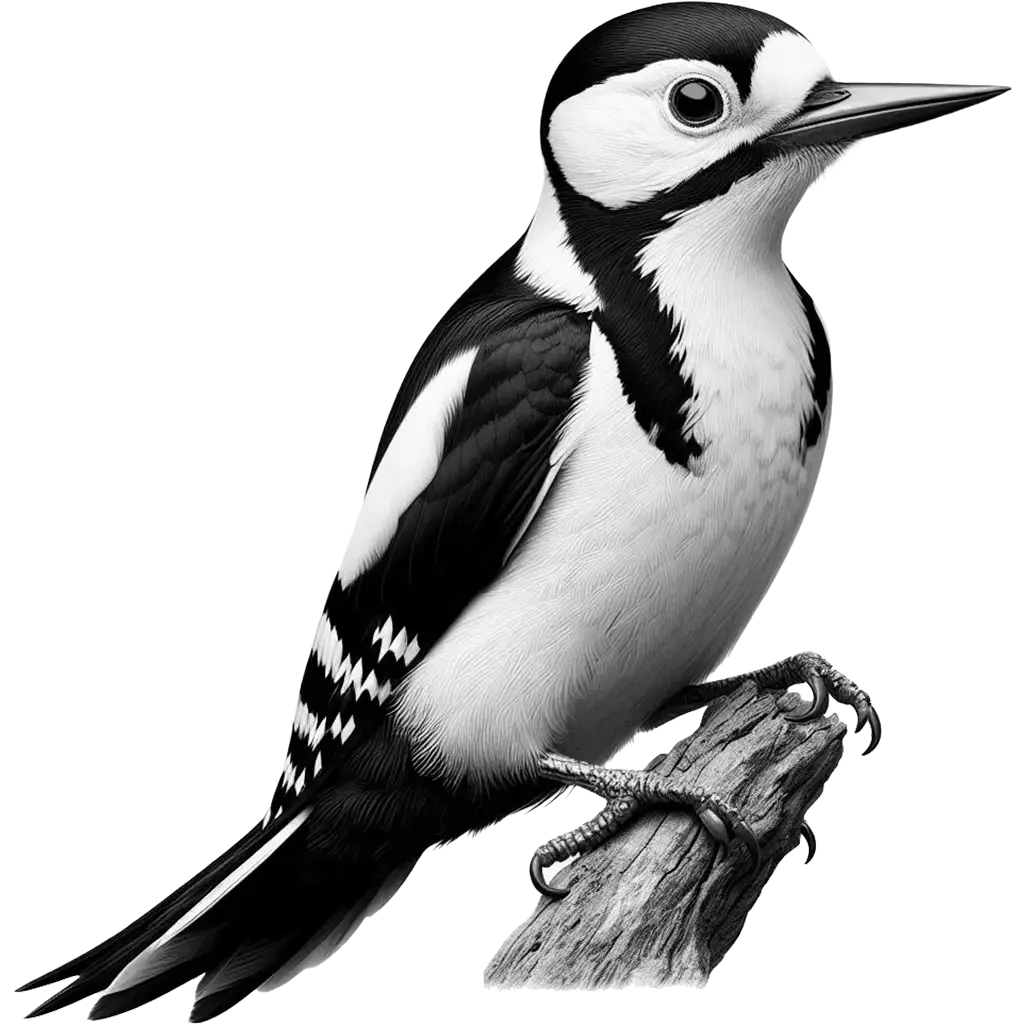
The European Green Woodpecker, picus viridis, is a large, vibrant bird native to the broadleaf forests across Europe and parts of western Asia. This species is distinguished by its bright green plumage, contrasting with a red crown in males and a black moustachial stripe, which is red in males and