
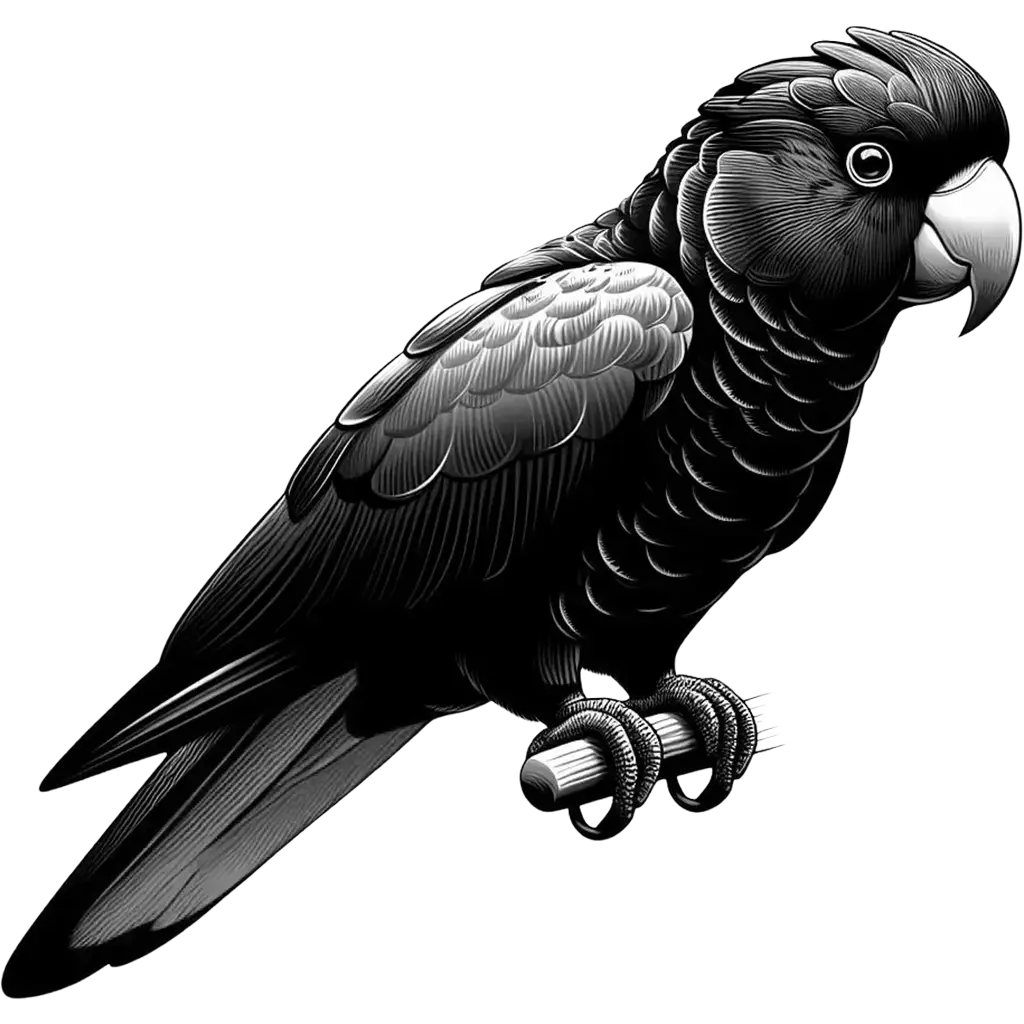
Calyptorhynchus Banksii
Red-Tailed Black Cockatoo
Woodlands, forests, and savannahs
The Red-Tailed Black Cockatoo, calyptorhynchus banksii, is a large, striking bird native to Australia, known for its glossy black plumage and distinctive red tail panels. Adult males boast a bold black color with a bright red band across the tail feathers, while females and juveniles display a more varied plumage with spots of yellow and orange and bands of color on the tail, making them one of the more sexually dimorphic bird species. These cockatoos can reach up to 60 cm in length, with their robust beaks and strong legs, they are well-adapted to their environment. Their loud, distinctive calls can be heard over long distances, serving as communication between individuals and flocks.
| Population: | Listed as Least Concern, but some subspecies are threatened or endangered |
| Generation Length: | 7-8 years |
| Average Weight: | 570-870 grams |
| Average Length: | 55-65 cm |
| Lifespan: | Up to 50 years in the wild |
| Diet: | Mainly granivorous, with a strong preference for eucalyptus seeds and nuts |
| Conservation Status: | Least Concern (LC) |
Red-Tailed Black Cockatoos inhabit a variety of woodland, forest, and savannah environments across Australia. They are particularly associated with areas that contain large, old trees with hollows, which are essential for their nesting sites. These birds are social and can often be seen in small groups or pairs, though larger flocks may gather where food is abundant.
The diet of the Red-Tailed Black Cockatoo primarily consists of seeds from native trees, including eucalypts, acacias, and banksias. They are known for their ability to use their strong beaks to crack open tough seed pods, allowing them access to food sources that are unavailable to other species. This dietary preference has significant implications for the dispersal and germination of seeds, contributing to the health and regeneration of their habitats.
Reproduction in the Red-Tailed Black Cockatoo involves a lengthy breeding season, with pairs forming strong bonds. Females lay a single egg in a tree hollow, which is then incubated for about 30 days. The young cockatoo, which is fed by both parents, remains in the nest for up to three months before fledging. The slow breeding rate and reliance on large, old trees for nesting make their populations vulnerable to habitat loss and degradation.
The population of the Red-Tailed Black Cockatoo is of concern due to habitat destruction, land clearing for agriculture, and illegal trapping for the pet trade. Conservation efforts are focused on habitat protection, reforestation, and the management of existing woodlands to ensure the survival of this iconic Australian species. Their presence in the wild is a reminder of the need to protect and conserve the natural environments that support Australia's unique wildlife.
Classifications
The Key Attributes
Features
- Movement:
Flying, climbing
- Territorial Behavior:
Can be territorial, often found in pairs or small family groups
- Speed:
Strong and direct flight
- Diet:
Herbivore
- Physical Features:
- Large size with striking black plumage and bright red tail feathers
- Strong beak for cracking nuts and seeds
- Crested head
- Robust legs and zygodactyl feet for grasping and climbing
- Primary Senses:
- Sight
- Hearing
- Touch
Understanding Habitat and Range
Geography
- Habitat:
Woodlands, forests, and savannahs
- Migration Patterns:
Non-migratory, but may move locally in search of food
- Geographical Range:
Australia, primarily in the northern and eastern regions
- Climate Preferences:
Prefers regions with a range of woodland and forest habitats
Navigating the Wilderness
In the wild
- Predators:
Large birds of prey and mammals
- Prey:
Seeds, nuts, fruits, and occasionally insects
- Feeding Behavior:
Feeds primarily on seeds, particularly eucalyptus, as well as nuts, fruits, and insects
- Diet:
Mainly granivorous, with a strong preference for eucalyptus seeds and nuts
- Defensive Mechanisms:
- Strong flight to escape predators
- Powerful beak and claws for defense
- Preferred Food Sources:
- Eucalyptus woodlands and forests with abundant seed sources
Insights Into Reproduction
Mating
- Mating System:
Monogamous
- Number of Offspring:
1-2 eggs
- Incubation Period:
About 29-30 days
- Parental Involvement:
- Both parents care for the young, with the male often guarding the nest
Youngsters Section
Red-Tailed Black Cockatoo
Fun Fact
Red-tailed Black Cockatoos are known for their striking red tail feathers and powerful beaks.
These intelligent birds are native to Australia and are often seen in eucalyptus forests. They are social creatures, living in small flocks. During breeding season, they form monogamous pairs. Their diet mainly consists of seeds, nuts, and fruits.

Download word search puzzles
Word Search Puzzles
Check Out Other Birds
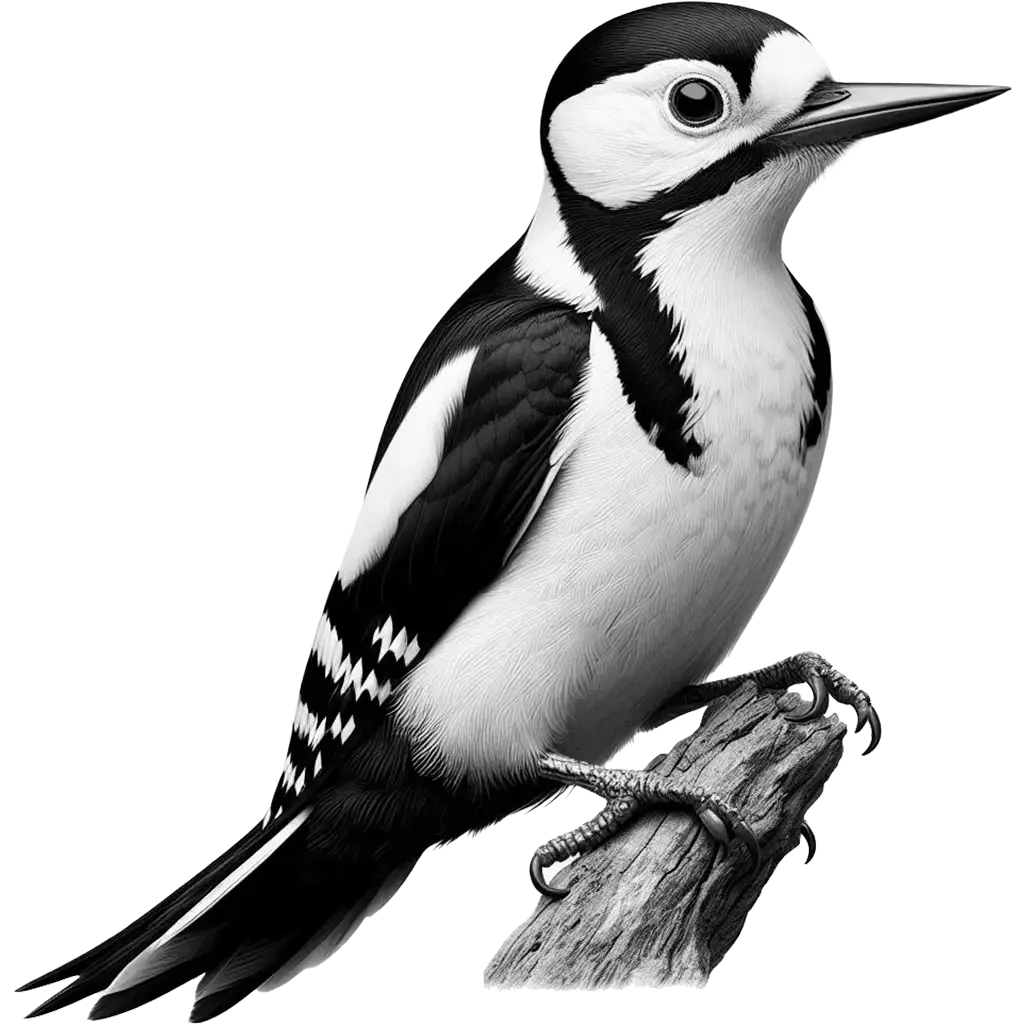
The European Green Woodpecker, picus viridis, is a large, vibrant bird native to the broadleaf forests across Europe and parts of western Asia. This species is distinguished by its bright green plumage, contrasting with a red crown in males and a black moustachial stripe, which is red in males and
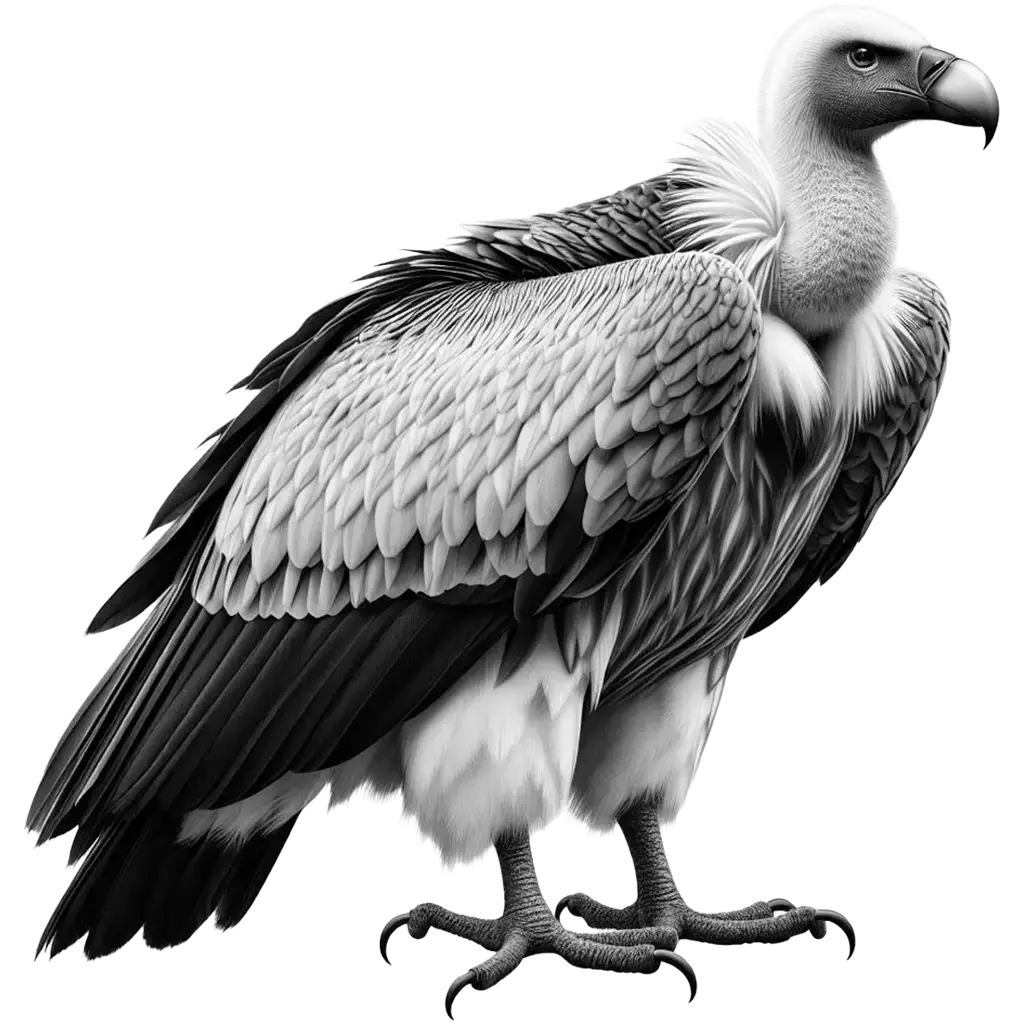
The Eurasian Griffon Vulture, gyps fulvus, is a majestic bird of prey, known for its impressive size and soaring flight. This species is one of the larger vultures, with a wingspan ranging from 230 to 280 centimeters (7.5 to 9.2 feet), and weighs between 6 to 11 kilograms (13 to
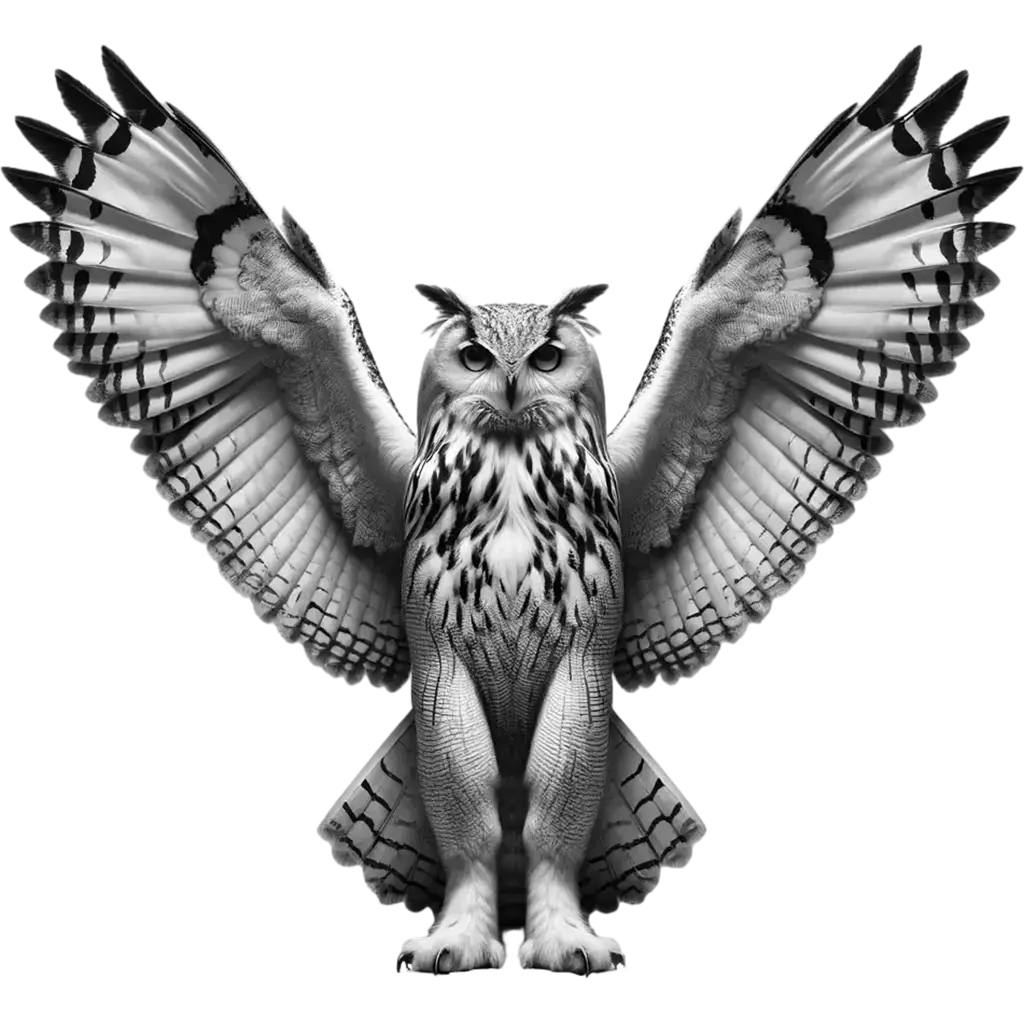
The Eurasian Eagle-Owl, bubo bubo, is one of the largest and most powerful owl species, with a widespread distribution across Europe, Asia, and parts of North Africa. This majestic bird is notable for its large size, with a wingspan that can reach up to 2 meters (6.6 feet), and a
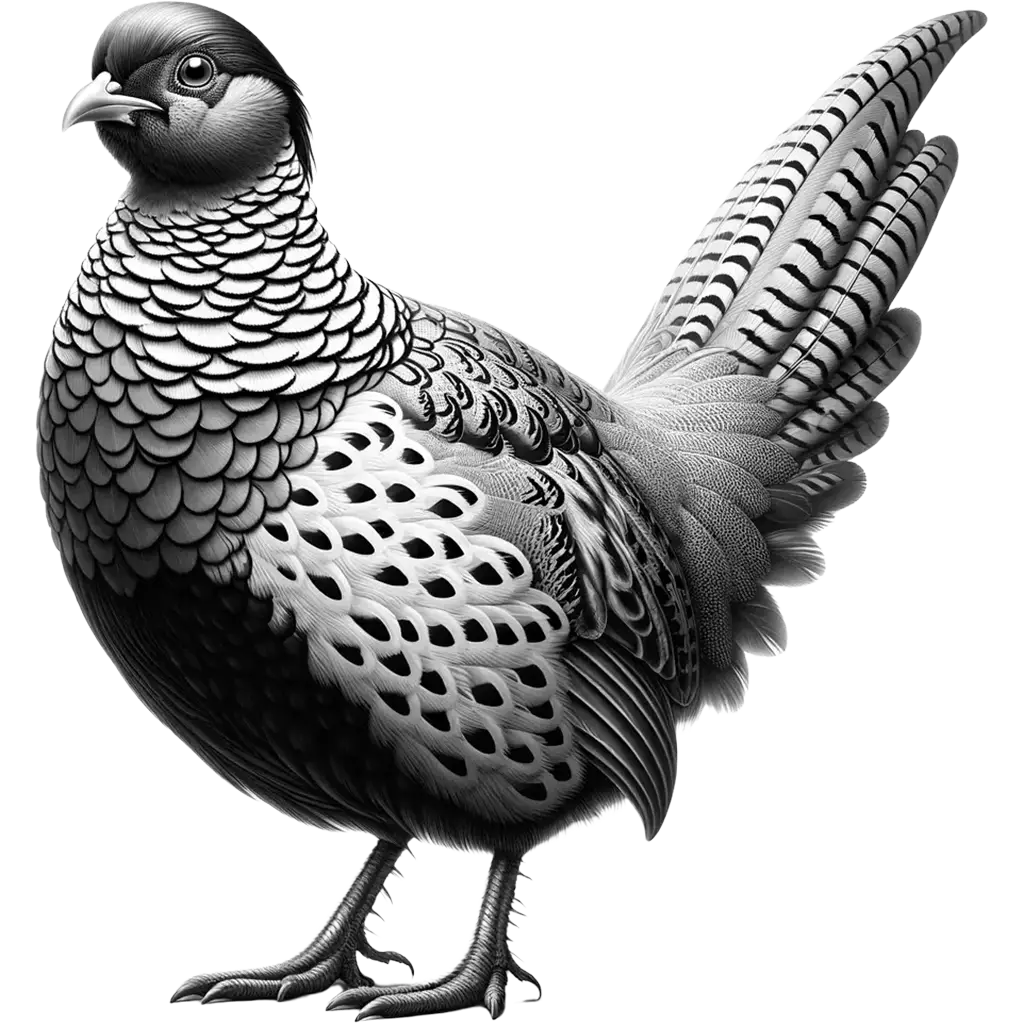
The Reeves's Pheasant, syrmaticus reevesii, is a magnificent bird known for its extraordinary tail length and striking plumage. Males are particularly notable, with tails that can reach up to 2.4 meters in length, making them one of the longest-tailed pheasants in the world. The male's plumage is a vibrant mix