
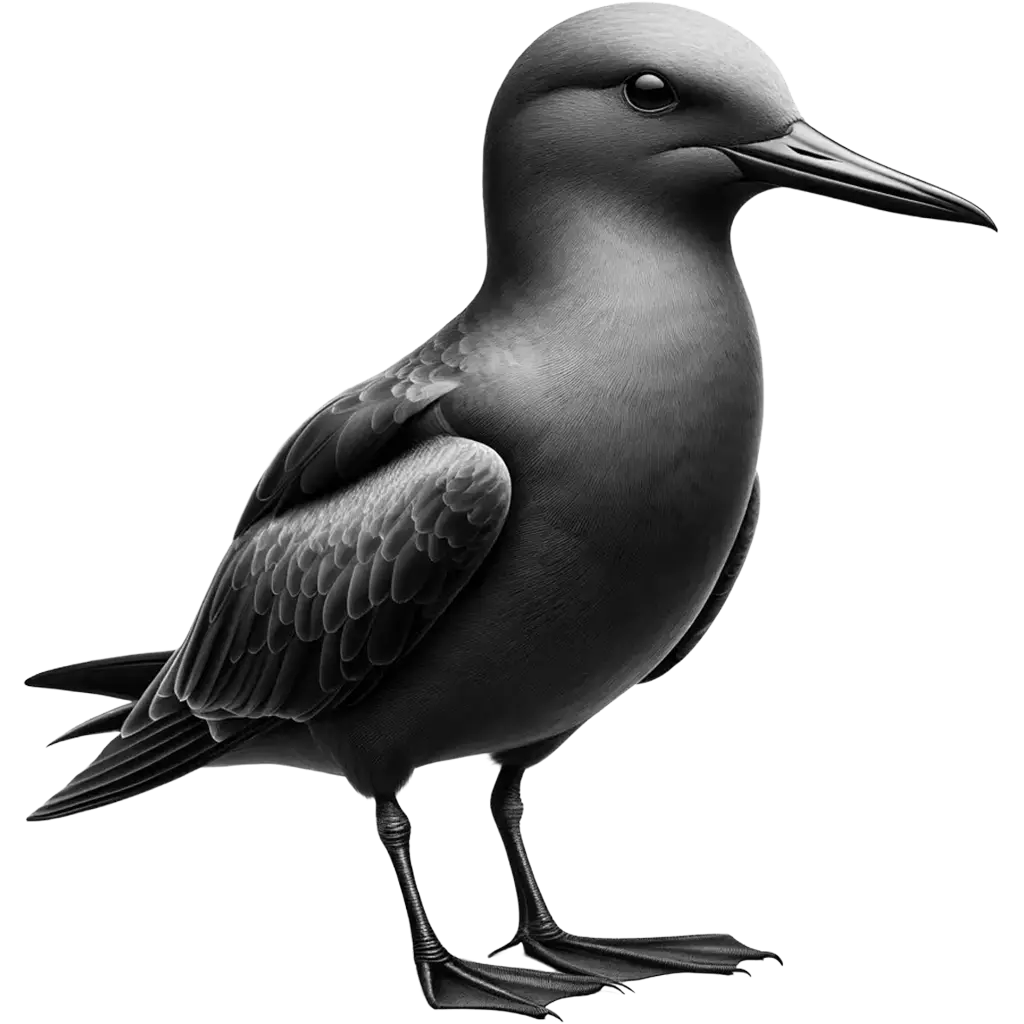
Anous Minutus
Black Noddy
Tropical and subtropical seas, nesting on rocky cliffs and sandy beaches of islands
The Black Noddy, anous minutus, is a medium-sized seabird with a distinctive appearance, characterized by its dark plumage, white cap, and a straight, slender bill. Adults typically measure 37 to 45 cm in length, with a wingspan ranging from 65 to 70 cm. Their body is predominantly sooty brown to black, contrasting sharply with the white cap on their head, which becomes more pronounced during the breeding season. The Black Noddy's angular wings and forked tail enable agile flight over ocean waters, where they are often seen skimming the surface for food.
| Population: | Listed as Least Concern, with stable populations |
| Generation Length: | 4-5 years |
| Average Weight: | 100-120 grams |
| Average Length: | 30-35 cm |
| Lifespan: | Up to 20 years in the wild |
| Diet: | Piscivorous, with a diet mainly consisting of small sea creatures |
| Conservation Status: | Least Concern (LC) |
Native to tropical and subtropical regions across the Pacific and Atlantic Oceans, Black Noddies are commonly found in coastal areas, on islands, and atolls. They are highly social birds, nesting in large colonies on cliffs or in trees close to the sea. These colonies provide safety in numbers from predators and a communal environment for raising their young.
The diet of the Black Noddy consists mainly of small fish and squid, which they catch by dipping into the water while flying or by surface seizing. They often feed in groups, sometimes associating with other seabirds or marine predators to take advantage of fish driven to the surface. This feeding strategy highlights their adaptability and opportunistic nature.
Reproduction for Black Noddies involves building nests in trees, bushes, or on cliff ledges, where they lay a single egg. Both parents share the responsibilities of incubating the egg and feeding the chick once it hatches. The strong pair bonds and cooperative parenting are crucial for the survival of their offspring in the challenging marine environment.
The population of the Black Noddy is considered stable, although they face threats from habitat destruction, climate change, and human disturbances, especially in their nesting areas. Conservation efforts are focused on protecting nesting sites, monitoring populations, and mitigating human impacts on their habitats. The Black Noddy's role in the marine ecosystem as a predator of small fish and squid underscores the interconnectedness of marine life and the importance of conserving seabird populations.
Classifications
The Key Attributes
Features
- Movement:
Flying, swimming
- Territorial Behavior:
Colonial, nesting in large groups on offshore islands
- Speed:
Fast and agile fliers, adept at maneuvering over water
- Diet:
Carnivore
- Physical Features:
- Sooty black body with a distinctive white cap
- Sharp, pointed wings and a deeply forked tail
- Straight, sharp bill for catching prey
- Webbed feet for swimming
- Primary Senses:
- Sight
Understanding Habitat and Range
Geography
- Habitat:
Tropical and subtropical seas, nesting on rocky cliffs and sandy beaches of islands
- Migration Patterns:
Some populations are migratory, moving with oceanic conditions and food availability
- Geographical Range:
Widespread across the Pacific and Atlantic Oceans, including the Caribbean and parts of Australia
- Climate Preferences:
Prefers warm oceanic environments
Navigating the Wilderness
In the wild
- Predators:
Seabirds of prey, rats, and cats on nesting islands
- Prey:
Small fish, squid, and crustaceans
- Feeding Behavior:
Feeds on small fish and squid by plunge-diving and surface seizing
- Diet:
Piscivorous, with a diet mainly consisting of small sea creatures
- Defensive Mechanisms:
- Nesting in large colonies to reduce individual predation risk
- Agility in flight to escape from aerial predators
- Preferred Food Sources:
- Coastal waters rich in fish and squid populations
Insights Into Reproduction
Mating
- Mating System:
Monogamous, with pair bonds often lasting many years
- Number of Offspring:
Usually one egg per breeding season
- Incubation Period:
About 35-40 days
- Parental Involvement:
- Both parents share in incubating the egg and feeding the chick
Youngsters Section
Black Noddy
Fun Fact
The Black Noddy is a small seabird found in tropical oceans, known for its striking dark plumage.
These birds often nest in large colonies on remote islands, using trees or cliffs for their nests. They primarily feed on small fish and squid, which they catch by dipping their bills into the water while flying. Their social nature and unique nesting habits make them a fascinating species to observe.

Download word search puzzles
Word Search Puzzles
Check Out Other Birds
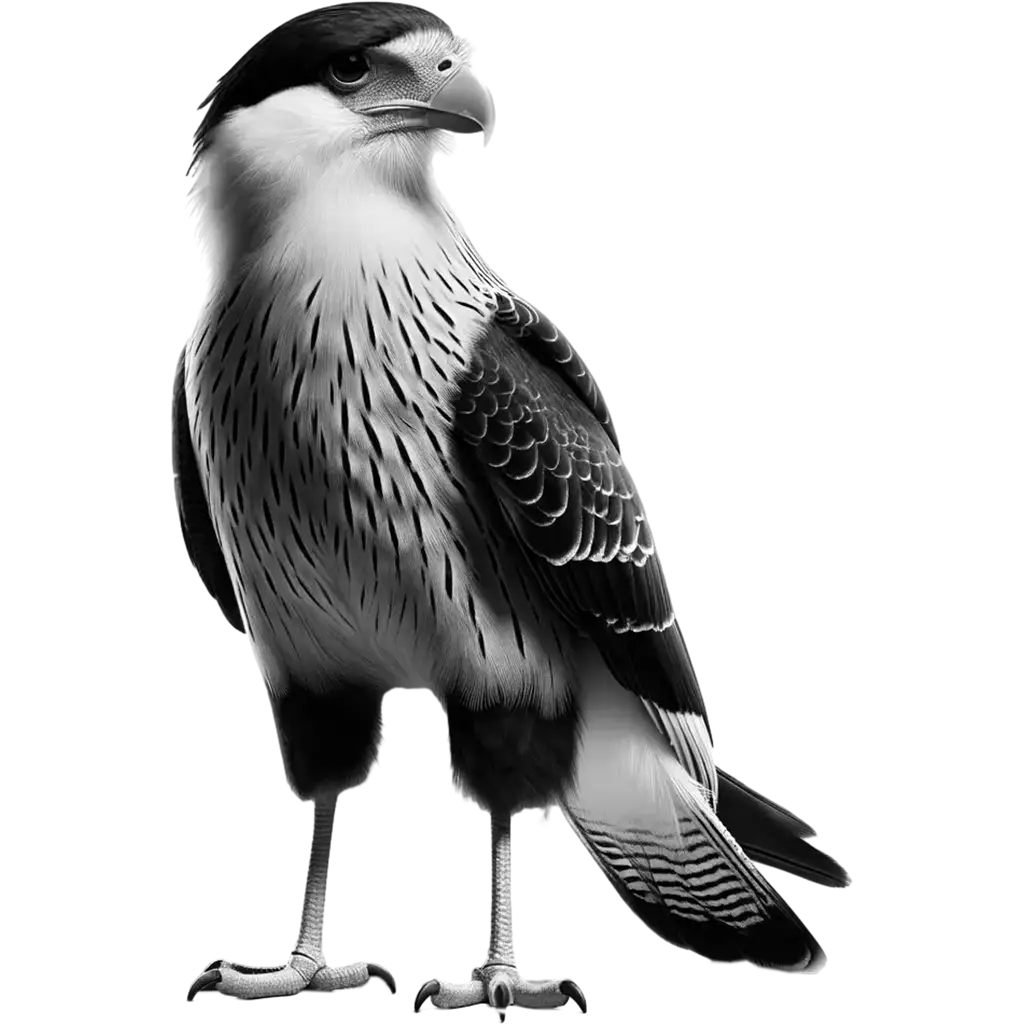
The Chimango Caracara, milvago chimango, is a small raptor found widely across southern South America, including Argentina, Chile, Uruguay, Paraguay, and the southern regions of Brazil. This bird of prey is part of the Falconidae family and is known for its adaptability to various environments, including open grasslands, agricultural areas,
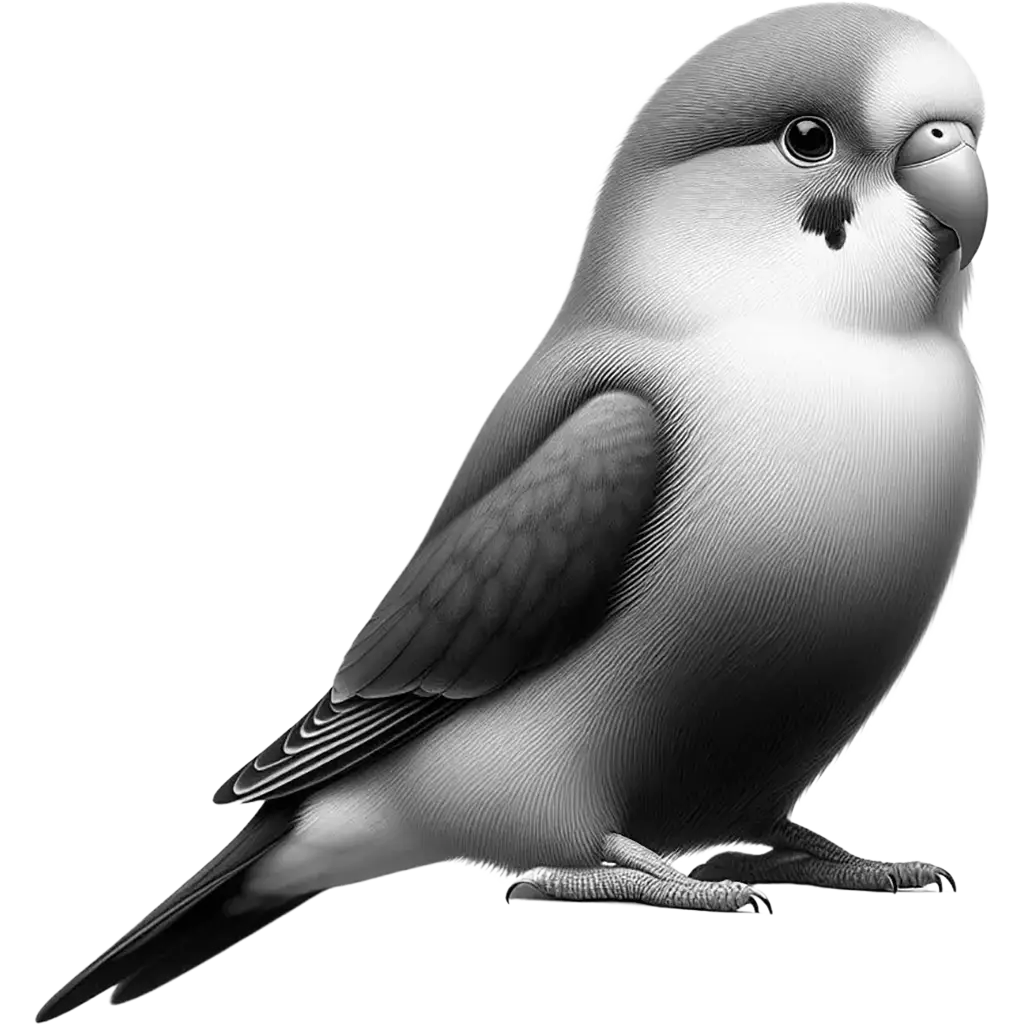
The Grey-headed lovebird, agapornis canus, also known as the Madagascar Lovebird, is a small parrot species native to Madagascar and the Comoros islands. This diminutive bird is notable for its distinctive sexual dimorphism; males boast a mostly grey head and neck, which sharply contrasts with their bright green body, while
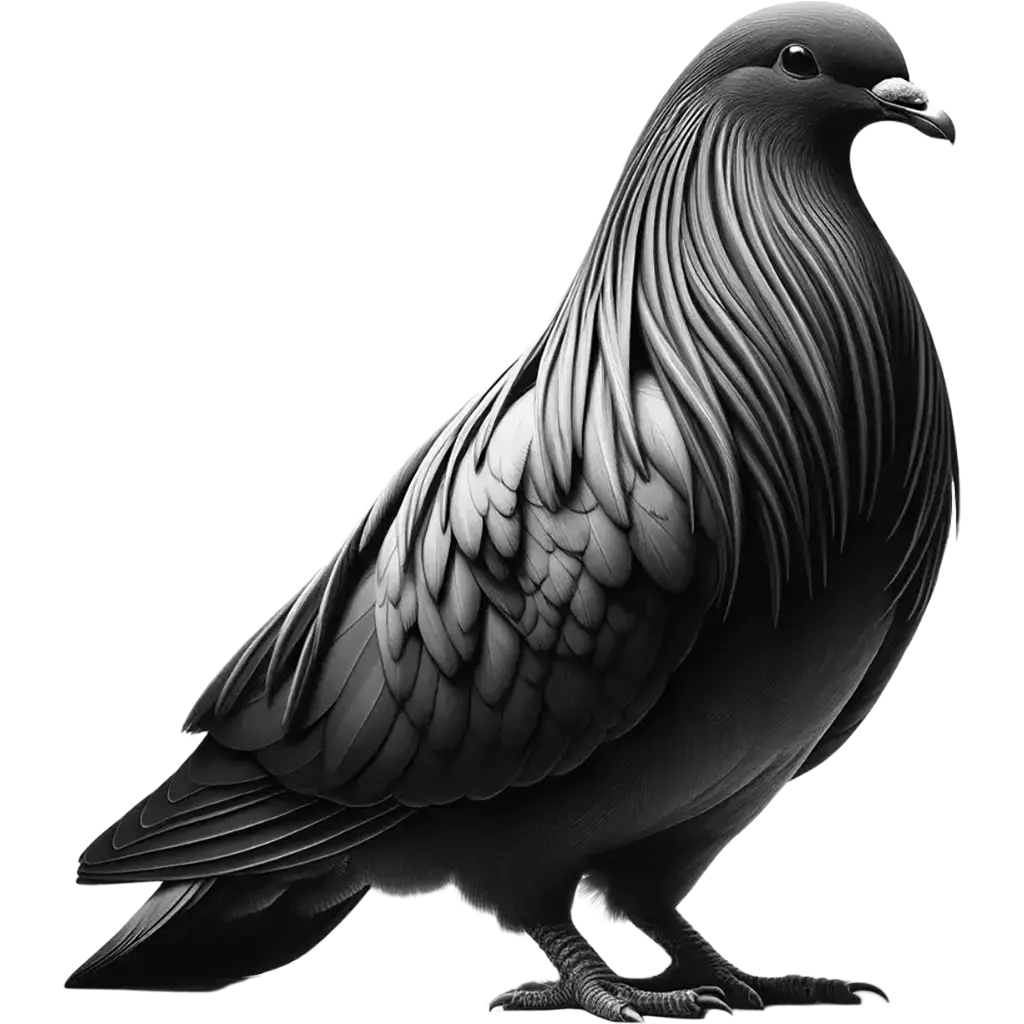
The Nicobar Pigeon, caloenas nicobarica, is a strikingly beautiful bird, known for its iridescent plumage that shines in a spectrum of colors, including greens, blues, and coppers. This large pigeon, standing at approximately 40 cm in length, is the closest living relative to the extinct Dodo bird. It has a
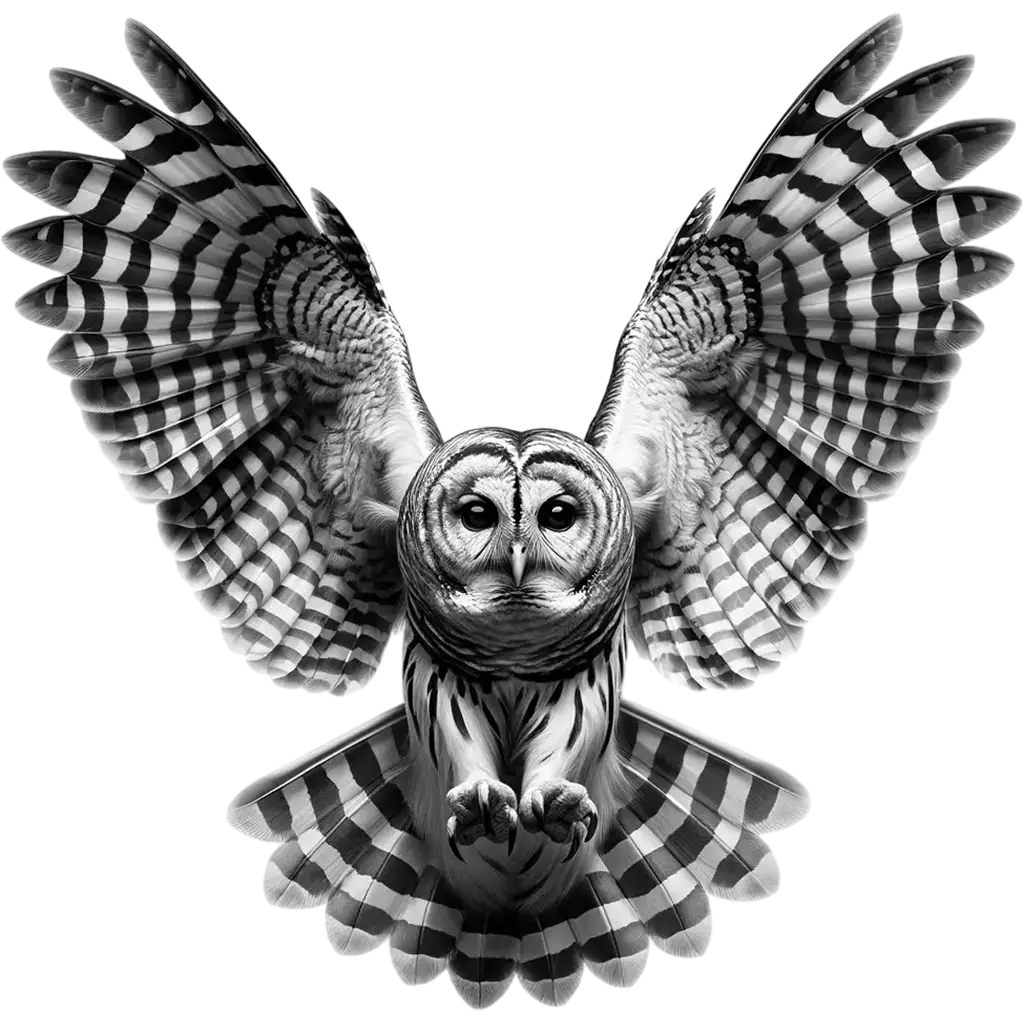
The Barred Owl, Strix varia, is a large North American owl known for its distinctive hooting call, which sounds like 'Who cooks for you? Who cooks for you all?' This species has a rounded head with no ear tufts, deep brown eyes, and a mottled brown and white plumage that