
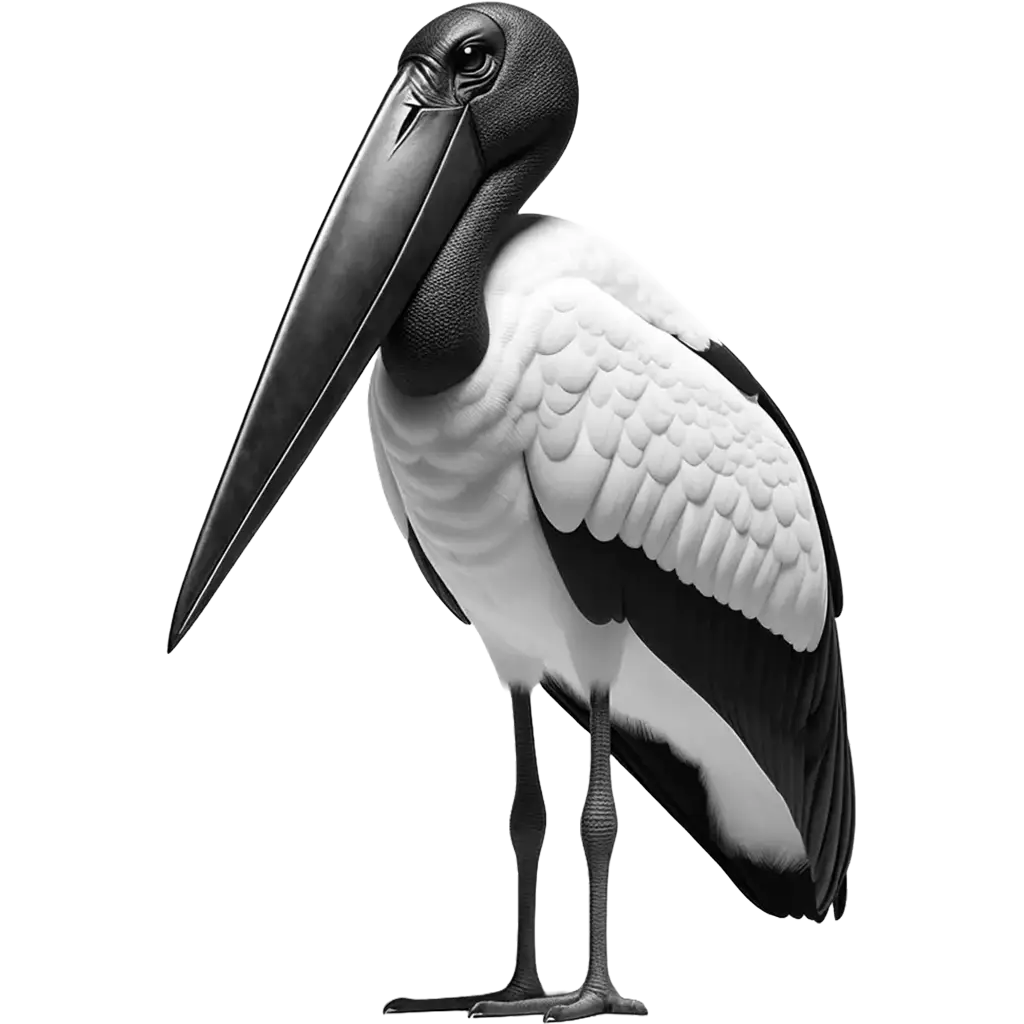
Jabiru Mycteria
Jabiru
Wetlands, rivers, and lakes in tropical and subtropical regions
The Jabiru, Jabiru mycteria, is a majestic bird native to the Americas, particularly found from Mexico through Central America to Argentina in South America. It is the tallest flying bird found in its range, with adults standing up to 1.4 meters (4.5 feet) tall and boasting a wingspan that can exceed 2.6 meters (8.5 feet). The Jabiru is easily recognized by its massive black bill, which can be up to 30 cm (12 inches) long, white plumage, and a distinctive black head and upper neck. A red stretchable pouch at the base of its neck becomes more pronounced during courtship displays and when the bird is alarmed.
| Population: | Not currently listed as threatened, but specific population numbers are not well-documented |
| Generation Length: | 5-6 years |
| Average Weight: | Approximately 4.3-9 kg |
| Average Length: | 120-140 cm, with a wingspan of 230-280 cm |
| Lifespan: | Up to 36 years in the wild |
| Diet: | Primarily piscivorous, supplemented with other small animals |
| Conservation Status: | Least Concern (LC) |
Jabirus are highly social creatures during the breeding season, forming large colonies on trees near water bodies. They are known for their spectacular large nests, which are often reused and added to each year, becoming quite massive over time. These birds are largely silent, with most of their communications being visual or through the clattering of their bills. Their diet primarily consists of aquatic life, including fish, frogs, and small reptiles, which they forage in wetlands and shallow waters.
The diet of the Jabiru is predominantly piscivorous, including a wide variety of fish which constitutes the bulk of their intake. They also consume amphibians, insects, and occasionally small mammals and birds, exploiting the rich biodiversity of their wetland habitats. Their feeding behavior is characterized by standing still in shallow water and quickly snapping up prey with their large bill.
Breeding season for the Jabiru is closely tied to the rainy season, ensuring that there is ample food for their chicks. The Jabiru is monogamous, with pairs forming strong bonds and both parents sharing responsibilities for nest building, egg incubation, and feeding the young. A typical clutch consists of 2 to 5 eggs, which are incubated for about 30 days.
The population of the Jabiru is currently stable in most of its range, though it faces threats from habitat loss due to the drainage of wetlands and pollution. Conservation efforts, including the protection of wetland habitats, are crucial for the survival of this species. The Jabiru plays an important role in its ecosystem as a top predator in aquatic environments, and its presence is an indicator of healthy wetland ecosystems.
Classifications
The Key Attributes
Features
- Movement:
Flight, wading
- Territorial Behavior:
Somewhat territorial, particularly during the breeding season
- Speed:
Not specifically quantified; capable of long-distance flight
- Diet:
Carnivore
- Physical Features:
- Large size with a massive black bill
- Mostly white plumage, with a black band around the neck and red skin on the neck and upper chest
- Long legs for wading in shallow water
- Large wings for soaring and gliding
- Primary Senses:
- Sight
- Touch (bill sensitivity)
Understanding Habitat and Range
Geography
- Habitat:
Wetlands, rivers, and lakes in tropical and subtropical regions
- Migration Patterns:
Mostly sedentary, with some local movements related to water levels and food availability
- Geographical Range:
Central America, South America, from Mexico to Argentina
- Climate Preferences:
Prefers warm, humid climates near large bodies of fresh water
Navigating the Wilderness
In the wild
- Predators:
Adults have few natural predators due to their size; eggs and young are vulnerable to birds of prey and large reptiles
- Prey:
Fish, amphibians, small mammals, reptiles, insects
- Feeding Behavior:
Feeds on fish, amphibians, small mammals, and occasionally reptiles and insects, using its large bill to snatch prey
- Diet:
Primarily piscivorous, supplemented with other small animals
- Defensive Mechanisms:
- Size and powerful bill deter most predators
- Flight to escape threats
- Aggressive defense of nest and young
- Preferred Food Sources:
- A variety of fish and aquatic organisms
Insights Into Reproduction
Mating
- Mating System:
Monogamous
- Number of Offspring:
2-5 eggs per nesting season
- Incubation Period:
About 30 days
- Parental Involvement:
- Both parents share in incubating the eggs and feeding the young
Youngsters Section
Jabiru
Fun Fact
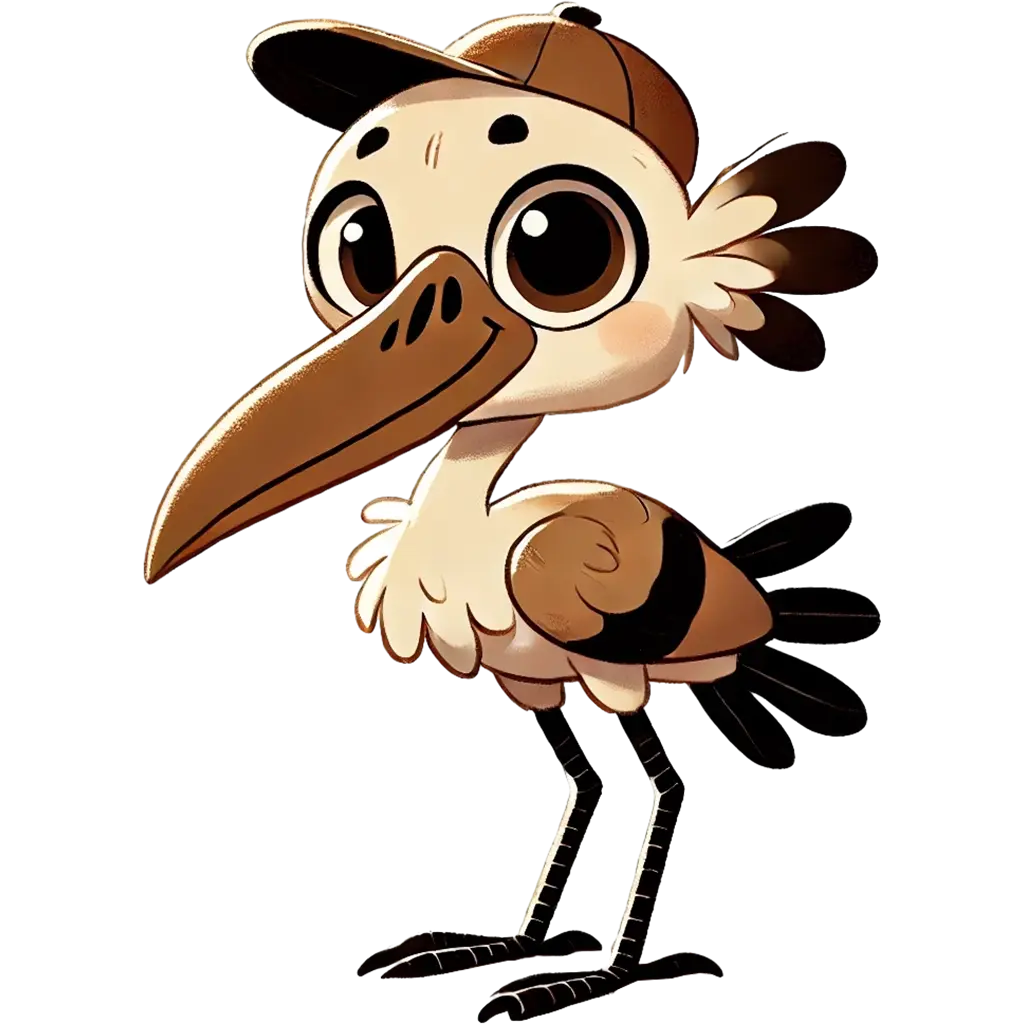
The Jabiru is the tallest flying bird in Central and South America, reaching heights of up to 5 feet.
Its distinctive black, featherless neck and head contrast with its white body. The Jabiru's enormous wingspan can reach up to 9 feet, making it an impressive sight in flight. Found in wetlands, it primarily feeds on fish and amphibians.

Download word search puzzles
Word Search Puzzles
Check Out Other Birds
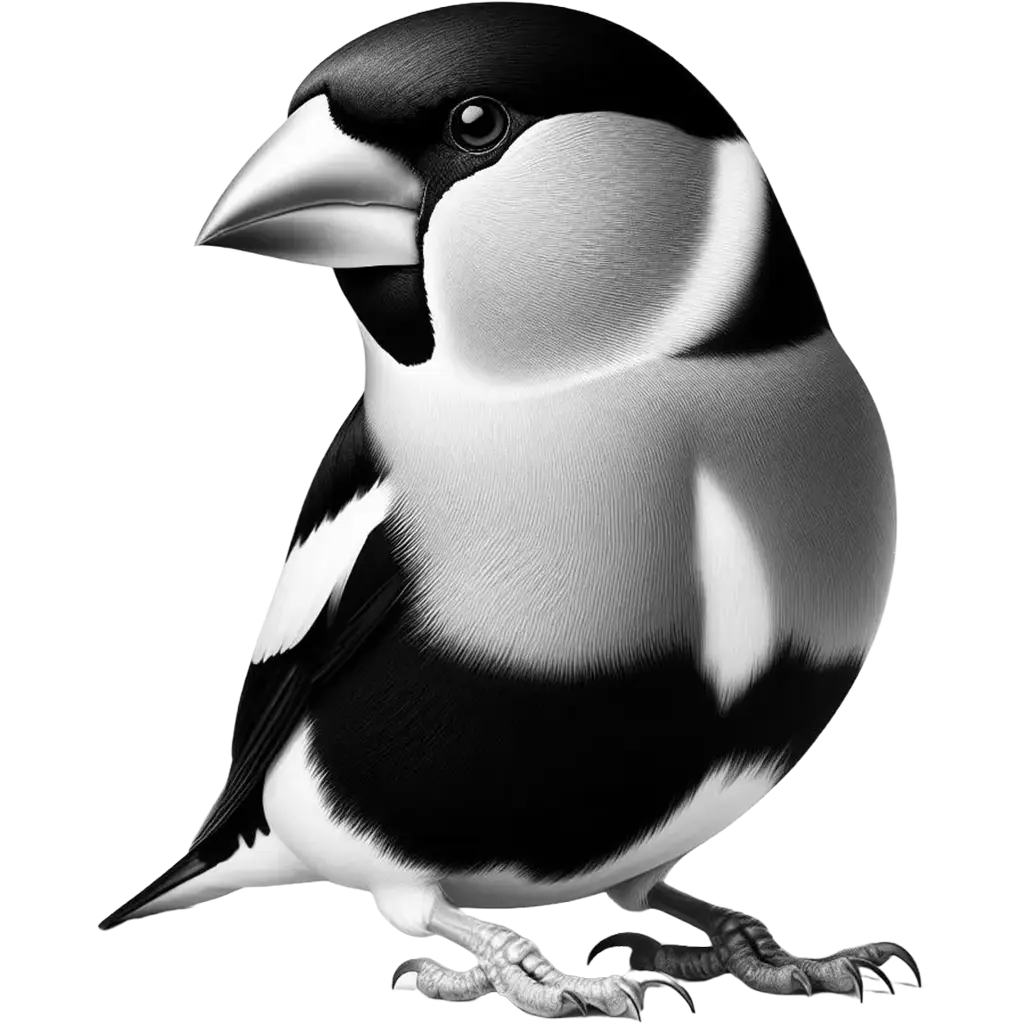
The Hawfinch, coccothraustes coccothraustes, is a robust and strikingly colored bird, known for its large size among finches, measuring up to 18 centimeters (7 inches) in length and weighing between 48 to 62 grams (1.7 to 2.2 ounces). Characterized by its massive bill capable of cracking even the hardest seeds,
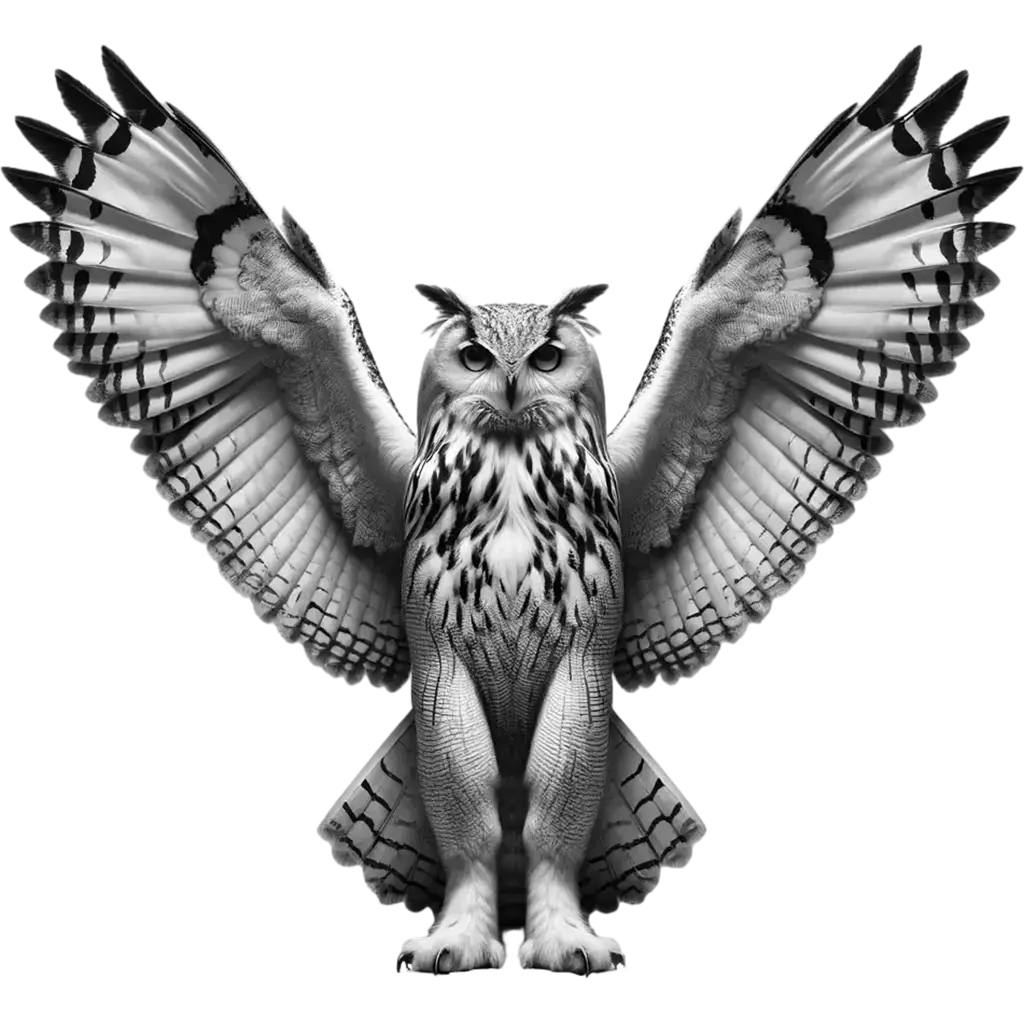
The Eurasian Eagle-Owl, bubo bubo, is one of the largest and most powerful owl species, with a widespread distribution across Europe, Asia, and parts of North Africa. This majestic bird is notable for its large size, with a wingspan that can reach up to 2 meters (6.6 feet), and a
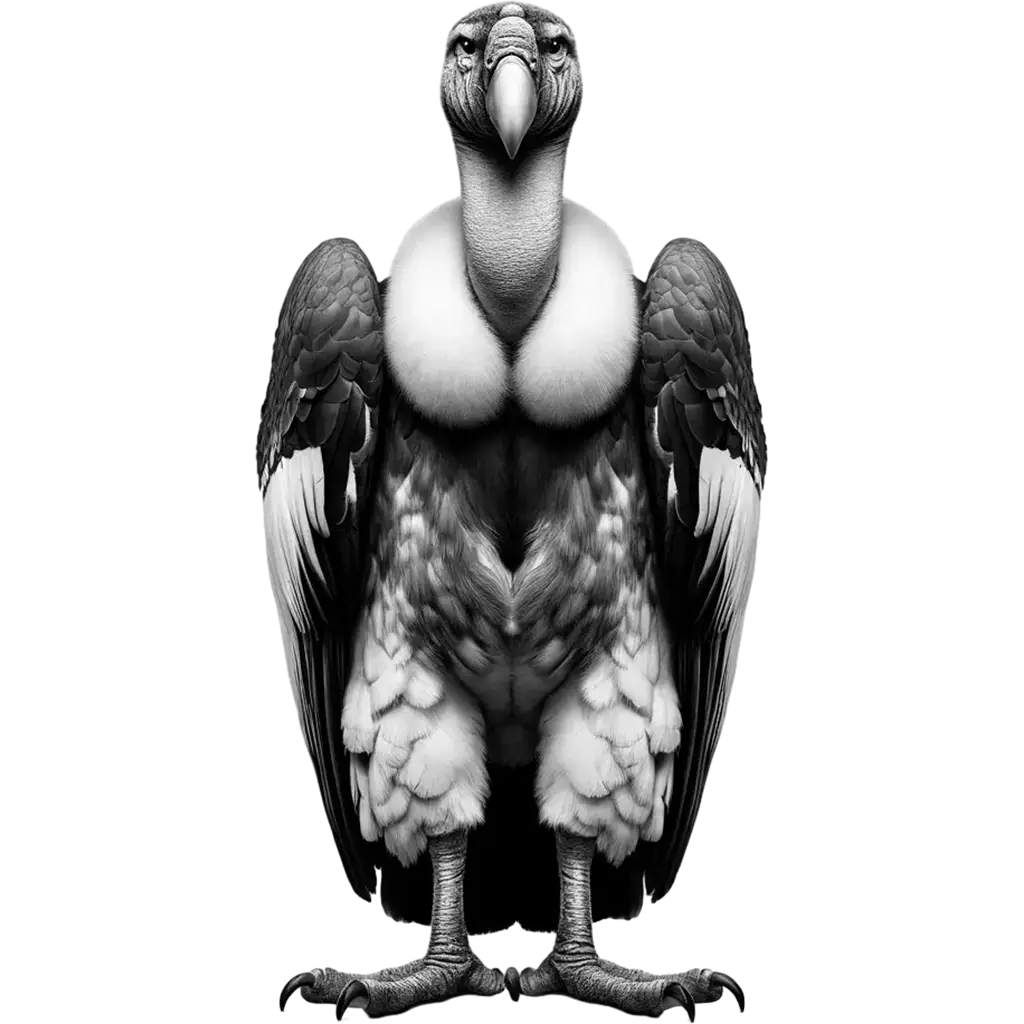
The Andean Condor, vultur gryphus, is a majestic bird of prey that reigns over the skies of South America. It is one of the largest flying birds in the world, with a wingspan that can exceed 3 meters, allowing it to glide effortlessly on thermal air currents. The adult male
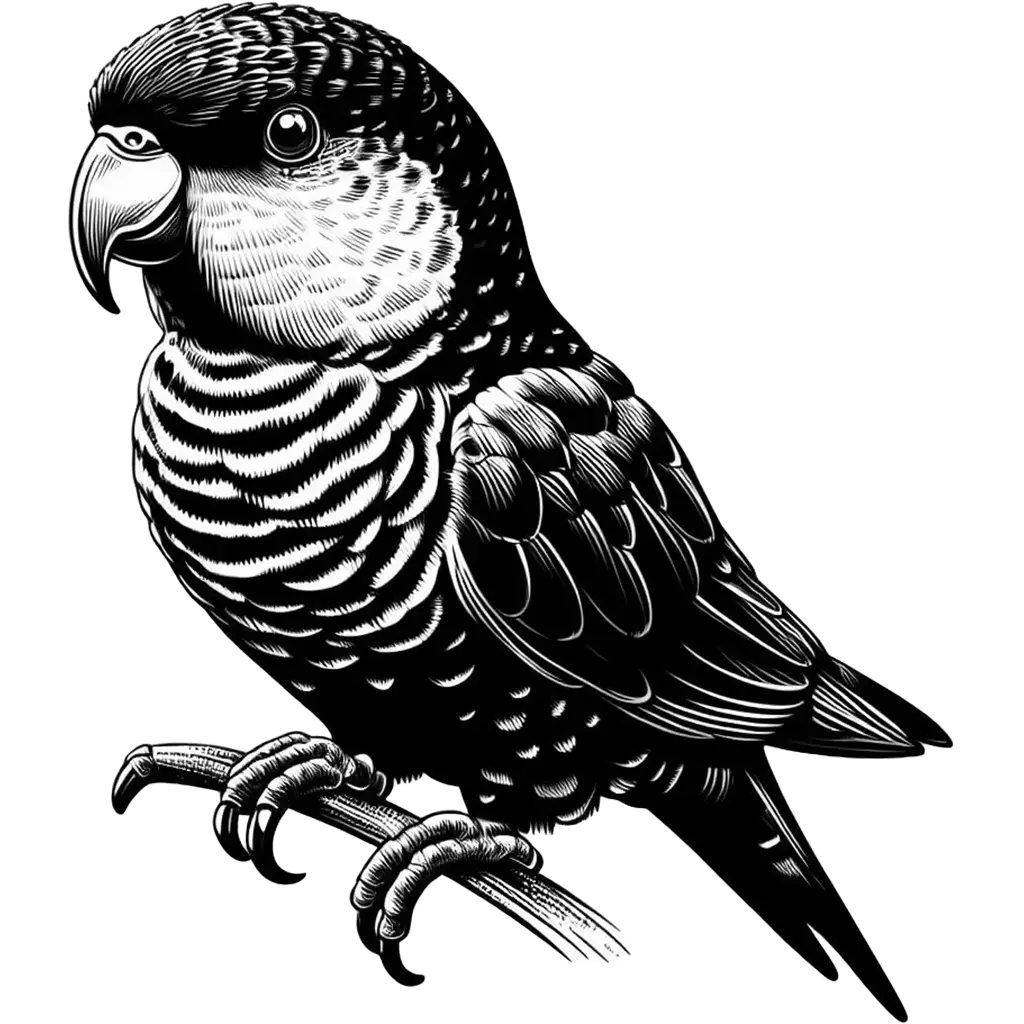
The Coconut Lorikeet, trichoglossus haematodus, is a vibrant, medium-sized parrot native to a wide range of habitats across Southeast Asia, Oceania, and parts of East Indonesia. Characterized by its bright green plumage, blue head, and red and yellow breast, this bird is a striking sight in its natural environment. Adults