

Aquila Chrysaetos
Golden Eagle
Mountains, cliffs, river valleys, and open moorlands
The Golden Eagle, aquila chrysaetos, is one of the most powerful birds of prey in the Northern Hemisphere, admired for its strength, speed, and majestic beauty. Adults typically exhibit a wingspan ranging from 1.8 to 2.3 meters (6 to 7.5 feet), making them formidable hunters in their natural habitats. The Golden Eagle's plumage is dark brown, with lighter golden-brown feathers on their heads and necks, giving them their common name. Juveniles display white patches on their wings and tail, which gradually fade as they mature.
| Population: | Widespread with stable populations in some areas, but declining in others due to habitat loss and persecution |
| Generation Length: | 5 years |
| Average Weight: | 3-7 kg |
| Average Length: | 66-102 cm |
| Lifespan: | Up to 30 years in the wild, longer in captivity |
| Diet: | Varied diet depending on available prey |
| Conservation Status: | Least Concern (LC) |
Golden Eagles inhabit a wide range of environments, including mountains, cliffs, hills, and open areas, from North America and Europe to Asia and parts of North Africa. They prefer regions with large open spaces that enable them to scout for prey from the air, as well as rocky outcrops or tall trees for nesting. As solitary and territorial birds, they require large territories for hunting and nesting, often encompassing several square kilometers.
The diet of the Golden Eagle is varied, consisting mainly of medium-sized mammals such as rabbits, hares, ground squirrels, and marmots. They are also known to hunt birds, reptiles, and fish, depending on the availability of prey in their habitat. Their hunting strategy involves soaring at high altitudes to spot prey before diving at speeds of up to 240 kilometers per hour (150 miles per hour) to capture it with their powerful talons.
Reproduction for Golden Eagles involves a lifelong bond with a single mate, with whom they build large nests, or eyries, on cliff ledges or in tall trees. Females lay between one to four eggs per breeding season, which are incubated for about 41 to 45 days. Both parents share the duties of incubation and feeding the chicks, which fledge at around 10 weeks of age but may remain dependent on their parents for several months thereafter.
The Golden Eagle is currently listed as Least Concern by the IUCN, although its populations face threats from habitat loss, poisoning, and collisions with wind turbines and power lines. Conservation efforts for the species include habitat protection, legal protection from hunting and persecution, and research to better understand their ecology and behavior. The Golden Eagle remains a symbol of wilderness and freedom, embodying the wild and untamed spirit of the landscapes it inhabits.
Classifications
The Key Attributes
Features
- Movement:
Flight
- Territorial Behavior:
Highly territorial
- Speed:
Can dive at speeds over 240 km/h
- Diet:
Carnivore
- Physical Features:
- Dark brown body with lighter golden-brown plumage on their nape
- Large, powerful talons
- Hooked beak for tearing flesh
- Broad wingspan ranging from 1.8 to 2.3 meters
- Primary Senses:
- Sight (excellent visual acuity)
- Hearing
Understanding Habitat and Range
Geography
- Habitat:
Mountains, cliffs, river valleys, and open moorlands
- Migration Patterns:
Some populations are migratory, while others remain in their breeding territories year-round
- Geographical Range:
Northern Hemisphere, including North America, Europe, Asia, and parts of Africa
- Climate Preferences:
Adaptable to a wide range of climates, from arctic to desert conditions
Navigating the Wilderness
In the wild
- Predators:
Humans are the main threat; few natural predators due to their size and strength
- Prey:
Rabbits, hares, ground squirrels, prairie dogs, birds, reptiles, and occasionally larger animals like deer
- Feeding Behavior:
Hunts a wide range of prey, including mammals, birds, and reptiles; capable of taking down large prey such as deer and domestic livestock
- Diet:
Varied diet depending on available prey
- Defensive Mechanisms:
- Flight and avoidance
- Aggressive defense of territory and nest
- Use of talons and beak for protection
- Preferred Food Sources:
- Small to medium-sized mammals
- Birds
- Reptiles
Insights Into Reproduction
Mating
- Mating System:
Monogamous, often forming long-term pair bonds
- Number of Offspring:
1-4 eggs
- Incubation Period:
About 45 days
- Parental Involvement:
- Both parents involved in nest building, incubating eggs, and feeding young
Youngsters Section
Golden Eagle
Fun Fact
Golden eagles are powerful birds of prey, known for their impressive hunting skills and aerial agility.
They can dive at speeds over 150 mph to catch their prey. These birds have a wingspan of up to 7.5 feet, allowing them to soar effortlessly for hours. Golden eagles are found across the Northern Hemisphere, favoring open and semi-open landscapes. They are also known for their strong territorial instincts.

Download word search puzzles
Word Search Puzzles


Check Out Other Birds

The Horned Puffin, fratercula corniculata, is a striking seabird known for its distinctive black and white plumage and large, colorful bill. Adults can reach about 20 cm in height and weigh approximately 500 grams, with a robust body suited for both flying and swimming. The species is named for the
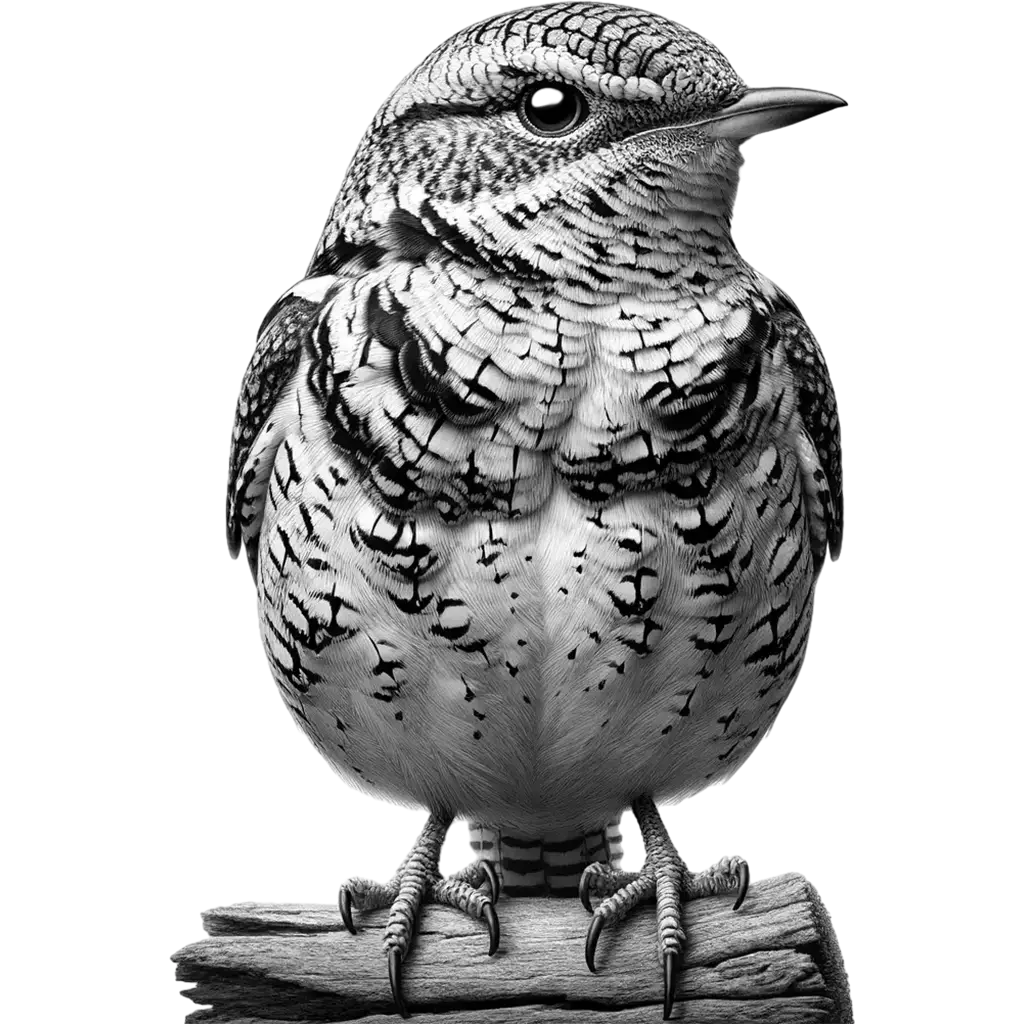
The Eurasian Wryneck, jynx torquilla, is a small, distinctive bird known for its ability to twist its neck almost 180 degrees, a feature that gives it its common name. Measuring 16 to 17 cm in length and weighing approximately 20 to 30 grams, the wryneck has a streaked brown and

The Greater Adjutant, leptoptilos dubius, is a large stork standing at an impressive height of up to 1.5 meters with a wingspan reaching 2.5 meters. Its appearance is distinctive with a bald head and neck, a heavy bill, and a predominantly dark grey plumage, except for the white underparts. The
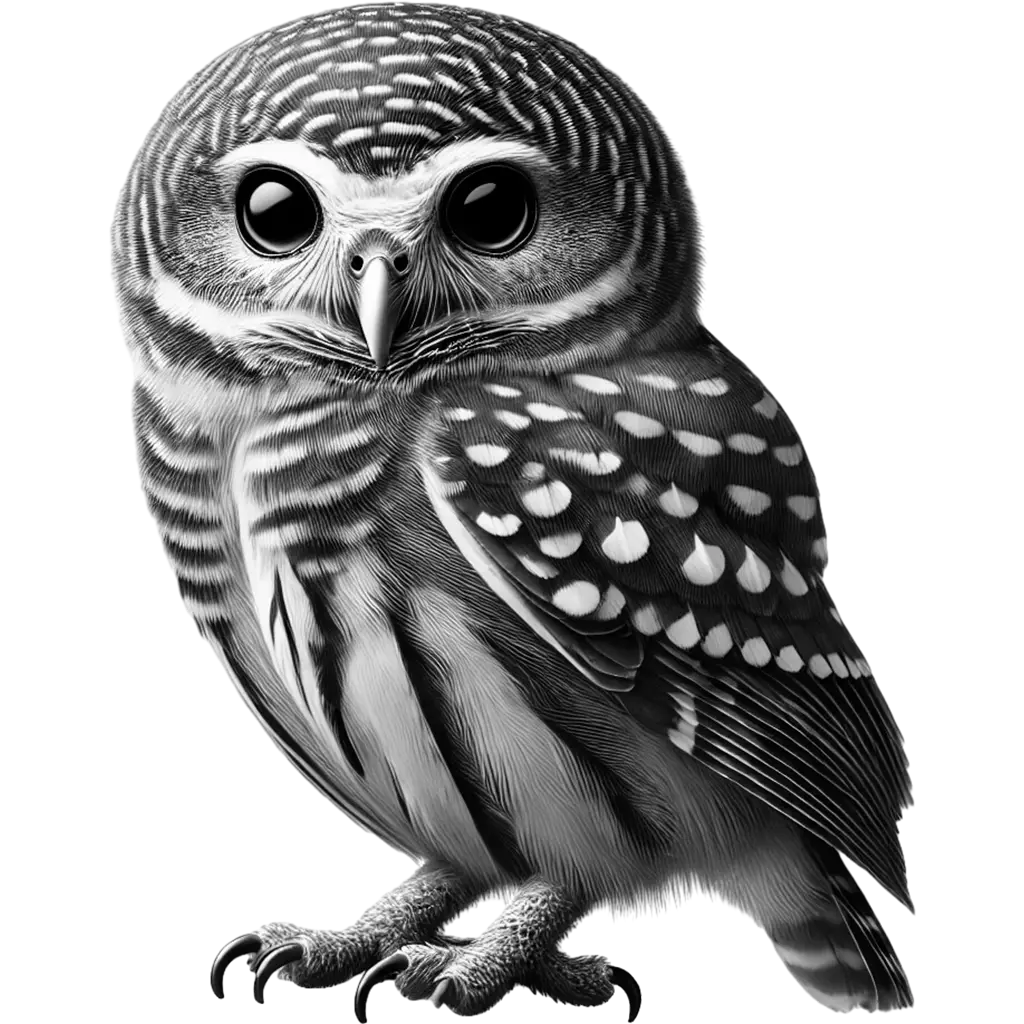
The Jungle Owlet is a small, stocky owl measuring approximately 21 to 23 centimeters in length. It features a rounded head without ear tufts and bright yellow eyes. Its plumage is finely barred with brown and white, and it has distinctive white patches on the chin, upper breast, and abdomen.