
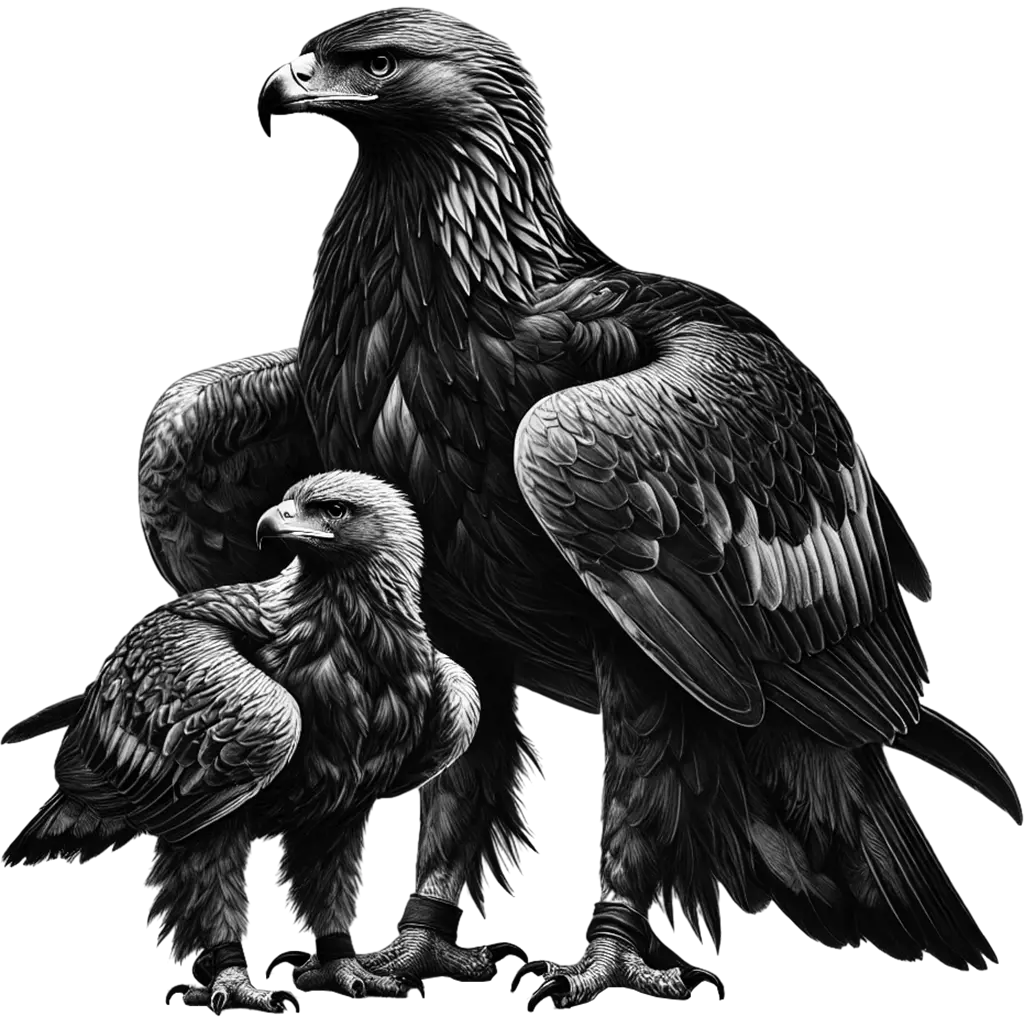
Top ten fascinating facts about
Golden Eagle
Aquila Chrysaetos
Golden eagles are powerful birds of prey, known for their impressive hunting skills and aerial agility. They can dive at speeds over 150 mph to catch their prey. These birds have a wingspan of up to 7.5 feet, allowing them to soar effortlessly for hours. Golden eagles are found across the Northern Hemisphere, favoring open and semi-open landscapes. They are also known for their strong territorial instincts.
The Golden Eagle is one of the largest and most powerful raptors in the Northern Hemisphere
Golden Eagles have a wingspan that can exceed 7 feet (2.1 meters) and weigh up to 15 pounds (6.8 kilograms). Their impressive size and strength make them formidable hunters capable of taking down large prey. They are apex predators in their habitats, which include mountains, hills, and open country across North America, Europe, Asia, and parts of North Africa.
They can dive at speeds over 150 miles per hour (241 kilometers per hour)
When hunting, Golden Eagles can stoop or dive at incredible speeds, rivaling those of the fastest birds of prey. This high-speed dive allows them to surprise and swiftly capture prey such as rabbits, hares, and other mammals. Their aerodynamic bodies and strong flight muscles contribute to these remarkable speeds.
Golden Eagles have incredible eyesight, estimated to be 4 to 8 times sharper than that of humans
Their keen vision enables them to spot prey from great distances, sometimes up to two miles (3.2 kilometers) away. This exceptional eyesight is due to a high density of photoreceptor cells in their retinas and relatively large eyes. This adaptation is crucial for their hunting success, allowing them to detect even the slightest movements of potential prey.
They mate for life and build enormous nests used for many years
Golden Eagles form monogamous pairs that often last for life. They build large nests called eyries on cliffs or in tall trees, which they may reuse and add to for several years. Some nests can reach sizes of up to 6 feet (1.8 meters) across and 8 feet (2.4 meters) deep. These substantial structures provide safe places to raise their young and are a testament to their engineering skills.
Golden Eagles have a diverse diet and can hunt prey larger than themselves
While they primarily feed on small to medium-sized mammals like rabbits and marmots, Golden Eagles are capable of hunting larger animals such as foxes, young deer, and even mountain goats. They have powerful talons and strong legs that enable them to grasp and subdue sizable prey. However, such large hunts are less common and require significant effort and strategy.
They are highly territorial and have large home ranges
Golden Eagles defend vast territories that can span over 60 square miles (155 square kilometers). They patrol and mark these areas to deter other eagles from encroaching. Their territories encompass hunting grounds and nesting sites, ensuring they have sufficient resources to raise their offspring. Territorial disputes can involve impressive aerial displays and occasional confrontations.
Golden Eagles play a significant role in various cultures and mythologies
Throughout history, Golden Eagles have been revered in many cultures as symbols of strength, courage, and freedom. They appear in mythology, folklore, and heraldry, particularly among Native American tribes and ancient civilizations like the Romans and Mongols. The eagle is also a national symbol in several countries, representing power and sovereignty.
Young Golden Eagles can take several years to reach full adult plumage
Juvenile Golden Eagles have distinct white patches at the base of their tail and on their wings, which gradually disappear as they mature. It can take up to five years for them to develop the characteristic golden-brown plumage on their head and neck that gives the species its name. This gradual change helps researchers and bird watchers determine their age.
They are adaptable birds found in a variety of habitats across the Northern Hemisphere
Golden Eagles inhabit a range of environments, from tundra and grasslands to mountainous regions and deserts. They prefer open areas that provide ample hunting opportunities and tend to avoid heavily forested regions. Their wide distribution is a testament to their adaptability and resilience in various climates and terrains.
Golden Eagles have been trained for falconry in some cultures for thousands of years
In parts of Central Asia, particularly among the Kazakh and Mongolian people, Golden Eagles have been used in traditional falconry to hunt game such as foxes and hares. This practice, known as 'eagle hunting,' requires a deep bond between the handler and the eagle and is a revered cultural tradition passed down through generations. The relationship showcases mutual respect and incredible training techniques.
Check Out Other Birds
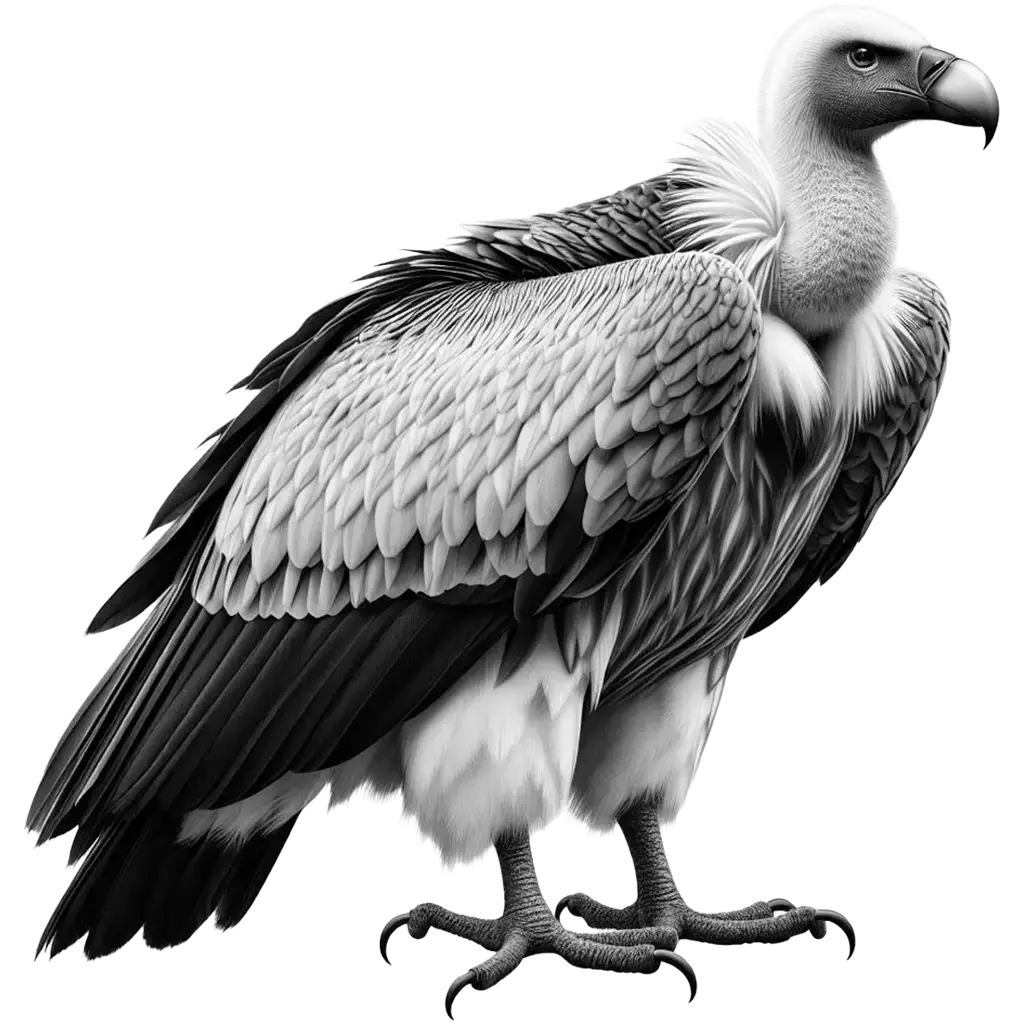
The Eurasian Griffon Vulture, gyps fulvus, is a majestic bird of prey, known for its impressive size and soaring flight. This species is one of the larger vultures, with a wingspan ranging from 230 to 280 centimeters (7.5 to 9.2 feet), and weighs between 6 to 11 kilograms (13 to
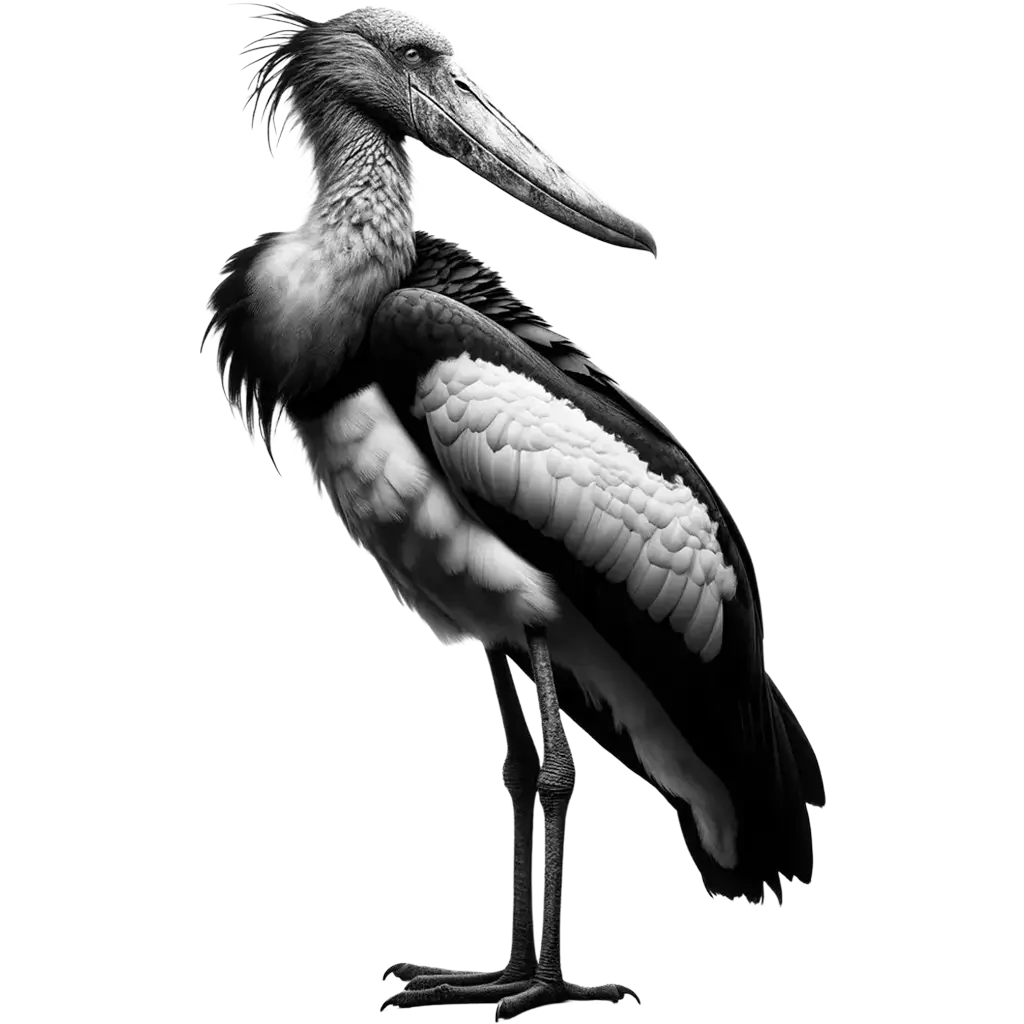
The Greater Adjutant, leptoptilos dubius, is a large stork standing at an impressive height of up to 1.5 meters with a wingspan reaching 2.5 meters. Its appearance is distinctive with a bald head and neck, a heavy bill, and a predominantly dark grey plumage, except for the white underparts. The
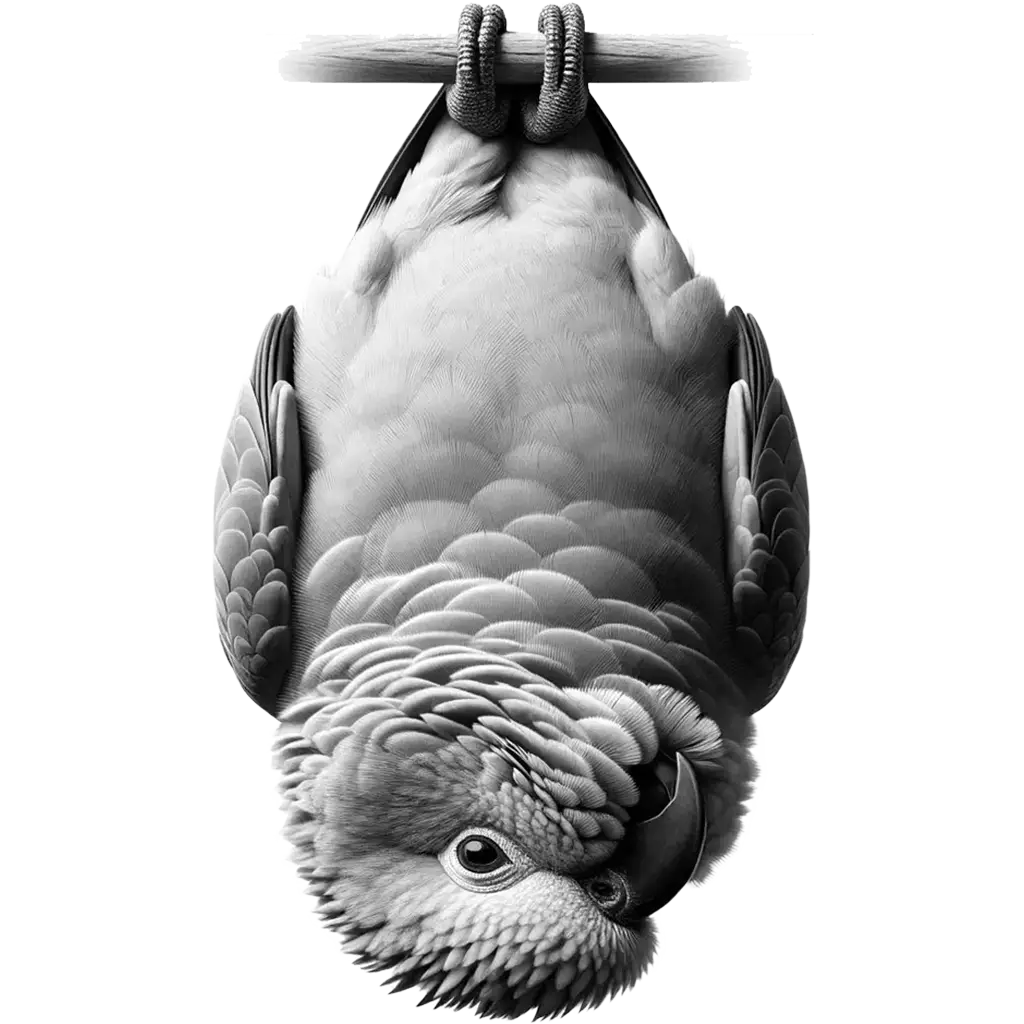
The Great Hanging Parrot, loriculus stigmatus, is a small, vibrant bird endemic to the islands of Sulawesi, Togian, Sula, and Banggai in Indonesia. This species is part of the Psittaculidae family, known for their ability to hang upside down while feeding or resting, a unique behavior from which their name

Buffy Fish Owls possess a sturdy, compact body with a broad head and distinct facial disc. Their dusky plumage is subtly mottled and they feature large, luminous eyes and a hooked beak ideal for snatching small prey. Powerful talons and a strong, muscular frame enhance their predatory elegance, enabling them