

Glaucidium Radiatum
Jungle Owlet
Deciduous and moist deciduous forests, scrub forests, bamboo groves, and sometimes near agricultural fields
The Jungle Owlet is a small, stocky owl measuring approximately 21 to 23 centimeters in length. It features a rounded head without ear tufts and bright yellow eyes. Its plumage is finely barred with brown and white, and it has distinctive white patches on the chin, upper breast, and abdomen. The bill is greenish-yellow, and its legs are feathered down to the toes. These physical characteristics, along with its compact size, make it well-suited for life in dense forests.
| Population: | Exact numbers unknown; classified as Least Concern |
| Generation Length: | 2-3 years |
| Average Weight: | 50-80 grams |
| Average Length: | 21-23 cm |
| Lifespan: | 5-7 years |
| Diet: | Carnivorous, feeding on a variety of small animals |
| Conservation Status: | Least Concern (LC) |
Inhabiting deciduous and moist deciduous forests, as well as scrub forests and bamboo groves, the Jungle Owlet is also found near agricultural fields. Its range spans the Indian Subcontinent, including countries like India, Sri Lanka, Nepal, Bhutan, Myanmar, and Bangladesh. This species is non-migratory and resides in tropical and subtropical regions, occupying elevations up to 2,000 meters. It is most active during dawn and dusk, often detected by its distinctive calls during these times.
As a carnivore, the Jungle Owlet's diet includes insects such as beetles, locusts, grasshoppers, and cicadas, as well as small birds, reptiles, and rodents. It hunts by perching silently, scanning for prey, and then swooping down to capture it with precision. This opportunistic feeding behavior allows it to adapt to various prey availability within its habitat.
The breeding season for the Jungle Owlet in India typically occurs from March to May. Nests are constructed in tree cavities at heights ranging from 3 to 5 meters. A typical clutch consists of three to four eggs. While specific details about incubation periods and parental roles are not well-documented, it is likely that both parents participate in feeding and protecting the young, as observed in related species.
Currently classified as Least Concern by the IUCN, the Jungle Owlet has a wide distribution and is relatively common within its range. However, it faces threats from habitat loss due to deforestation and agricultural expansion. Conservation efforts should focus on preserving its natural habitats and mitigating the impacts of human activities to ensure the species' continued survival.
Classifications
The Key Attributes
Features
- Movement:
Flight; capable of agile maneuvers through dense forests
- Territorial Behavior:
Often found singly, in pairs, or small groups; territorial calls at dawn and dusk
- Speed:
Not specified
- Diet:
Carnivore
- Physical Features:
- Rounded head without ear tufts
- Bright yellow eyes
- Finely barred brown and white plumage
- White patches on chin, upper breast, and abdomen
- Greenish-yellow bill
- Feathered legs
- Primary Senses:
- Sight
- Hearing
Understanding Habitat and Range
Geography
- Habitat:
Deciduous and moist deciduous forests, scrub forests, bamboo groves, and sometimes near agricultural fields
- Migration Patterns:
Non-migratory
- Geographical Range:
Indian Subcontinent, including India, Sri Lanka, Nepal, Bhutan, Myanmar, and Bangladesh
- Climate Preferences:
Tropical and subtropical regions; elevations up to 2,000 meters
Navigating the Wilderness
In the wild
- Predators:
Not specified
- Prey:
Insects, small birds, reptiles, and rodents
- Feeding Behavior:
Hunts primarily during dawn and dusk; perches silently before swooping on prey
- Diet:
Carnivorous, feeding on a variety of small animals
- Defensive Mechanisms:
- Camouflage within dense foliage
- Freezing posture to resemble a tree stump when threatened
- Preferred Food Sources:
- Beetles
- Locusts
- Grasshoppers
- Cicadas
- Lizards
- Small mammals
Insights Into Reproduction
Mating
- Mating System:
Monogamous
- Number of Offspring:
Typically 3-4 eggs per clutch
- Incubation Period:
Not specified
- Parental Involvement:
- Both parents likely involved in feeding and protecting the young
Youngsters Section
Jungle Owlet
Fun Fact
The Jungle Owlet often basks in the morning sun before retreating to its roost. This sunbathing behavior is thought to help regulate its body temperature and may aid in feather maintenance.
What makes them particularly interesting is their ability to stay hidden during the day, using their camouflaged plumage to avoid predators.

Download word search puzzles
Word Search Puzzles


Check Out Other Birds

The Horned Puffin, fratercula corniculata, is a striking seabird known for its distinctive black and white plumage and large, colorful bill. Adults can reach about 20 cm in height and weigh approximately 500 grams, with a robust body suited for both flying and swimming. The species is named for the
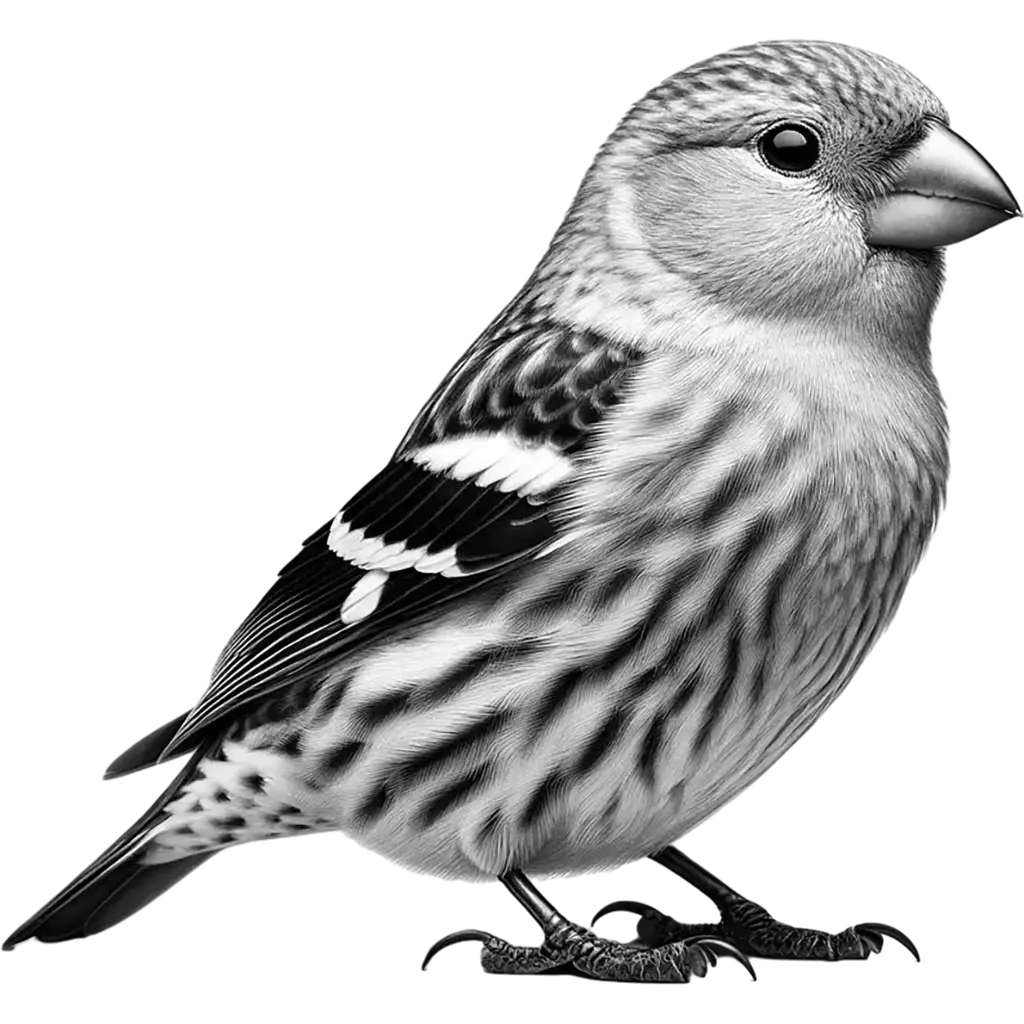
The Pine Grosbeak, pinicola enucleator, is a large member of the finch family, known for its striking plumage and robust size. Adult males typically showcase a vivid rosy-red to crimson color across their head, breast, and back, while females and juveniles display a more subdued olive-yellow to grayish hue. Both

The Golden Eagle, aquila chrysaetos, is one of the most powerful birds of prey in the Northern Hemisphere, admired for its strength, speed, and majestic beauty. Adults typically exhibit a wingspan ranging from 1.8 to 2.3 meters (6 to 7.5 feet), making them formidable hunters in their natural habitats. The

The Pale Prinia is a diminutive bird characterized by its soft, pale plumage that ranges from light gray to off-white. Its slender body is accentuated by subtle streaks along its wings and back, while a delicate, pointed bill and long, tapering tail contribute to its refined, graceful appearance. The bird's