
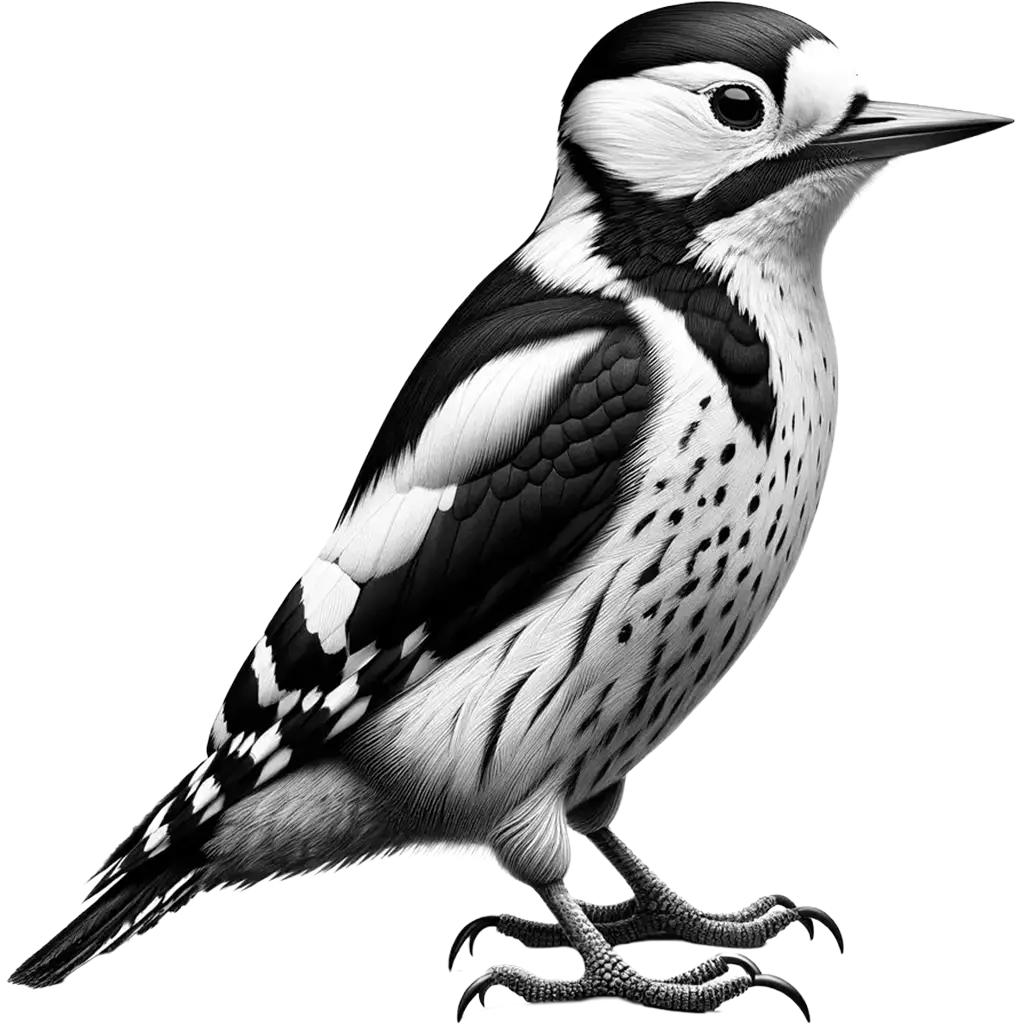
Dendrocoptes Medius
Middle Spotted Woodpecker
Deciduous forests, often with old trees and a well-developed understory
The Middle Spotted Woodpecker, dendrocoptes medius, is a small-sized woodpecker native to the broadleaf forests of Europe and parts of Asia. This species is distinguished by its distinctive plumage: a white underside with black spots and streaks, and a pinkish-red lower belly. The back is predominantly black with white spots, while the head features a red crown in males and a black crown in females, both adorned with a white patch above the eye. It measures approximately 20 to 22 cm in length, making it slightly smaller than the more commonly known Great Spotted Woodpecker.
| Population: | Listed as Least Concern but facing habitat loss in parts of its range |
| Generation Length: | 4-5 years |
| Average Weight: | 40-70 grams |
| Average Length: | 20-22 cm |
| Lifespan: | Approximately 5-11 years in the wild |
| Diet: | Primarily insectivorous, with a diet consisting of tree-dwelling insects and their larvae |
| Conservation Status: | Least Concern (LC) |
Preferring deciduous woodlands rich in old trees, the Middle Spotted Woodpecker is a resident bird that rarely migrates. It is often found in oak and beech forests, where it plays a vital role in the ecosystem by controlling insect populations. Its presence indicates a healthy, mature forest, as it relies on trees with soft wood for foraging and cavities for nesting.
The diet of the Middle Spotted Woodpecker primarily consists of insects and their larvae, which it extracts from tree bark and branches using its sharp beak. It also consumes sap, fruits, and seeds, particularly during the winter months when insects are less abundant. This varied diet helps control pest populations, benefiting the health of the forests.
Reproduction for the Middle Spotted Woodpecker involves excavating a nest hole in a tree, where the female lays 4 to 5 eggs. Both parents share the duty of incubating the eggs and feeding the chicks. The ability to create new nest holes each year contributes to the species' survival, as these cavities are later used by other forest animals.
The population of the Middle Spotted Woodpecker is considered Near Threatened in some areas due to habitat loss and fragmentation. Deforestation and the removal of old trees pose significant threats to its habitat. Conservation efforts are focused on protecting old-growth forests and managing forests sustainably to ensure the survival of this and other dependent species. The Middle Spotted Woodpecker remains a symbol of the rich biodiversity found in Europe's ancient woodlands.
Classifications
The Key Attributes
Features
- Movement:
Flying, climbing
- Territorial Behavior:
Territorial, especially during breeding season
- Speed:
Not specifically quantified; agile in flight and skilled at climbing tree trunks
- Diet:
Insectivore
- Physical Features:
- Reddish-brown back and white underparts
- Grey head with red markings on the nape in adults
- Strong, chisel-like beak for extracting insects from bark
- Stiff tail feathers to support climbing on trees
- Primary Senses:
- Sight
- Hearing
- Touch
Understanding Habitat and Range
Geography
- Habitat:
Deciduous forests, often with old trees and a well-developed understory
- Migration Patterns:
Largely sedentary, with some local movements in response to seasonal changes
- Geographical Range:
Europe and parts of Western Asia, from France and Spain eastward to Iran and Siberia
- Climate Preferences:
Temperate climates
Navigating the Wilderness
In the wild
- Predators:
Birds of prey, snakes, and small mammals may predate on eggs and young
- Prey:
Insects, larvae, spiders, and occasionally sap and fruits
- Feeding Behavior:
Forages primarily on tree trunks and branches for insects, larvae, and occasionally tree sap
- Diet:
Primarily insectivorous, with a diet consisting of tree-dwelling insects and their larvae
- Defensive Mechanisms:
- Camouflage within the tree bark
- Quick, agile movements to evade predators
- Preferred Food Sources:
- Deciduous forests with abundant insect populations
Insights Into Reproduction
Mating
- Mating System:
Monogamous
- Number of Offspring:
4-5 eggs per clutch
- Incubation Period:
About 10-14 days
- Parental Involvement:
- Both parents involved in nesting, incubating, and feeding the young
Youngsters Section
Middle Spotted Woodpecker
Fun Fact
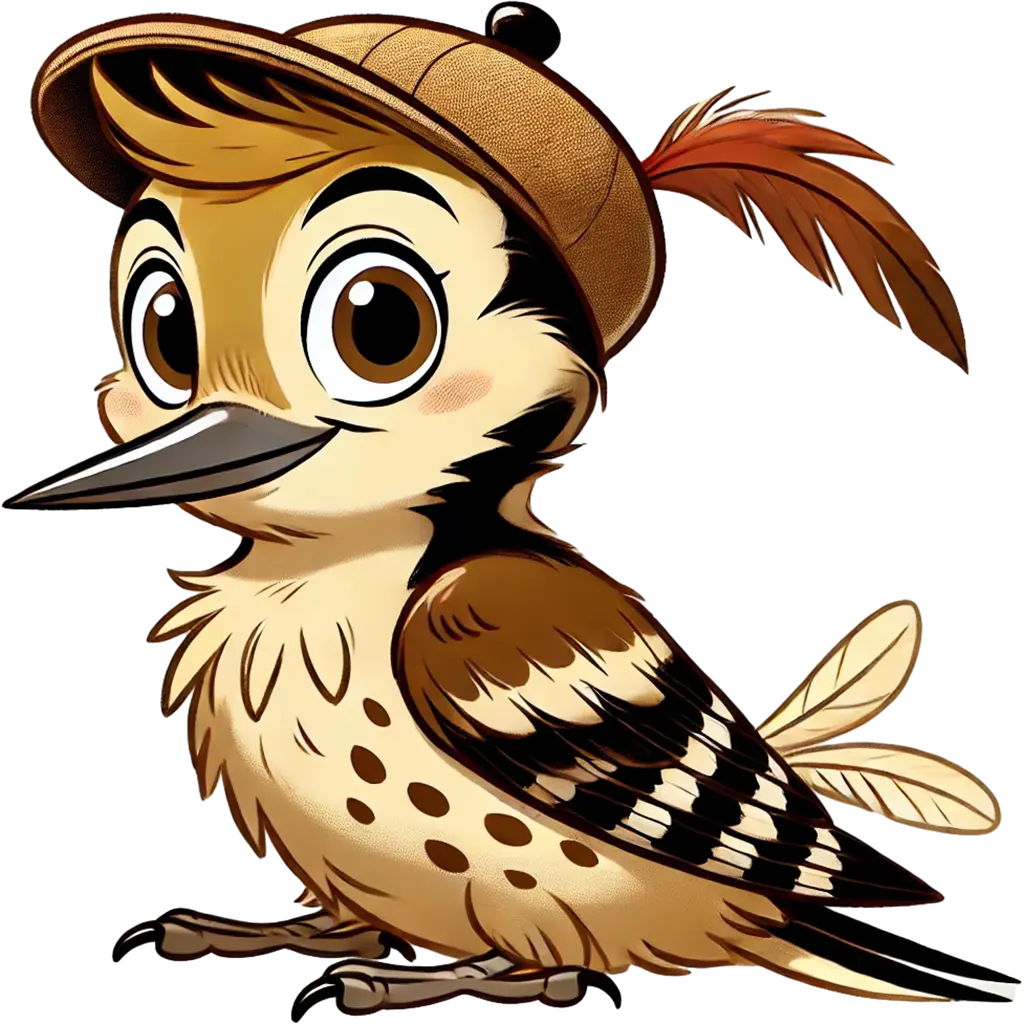
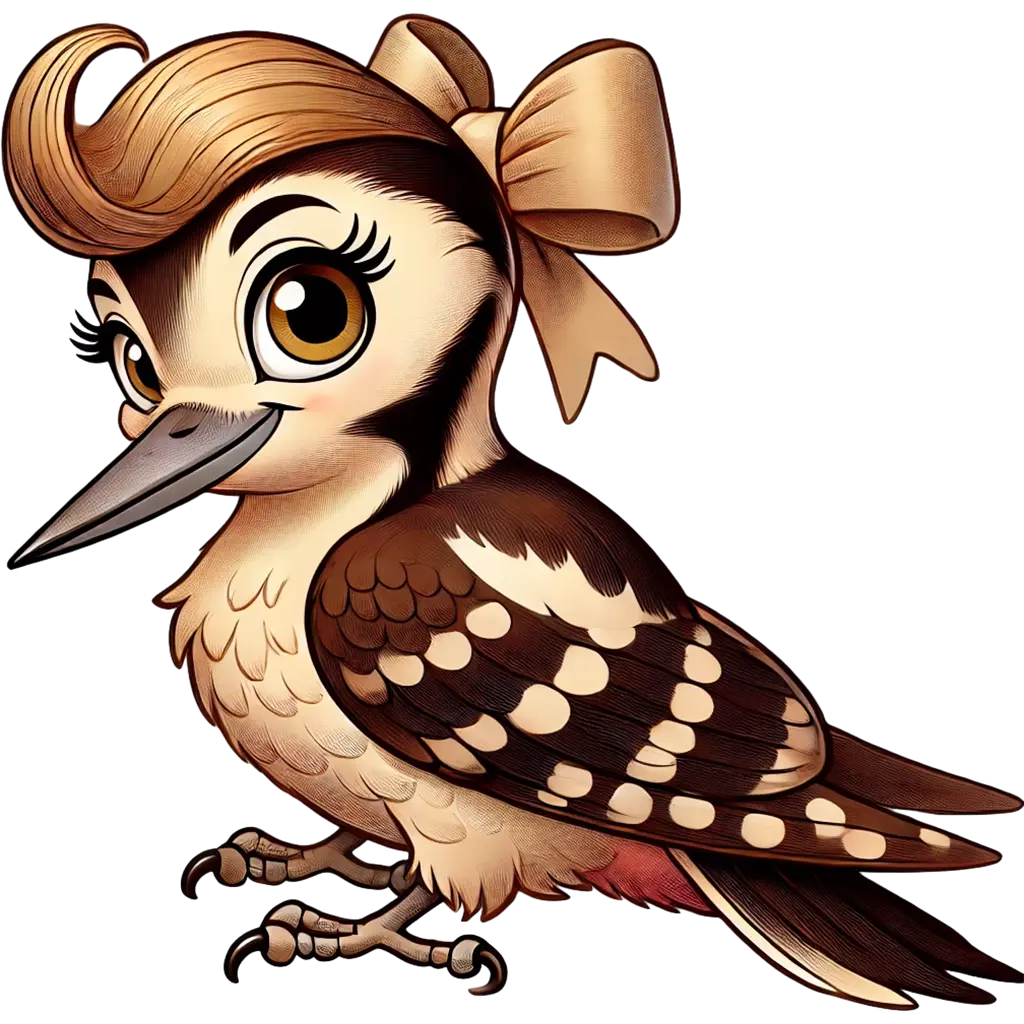
Middle Spotted Woodpeckers have a characteristic red crown, setting them apart from other woodpeckers.
These birds prefer deciduous forests, especially oak trees, for foraging. Unlike other woodpeckers, they lack a distinct drumming sound, instead, they make quieter calls. They primarily feed on insects and larvae, using their long tongue to extract them from crevices.

Download word search puzzles
Word Search Puzzles
Check Out Other Birds
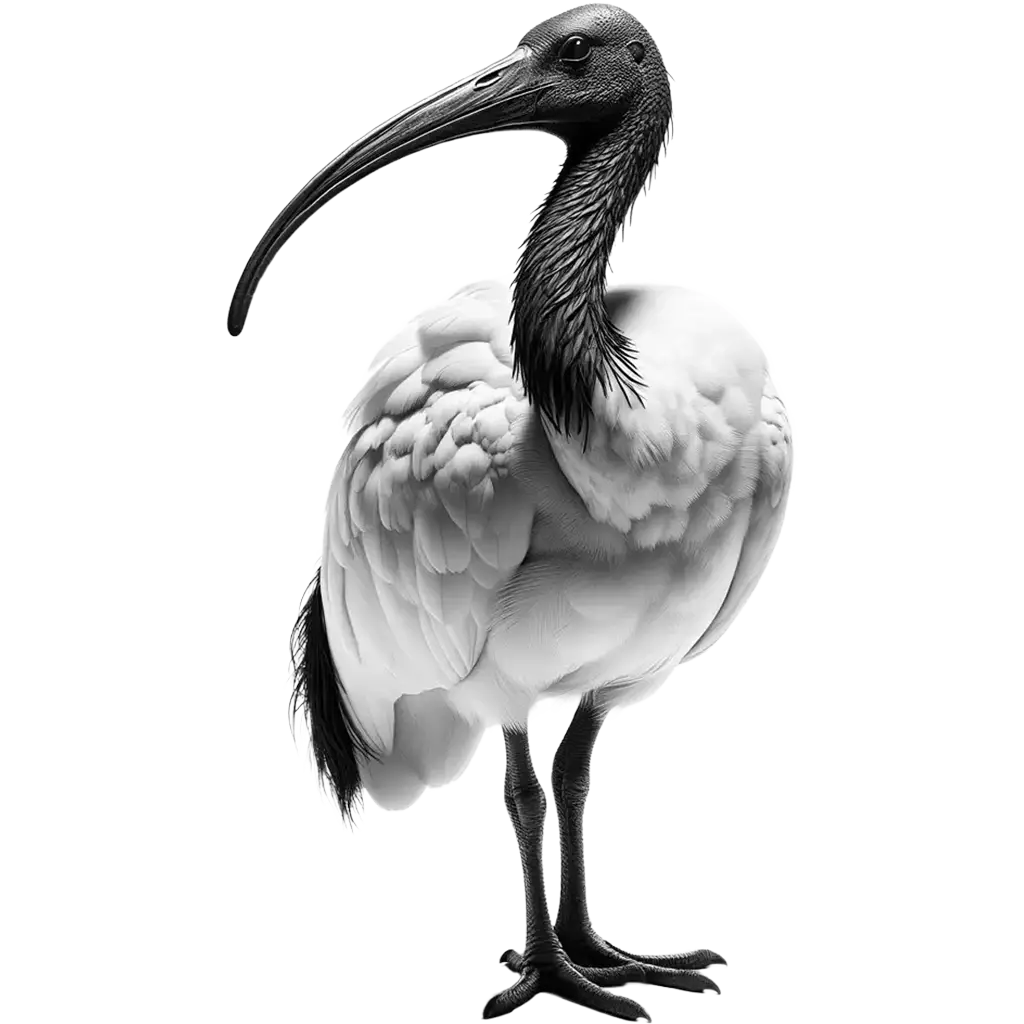
The African Sacred Ibis, threskiornis aethiopicus, is a striking wading bird native to sub-Saharan Africa and parts of Iraq. It is notable for its predominantly white plumage, contrasting black head and neck, and an impressive wingspan that features black flight feathers. Adults typically measure about 68 to 89 cm in

The Greater Scaup, aythya marila, is a medium-sized diving duck known for its circumpolar distribution, breeding in the northernmost reaches of Europe, Asia, and North America, and wintering further south in coastal bays, estuaries, and inland lakes. Males are recognizable by their dark, iridescent green heads, bright yellow eyes, and
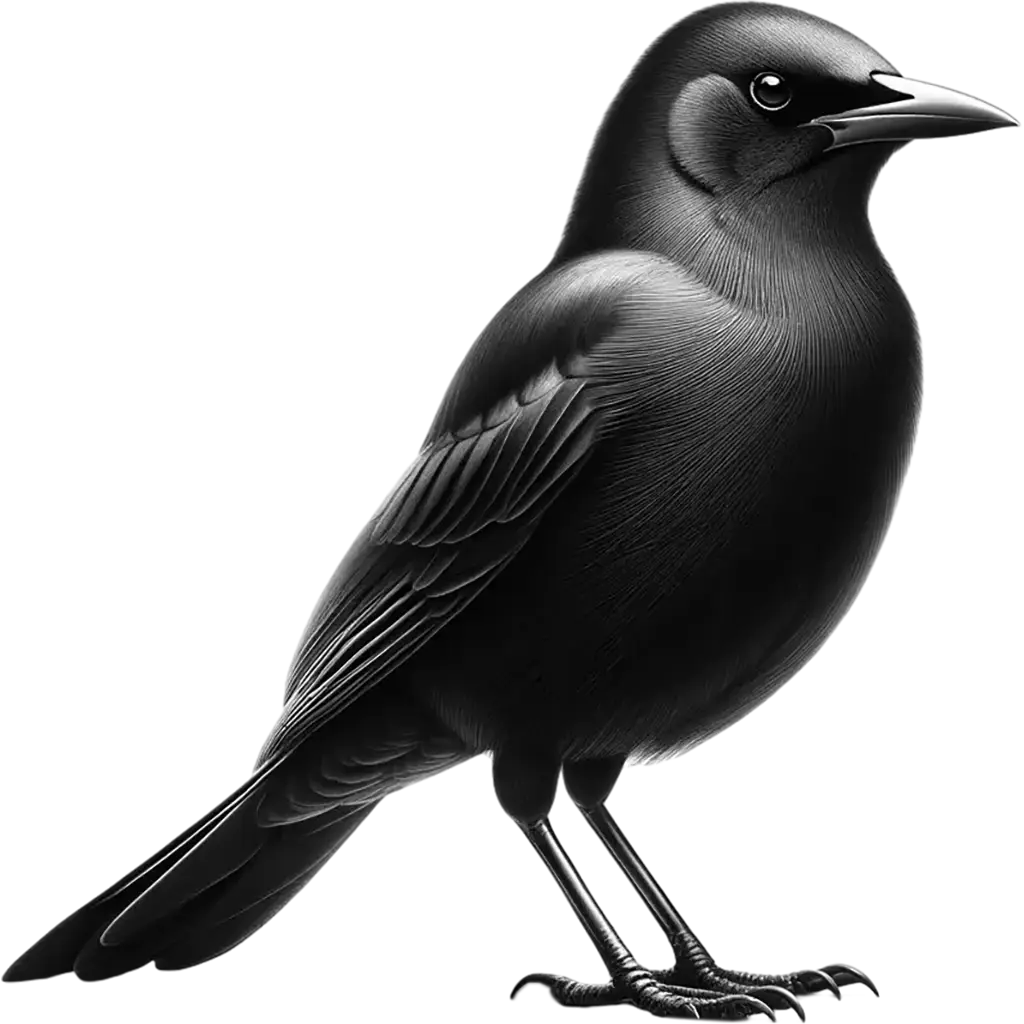
The Common Grackle, quiscalus quiscula, is a medium-sized bird native to North America, recognized for its iridescent black plumage and distinctive long tail. Adult grackles measure approximately 28 to 34 cm in length, with a wingspan of 36 to 46 cm. Males are slightly larger than females and exhibit a

African Penguins exhibit a striking tuxedo-like appearance with vivid black and white plumage. Their compact, robust bodies and short, powerful flippers allow them to swim gracefully through the ocean, while bright red-orange patches near the eyes add a touch of color. Their overall look combines elegance and functional design, perfectly