
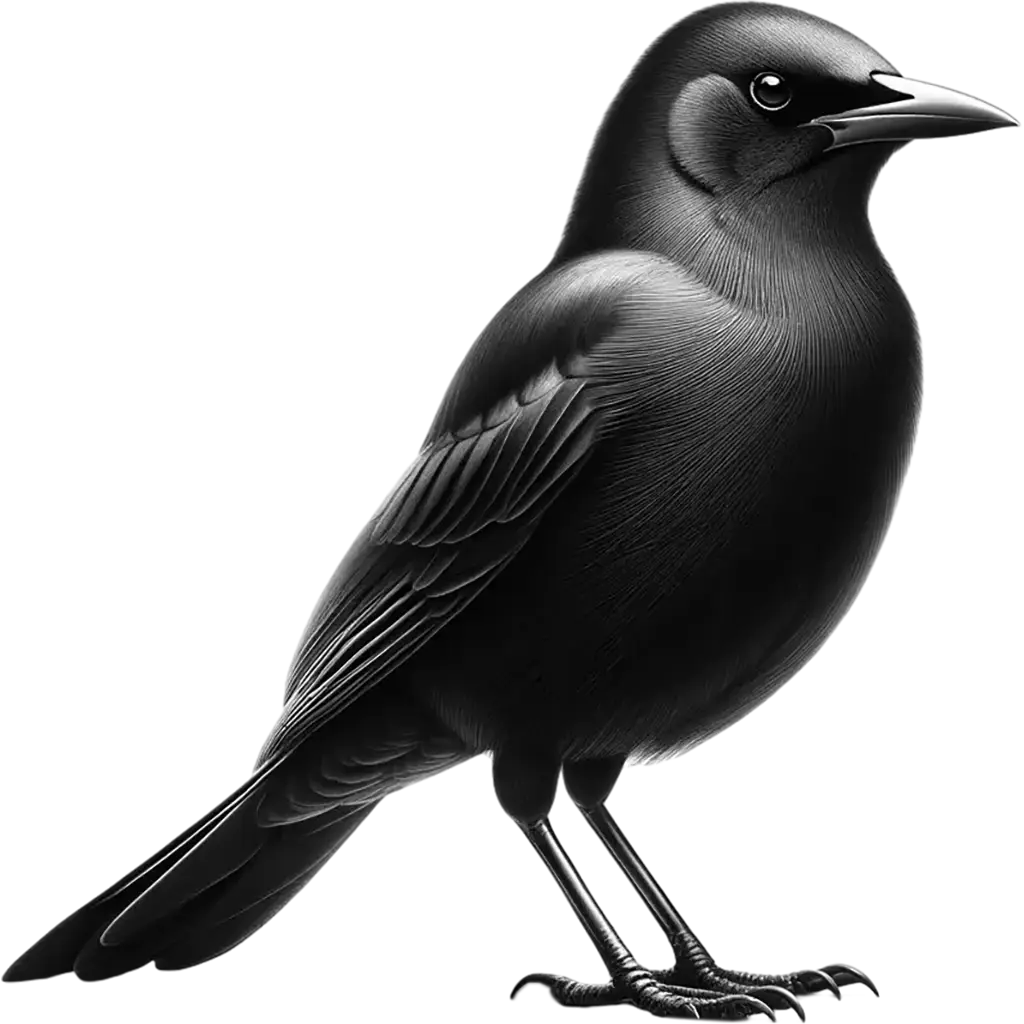
Quiscalus Quiscula
Common Grackle
Varied, including open woodlands, fields, parks, and urban areas
The Common Grackle, quiscalus quiscula, is a medium-sized bird native to North America, recognized for its iridescent black plumage and distinctive long tail. Adult grackles measure approximately 28 to 34 cm in length, with a wingspan of 36 to 46 cm. Males are slightly larger than females and exhibit a striking glossy sheen that reflects blue, green, or purple in the light. Their eyes are a notable bright yellow or golden, creating a sharp contrast against their dark feathers. The bird's strong, pointed beak is well-suited for a varied diet, contributing to its adaptability across diverse environments.
| Population: | Listed as Least Concern, with widespread and abundant populations |
| Generation Length: | 4-5 years |
| Average Weight: | 100-140 grams |
| Average Length: | 28-34 cm, with a wingspan of 36-46 cm |
| Lifespan: | 10-15 years in the wild |
| Diet: | Highly adaptable, depending on available food sources |
| Conservation Status: | Near Threatened (NT) |
Common Grackles inhabit a wide range of areas, including forests, fields, marshes, and urban settings, from the eastern Rockies to the Atlantic coast. They are highly social birds, often found in large flocks, especially during migration or in their wintering grounds. These flocks can include thousands of individuals, creating impressive, noisy groups that forage and roost together.
The diet of the Common Grackle is omnivorous, consisting of insects, seeds, grains, fruits, and even small vertebrates and bird eggs. This varied diet allows them to thrive in a wide range of habitats and contributes to their success as a species. In agricultural areas, they are often considered pests due to their tendency to feed on crops.
Reproduction for Common Grackles involves monogamous pairings, with the breeding season beginning in early spring. Females build nests in trees or shrubs, using twigs, grass, and mud, where they lay 4 to 6 eggs. Both parents participate in feeding and protecting the young, which fledge about two weeks after hatching.
The population of the Common Grackle is considered stable, though there have been local declines in some areas. While they are common and widespread, their adaptability to human-altered landscapes has led to increased interactions with humans, sometimes resulting in conflict, especially in agricultural settings. Conservation efforts for the Common Grackle focus on habitat preservation and understanding their role within ecosystems.
Classifications
The Key Attributes
Features
- Movement:
Flying, walking
- Territorial Behavior:
Social, often forming large flocks outside of breeding season
- Speed:
Fast flier, capable of quick maneuvers
- Diet:
Omnivore
- Physical Features:
- Long, keel-shaped tail
- Strong, straight bill
- Iridescent plumage, often with a blue or purple sheen on the head and body
- Strong legs and feet for foraging on the ground
- Primary Senses:
- Sight
- Hearing
Understanding Habitat and Range
Geography
- Habitat:
Varied, including open woodlands, fields, parks, and urban areas
- Migration Patterns:
Partially migratory, with northern populations moving southward in winter
- Geographical Range:
North America, primarily in the United States and parts of Canada and Mexico
- Climate Preferences:
Adaptable to a range of climates, from temperate to subtropical
Navigating the Wilderness
In the wild
- Predators:
Birds of prey, snakes, and mammals like raccoons
- Prey:
Insects, seeds, grains, fruits, small animals
- Feeding Behavior:
Feeds on a wide range of food, including insects, seeds, grains, fruits, and occasionally small vertebrates and other birds' eggs
- Diet:
Highly adaptable, depending on available food sources
- Defensive Mechanisms:
- Forming large flocks to deter predators
- Mimicry and aggressive behavior to protect nesting sites
- Quick flight and evasive actions when threatened
- Preferred Food Sources:
- Fields and lawns for foraging on the ground, trees and shrubs for fruits and seeds
Insights Into Reproduction
Mating
- Mating System:
Monogamous, with pair bonds often lasting several breeding seasons
- Number of Offspring:
4-7 eggs per brood
- Incubation Period:
About 12-14 days
- Parental Involvement:
- Both parents involved in nesting and feeding the young
Youngsters Section
Common Grackle
Fun Fact
The common grackle is known for its iridescent plumage and striking yellow eyes.
These birds can mimic sounds and are often found in large, noisy flocks. They have a distinct keel-shaped tail and are opportunistic feeders, eating anything from insects to garbage. Grackles are known to follow plows in fields, searching for unearthed insects.

Download word search puzzles
Word Search Puzzles

Check Out Other Birds
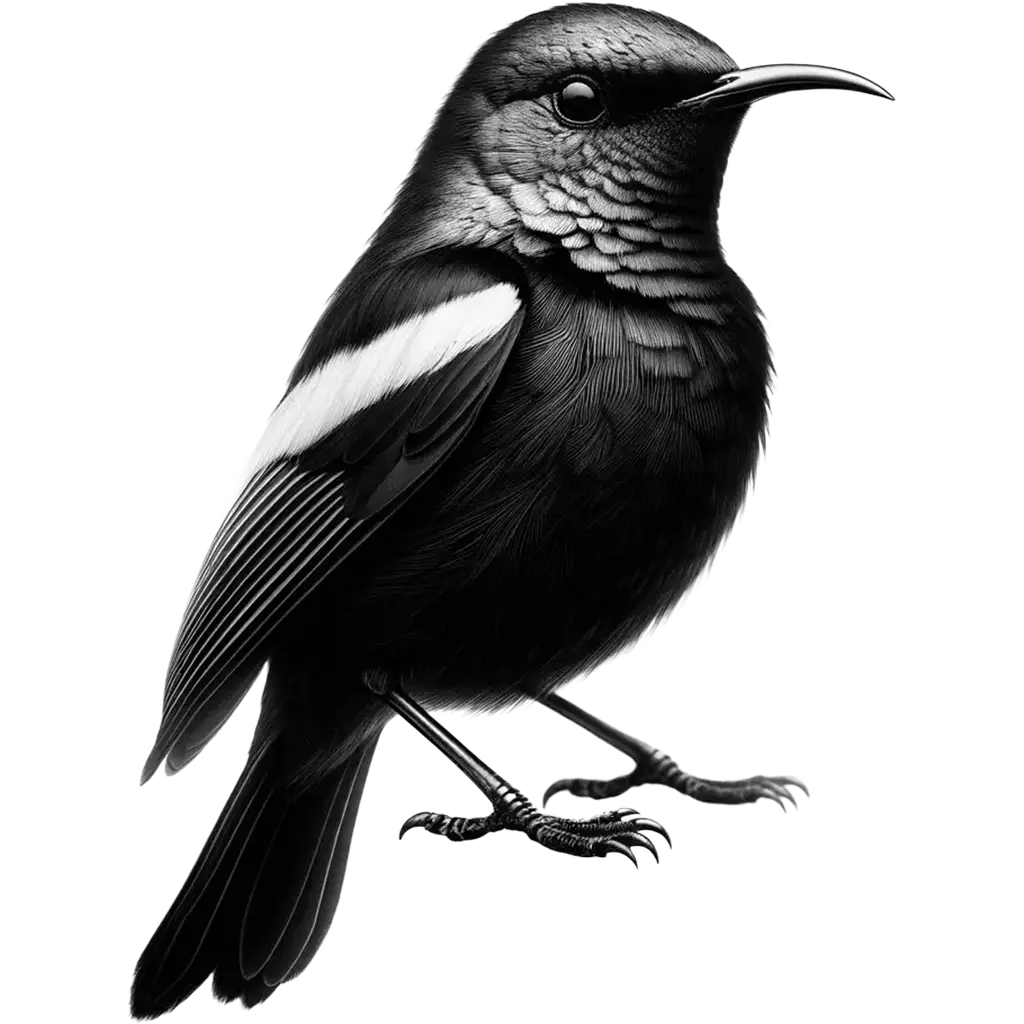
The Nile Valley Sunbird, hedydipna metallica, is a dazzling, small bird species known for its iridescent plumage and energetic behavior. Males are particularly striking, with metallic green feathers covering their head and back, contrasting beautifully with their dark, forked tails and the bright yellow underparts. Females and juveniles have a
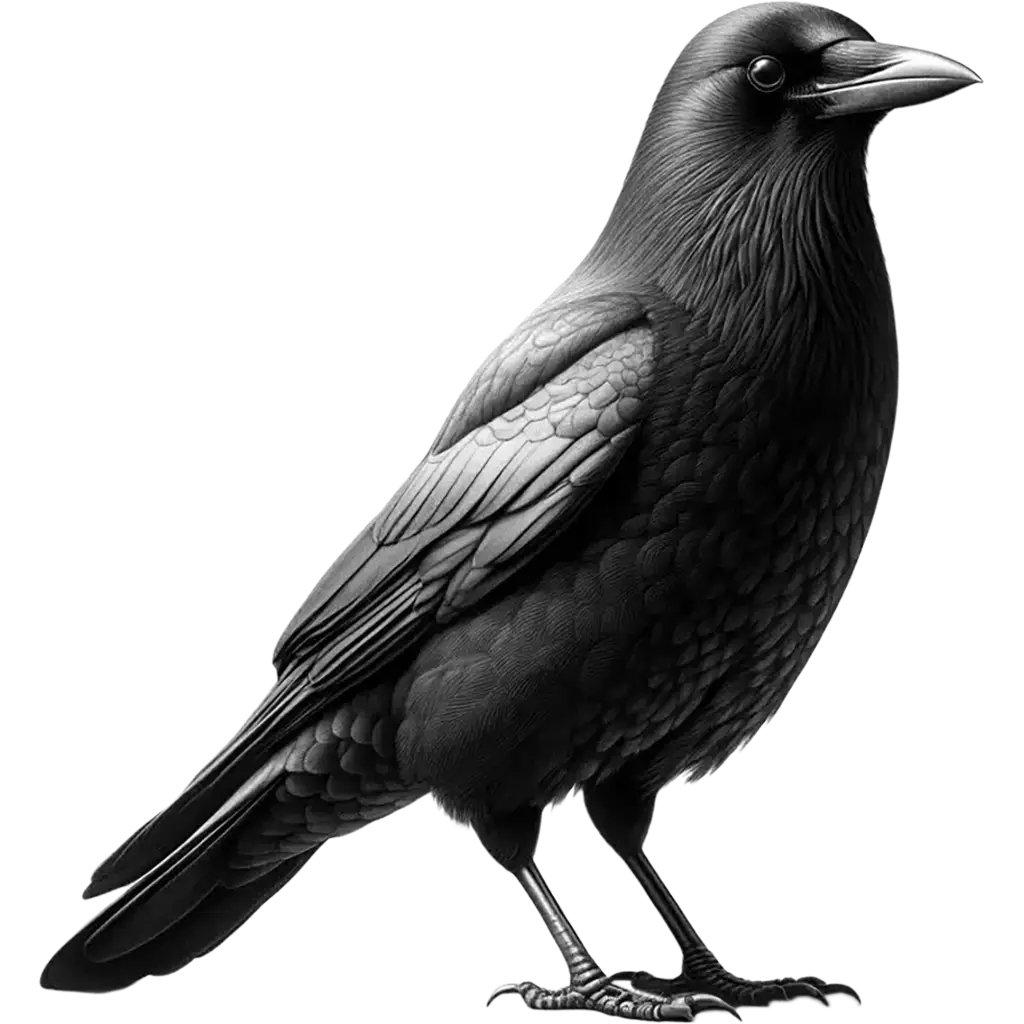
The Little Crow, corvus bennetti, is a species of bird found primarily in Australia, notable for its adaptability and resilience in various environments. This bird is smaller than other crows, measuring approximately 48 cm in length, with a sleek, all-black plumage that may appear slightly brown in direct sunlight. The

The Wedge-Tailed Eagle, aquila audax, is a powerful bird of prey and one of the largest eagles in the world, recognized by its long, distinctive wedge-shaped tail. Adults can have a wingspan of up to 2.5 meters and weigh between 3 to 6 kg, with females generally larger than males.
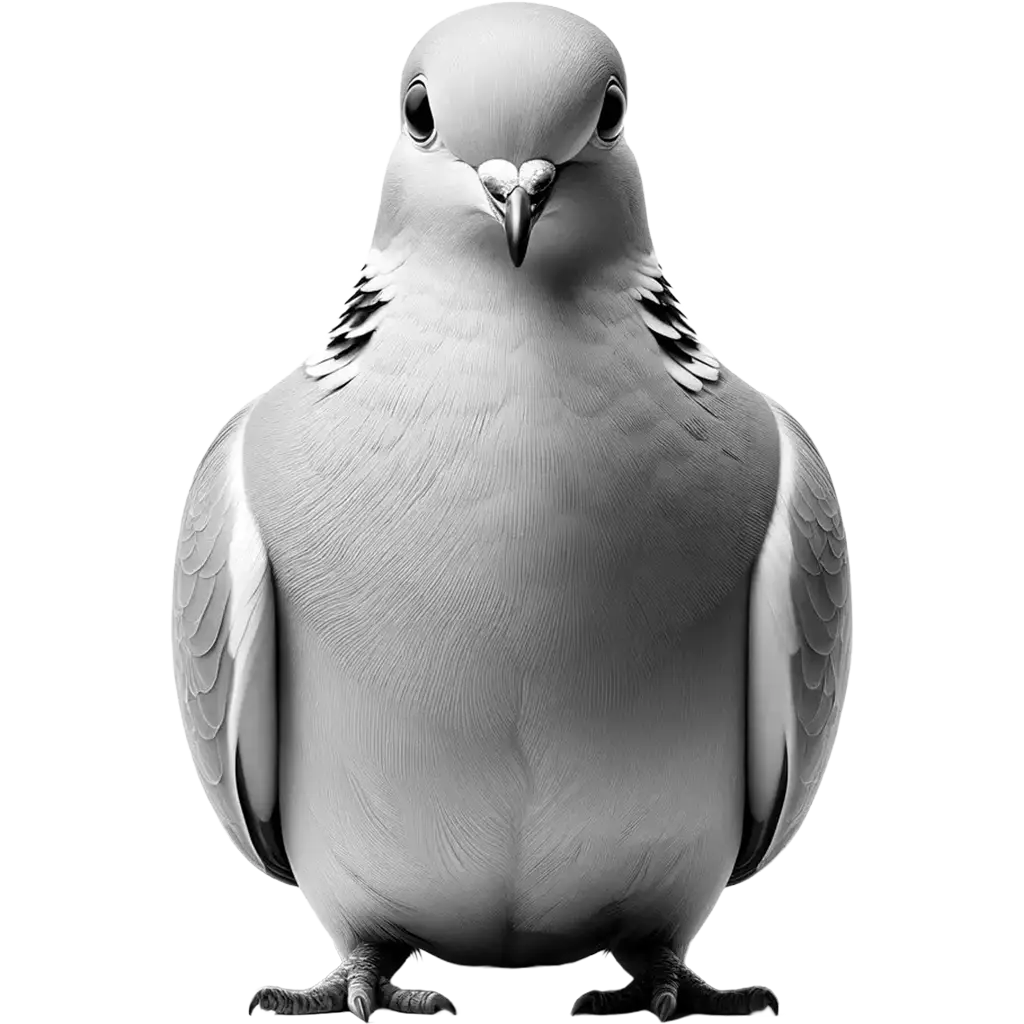
The Common Wood Pigeon, columba palumbus, is a large species of pigeon that is widespread across Europe, western Asia, and North Africa. It is easily recognizable by its size, measuring 38 to 44 cm in length and weighing between 300 to 600 grams, making it one of the larger pigeons