
Leptotila Megalura
Yungas Dove
Humid montane forests, particularly within the Yungas region
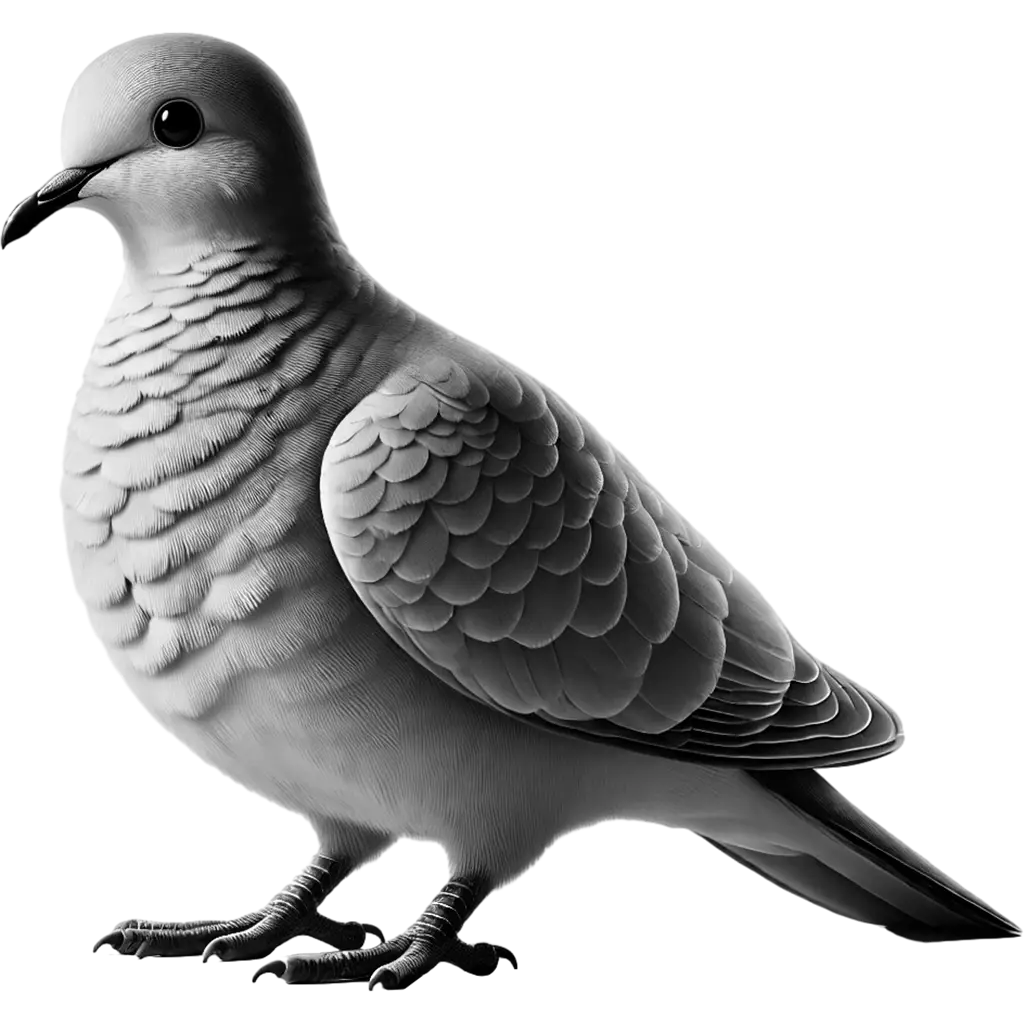
The Yungas Dove is a small, delicate bird with soft, muted plumage in shades of gray and brown that helps it blend seamlessly into the dense montane forests of the Yungas. Its subtle wing streaks and slender body are perfectly designed for agile flight among the trees, while a short, conical bill allows it to skillfully pick tiny fruits and seeds from low-hanging branches. The bird's long, delicate tail adds to its graceful silhouette, making it an unobtrusive yet elegant resident of its forest home.
| Population: | Common in Yungas forests, but vulnerable to deforestation, fragmentation, and land-use changes |
| Generation Length: | 3.5 years |
| Average Weight: | Approximately 10-12 grams |
| Average Length: | Approximately 9-11 cm |
| Lifespan: | Approximately 3-4 years in the wild; up to 5 years in captivity |
| Diet: | Frugivorous |
| Conservation Status: | Least Concern (LC) |
Active during daylight hours, the Yungas Dove flits effortlessly through the forest canopy and along the understory, engaging in a constant search for food. Its flight is characterized by quick, darting maneuvers and gentle glides, allowing it to navigate the complex structure of the Yungas with ease. During the breeding season, males become more vocal and slightly territorial, using soft calls to communicate with potential mates and to stake out small feeding or nesting areas.
Feeding primarily on a diet rich in fruits and seeds, the Yungas Dove plays an important ecological role in seed dispersal. It forages methodically on the forest floor and among low branches, often pausing to inspect clusters of berries or small fruits. This foraging behavior not only fulfills its nutritional needs but also aids in the propagation of native plant species throughout the forest. Occasional insect consumption further supplements its diet, providing additional protein during lean periods.
The breeding behavior of the Yungas Dove is characterized by monogamous pairings during the reproductive season. Pairs engage in brief, intimate courtship displays that include soft vocalizations and subtle physical interactions. Once a pair forms, they collaborate in constructing a small, concealed nest in the canopy or among dense shrubbery. The female typically lays 2-3 eggs, which hatch after 14-16 days of incubation, with both parents sharing in the care and protection of the hatchlings until they are ready to fledge.
Although the Yungas Dove is common in pristine forest patches, its restricted range and the ongoing pressures of deforestation and habitat fragmentation make it vulnerable. Conservation initiatives focused on preserving the integrity of the Yungas forests and promoting sustainable land use are critical to ensuring the long-term survival of this modest yet ecologically significant species.
Classifications
The Key Attributes
Features
- Movement:
Agile and active within the forest canopy, the Yungas Dove flits effortlessly between trees and bushes, displaying swift, fluttering flight patterns.
- Territorial Behavior:
Males can be somewhat territorial during the breeding season, defending small feeding or nesting areas with soft vocalizations, while outside this period, they often move in loose social groups.
- Speed:
Moderate, with quick bursts when foraging or evading predators.
- Diet:
Primarily frugivorous, feeding on small fruits, berries, and seeds, with occasional insect supplementation to meet its nutritional needs.
- Physical Features:
- Small, slender body with soft, muted plumage in shades of gray and brown
- Subtle streaks along the wings and back
- A short, conical bill ideally suited for picking tiny fruits
- A long, delicate tail that aids in maneuverability during flight
- Primary Senses:
- Sight
- Hearing
Understanding Habitat and Range
Geography
- Habitat:
Humid montane forests, particularly within the Yungas region
- Migration Patterns:
Non-migratory; local movements are driven by seasonal food availability and roosting needs.
- Geographical Range:
Endemic to parts of the Yungas region in South America, particularly in Bolivia, Argentina, and adjacent areas.
- Climate Preferences:
Thrives in tropical to subtropical climates with high humidity and regular rainfall.
Navigating the Wilderness
In the wild
- Predators:
Small raptors and arboreal snakes may prey on juveniles; adults rely on camouflage and quick flight to avoid threats.
- Prey:
Primarily small fruits, berries, and seeds, with occasional insects adding protein to the diet.
- Feeding Behavior:
Forages by hopping among low branches and understory vegetation, carefully gleaning fruits and seeds while remaining vigilant.
- Diet:
Frugivorous
- Defensive Mechanisms:
- Effective camouflage within dense foliage
- Rapid, agile flight to escape predators
- Preferred Food Sources:
- Fruiting shrubs and trees
- Small berries and seeds
Insights Into Reproduction
Mating
- Mating System:
Generally monogamous during the breeding season, with males using soft calls and subtle displays to attract females.
- Number of Offspring:
Typically 2-3 eggs per clutch.
- Incubation Period:
Eggs hatch after approximately 14-16 days of incubation.
- Parental Involvement:
- Both parents participate in nest building and in feeding the chicks until they fledge.
Youngsters Section
Yungas Dove
Fun Fact
The soft, cooing calls of the Yungas Dove are a familiar sound in the Yungas forests, symbolizing the rich biodiversity of these unique ecosystems.
By dispersing seeds as they forage, these doves play a crucial role in forest regeneration, helping to maintain the health and diversity of their native habitat.

Download word search puzzles
Word Search Puzzles
Check Out Other Birds
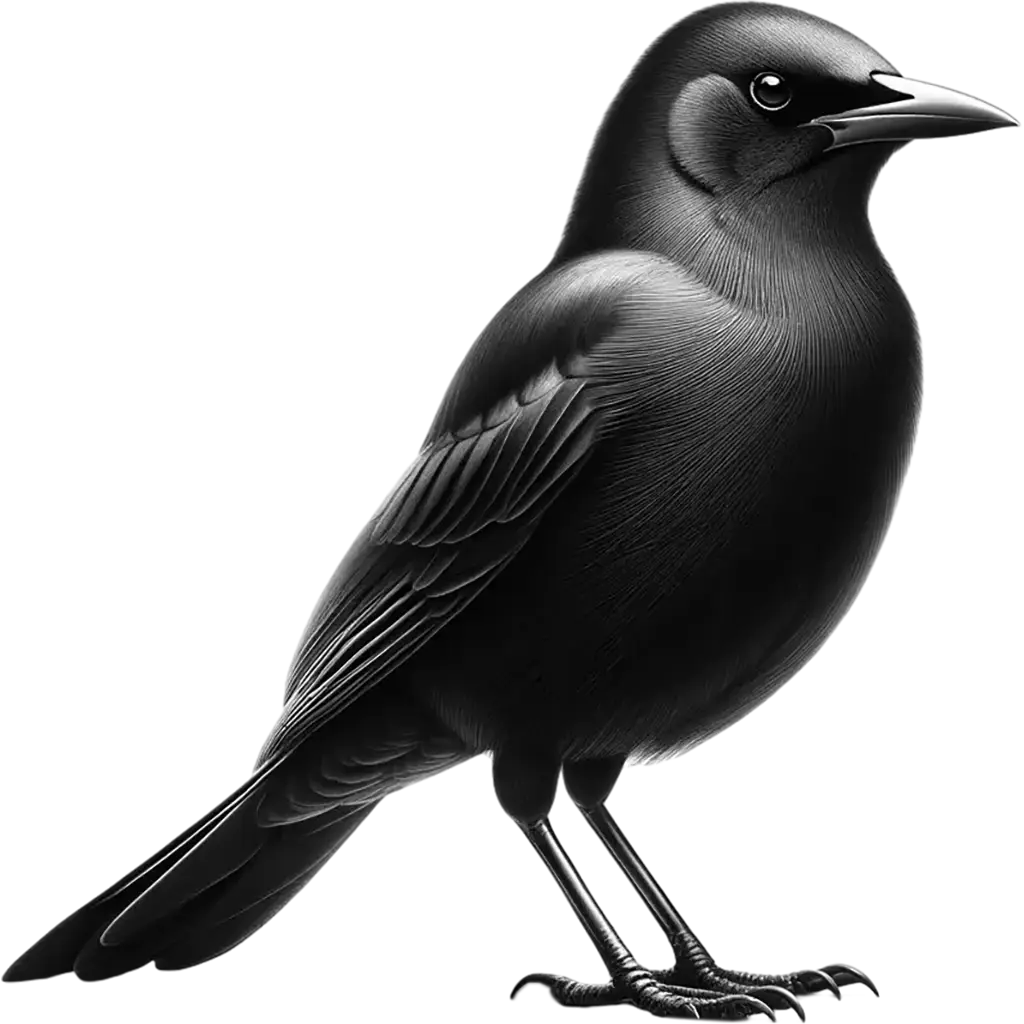
The Common Grackle, quiscalus quiscula, is a medium-sized bird native to North America, recognized for its iridescent black plumage and distinctive long tail. Adult grackles measure approximately 28 to 34 cm in length, with a wingspan of 36 to 46 cm. Males are slightly larger than females and exhibit a
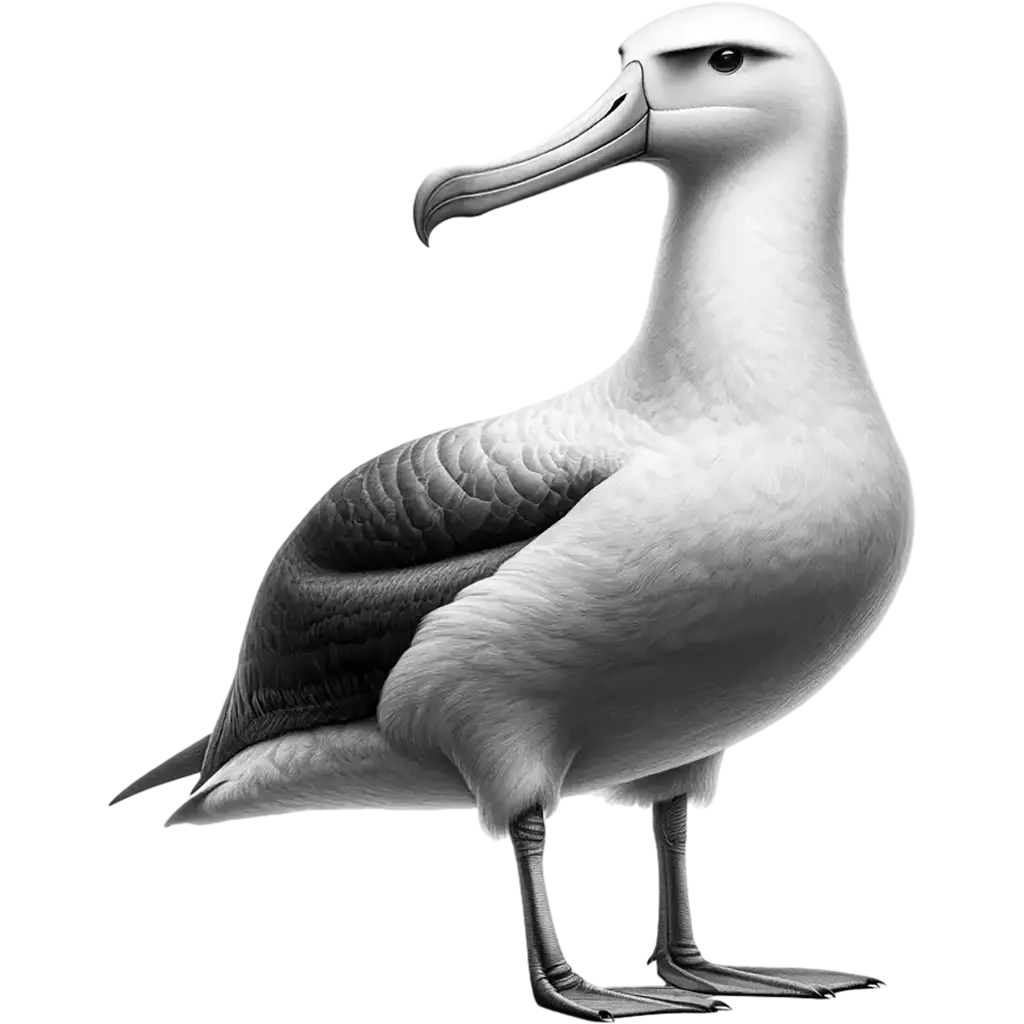
The Snowy Albatross, Diomedea exulans, is a marvel of the avian world, holding the record for the longest wingspan of any living bird, typically ranging from 2.5 to 3.5 meters. Adults are predominantly white, with black-tipped wings and a pale pink bill. They are highly adapted to life at sea,
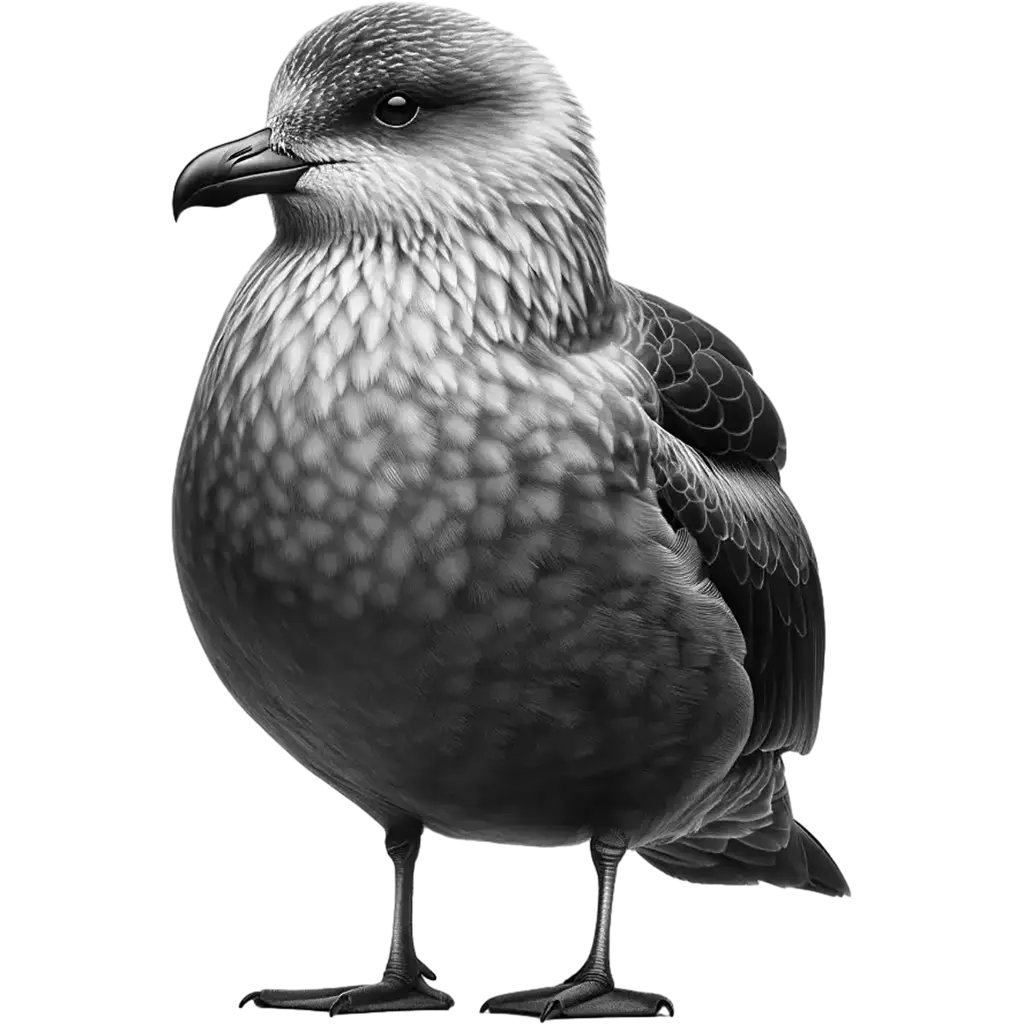
The Pomarine Jaeger, stercorarius pomarinus, is a robust seabird known for its powerful flight and aggressive hunting tactics. This species exhibits considerable size variation, with a length ranging from 45 to 60 cm and a wingspan of 110 to 135 cm, making it the largest of the jaeger species. It

Sabine's Gull, xema sabini, is a small and distinctive seabird known for its striking plumage and unique migratory patterns. Adults display a slender, graceful profile with a wingspan of approximately 81 to 84 cm. Their summer plumage features a dark hood, white triangles on the leading edges of the wings,