

Nestor Notabilis
Kea
Mountainous and forested regions, alpine and subalpine zones
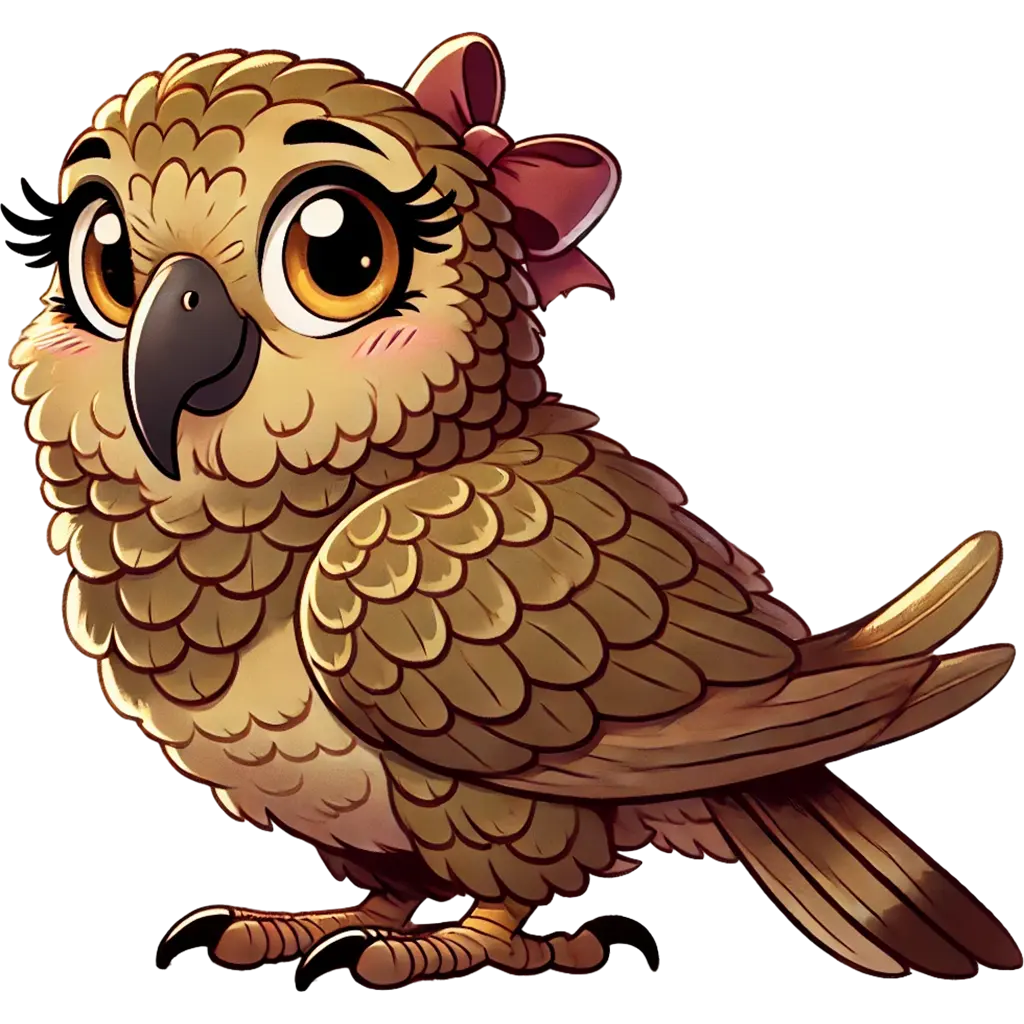
The Kea, nestor notabilis, is a highly intelligent and curious parrot native to the South Island of New Zealand. Known for its striking olive-green plumage with brilliant orange underwings, the Kea is a large bird, measuring around 48 cm in length and weighing between 800 to 1,000 grams. Its strong, curved beak is well adapted for a variety of uses, from accessing food to manipulating objects. The Kea's playful and mischievous nature is matched by a keen intelligence, which has been observed in their problem-solving abilities and use of tools.
| Population: | Listed as Endangered due to declining population numbers |
| Generation Length: | 5 years |
| Average Weight: | 800-1,000 grams |
| Average Length: | 48 cm in length |
| Lifespan: | 10-15 years in the wild, can live longer in captivity |
| Diet: | Omnivorous, with seasonal variation in diet based on available resources |
| Conservation Status: | Endangered (EN) |
Keas inhabit forested and alpine regions of the South Island, where they have adapted to a harsh, variable climate. They are the world's only alpine parrot, capable of surviving in cold temperatures and snowy conditions. Keas are highly social birds, living in groups or 'flocks' that can number over a hundred individuals. Their social structure is complex, involving interactions that include cooperative play and communal problem-solving.
The diet of the Kea is omnivorous and includes leaves, berries, nectar, and insects. They are also known to scavenge on carcasses and, controversially, to prey on live sheep. This adaptability in feeding habits highlights the Kea's intelligence and opportunistic nature, allowing them to exploit various food sources throughout the year.
Reproduction for Keas occurs from July to January, with pairs forming strong bonds and often mating for life. Nests are usually located in high, inaccessible places such as rock crevices or hollow trees. Females lay 2 to 4 eggs per clutch, which are incubated for about 4 weeks. Both parents share in feeding and caring for the chicks, which fledge at around 10 to 12 weeks of age.
The population of the Kea has declined significantly, leading to its classification as 'Endangered'. Threats to the Kea include predation by introduced species, lead poisoning from human-made objects, and conflicts with humans, particularly in areas where Keas are accused of preying on livestock. Conservation efforts are focused on habitat protection, predator control, and reducing human-wildlife conflict to ensure the survival of this unique and charismatic bird.
Classifications
The Key Attributes
Features
- Movement:
Flying, walking
- Territorial Behavior:
Social, living in groups
- Speed:
Adept fliers, capable of maneuvering through mountainous terrain
- Diet:
Omnivore
- Physical Features:
- Large, curved beak for foraging and manipulating objects
- Olive-green plumage with a grey underbelly and bright orange underwings
- Strong legs and zygodactyl feet (two toes facing forward and two backward) for climbing and holding food
- Intelligent and curious, known for problem-solving abilities
- Primary Senses:
- Sight
- Hearing
- Touch
Understanding Habitat and Range
Geography
- Habitat:
Mountainous and forested regions, alpine and subalpine zones
- Migration Patterns:
Non-migratory, but can move altitudinally with seasonal changes
- Geographical Range:
Endemic to the South Island of New Zealand
- Climate Preferences:
Prefers cooler, mountainous environments
Navigating the Wilderness
In the wild
- Predators:
Introduced mammals like stoats and cats
- Prey:
Insects, small mammals, birds, and carrion
- Feeding Behavior:
Feeds on a variety of food sources, including plants, insects, and small animals; known to scavenge human refuse
- Diet:
Omnivorous, with seasonal variation in diet based on available resources
- Defensive Mechanisms:
- Flight to escape predators
- Use of intelligence to avoid danger and solve problems
- Social cooperation for defense and foraging
- Preferred Food Sources:
- Diverse, depending on availability; includes both native and introduced food sources
Insights Into Reproduction
Mating
- Mating System:
Monogamous, with long-term pair bonds
- Number of Offspring:
2-4 eggs
- Incubation Period:
About 4 weeks
- Parental Involvement:
- Both parents share in the care of offspring, from incubation to feeding
Youngsters Section
Kea
Fun Fact
The kea is a unique parrot native to New Zealand, known for its intelligence and curiosity.
These alpine parrots are famous for their playful nature and problem-solving skills. Keas are often seen interacting with tourists, unzipping bags, or dismantling cars. Their intelligence rivals that of primates, and they are one of the few birds known to use tools in the wild.

Download word search puzzles
Word Search Puzzles

Check Out Other Birds
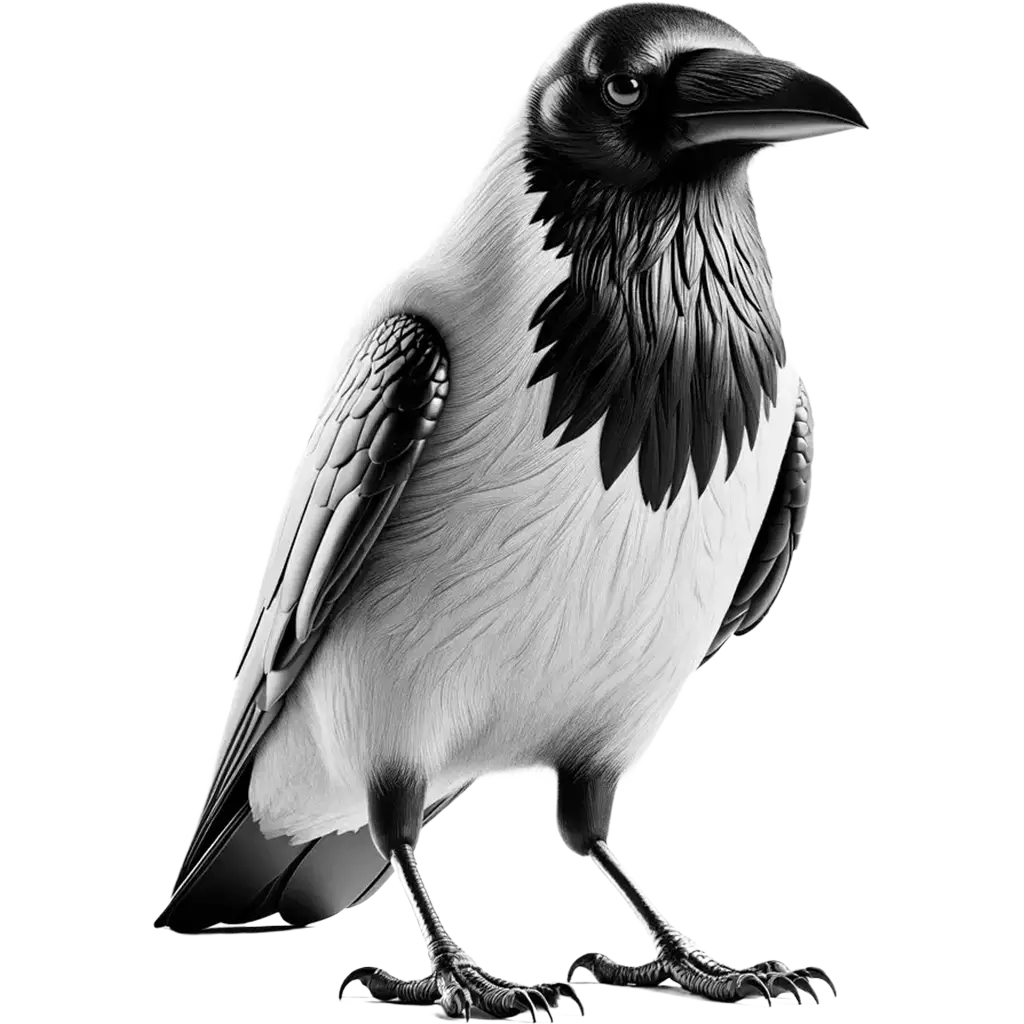
The Carrion Crow, corvus corone, stands out with its all-black plumage, which shimmers with iridescent tones of blue and green in sunlight. This bird is medium-sized, measuring approximately 48 to 52 cm in length, with a robust build and a strong, thick beak suited for its versatile diet. Its piercing

The American Flamingo, phoenicopterus ruber, is a vibrant bird known for its striking pink feathers, long, lean legs, and distinctive downward-bending beak. This species stands tall, reaching heights of up to 1.2 to 1.45 meters. The intensity of their pink coloration, which ranges from light pink to a more intense

The Grey-headed lovebird, agapornis canus, also known as the Madagascar Lovebird, is a small parrot species native to Madagascar and the Comoros islands. This diminutive bird is notable for its distinctive sexual dimorphism; males boast a mostly grey head and neck, which sharply contrasts with their bright green body, while
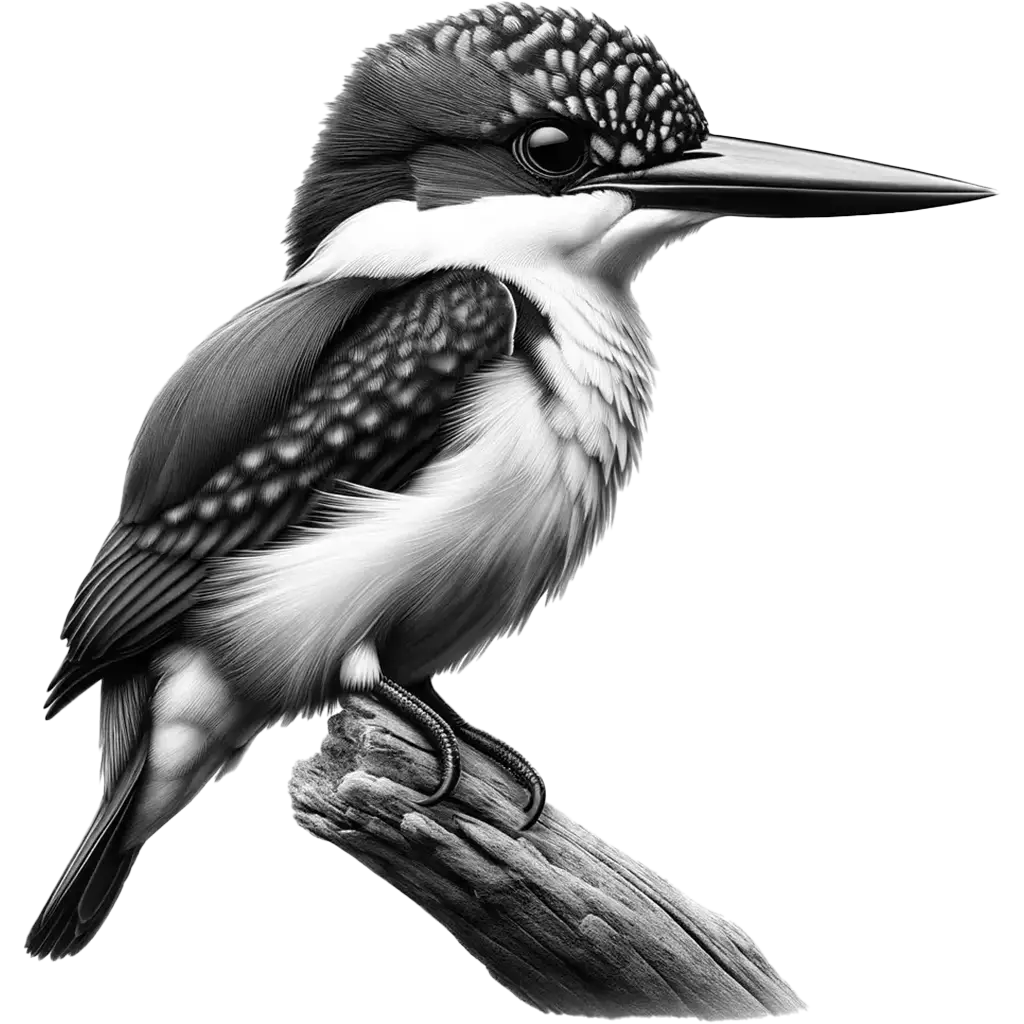
The Malachite Kingfisher, corythornis cristatus, is a small, vibrantly colored bird, renowned for its brilliant plumage and striking appearance. Measuring approximately 13 cm in length and weighing around 17 grams, this bird boasts a bright blue to turquoise upper body, with a contrasting rust-orange underparts. A distinctive feature is its