

Calidris Melanotos
Pectoral Sandpiper
Tundra and wetlands for breeding; coastal mudflats, estuaries, and marshes during migration and winter
The Pectoral Sandpiper, calidris melanotos, is a medium-sized shorebird distinguished by its streaked brown upperparts and white underparts, sharply divided by a distinctive brown breast band. This migratory bird measures approximately 21 to 23 cm in length, with a wingspan of 46 to 57 cm, and is characterized by its slightly downcurved bill and yellowish legs. The species exhibits sexual dimorphism, with males slightly larger than females and more pronounced in their breeding displays and vocalizations.
| Population: | Listed as Least Concern, but habitat changes and pollution pose potential risks |
| Generation Length: | 4-5 years |
| Average Weight: | 50-100 grams |
| Average Length: | 20-23 cm |
| Lifespan: | Up to 10 years in the wild |
| Diet: | Varied, primarily invertebrates during breeding season and more plant material in winter |
| Conservation Status: | Least Concern (LC) |
Native to the tundra of northeastern Siberia and North America, the Pectoral Sandpiper breeds in these high-latitude regions and migrates to South America, Australia, and New Zealand for the winter. This extensive migration underscores its adaptability and the broad range of wetland habitats it utilizes, from Arctic tundra pools during breeding to mudflats, marshes, and flooded fields during migration and wintering periods.
The diet of the Pectoral Sandpiper mainly consists of insects, worms, and other invertebrates, supplemented by seeds and plant matter. Its feeding behavior involves probing the mud with its bill, searching for prey in shallow waters or on wet ground, demonstrating its role as an important consumer of invertebrates in wetland ecosystems.
Reproduction for the Pectoral Sandpiper is notable for its lek mating system, where males gather in competitive displays to attract females. Males perform elaborate aerial displays and produce a deep, hooting call, with successful males mating with multiple females. Females are solely responsible for nest building, incubation, and rearing of the chicks, laying 3 to 4 eggs in a ground scrape lined with vegetation.
The population of the Pectoral Sandpiper is considered of Least Concern by the IUCN, although it faces threats from habitat degradation and loss, particularly in its migratory and wintering grounds. Conservation efforts are focused on protecting key habitats along its migratory route and ensuring the preservation of breeding and wintering areas to support the species' long-term survival. The Pectoral Sandpiper's wide range and remarkable migratory journey highlight the importance of international cooperation in the conservation of migratory bird species.
Classifications
The Key Attributes
Features
- Movement:
Flying, walking, wading
- Territorial Behavior:
Non-territorial outside of breeding season
- Speed:
Fast and agile fliers, capable of long-distance migrations
- Diet:
Omnivore
- Physical Features:
- Medium-sized sandpiper with a stout body and relatively short legs
- Sharp, pointed bill for probing in mud
- Distinctive chest band separating the grey-brown upperparts from the white belly
- Long wings for migration
- Primary Senses:
- Sight
- Touch
- Hearing
Understanding Habitat and Range
Geography
- Habitat:
Tundra and wetlands for breeding; coastal mudflats, estuaries, and marshes during migration and winter
- Migration Patterns:
Highly migratory, breeding in the Arctic and wintering in the Southern Hemisphere
- Geographical Range:
Circumpolar in the Arctic for breeding; migrates to South America, Australasia, and southern Africa for winter
- Climate Preferences:
Varies with season; breeds in cold arctic conditions and winters in temperate to tropical regions
Navigating the Wilderness
In the wild
- Predators:
Birds of prey, foxes, and large wading birds
- Prey:
Invertebrates, small aquatic organisms, and seeds
- Feeding Behavior:
Feeds on insects, crustaceans, and plant material, often probing in mud and shallow water
- Diet:
Varied, primarily invertebrates during breeding season and more plant material in winter
- Defensive Mechanisms:
- Camouflage plumage
- Flocking in large numbers to confuse predators
- Quick, erratic flight patterns
- Preferred Food Sources:
- Wetlands and coastal areas rich in invertebrates and seeds
Insights Into Reproduction
Mating
- Mating System:
Polygynous, with males displaying in lekking grounds
- Number of Offspring:
4 eggs typically per clutch
- Incubation Period:
About 21 days
- Parental Involvement:
- Females primarily responsible for incubation and care of the young
Youngsters Section
Pectoral Sandpiper
Fun Fact
The Pectoral Sandpiper is known for its remarkable long-distance migrations, traveling over 10,000 miles annually.
During the breeding season, the male inflates a chest sac, producing a unique hooting sound to attract mates. They breed in the Arctic tundra and migrate to South America for the winter, showcasing one of the most incredible migratory patterns among shorebirds.

Download word search puzzles
Word Search Puzzles


Check Out Other Birds
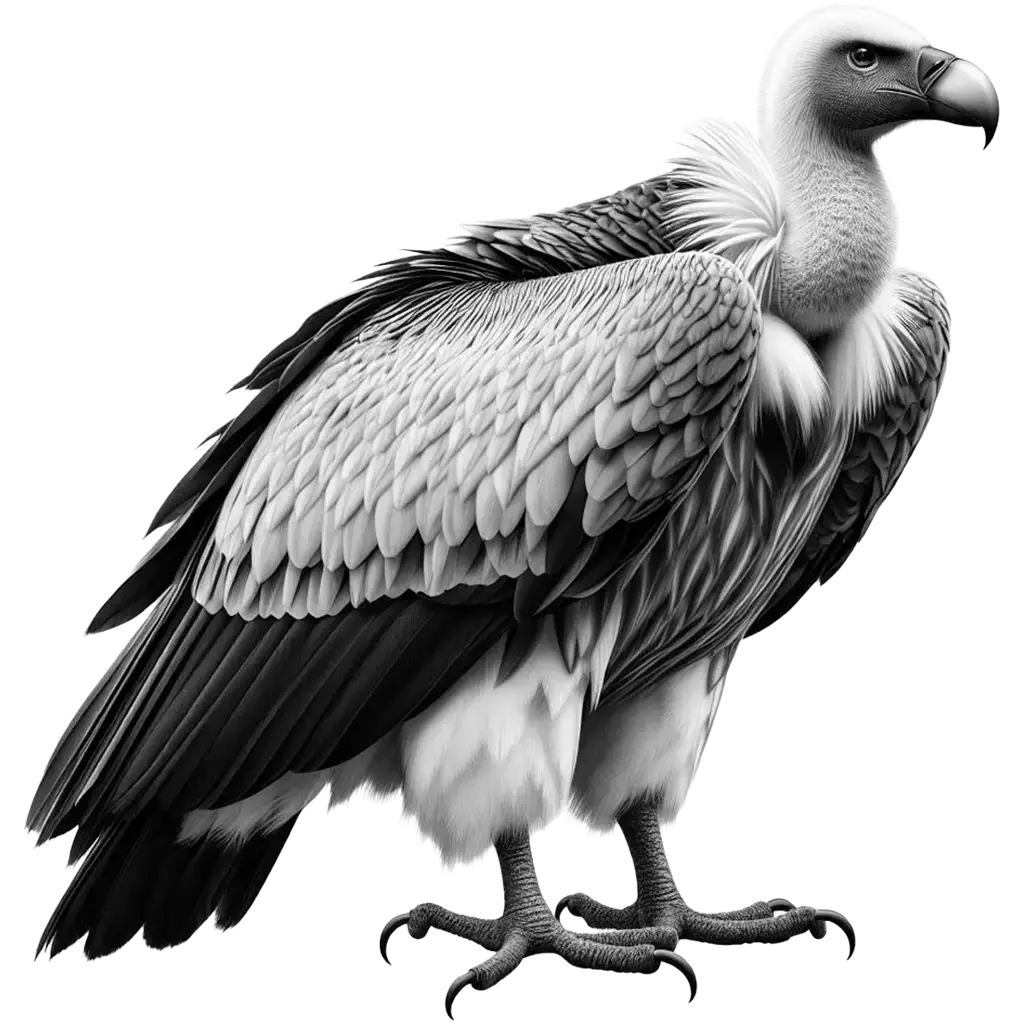
The Eurasian Griffon Vulture, gyps fulvus, is a majestic bird of prey, known for its impressive size and soaring flight. This species is one of the larger vultures, with a wingspan ranging from 230 to 280 centimeters (7.5 to 9.2 feet), and weighs between 6 to 11 kilograms (13 to

The Hawfinch, coccothraustes coccothraustes, is a robust and strikingly colored bird, known for its large size among finches, measuring up to 18 centimeters (7 inches) in length and weighing between 48 to 62 grams (1.7 to 2.2 ounces). Characterized by its massive bill capable of cracking even the hardest seeds,

The Java Sparrow, lonchura oryzivora, also known as the Java Finch, is a small, robust bird native to the islands of Java, Bali, and Bawean in Indonesia. Characterized by its striking appearance, the Java Sparrow has a plump body and a large beak that is unusually thick and comes in

The Grey-backed Tachuri is a diminutive bird, measuring approximately 9.5 to 10 centimeters in length and weighing around 6 grams. It features a gray crown with a subtle crest, a white supercilium (eyebrow line), and a white eye ring. Its upperparts are brownish-gray, while the underparts exhibit a pinkish-buff hue.