
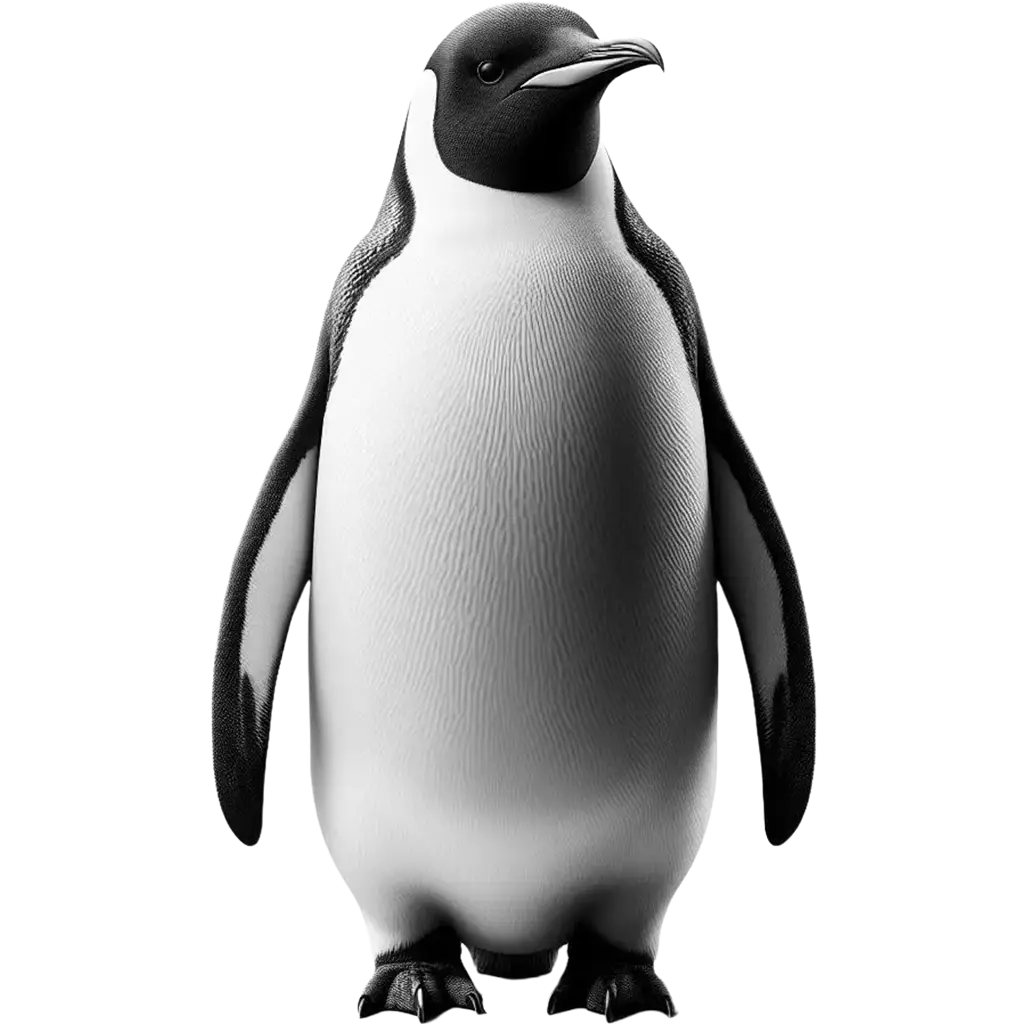
Aptenodytes Forsteri
Emperor Penguin
Antarctic ice and surrounding waters
The Emperor Penguin, Aptenodytes forsteri, is the largest and perhaps the most iconic of all penguin species, standing up to 122 centimeters (48 inches) tall and weighing between 22 to 45 kilograms (49 to 99 pounds). This majestic bird is easily recognizable by its striking black and white plumage, bright yellow and orange patches on its neck and ears, and deep, blackish-blue dorsal side and head. Native exclusively to Antarctica, the Emperor Penguin is uniquely adapted to its icy habitat, with special adaptations such as a streamlined body for efficient swimming, dense feathers for insulation, and a layer of fat to withstand the cold.
| Population: | Estimated to be around 595,000 individuals, classified as Near Threatened |
| Generation Length: | 10 years |
| Average Weight: | 22-45 kg |
| Average Length: | 115-122 cm |
| Lifespan: | 20-50 years in the wild |
| Diet: | Primarily fish and krill |
| Conservation Status: | Near Threatened (NT) |
Emperor Penguins spend their lives in and around the Antarctic ice, where they are perfectly adapted to survive in one of the earth's harshest environments. They are excellent swimmers, capable of diving up to 500 meters (1,640 feet) in search of food, and can remain underwater for up to 20 minutes. Their diet consists mainly of fish, squid, and crustaceans, which they catch on foraging trips that can last several days.
Reproduction for the Emperor Penguin is remarkable, as it takes place during the Antarctic winter. After a lengthy courtship, females lay a single egg and promptly return to the sea to feed. The males then take on the responsibility of incubating the egg by balancing it on their feet and covering it with a fold of abdominal skin, known as a brood pouch, to keep it warm. During this two-month period, males endure the extreme cold and survive by relying on their fat reserves, without eating, until the egg hatches.
Once the chicks are born, both parents share the duties of feeding and protecting them from predators and the cold. The Emperor Penguin's breeding cycle is closely tied to the Antarctic ice conditions, making them particularly vulnerable to the impacts of climate change, such as ice melting and changes in prey availability.
The Emperor Penguin is classified as Near Threatened by the IUCN Red List due to the predicted impacts of climate change on their habitat and food sources. Conservation efforts are focused on understanding and mitigating the effects of global warming on the Antarctic ecosystem. Research and monitoring are crucial for developing effective conservation strategies to ensure the survival of this extraordinary species, emblematic of the Antarctic's unique biodiversity.
Classifications
The Key Attributes
Features
- Movement:
Walking, sliding on belly, swimming
- Territorial Behavior:
Highly social, especially during breeding and molting periods
- Speed:
Swimming speed up to 15 km/h
- Diet:
Carnivore
- Physical Features:
- Black back and head
- White belly
- Pale-yellow breast and bright-yellow ear patches
- Strong, streamlined body for swimming
- Flippers for swimming instead of wings for flying
- Primary Senses:
- Sight (underwater vision)
- Hearing
Understanding Habitat and Range
Geography
- Habitat:
Antarctic ice and surrounding waters
- Migration Patterns:
Non-migratory, but extensive travel for foraging and breeding
- Geographical Range:
Circumpolar distribution around Antarctica
- Climate Preferences:
Polar
Navigating the Wilderness
In the wild
- Predators:
Seals, orcas, and some large avian predators target chicks and juveniles
- Prey:
Fish, krill, and squid
- Feeding Behavior:
Dives deep to catch fish, krill, and squid
- Diet:
Primarily fish and krill
- Defensive Mechanisms:
- Grouping in large colonies for protection
- Swimming agility to evade predators
- Preferred Food Sources:
- Krill
- Squid
- Antarctic silverfish and other fish species
Insights Into Reproduction
Mating
- Mating System:
Monogamous for the breeding season
- Number of Offspring:
1 egg
- Incubation Period:
About 65 days
- Parental Involvement:
- Both parents take turns incubating the egg and foraging at sea
- Parents regurgitate food to feed the chick
Youngsters Section
Emperor Penguin
Fun Fact
Emperor penguins are the tallest and heaviest of all penguin species, reaching heights up to 48 inches.
These remarkable birds breed during the harsh Antarctic winter. Males incubate the eggs on their feet under a flap of skin, called a brood pouch, while females hunt for food. After about two months, the females return to feed the newly hatched chicks.

Download word search puzzles
Word Search Puzzles


Check Out Other Birds
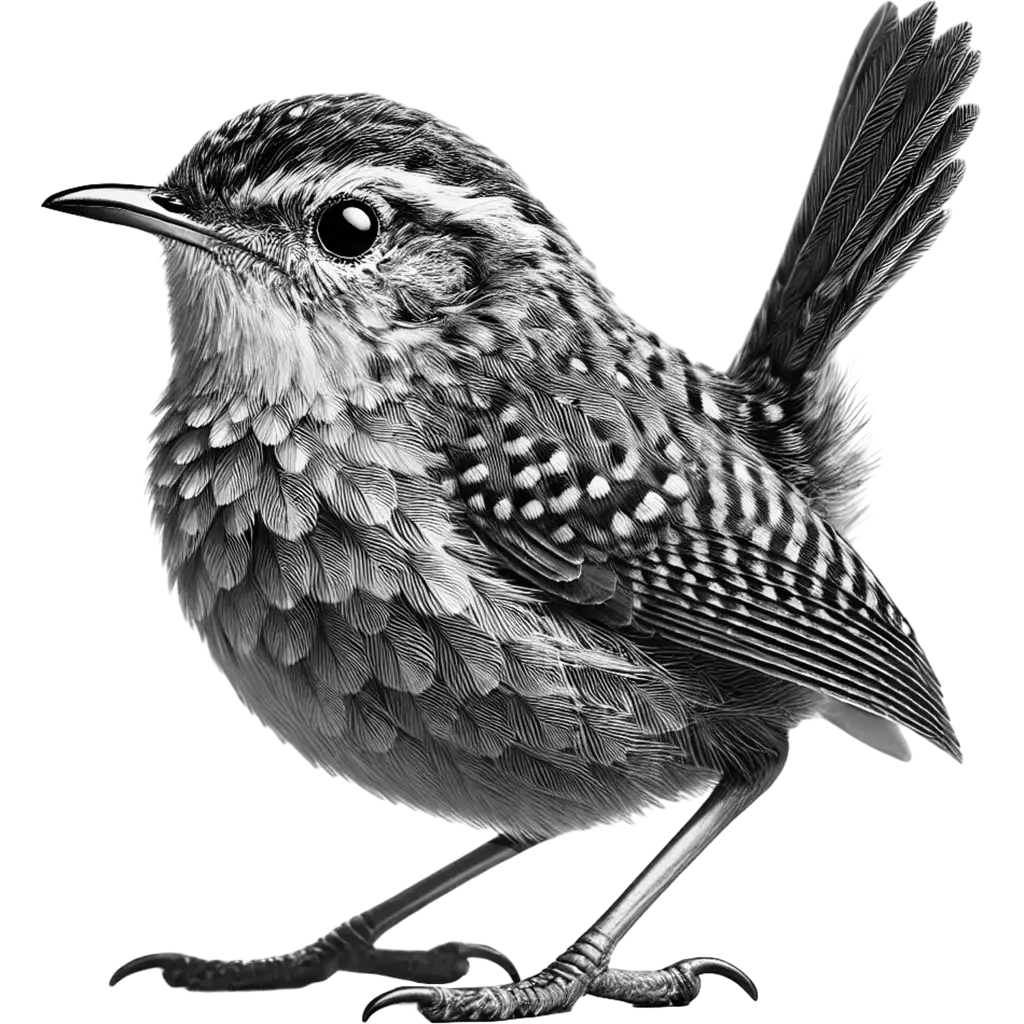
The Rufous Grasswren displays a warm, rufous plumage accented with subtle streaks and mottling that allow it to blend seamlessly into the arid, rocky landscape. Its small, slender body and short, rounded tail are complemented by delicate, keen eyes and a modest, rounded head, all contributing to an appearance that
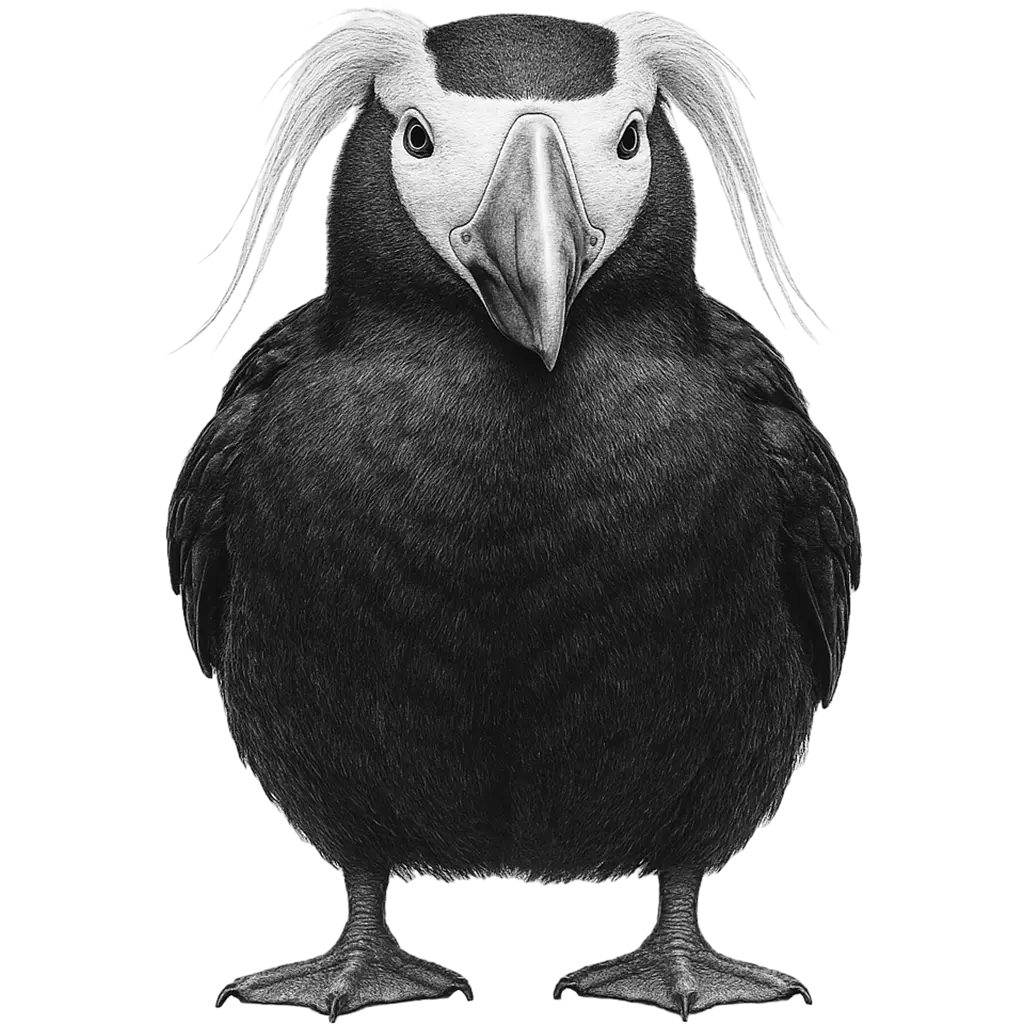
The Tufted Puffin is a striking seabird distinguished by glossy black plumage covering its body contrasted by a bright white facial mask. It measures between thirty-five and forty centimeters in length, with a robust, triangular red and yellow bill that broadens at the tip. Prominent golden-yellow tufts extend backward from
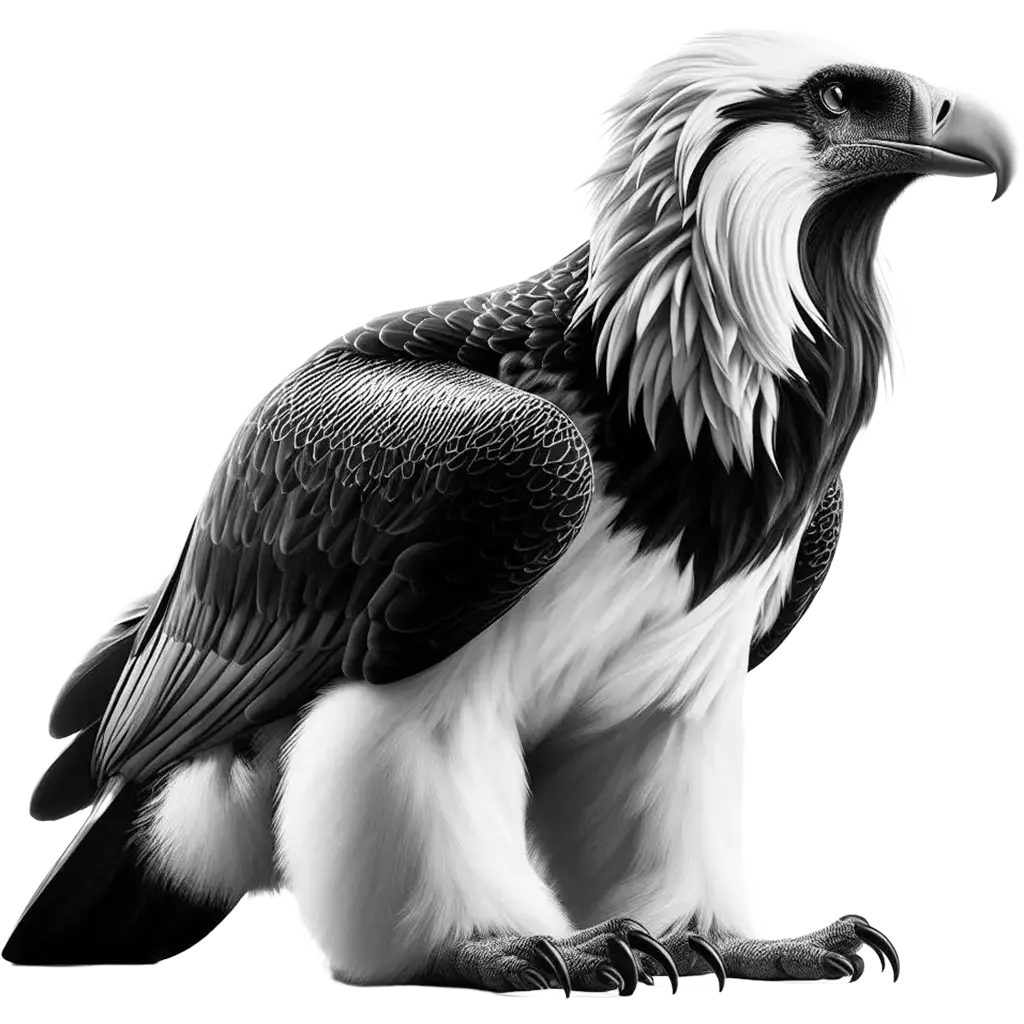
The Bearded Vulture, gypaetus barbatus, is a distinctive bird of prey, known for its striking appearance and unique dietary habits. This vulture has a wingspan of 2.3 to 2.8 meters (7.5 to 9.2 feet), making it one of the largest raptors. Its appearance is notable for the feathered neck ruff,
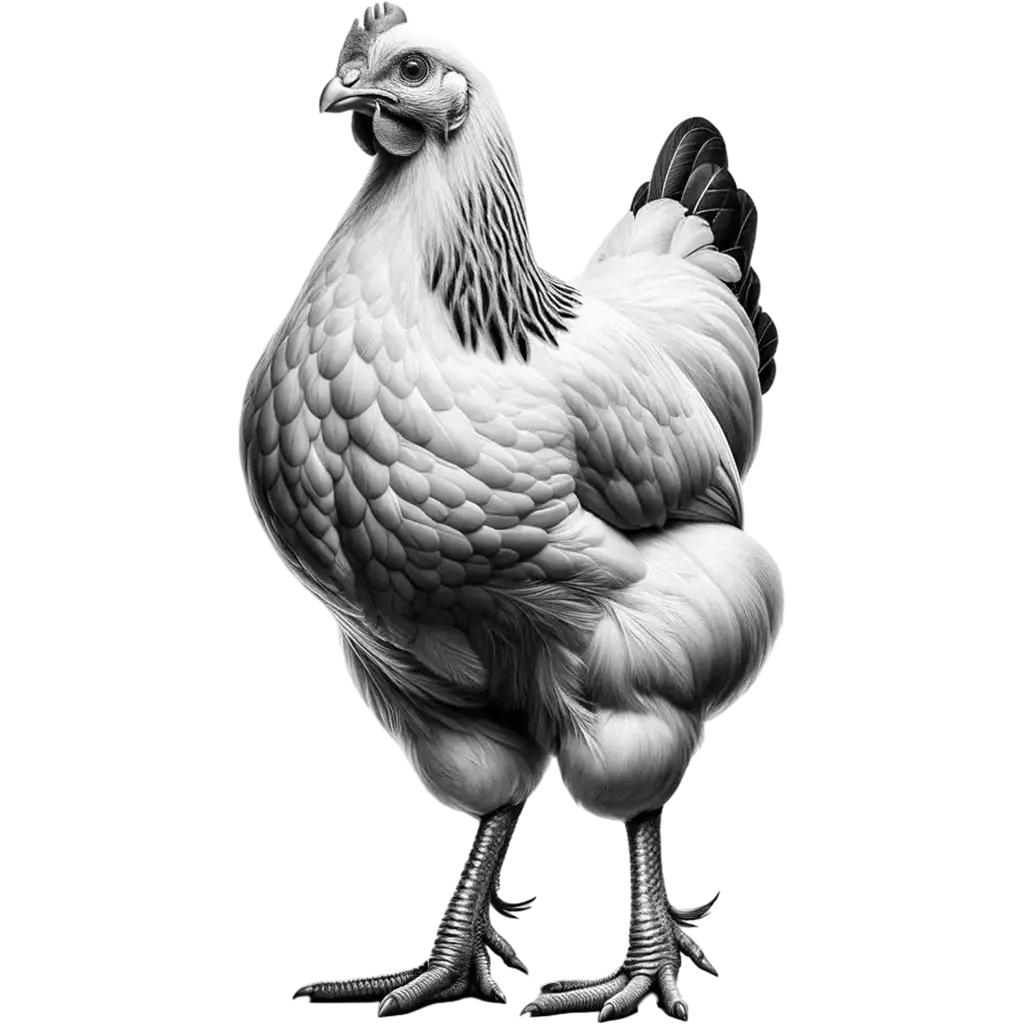
The Jersey Giant, developed in the United States in the late 19th century, is the largest breed of chicken known for its substantial size and impressive stature. Originating from New Jersey, this breed was initially bred to replace the turkey as the premier source of meat poultry. Adult Jersey Giants