
Amytornis Whitei
Rufous Grasswren
Arid and semi-arid shrublands and rocky outcrops of Australia
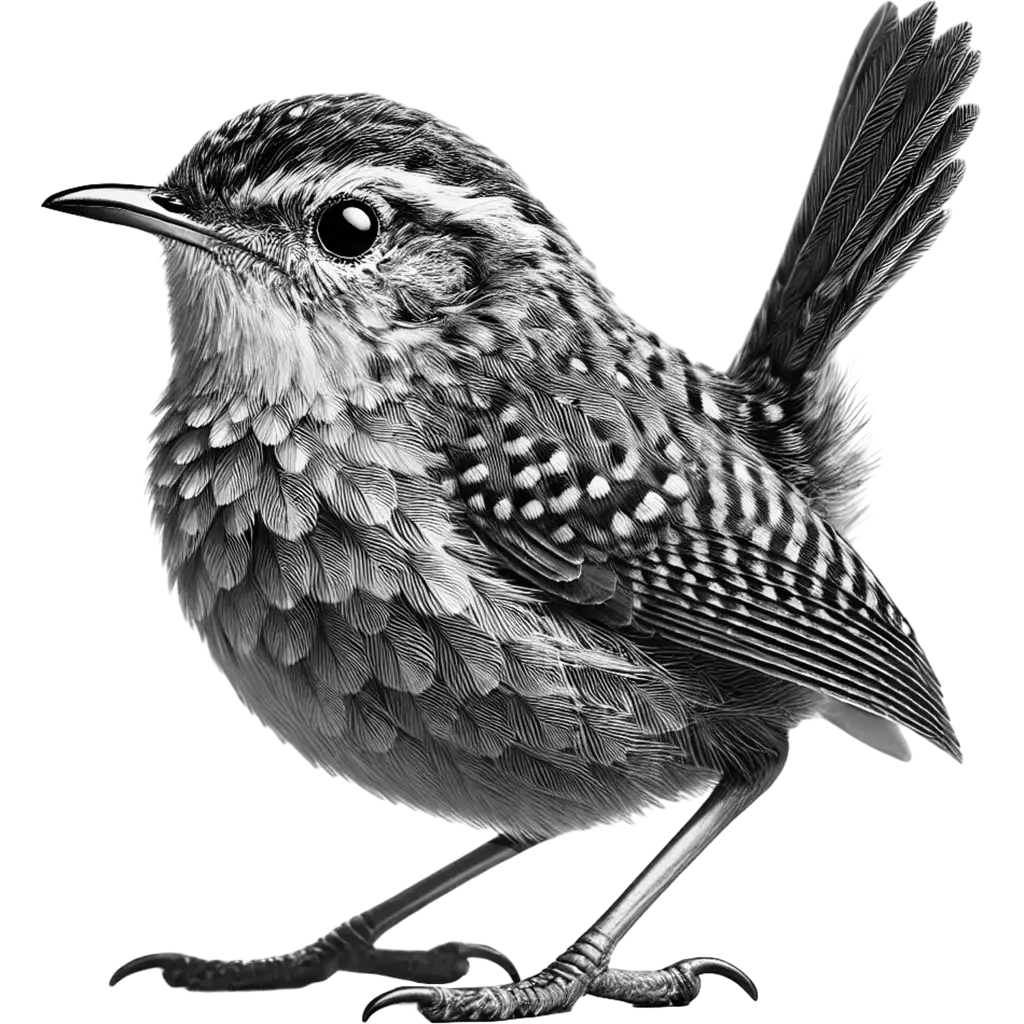
The Rufous Grasswren displays a warm, rufous plumage accented with subtle streaks and mottling that allow it to blend seamlessly into the arid, rocky landscape. Its small, slender body and short, rounded tail are complemented by delicate, keen eyes and a modest, rounded head, all contributing to an appearance that is both striking and perfectly adapted for camouflage.
| Population: | Populations confined to isolated patches of arid and semi-arid shrublands in Australia |
| Generation Length: | 4.5 years |
| Average Weight: | Approximately 25 grams |
| Average Length: | Approximately 15-18 cm |
| Lifespan: | Approximately 4-6 years in the wild; up to 8 years in captivity |
| Diet: | Primarily insectivorous with some opportunistic seed consumption that aids in nutrient balance |
| Conservation Status: | Vulnerable (VU) |
Active during the cooler hours of early morning and late afternoon, this elusive bird leads a secretive, ground-dwelling life in sparsely vegetated shrublands. It moves cautiously among spinifex grasses and rocky outcrops, using soft, melodic calls to mark its territory and communicate with potential mates. Despite its reclusive nature, the Rufous Grasswren is known for its persistent foraging behavior, exploring every crevice of its territory in search of food.
Feeding mainly on a variety of insects and small arthropods, the Rufous Grasswren supplements its diet with seeds when available. It forages methodically on the ground, using its sharp eyesight to detect movement among leaf litter and low vegetation. This varied diet not only provides the necessary protein and energy for its active lifestyle but also plays a role in the dispersal of native plant species, contributing to the ecological balance of its harsh environment.
During the breeding season, the Rufous Grasswren engages in brief courtship displays where males vocalize distinct calls to attract females. Once paired, the female lays a clutch of 2-3 eggs that are incubated for around 14 days. The brief yet intense mating period is crucial for ensuring the continuation of the species in an environment where every breeding opportunity is vital for survival.
Although the Rufous Grasswren maintains stable numbers in intact habitats, its restricted distribution and sensitivity to environmental changes render it vulnerable to habitat loss. Localized declines due to altered fire regimes, overgrazing, and land-use changes underscore the need for targeted conservation efforts to preserve the unique ecosystems upon which this species depends.
Classifications
The Key Attributes
Features
- Movement:
Ground-dwelling and agile, the Rufous Grasswren is adept at navigating low shrubbery and rocky terrain.
- Territorial Behavior:
Highly territorial; individuals defend small patches of habitat with vocal displays, especially during the breeding season.
- Speed:
Quick in short bursts when foraging or evading predators.
- Diet:
Primarily insectivorous, supplemented by seeds and small plant matter.
- Physical Features:
- Warm rufous plumage with streaks and mottling that blend with arid landscapes
- Small, slender body with a relatively short tail
- Delicate, keen eyes set in a modest, rounded head
- Primary Senses:
- Sight
- Hearing
Understanding Habitat and Range
Geography
- Habitat:
Arid and semi-arid shrublands and rocky outcrops of Australia
- Migration Patterns:
Non-migratory; individuals remain within established, small territories.
- Geographical Range:
Restricted to specific arid regions in Australia.
- Climate Preferences:
Hot, dry climates with sparse vegetation and low annual rainfall.
Navigating the Wilderness
In the wild
- Predators:
Raptors and small carnivorous mammals are known to prey on these small birds.
- Prey:
Insects, spiders, and occasional seeds.
- Feeding Behavior:
Forages methodically on the ground, flicking through leaf litter and low shrubs to capture insects and spiders.
- Diet:
Primarily insectivorous with some opportunistic seed consumption that aids in nutrient balance
- Defensive Mechanisms:
- Camouflage among the rocky, rufous terrain
- Rapid, evasive movements when disturbed
- Preferred Food Sources:
- Insects and small arthropods found among ground cover
Insights Into Reproduction
Mating
- Mating System:
Monogamous during the breeding season; pairs form briefly for courtship.
- Number of Offspring:
Usually 2-3 eggs are laid per clutch.
- Incubation Period:
Eggs typically hatch after about 14 days following incubation.
- Parental Involvement:
- Both parents may share responsibilities in nest defense, though the female primarily incubates and rears the young.
Youngsters Section
Rufous Grasswren
Fun Fact
This grasswren's vivid rufous plumage and secretive behavior make it one of Australia's most elusive birds.
Birdwatchers celebrate rare sightings of the Rufous Grasswren, whose delicate calls and agile movements through rugged terrain highlight nature's remarkable ability to adapt to harsh, arid environments.

Download word search puzzles
Word Search Puzzles

Check Out Other Birds
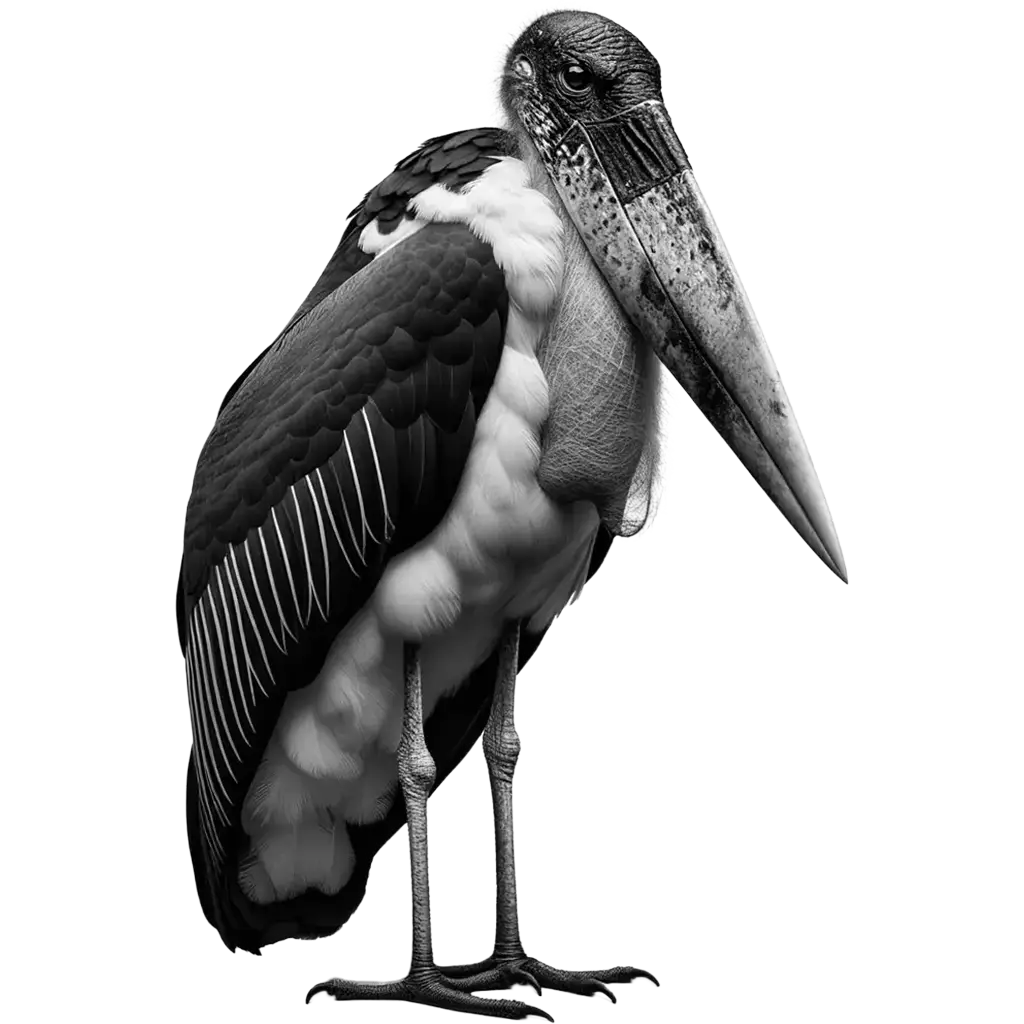
The Marabou Stork, leptoptilos crumenifer, is a large wading bird native to sub-Saharan Africa, easily identifiable by its imposing size, bald head, and neck, and a distinctive inflatable throat pouch. Standing up to 150 cm tall with a wingspan reaching over 2.5 meters, it is among the largest flying birds.

The Killdeer, charadrius vociferus, is a medium-sized plover known for its distinctive 'kill-deer' call from which it gets its name. Measuring approximately 20 to 25 cm in length, with a wingspan of 45 to 50 cm, the Killdeer is easily recognized by its brownish-tan back and white underbelly. A notable
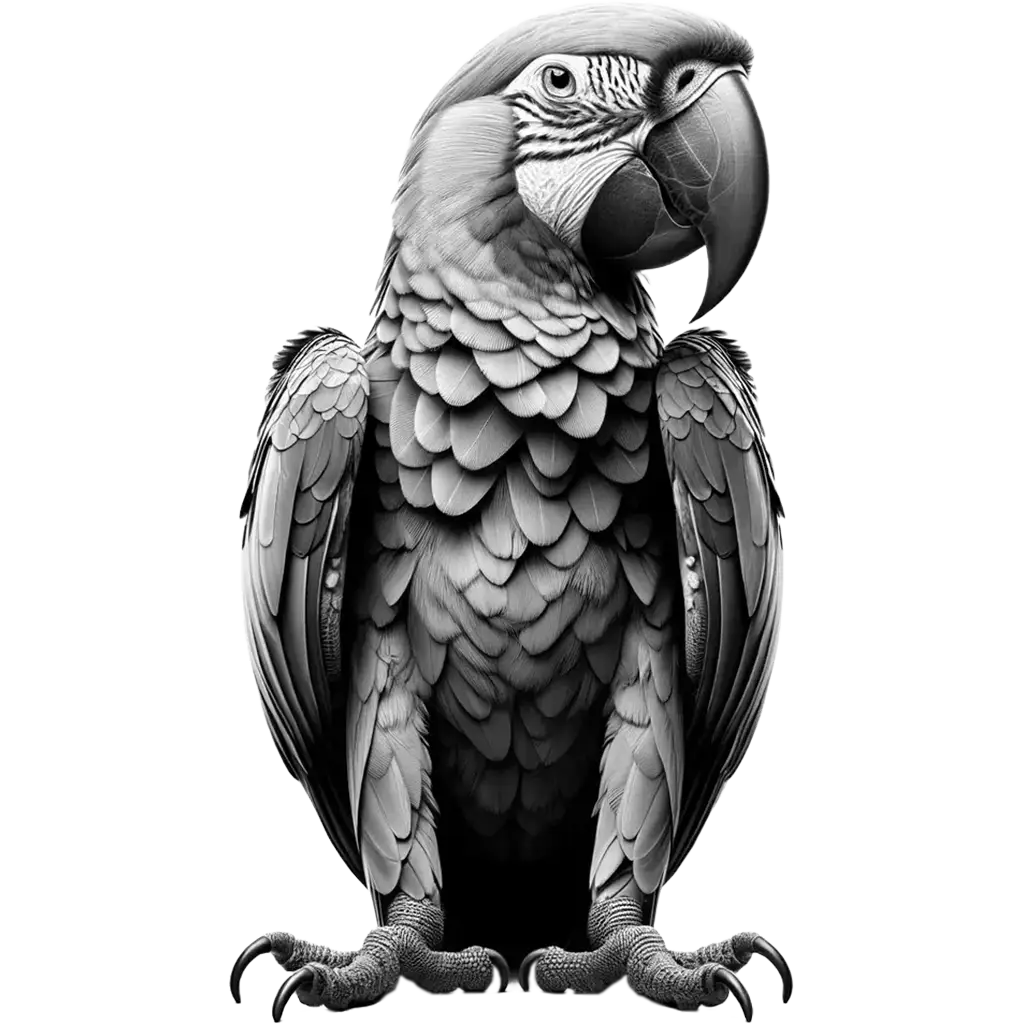
Spix's Macaw, cyanopsitta spixii, is a critically endangered bird species, once native to the riparian woodlands along the Rio São Francisco in northeastern Brazil. This small macaw, measuring about 55 to 57 cm in length, is notable for its striking blue plumage, with a lighter grey-blue head and vivid blue
The King Eider, somateria spectabilis, is a large, striking sea duck known for its circumpolar distribution in the Arctic regions of North America, Europe, and Asia. Male King Eiders are particularly notable for their distinctive appearance during the breeding season, with a bold black and white pattern, a bright orange