
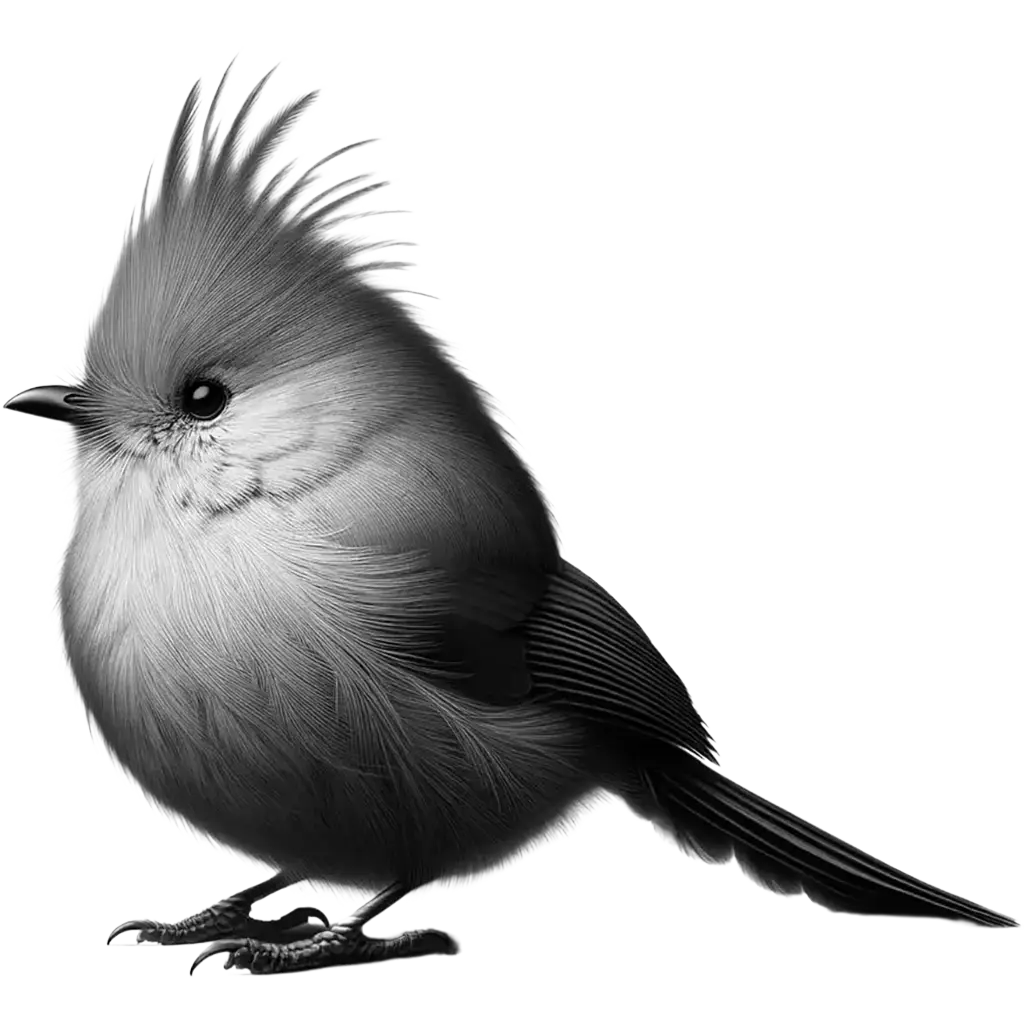
Colius Striatus
Speckled Mousebird
Woodlands, savannas, bushlands, and gardens
The Speckled Mousebird, colius striatus, is a distinctive bird species native to Sub-Saharan Africa, renowned for its long tail and soft, mouse-like plumage. Adults typically measure between 35 to 40 cm in length, more than half of which is comprised of the tail alone, making it one of the longest-tailed of all bird species relative to body size. Their plumage is primarily grey and brown, speckled with white, and they exhibit a crest on their heads that can be raised or lowered. Despite their somewhat drab coloration, these birds are easily recognizable by their unique appearance and the way their tail feathers splay out when they fly.
| Population: | Listed as Least Concern, common and widespread |
| Generation Length: | 3-4 years |
| Average Weight: | 45-57 grams |
| Average Length: | 30-35 cm, including the long tail |
| Lifespan: | 5-10 years in the wild |
| Diet: | Frugivorous, with some folivorous tendencies |
| Conservation Status: | Least Concern (LC) |
Speckled Mousebirds are highly social creatures, forming flocks of up to 20 or more individuals. They are primarily arboreal, spending most of their time in trees and shrubs where they forage for food, rest, and socialize. Their acrobatic flying skills are complemented by their ability to climb and hang from branches using their feet and beaks, behaviors that are characteristic of their active search for food during the day.
Their diet consists mainly of fruit, leaves, and flowers, which they forage from a variety of plants. This makes them important seed dispersers and pollinators in their ecosystems, contributing to the health of their habitats. Despite their preference for plant matter, they have also been known to consume small insects on occasion.
Reproduction in the Speckled Mousebird involves communal nesting, with several females laying eggs in a single large nest and sharing the duties of incubation and chick rearing. This cooperative breeding strategy enhances the survival rates of their offspring and reinforces the strong social bonds within their flocks.
The population of the Speckled Mousebird is considered stable, with these birds adapting well to a variety of habitats, including urban areas where they can find abundant food sources. Despite facing potential threats from habitat destruction and predation, their adaptability and generalist diet have allowed them to maintain healthy populations across a wide range. Their presence in gardens and green spaces often brings delight to bird watchers and nature enthusiasts, highlighting the importance of biodiversity conservation in both wild and urban environments.
Classifications
The Key Attributes
Features
- Movement:
Flying, climbing
- Territorial Behavior:
Social, living in large groups
- Speed:
Not known for fast flight; more adept at maneuvering through vegetation
- Diet:
Herbivore
- Physical Features:
- Long tail and small body
- Primarily greyish-brown plumage with speckled appearance
- Crest on the head
- Strong feet for gripping branches
- Primary Senses:
- Sight
- Hearing
Understanding Habitat and Range
Geography
- Habitat:
Woodlands, savannas, bushlands, and gardens
- Migration Patterns:
Resident with some local movements in response to food availability
- Geographical Range:
Sub-Saharan Africa
- Climate Preferences:
Prefers warm climates
Navigating the Wilderness
In the wild
- Predators:
Larger birds, snakes, and small mammals
- Prey:
Fruits, berries, leaves, and buds
- Feeding Behavior:
Feeds primarily on fruits, berries, and occasionally leaves and buds
- Diet:
Frugivorous, with some folivorous tendencies
- Defensive Mechanisms:
- Group vigilance to detect threats
- Quick flight into thick vegetation to escape predators
- Preferred Food Sources:
- Areas with abundant fruit-bearing trees and shrubs
Insights Into Reproduction
Mating
- Mating System:
Monogamous or polygamous
- Number of Offspring:
2-4 eggs
- Incubation Period:
About 14 days
- Parental Involvement:
- Both parents, and sometimes group members, participate in feeding and caring for the young
Youngsters Section
Speckled Mousebird
Fun Fact
Speckled mousebirds are known for their unique social behavior and acrobatic skills in the wild.
They often form flocks of up to 20 birds, spending time grooming each other. These birds are excellent climbers, using their beaks and feet to navigate through foliage. Their diet consists mainly of fruits, leaves, and flowers.

Download word search puzzles
Word Search Puzzles


Check Out Other Birds
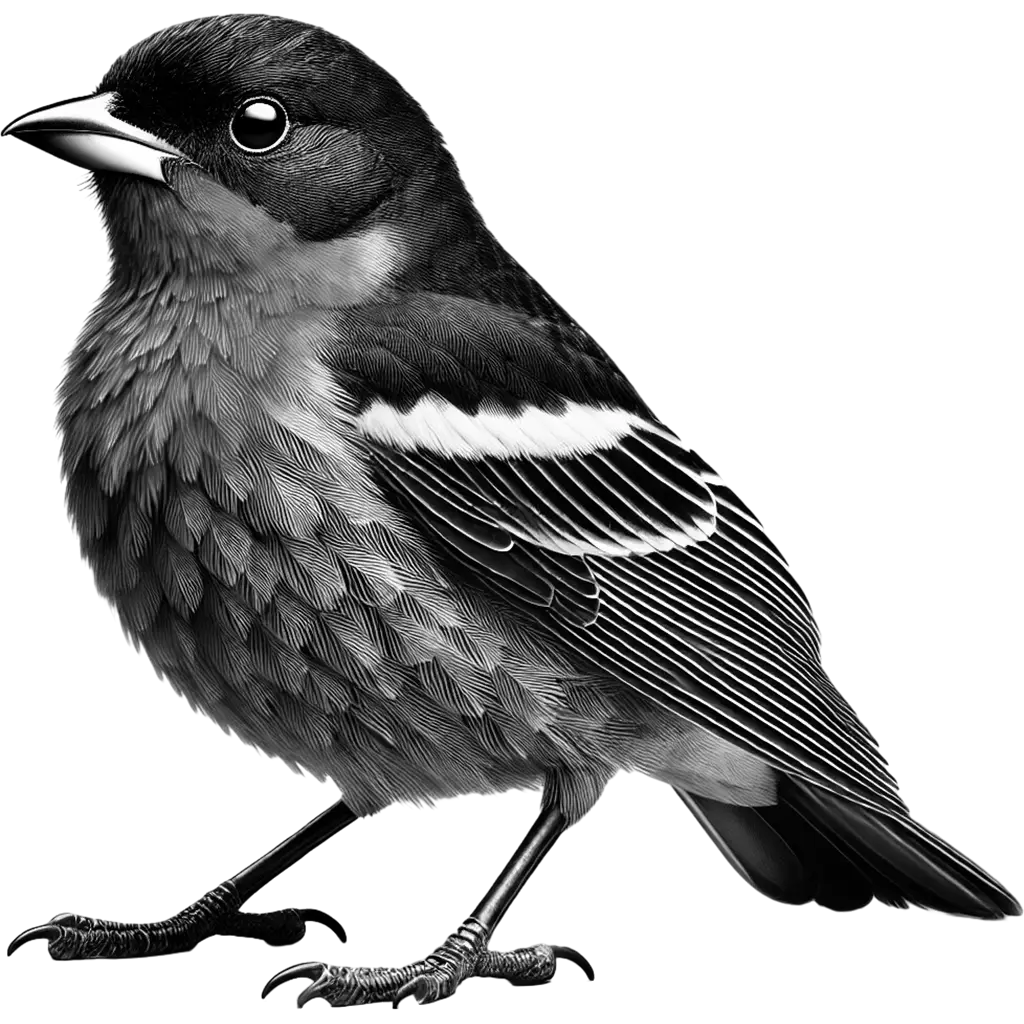
The Scarlet-throated Tanager (Compsothraupis loricata) is a striking bird adorned with a vivid scarlet throat that contrasts sharply with its predominantly dark plumage. Its head is marked by delicate, intricate patterns of black and deep blue, while the body is accented by subtle hints of yellow on the underparts and

The Asian House Martin, delichon dasypus, is a small and agile bird, easily identified by its glossy blue-black upper parts and contrasting pure white underparts. This species features a distinctive short forked tail and a relatively wide wingspan for its size, which facilitates its exceptional aerial agility. Adult birds typically
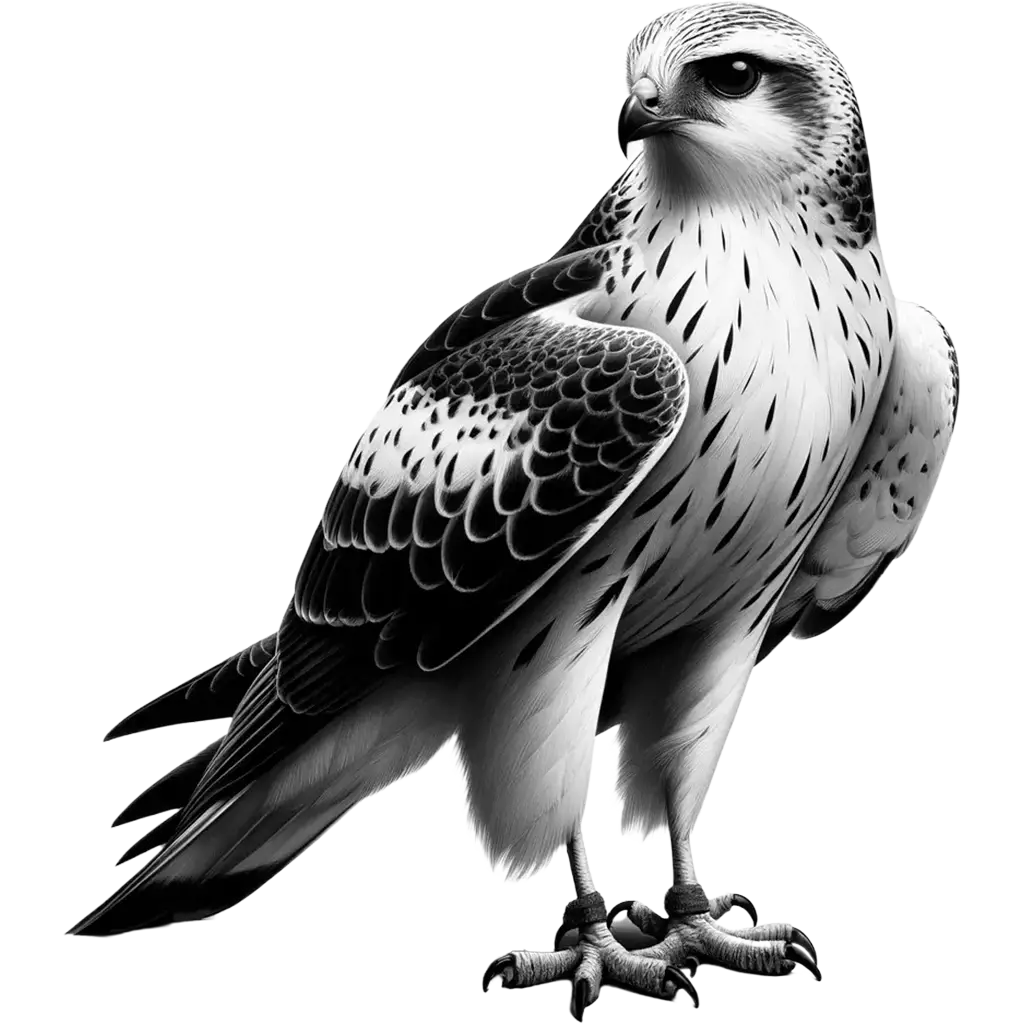
The Long-Winged Harrier, circus buffoni, is a distinctive bird of prey known for its slender frame, long wings, and tail which facilitate its prowess in flight. Males typically exhibit a striking gray and white plumage with black wingtips, while females and juveniles are primarily brown with streaked underparts. This species

Buffy Fish Owls possess a sturdy, compact body with a broad head and distinct facial disc. Their dusky plumage is subtly mottled and they feature large, luminous eyes and a hooked beak ideal for snatching small prey. Powerful talons and a strong, muscular frame enhance their predatory elegance, enabling them