
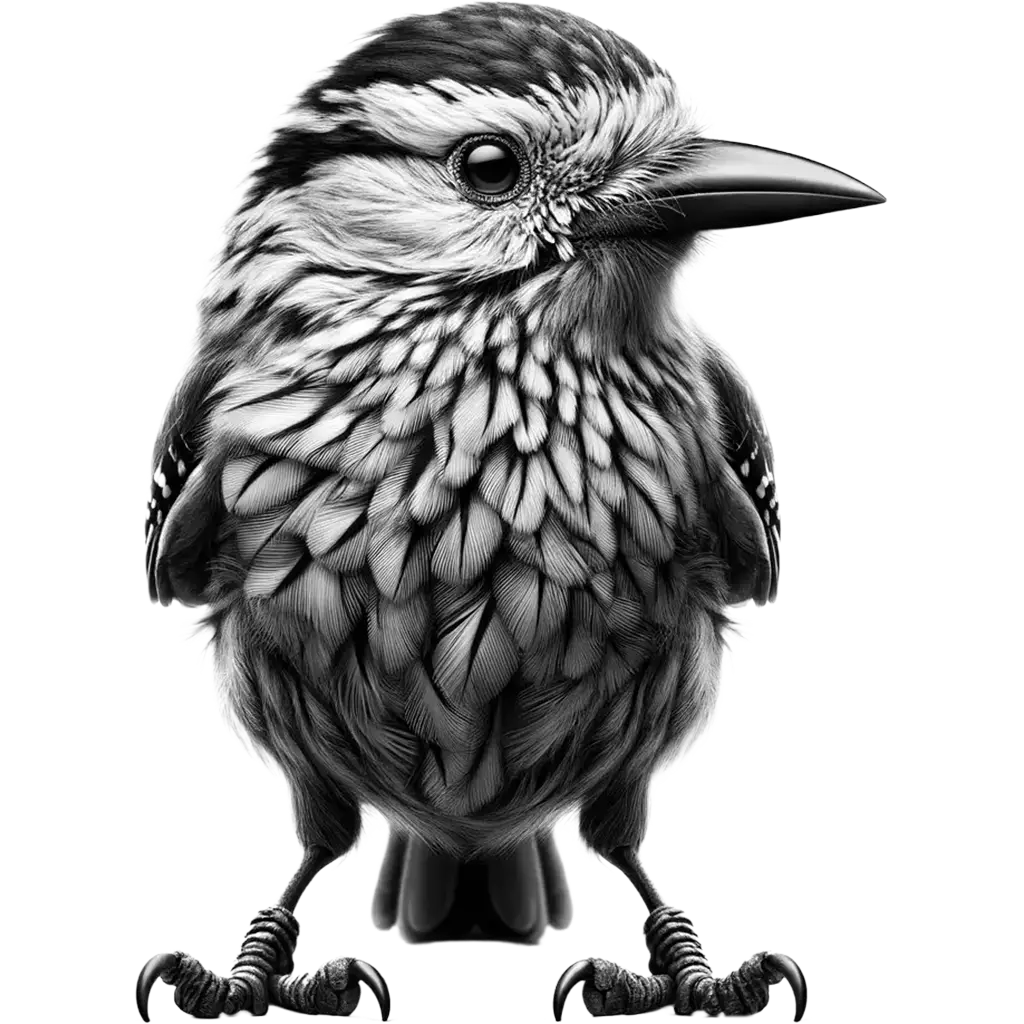
Nucifraga Caryocatactes
Spotted Nutcracker
Coniferous forests, often in mountainous regions
The Spotted Nutcracker, nucifraga caryocatactes, is a robust bird species belonging to the crow family, Corvidae, known for its distinctive spotted plumage and strong bill. Adults typically measure about 32 to 38 cm in length, with a wingspan of approximately 49 to 53 cm. Their plumage is primarily chocolate brown, densely speckled with white, providing excellent camouflage in their forest habitats. The bird's powerful, sharp bill is adapted for extracting seeds from hard conifer cones, a staple of its diet.
| Population: | Listed as Least Concern, with stable populations |
| Generation Length: | 4-5 years |
| Average Weight: | 140-230 grams |
| Average Length: | 32-38 cm, including the tail |
| Lifespan: | Up to 11-12 years in the wild |
| Diet: | Primarily granivorous, supplemented with small animals and other plant matter |
| Conservation Status: | Least Concern (LC) |
Native to the dense coniferous forests of Europe and Asia, from the Iberian Peninsula across Siberia to Japan, the Spotted Nutcracker inhabits areas rich in pine, spruce, and fir trees. It is a resident species, meaning it does not migrate long distances, although some populations may move to lower elevations during winter in search of food.
The diet of the Spotted Nutcracker is primarily composed of seeds from coniferous trees, particularly those of the pine family. It is known for its remarkable ability to store thousands of seeds in the ground as a food reserve for the winter, displaying an exceptional memory for locating these caches again. In addition to seeds, it also consumes a variety of insects, small mammals, and birds' eggs when available.
Reproduction in the Spotted Nutcracker typically begins in early spring, with the construction of a nest high in the conifer trees. The female lays 2 to 4 eggs, which she incubates while being fed by the male. This species is known for its strong pair bond, with couples often remaining together for several breeding seasons.
The population of the Spotted Nutcracker is considered stable across much of its range, although it faces potential threats from habitat loss due to logging and deforestation. Conservation efforts focus on preserving the extensive, mature coniferous forests that are essential for the species' survival. The Spotted Nutcracker plays a crucial ecological role in its habitat, not only as a seed disperser, which aids in forest regeneration but also as a part of the food web, impacting populations of insects and other small creatures.
Classifications
The Key Attributes
Features
- Movement:
Flying, hopping
- Territorial Behavior:
Somewhat territorial, especially during breeding and when guarding food caches
- Speed:
Capable of fast, agile flight; adept at hopping and climbing in trees
- Diet:
Omnivore
- Physical Features:
- Robust body with strong, pointed bill for cracking nuts
- Grey-brown plumage with white spots and black to dark brown wings and tail
- Short legs with strong claws for gripping and climbing
- Primary Senses:
- Sight
- Hearing
- Touch
Understanding Habitat and Range
Geography
- Habitat:
Coniferous forests, often in mountainous regions
- Migration Patterns:
Resident to short-distance migrant, depending on food availability and snow conditions
- Geographical Range:
Eurasia, from Western Europe across to East Asia, including the Himalayan region
- Climate Preferences:
Temperate to subarctic climates, well-adapted to cold environments
Navigating the Wilderness
In the wild
- Predators:
Birds of prey, martens, and larger mammals
- Prey:
Nuts (especially pine nuts), seeds, insects, bird eggs, and small vertebrates
- Feeding Behavior:
Feeds on a wide variety of nuts, seeds, insects, and occasionally small birds or mammals
- Diet:
Primarily granivorous, supplemented with small animals and other plant matter
- Defensive Mechanisms:
- Hiding food in scattered caches to survive winter
- Aggressive behavior to protect territories and food sources
- Preferred Food Sources:
- Dense coniferous forests rich in pine, spruce, and other seed-producing trees
Insights Into Reproduction
Mating
- Mating System:
Monogamous
- Number of Offspring:
2-4 eggs
- Incubation Period:
About 18 days
- Parental Involvement:
- Both parents feed and care for the young, with the male providing most of the food while the female incubates the eggs
Youngsters Section
Spotted Nutcracker
Fun Fact
Spotted Nutcrackers are famous for their incredible memory, storing thousands of seeds for winter survival.
These birds are adept at caching seeds in various locations, remembering each spot. They primarily feed on seeds from pine trees, particularly Swiss pine. Their exceptional memory allows them to retrieve cached seeds months later, even under snow. This behavior significantly aids in forest regeneration, as some seeds remain uneaten and eventually grow into new trees.

Download word search puzzles
Word Search Puzzles
Check Out Other Birds
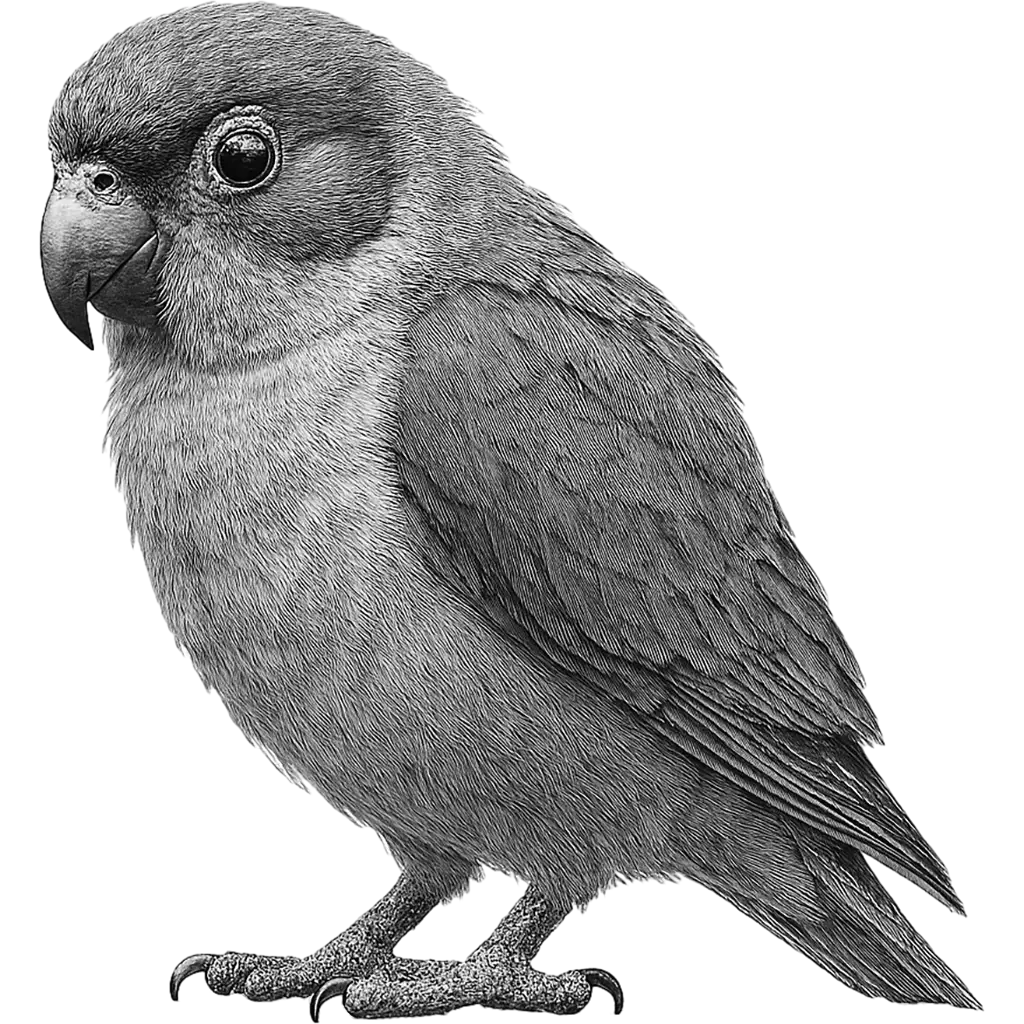
The Red-browed Fig Parrot is a diminutive parrot measuring approximately 13 to 15 centimeters in length. The body is predominantly bright green, providing camouflage among foliage. A vivid red patch graces the forehead, extending above the beak. Males display additional blue coloration around the eyes and lores, while females exhibit
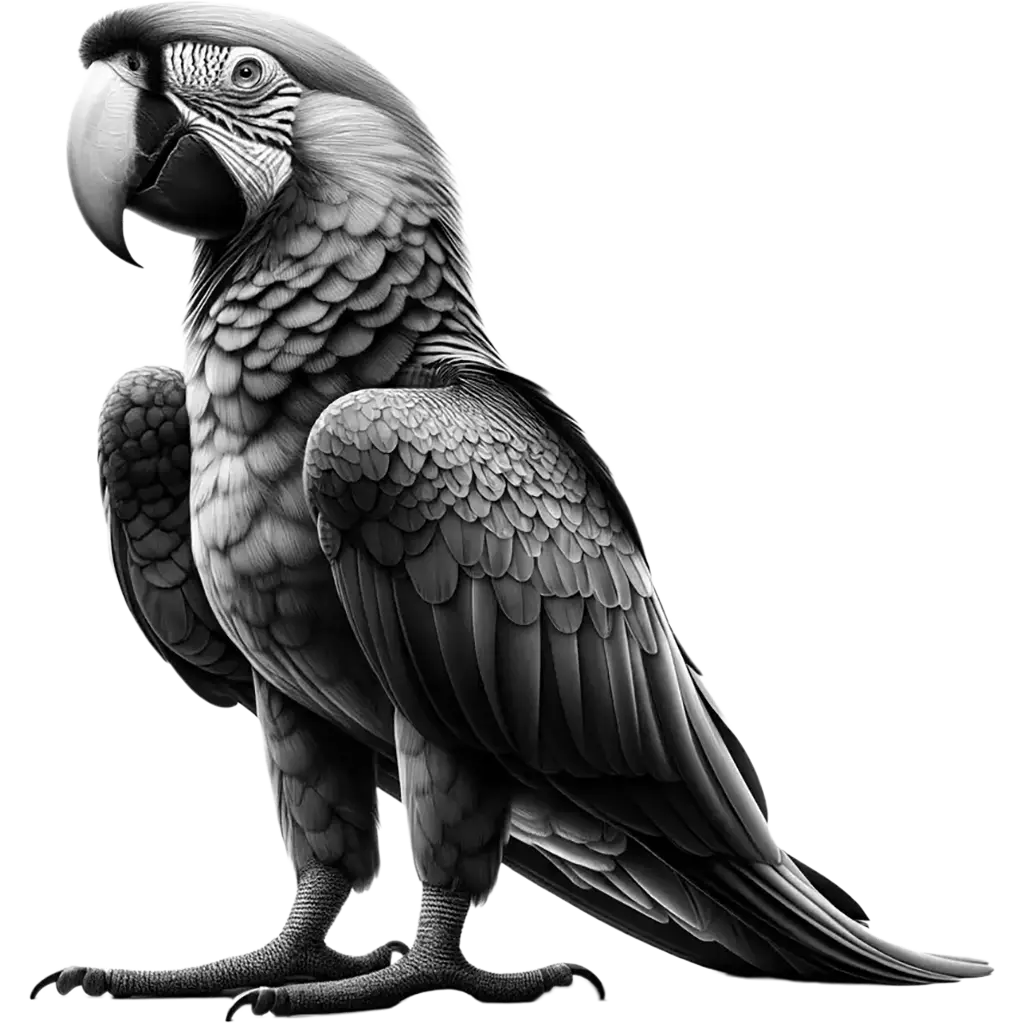
The Scarlet Macaw, ara macao, is a large, brightly colored parrot native to humid evergreen forests in Central and South America. This striking bird can reach up to 81 cm in length, including its long, pointed tail, and weighs about 1 kg. Its vibrant plumage is primarily scarlet, with blue
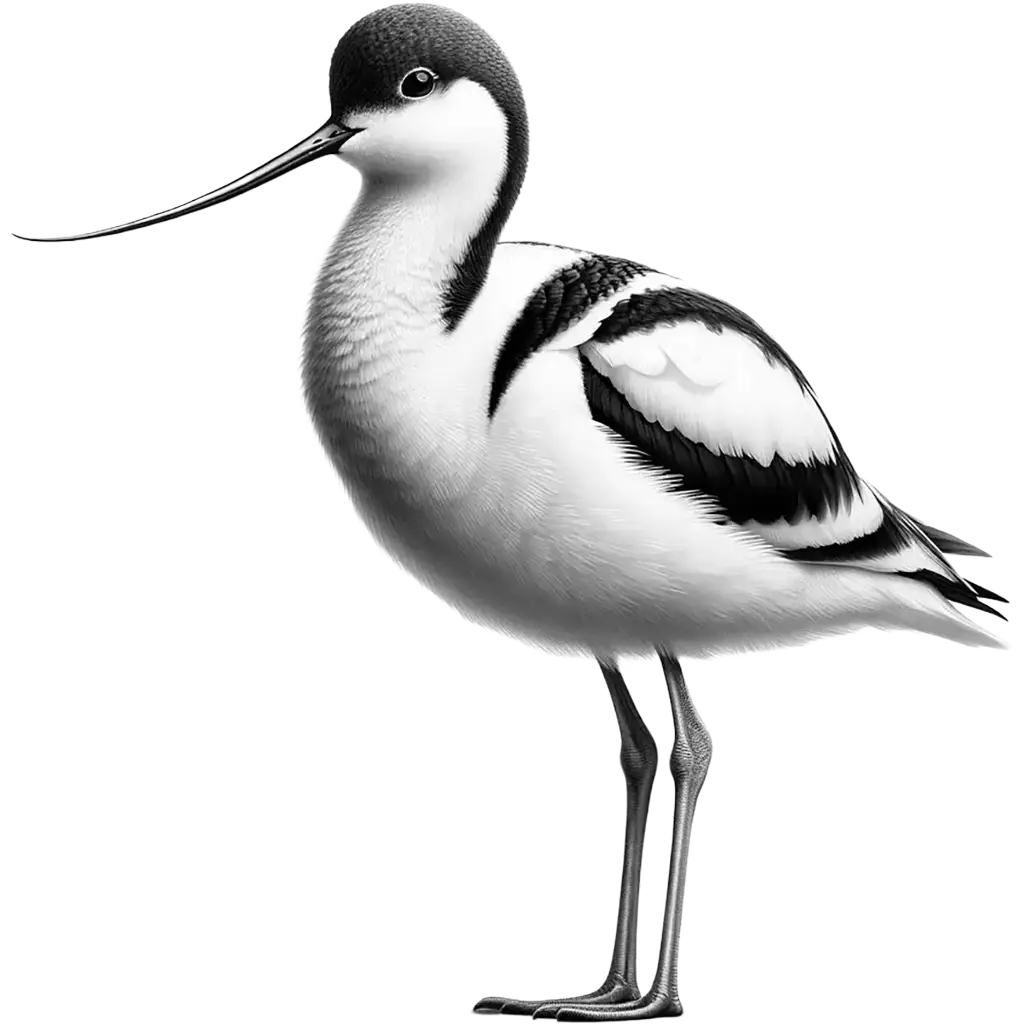
The Pied Avocet, recurvirostra avosetta, is a striking wading bird known for its elegant black and white plumage and distinctive upcurved bill. This bird typically measures about 42 to 45 cm in length, with a wingspan of 77 to 85 cm. Its long, thin legs are a pale blue, complementing
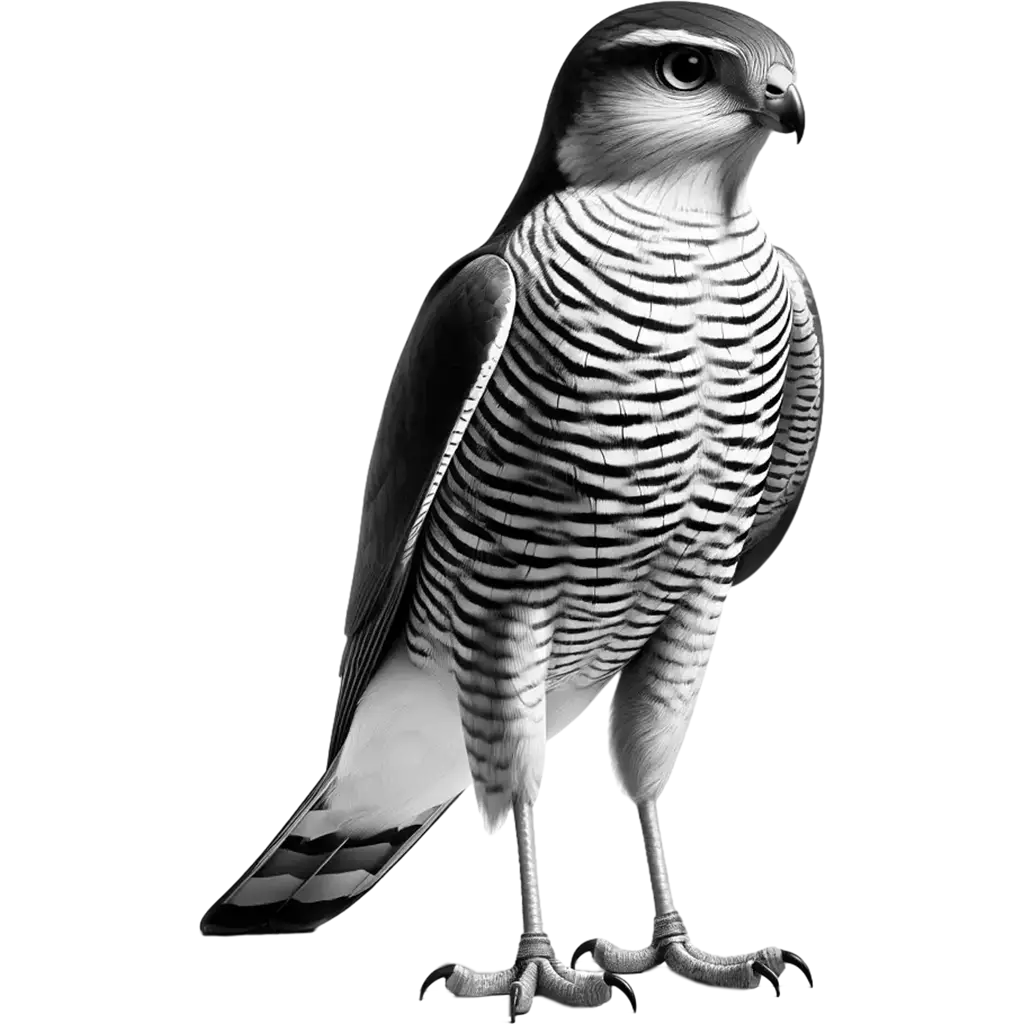
The Chestnut-Flanked Sparrowhawk, accipiter castanilius, is a small, elusive bird of prey found in the dense forests of West and Central Africa. This raptor is notable for its striking appearance, with adult males displaying a distinctive chestnut color on their flanks, contrasting with their slate-gray back and wings. The underparts