
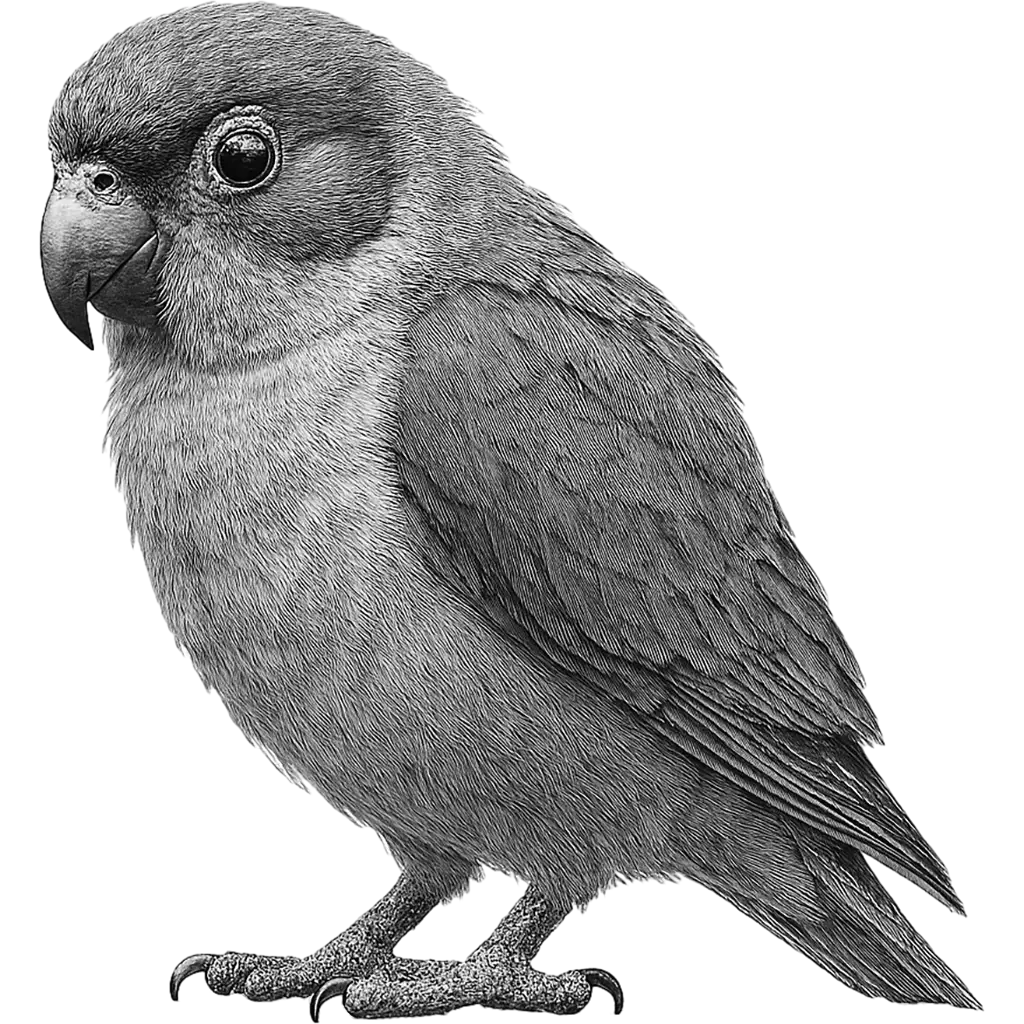
Cyclopsitta Diophthalma Macleayana
Red-Browed Fig Parrot
Wet Tropics rainforest, open woodlands, and adjacent gardens
The Red-browed Fig Parrot is a diminutive parrot measuring approximately 13 to 15 centimeters in length. The body is predominantly bright green, providing camouflage among foliage. A vivid red patch graces the forehead, extending above the beak. Males display additional blue coloration around the eyes and lores, while females exhibit golden-yellow markings in these areas. The species has a disproportionately large head and robust bill set upon a short neck. Its tail is notably short and squared, complementing the compact, stocky appearance typical of fig parrots.
| Population: | Widespread from Cooktown to Paluma in northern Queensland; local numbers appear stable |
| Generation Length: | 3.4 years |
| Average Weight: | 30-45 grams |
| Average Length: | 13-15 cm |
| Lifespan: | 15-20 years in the wild, up to 25 years in captivity |
| Diet: | Figs, berries, seeds, nectar, and wood-boring insect larvae |
| Conservation Status: | Least Concern (LC) |
The Red-browed Fig Parrot is primarily active during the early morning and late afternoon, foraging chiefly in the mid to upper canopy of tropical rainforests. It is often observed in pairs or small flocks of up to six individuals. Socially, these parrots exhibit strong pair bonds, frequently preening one another and vocalizing to maintain contact. Their flight is swift and direct, characterized by rapid wingbeats and short glides between perches. They produce high-pitched, shrill calls that carry through dense foliage. Outside of foraging, the parrots roost communally in tree hollows and dense foliage, where they engage in mutual preening and rest. Though adept at navigating forest interiors, they occasionally visit plantations and gardens adjacent to forest edges, demonstrating a degree of adaptability to modified landscapes.
The diet of the Red-browed Fig Parrot consists predominantly of ripe figs and other soft fruits, which it plucks directly with its sturdy bill. They also consume berries, seeds, and the nectar of flowering trees when available. Additionally, these parrots opportunistically feed on the larvae of wood-boring beetles and other small insect prey hidden in decaying branches. Foraging typically occurs in the canopy, where fruiting fig trees provide a reliable food source year-round. The combination of high-carbohydrate fruits and protein-rich insects ensures a balanced nutritional intake for energy and muscle maintenance. During the breeding season, increased consumption of insect larvae supports the higher protein demands of egg production and chick growth. Seasonal variations in fruit availability lead to temporary shifts in feeding to secondary food sources, such as wild berries and tree nuts.
Red-browed Fig Parrots form monogamous pairs that excavate nest cavities in decaying tree stumps and branches. During the breeding season, which spans from August to January, females lay clutches of three to four eggs. Both parents share incubation duties for approximately 18 to 20 days and later feed and protect the hatchlings. Chicks fledge around six weeks after hatching but remain with parents for several months before attaining full independence.
Although restricted to a relatively small range between Cooktown and Paluma in northern Queensland, the Red-browed Fig Parrot maintains stable local populations in suitable rainforest and woodland habitats. Exact global numbers are not quantified, but sightings suggest consistent presence. Habitat loss from deforestation and cyclone impacts pose occasional threats. Conservation measures, including habitat protection within national parks and private reserves, help preserve populations and ensure long-term stability of this woodland specialist.
Classifications
The Key Attributes
Features
- Movement:
Flight
- Territorial Behavior:
Territorial, especially near feeding sites
- Speed:
Moderate
- Diet:
Frugivore
- Physical Features:
- Bright green plumage
- Red forehead patch
- Blue facial markings (male)
- Golden yellow facial markings (female)
- Short tail
- Large head and bill
- Primary Senses:
- Sight
- Hearing
- Touch
Understanding Habitat and Range
Geography
- Habitat:
Wet Tropics rainforest, open woodlands, and adjacent gardens
- Migration Patterns:
Non-migratory
- Geographical Range:
Northern Queensland, Australia (Cooktown to Paluma)
- Climate Preferences:
Tropical climates
Navigating the Wilderness
In the wild
- Predators:
Birds of prey, snakes, monitor lizards
- Prey:
Figs, berries, seeds, nectar, and insect larvae
- Feeding Behavior:
Forages in small flocks or pairs at canopy level
- Diet:
Figs, berries, seeds, nectar, and wood-boring insect larvae
- Defensive Mechanisms:
- Camouflage
- Fast flight
- Alarm calls
- Preferred Food Sources:
- Figs
- Berries
- Seeds
- Insect larvae
Insights Into Reproduction
Mating
- Mating System:
Monogamous
- Number of Offspring:
3-4 eggs per clutch
- Incubation Period:
18-20 days
- Parental Involvement:
- Both parents feed and care for chicks
- Nest excavation and defense
Youngsters Section
Red-Browed Fig Parrot
Fun Fact
Bred exclusively in northern Queensland, these parrots excavate their own nest cavities, a rare behavior among parrot species.
The Red-browed Fig Parrot is one of the smallest fig parrot subspecies at just 13 cm long. Adults often forage in the company of their mate or small flock, using swift flights to move between fruiting fig trees. Despite living in dense canopies, they can sometimes be spotted in urban gardens near rainforest edges after wet weather.

Download word search puzzles
Word Search Puzzles
Check Out Other Birds
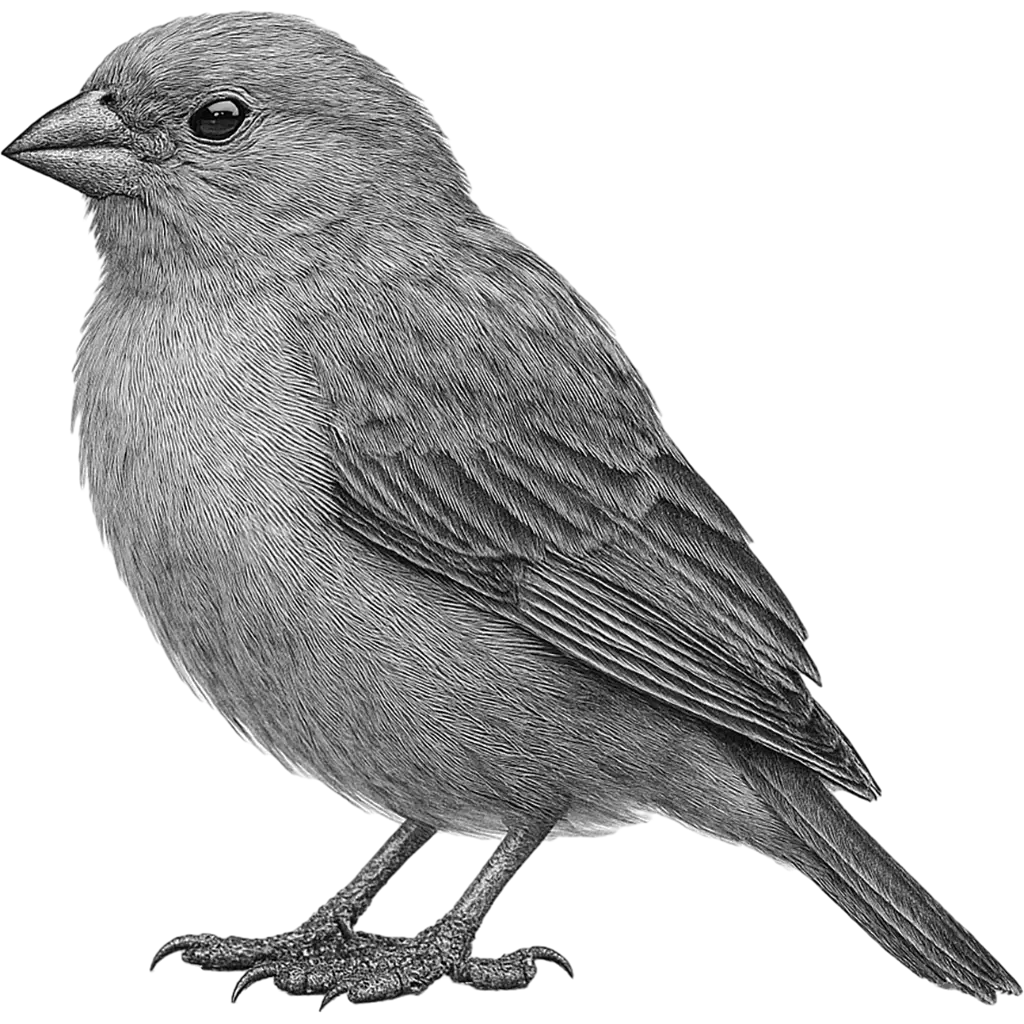
The Saffron Finch sports vibrant yellow plumage across its body, highlighted by subtle olive tones on the wings and tail. Adult males display a sleek, uniformly yellow coloration with a bright orange forehead, while females and juveniles exhibit duller yellow with occasional brownish streaks. Both sexes possess a short, stout
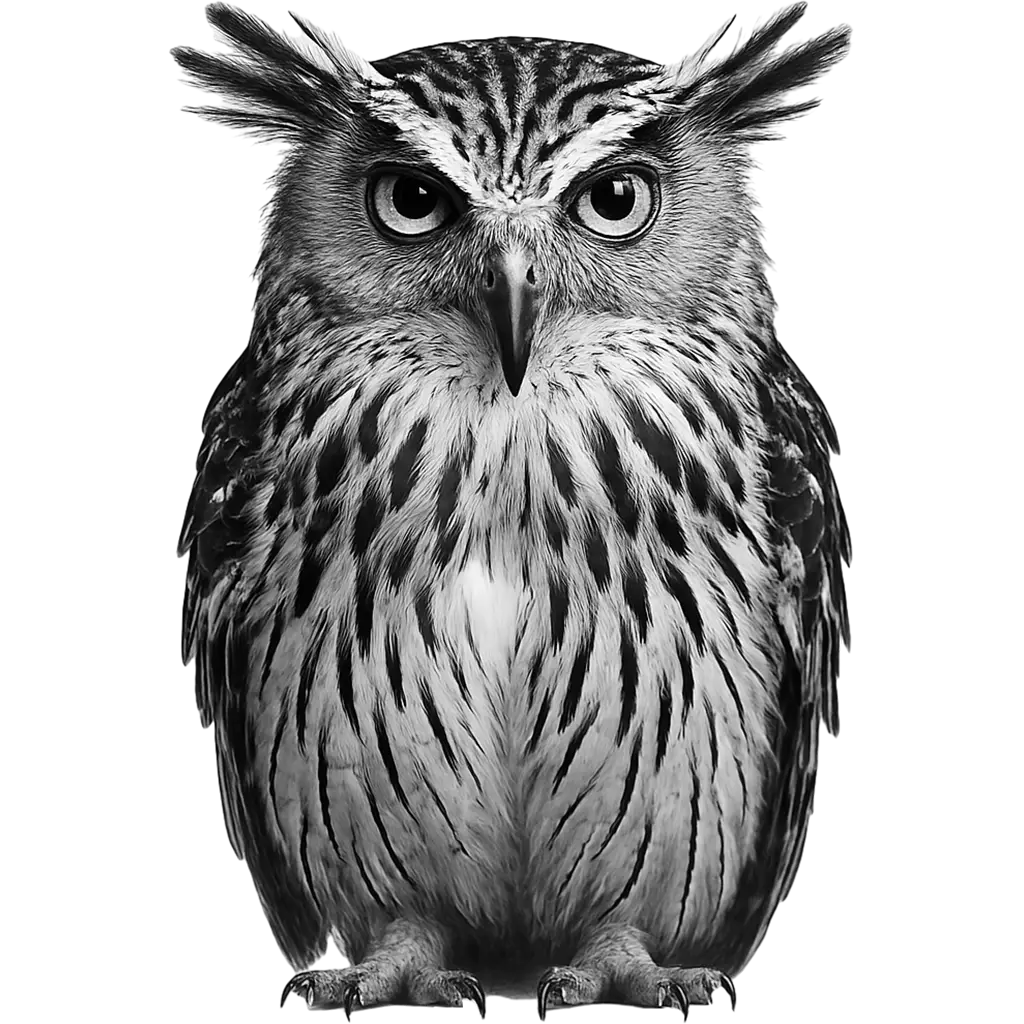
Buffy Fish Owls possess a sturdy, compact body with a broad head and distinct facial disc. Their dusky plumage is subtly mottled and they feature large, luminous eyes and a hooked beak ideal for snatching small prey. Powerful talons and a strong, muscular frame enhance their predatory elegance, enabling them
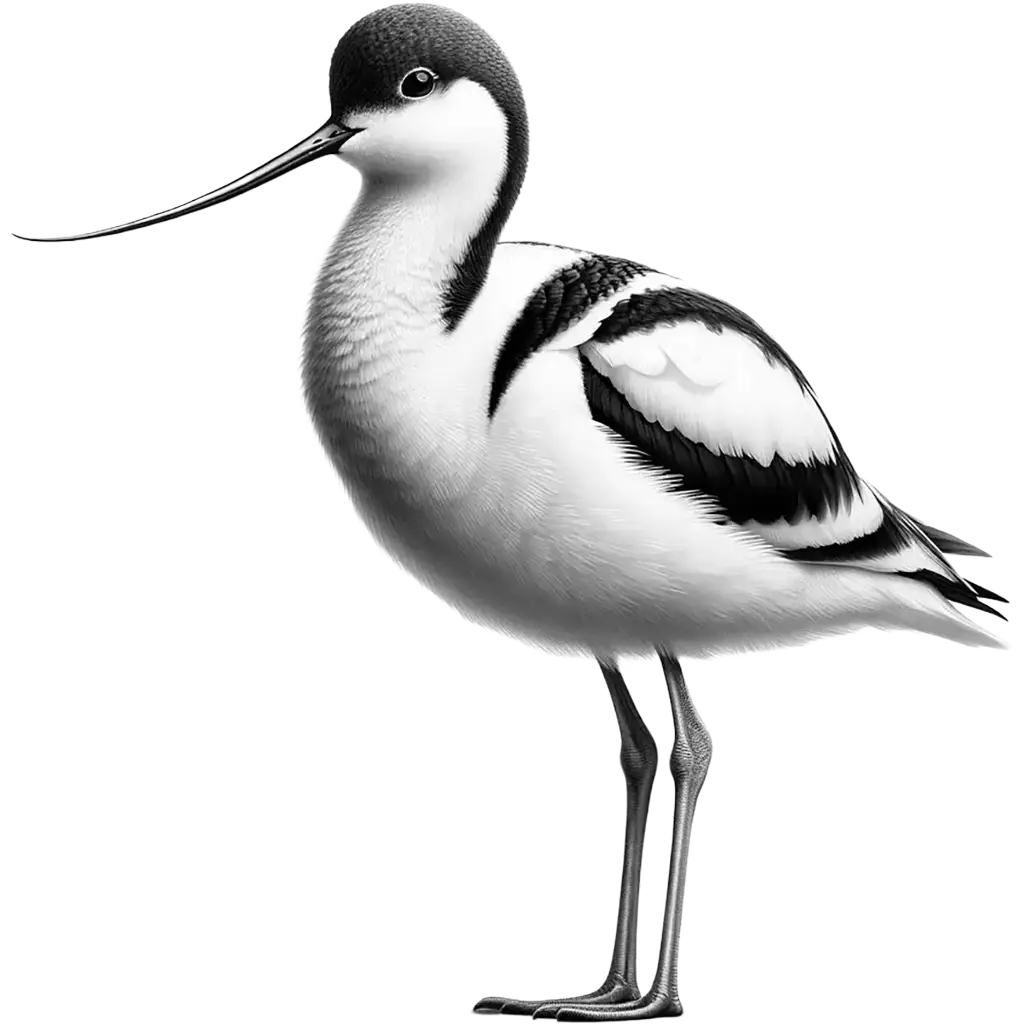
The Pied Avocet, recurvirostra avosetta, is a striking wading bird known for its elegant black and white plumage and distinctive upcurved bill. This bird typically measures about 42 to 45 cm in length, with a wingspan of 77 to 85 cm. Its long, thin legs are a pale blue, complementing
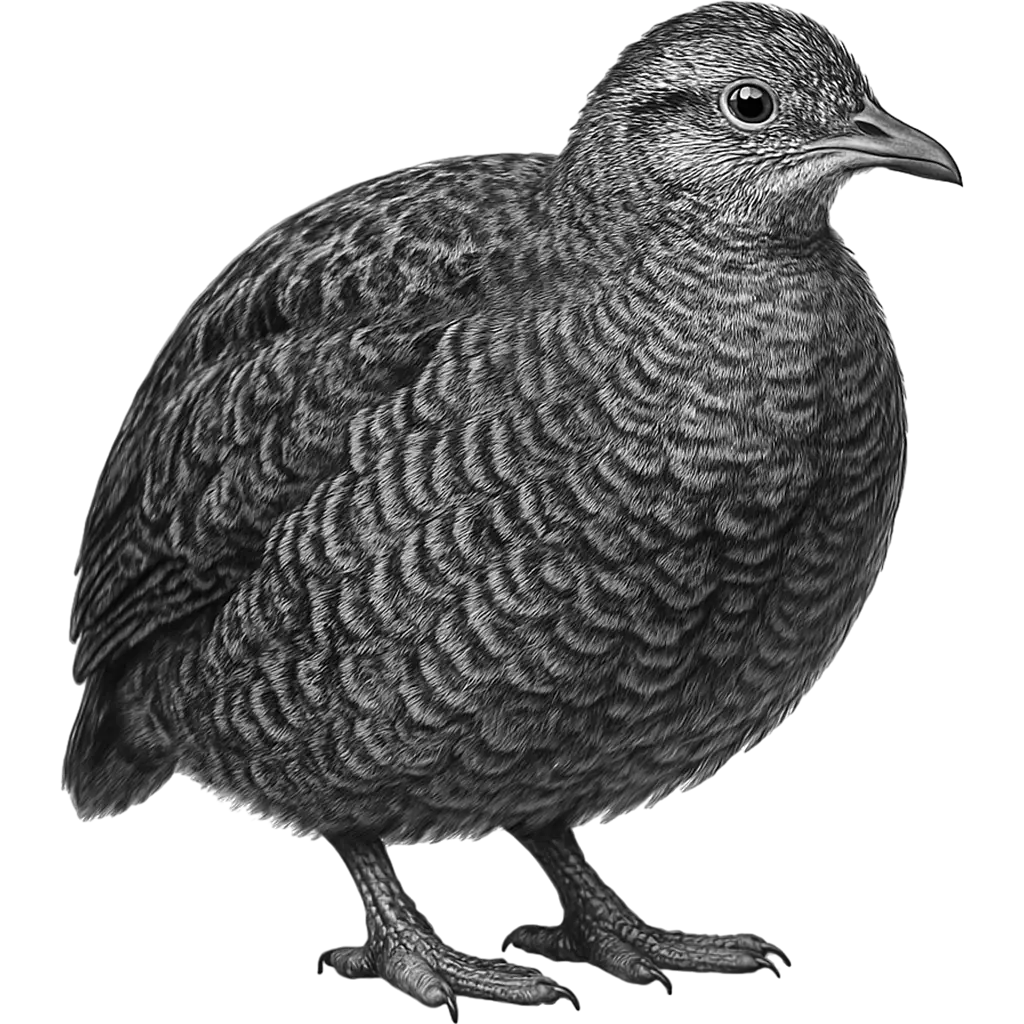
The Highland Tinamou possesses a unique, earthy plumage composed of intermingling shades of muted gray, warm brown, and soft chestnut that seamlessly blend into the rugged mountainous habitat. Its medium-sized, rounded body is complemented by a short, subtly tipped tail and strong, robust legs ideally adapted for swift, agile movements