

Ketupa Ketupu
Buffy Fish Owl
Coastal wetlands, mangroves, and riverine areas in South and Southeast Asia.
Buffy Fish Owls possess a sturdy, compact body with a broad head and distinct facial disc. Their dusky plumage is subtly mottled and they feature large, luminous eyes and a hooked beak ideal for snatching small prey. Powerful talons and a strong, muscular frame enhance their predatory elegance, enabling them to thrive in challenging aquatic habitats.
| Population: | Coastal wetlands declining from habitat loss and overfishing |
| Generation Length: | Approximately 4-5 years |
| Average Weight: | Approximately 1.2-1.8 kg |
| Average Length: | Approximately 55-65 cm |
| Lifespan: | Approximately 12-15 years in the wild; up to 20 years in captivity |
| Diet: | Fish-based diet |
| Conservation Status: | Near Threatened (NT) |
In their natural habitat, these owls are primarily nocturnal and inhabit coastal wetlands and mangrove forests. They glide silently over water surfaces and perch on overhanging branches, remaining alert to the movements of prey. Their behavior includes periods of patient, steady foraging interspersed with rapid, explosive bursts when hunting. Social interactions are minimal; however, they communicate via soft, low calls that help mark foraging sites and signal brief encounters during mating season.
Buffy Fish Owls are almost exclusively piscivorous, targeting small fish that swim near the surface. They use acute vision and echolocation to detect even subtle ripples, enabling precise strikes. Occasionally, they supplement their diet with amphibians when fish are scarce. This diet, high in lean protein and essential nutrients, sustains their active, agile lifestyle and supports muscle development for rapid, high-speed pursuits.
During the breeding season, males perform brief courtship displays featuring soft vocalizations and subtle aerial maneuvers to attract females. Once paired, the female lays a single egg, which is incubated over a 30-35 day period. Both parents exhibit minimal care post-hatching, allowing the young to become independent rapidly.
Wild populations are declining in some regions due to pollution, overfishing, and habitat degradation. While locally common in pristine wetlands, ongoing environmental pressures underscore the need for conservation actions to secure the future of this specialized, aquatic owl.
Classifications
The Key Attributes
Features
- Movement:
Glides silently over water and perches on nearby branches with ease.
- Territorial Behavior:
Generally solitary; uses low, soft calls to mark small foraging areas.
- Speed:
Moderate, with sudden rapid bursts during hunting.
- Diet:
Primarily piscivorous.
- Physical Features:
- Sturdy, compact body with a broad head and a distinct facial disc
- Dusky plumage with subtle mottling and a hooked beak
- Large, luminous eyes and powerful talons for gripping slippery prey
- Primary Senses:
- Sight
- Hearing
- Smell
Understanding Habitat and Range
Geography
- Habitat:
Coastal wetlands, mangroves, and riverine areas in South and Southeast Asia.
- Migration Patterns:
Non-migratory; local movements follow water levels and prey availability.
- Geographical Range:
Endemic to parts of South and Southeast Asia.
- Climate Preferences:
Prefers warm, humid tropical climates with abundant aquatic habitats.
Navigating the Wilderness
In the wild
- Predators:
Large raptors, terrestrial mammals, and human threats target young owls.
- Prey:
Small fish and occasional amphibians.
- Feeding Behavior:
Ambushes prey using refined echolocation and sudden dives.
- Diet:
Fish-based diet
- Defensive Mechanisms:
- Rapid bursts and deep-diving to evade predators
- Pod-like calls not typical in owls but effective stealth behavior
- Preferred Food Sources:
- Small fish and aquatic invertebrates
Insights Into Reproduction
Mating
- Mating System:
Solitary outside breeding; brief courtship displays occur in small groups.
- Number of Offspring:
Typically one egg per breeding cycle.
- Incubation Period:
Eggs incubate for about 30-35 days.
- Parental Involvement:
- Females nurse and care for the chick until independence.
Youngsters Section
Buffy Fish Owl
Fun Fact
Elegant and elusive, the Buffy Fish Owl captivates with silent nocturnal hunts.
Its refined echolocation and agile, sudden dives highlight its role as a key predator in aquatic ecosystems, emphasizing the urgent need to preserve its fragile wetland habitats.

Download word search puzzles
Word Search Puzzles


Check Out Other Birds
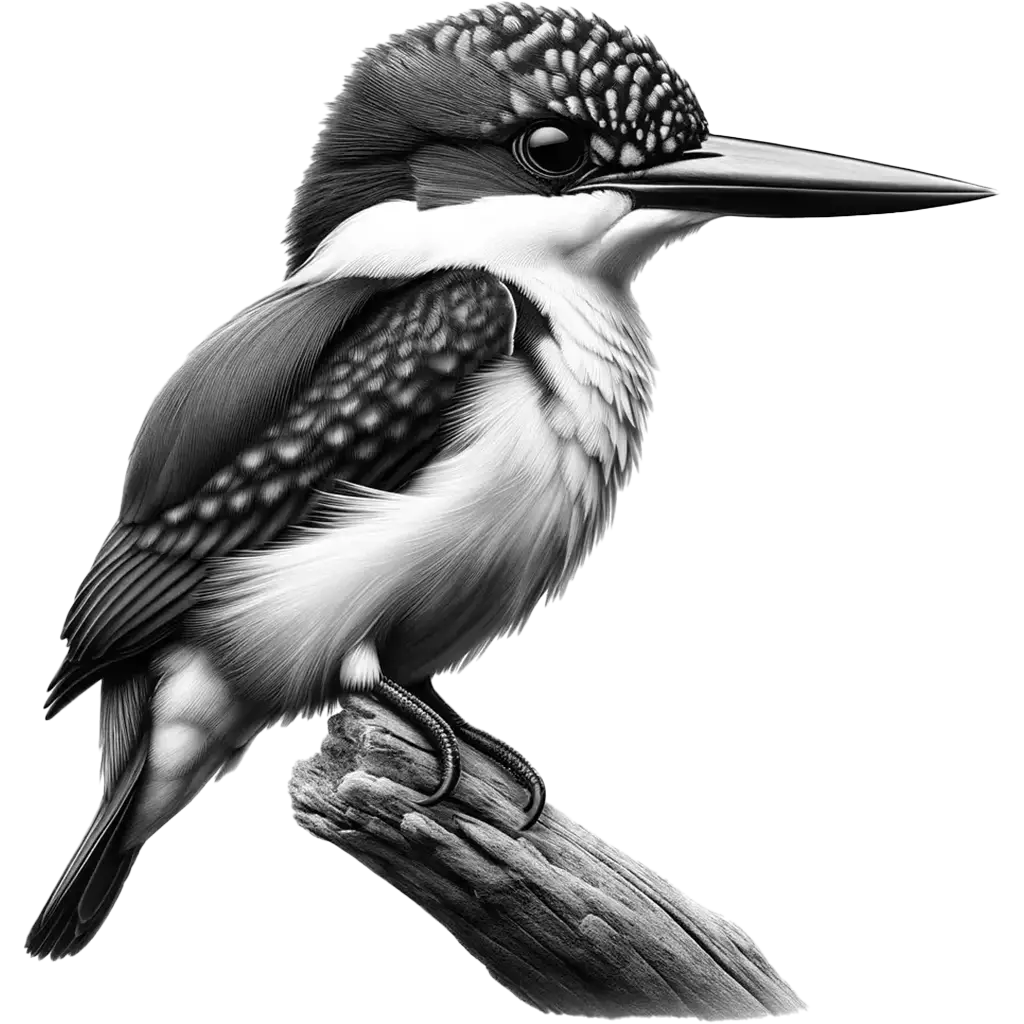
The Malachite Kingfisher, corythornis cristatus, is a small, vibrantly colored bird, renowned for its brilliant plumage and striking appearance. Measuring approximately 13 cm in length and weighing around 17 grams, this bird boasts a bright blue to turquoise upper body, with a contrasting rust-orange underparts. A distinctive feature is its
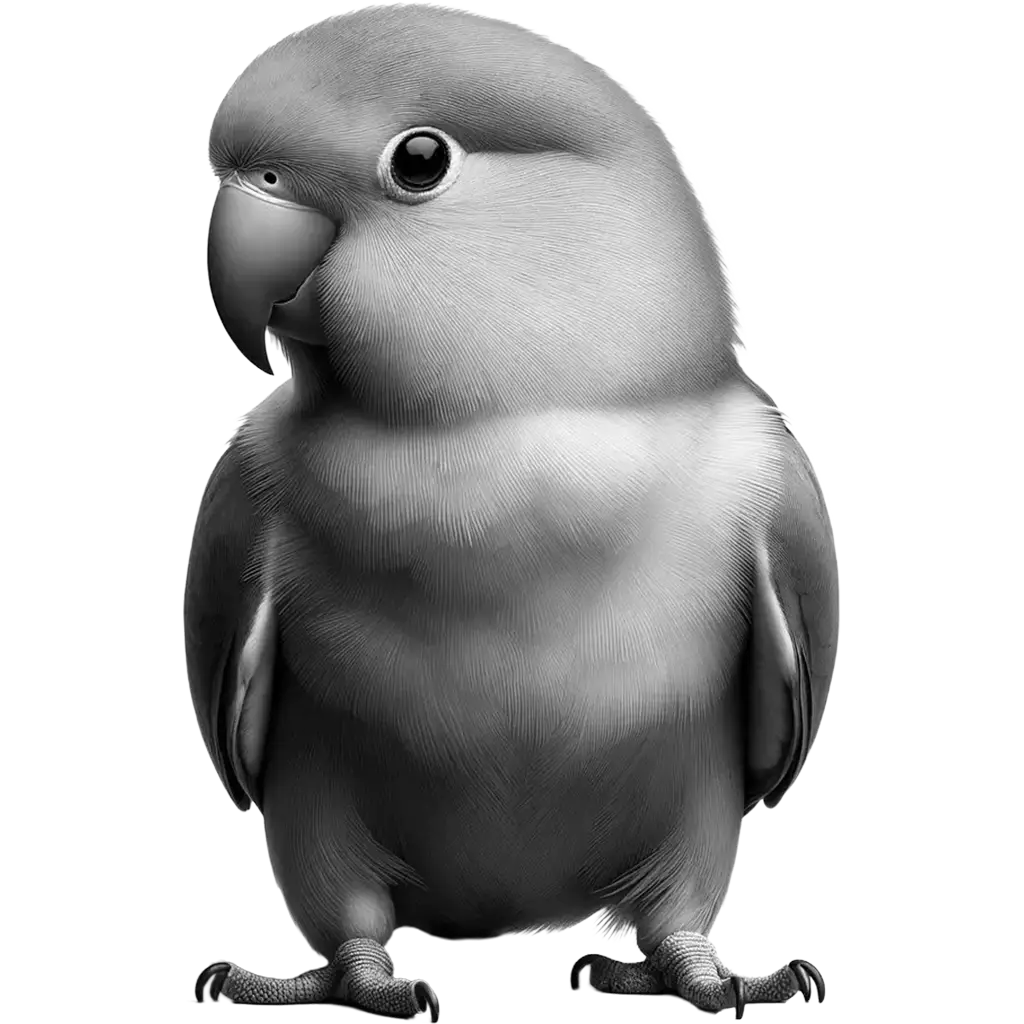
The Rosy-Faced Lovebird, agapornis roseicollis, also known as the Peach-faced Lovebird, is a small, vibrant bird native to the arid regions of southwestern Africa. This species is easily recognizable by its striking coloration: adults have a bright rosy-pink face and throat, with green upper parts, blue rump, and tail, and

The Mandarin Duck, aix galericulata, is a small, strikingly colored waterfowl native to East Asia. The male, known for its vibrant plumage during the breeding season, displays an array of colors including metallic greens, blues, and oranges, complemented by distinctive white eye-stripes and a reddish face. The female is more
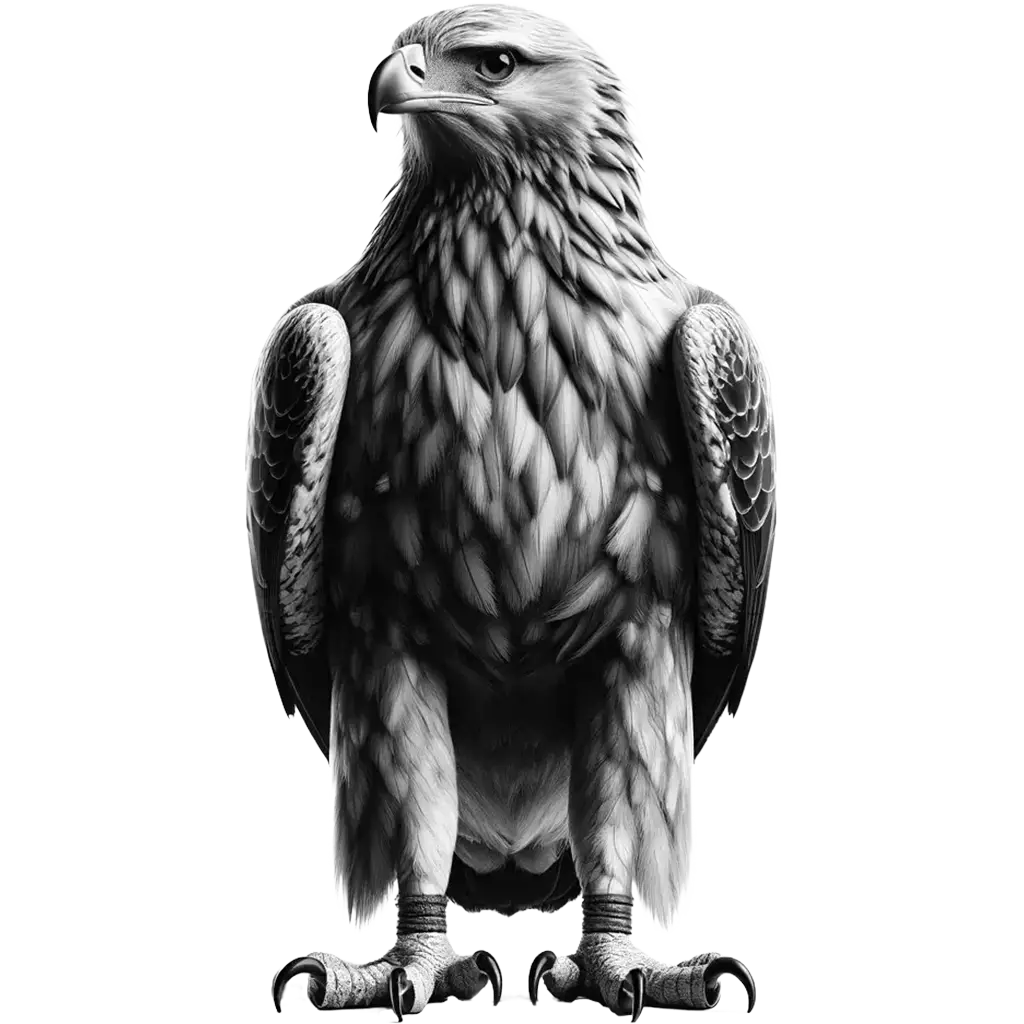
The Lesser Spotted Eagle, clanga pomarina, is a medium-sized bird of prey, distinguished by its relatively small stature compared to other eagles, with a length of about 55 to 65 cm and a wingspan ranging from 145 to 160 cm. The species exhibits a dark brown plumage overall, with lighter,