
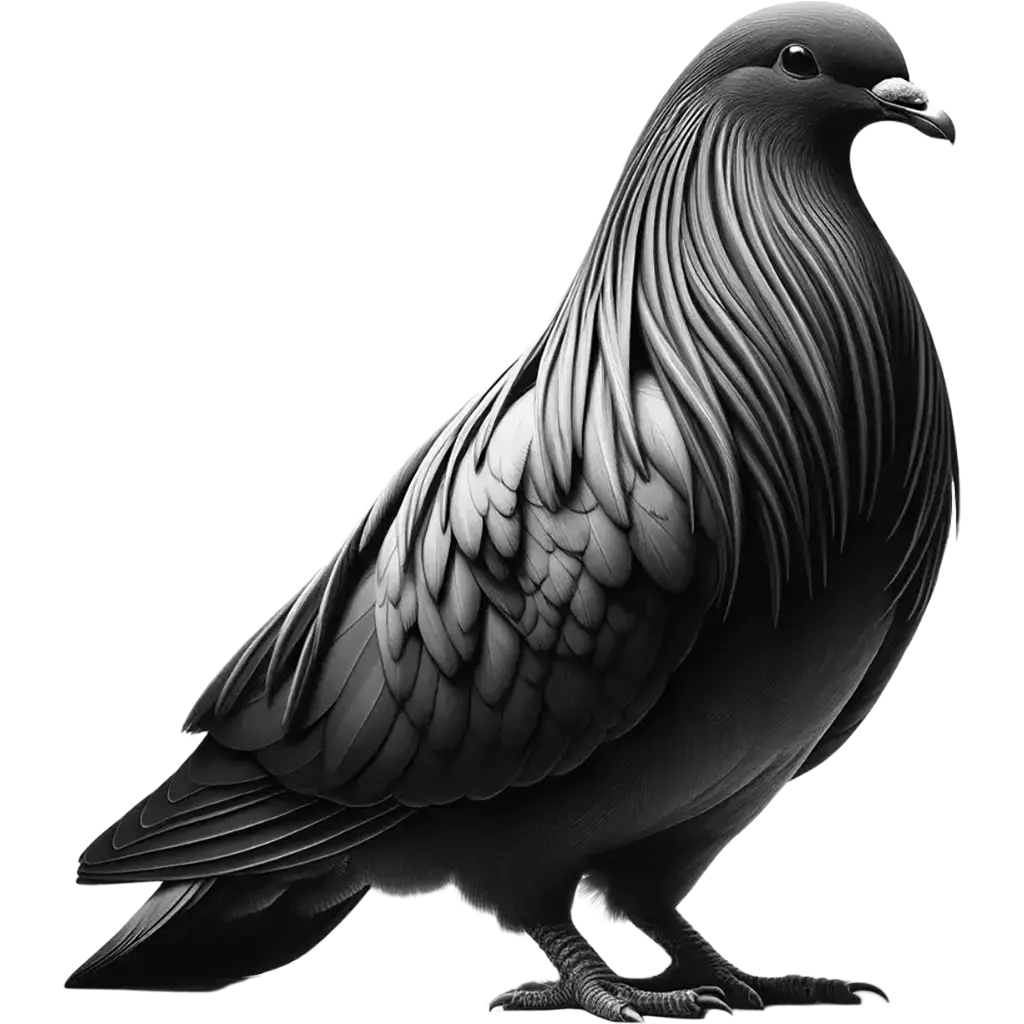
Caloenas Nicobarica
Nicobar Pigeon
Dense forests on small islands and coastal regions
The Nicobar Pigeon, caloenas nicobarica, is a strikingly beautiful bird, known for its iridescent plumage that shines in a spectrum of colors, including greens, blues, and coppers. This large pigeon, standing at approximately 40 cm in length, is the closest living relative to the extinct Dodo bird. It has a unique appearance with a small head, a stout body, and a long tail. Males are generally larger than females and possess a more vibrant coloration, especially around the neck area. The bird's legs are strong, supporting its terrestrial lifestyle, and its beak is robust, adapted for its varied diet.
| Population: | Listed as Near Threatened due to habitat loss and hunting |
| Generation Length: | 4-5 years |
| Average Weight: | 600-700 grams |
| Average Length: | 30-40 cm |
| Lifespan: | Up to 15-20 years in captivity, unknown in the wild |
| Diet: | Primarily frugivorous, supplemented with seeds and small invertebrates |
| Conservation Status: | Near Threatened (NT) |
Native to the coastal regions and islands of the Indian and Pacific Oceans, the Nicobar Pigeon prefers densely forested habitats on small islands and mangroves. These birds are highly nomadic, moving from island to island in search of food, and rarely staying in one location for long. This behavior ensures they find enough resources to sustain their diet and breeding requirements.
The diet of the Nicobar Pigeon is diverse, consisting mainly of seeds, fruits, and small invertebrates. This varied diet supports their nomadic lifestyle, allowing them to take advantage of the different foods available across their range. The pigeons often feed on the ground, where they can find a greater abundance of seeds and insects.
Reproduction for the Nicobar Pigeon involves nesting in large colonies on isolated islands, where they can lay their eggs away from the threat of predators. Females usually lay a single white egg, which both parents then incubate. The communal nesting sites are crucial for the species' reproduction, as the dense vegetation provides cover, and the isolation reduces the risk of predation on their eggs and chicks.
The population of the Nicobar Pigeon is considered Near Threatened, with habitat loss and hunting posing significant threats to their survival. Their reliance on undisturbed island ecosystems makes them vulnerable to human activity, including deforestation and the introduction of invasive species. Conservation efforts are focused on protecting their natural habitats and regulating hunting to ensure the survival of this unique species. The Nicobar Pigeon's beauty and ecological role highlight the importance of biodiversity conservation in island ecosystems.
Classifications
The Key Attributes
Features
- Movement:
Flying
- Territorial Behavior:
Somewhat territorial, especially during breeding season
- Speed:
Capable of fast, direct flight over short distances
- Diet:
Herbivore
- Physical Features:
- Robust body with short legs
- Iridescent plumage in green and blue shades
- Small head compared to body size
- Long hackles on the neck
- Short, white tail
- Primary Senses:
- Sight
- Hearing
Understanding Habitat and Range
Geography
- Habitat:
Dense forests on small islands and coastal regions
- Migration Patterns:
Non-migratory but may move locally for food
- Geographical Range:
Coastal areas in Southeast Asia, from the Nicobar Islands to Papua New Guinea and the Solomon Islands
- Climate Preferences:
Prefers tropical climates
Navigating the Wilderness
In the wild
- Predators:
Rats, cats, and birds of prey
- Prey:
Fruits, seeds, and small invertebrates
- Feeding Behavior:
Feeds on the ground, consuming fallen fruits, seeds, and occasionally small invertebrates
- Diet:
Primarily frugivorous, supplemented with seeds and small invertebrates
- Defensive Mechanisms:
- Camouflage within the forest floor
- Flying to dense foliage to escape predators
- Preferred Food Sources:
- Areas with abundant fruit-bearing trees and undergrowth
Insights Into Reproduction
Mating
- Mating System:
Monogamous
- Number of Offspring:
Usually one egg per clutch
- Incubation Period:
About 28-30 days
- Parental Involvement:
- Both parents share in incubating the egg and raising the chick
Youngsters Section
Nicobar Pigeon
Fun Fact
The Nicobar Pigeon is one of the closest living relatives of the extinct dodo bird.
This colorful bird is known for its iridescent plumage, which includes shades of green, copper, and blue. Unlike most pigeons, Nicobar Pigeons have a unique gizzard stone. They swallow these stones to help grind up hard seeds and food in their diet. They are found in the Nicobar Islands and other parts of Southeast Asia.

Download word search puzzles
Word Search Puzzles
Check Out Other Birds

The King Eider, somateria spectabilis, is a large, striking sea duck known for its circumpolar distribution in the Arctic regions of North America, Europe, and Asia. Male King Eiders are particularly notable for their distinctive appearance during the breeding season, with a bold black and white pattern, a bright orange
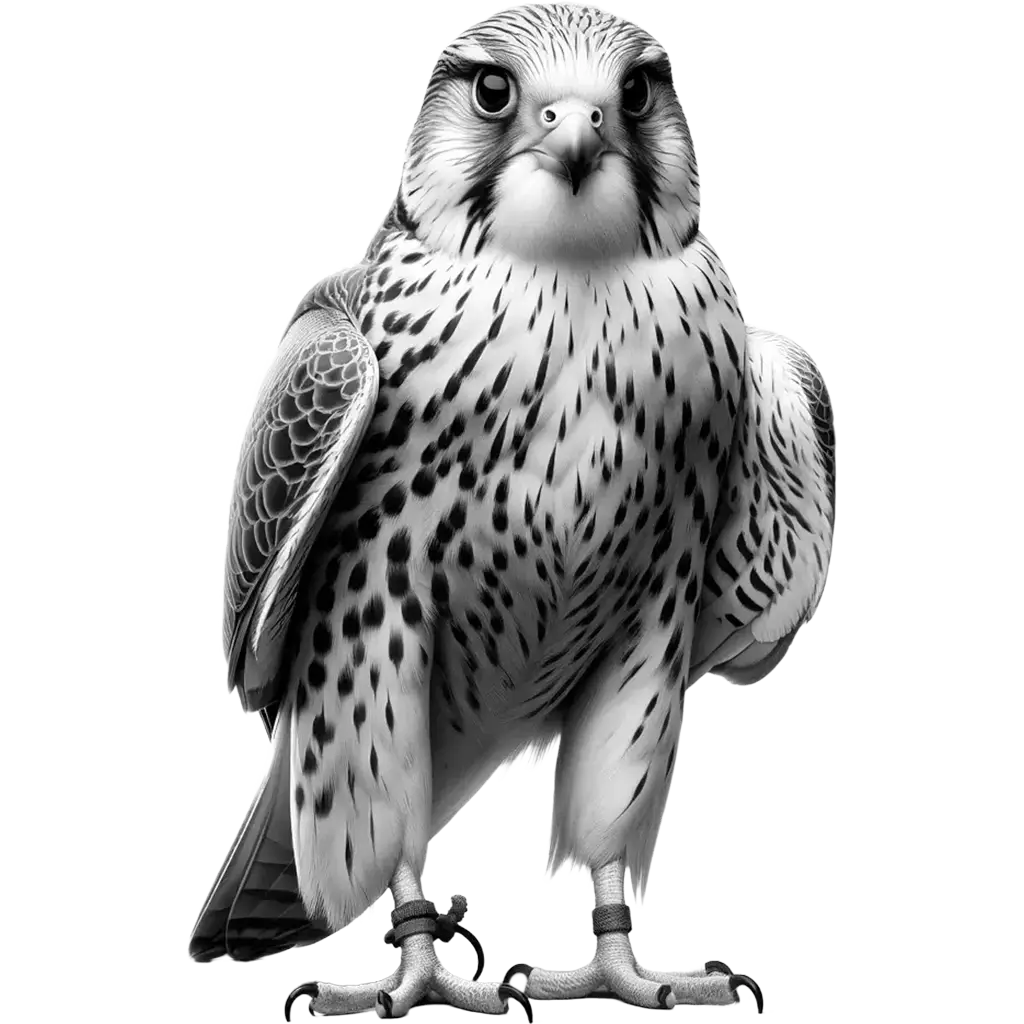
The Saker Falcon, falco cherrug, is a large, powerful bird of prey, renowned for its speed and agility in flight. It is one of the largest falcons, with adults typically measuring 47 to 55 cm in length and boasting a wingspan of 105 to 129 cm. The Saker Falcon's plumage
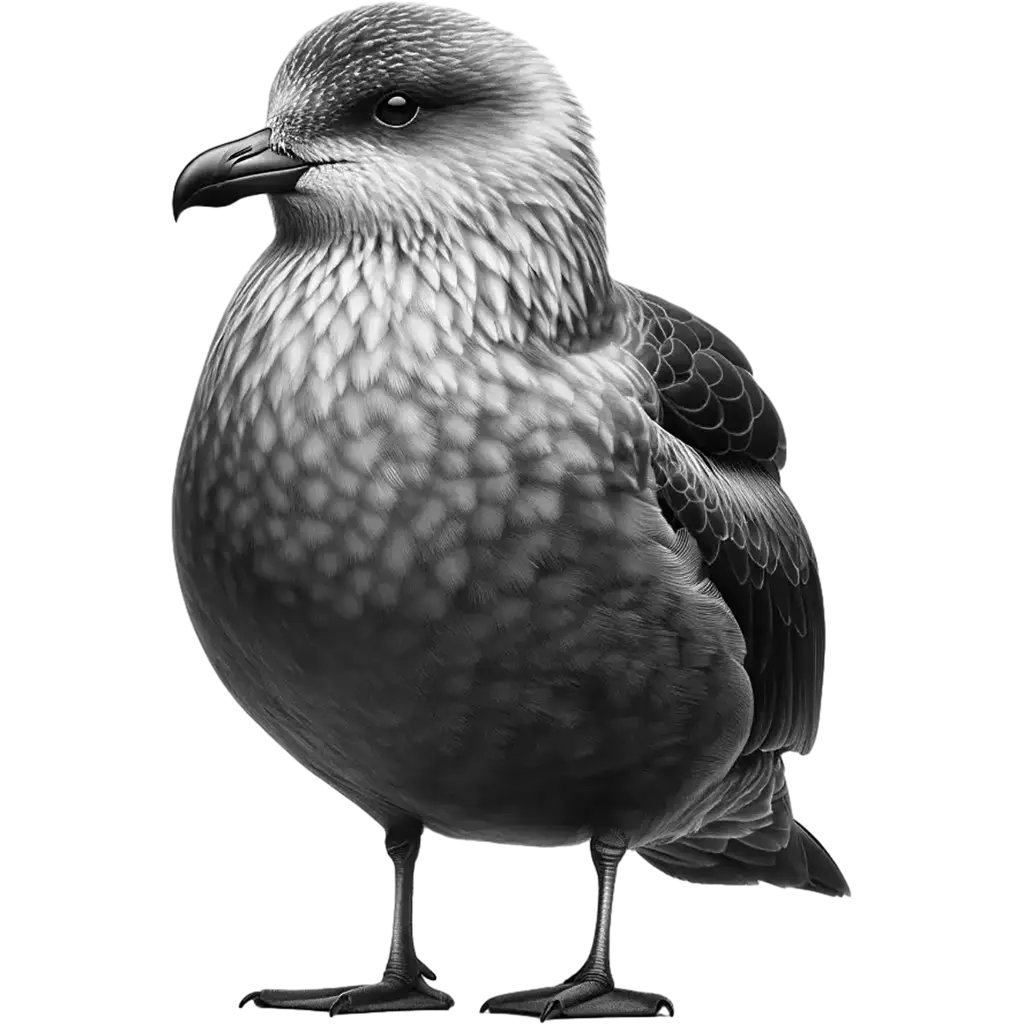
The Pomarine Jaeger, stercorarius pomarinus, is a robust seabird known for its powerful flight and aggressive hunting tactics. This species exhibits considerable size variation, with a length ranging from 45 to 60 cm and a wingspan of 110 to 135 cm, making it the largest of the jaeger species. It
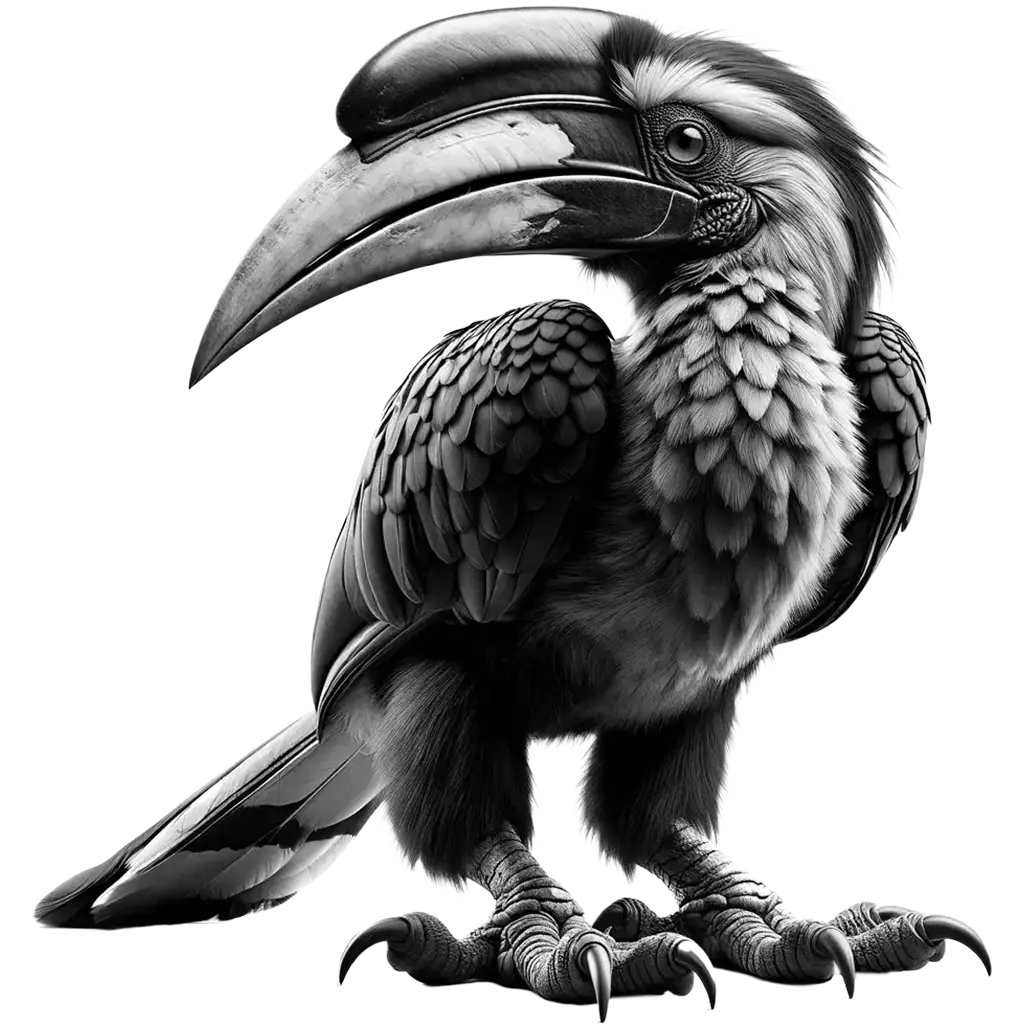
Blyth's Hornbill, rhyticeros plicatus, also known as the papuan hornbill, is a large and distinctive bird native to the forests of New Guinea, the Bismarck Archipelago, and the Solomon Islands. This species is notable for its impressive size, with males reaching up to 91 cm in length and featuring a