
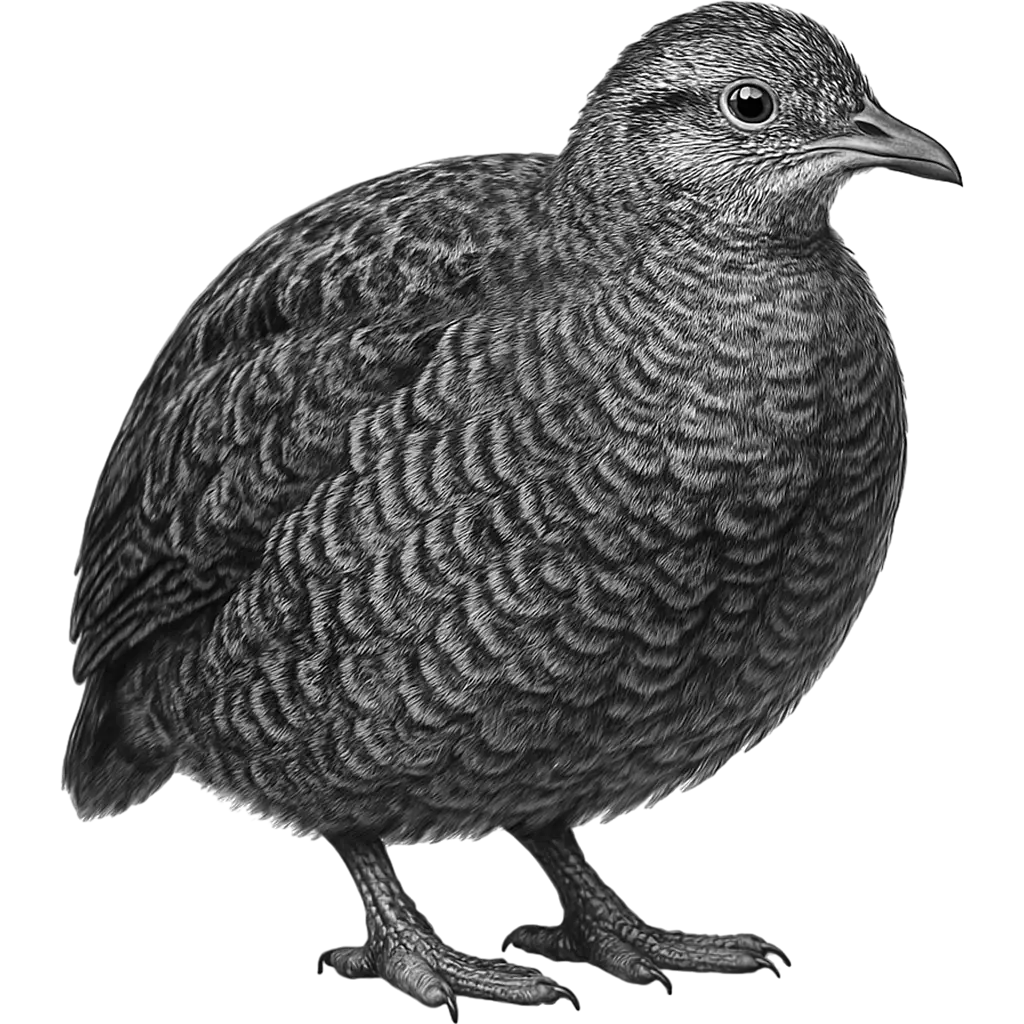
Nothocercus Bonapartei
Highland Tinamou
Montane forests and high-altitude grasslands
The Highland Tinamou possesses a unique, earthy plumage composed of intermingling shades of muted gray, warm brown, and soft chestnut that seamlessly blend into the rugged mountainous habitat. Its medium-sized, rounded body is complemented by a short, subtly tipped tail and strong, robust legs ideally adapted for swift, agile movements on uneven terrain. The bird features bright, attentive eyes, a modest crest, and a curious expression that together contribute to its distinctive, endearing appearance.
| Population: | Population stable in montane forests of the Andes |
| Generation Length: | 2-3 years |
| Average Weight: | 400-500 grams |
| Average Length: | 30-40 cm |
| Lifespan: | 3-5 years in the wild |
| Diet: | Mixed diet including small invertebrates and plant matter |
| Conservation Status: | Least Concern (LC) |
The Highland Tinamou is active mainly during the early hours and late afternoons, using these cooler periods to forage on the forest floor. Known for its discreet and cautious nature, this bird typically avoids open areas and strong winds by seeking shelter under dense foliage. It maintains a quiet daily routine, punctuated by brief flights when startled and careful navigation through steep, rocky paths. Often found in small groups or pairs, it demonstrates subtle social behaviors such as mutual preening and synchronized foraging. Adaptability is a key trait, as it effectively copes with fluctuating weather conditions in high-altitude environments.
The diet of the Highland Tinamou is varied and opportunistic, allowing it to take advantage of diverse food sources in its natural habitat. It feeds on a mixture of invertebrates including insects and small arthropods, supplemented by a range of plant materials such as fruits, seeds, and tender leaves. This bird has adapted to utilize both ground foraging and occasional pecking from low vegetation to secure its meals. The blend of protein-rich insects and nutrient-dense plant matter provides a balanced intake necessary for maintaining its energy and endurance in high-altitude environments. This varied diet not only sustains its daily energy needs but also promotes overall health and resilience in the challenging highland ecosystem.
Mating in the Highland Tinamou involves a unique courtship where males often perform subtle displays to attract females. The species practices a ground-based nesting behavior with both sexes playing distinct roles in reproduction. After laying eggs in a well-hidden nest, the male takes a primary role in incubation, while the female departs after laying eggs, relying on periodic visits for care.
The population of the Highland Tinamou is considered stable, with these birds commonly found across various high-altitude regions of the Andes. Although localized threats such as habitat degradation and occasional hunting occur, the species maintains a consistent presence in its natural environment. Ongoing conservation efforts aim to monitor population trends and ensure the preservation of these adaptable birds in their native landscapes.
Classifications
The Key Attributes
Features
- Movement:
Flight
- Territorial Behavior:
Solitary or small groups
- Speed:
Moderate
- Diet:
Omnivore
- Physical Features:
- Camouflaged plumage
- Short tail
- Robust legs
- Rounded body
- Primary Senses:
- Sight
- Hearing
- Smell
Understanding Habitat and Range
Geography
- Habitat:
Montane forests and high-altitude grasslands
- Migration Patterns:
Non-migratory
- Geographical Range:
Andes region (Ecuador, Colombia, Venezuela)
- Climate Preferences:
Cool, humid climates
Navigating the Wilderness
In the wild
- Predators:
Foxes, raptors
- Prey:
Insects, fruits, seeds
- Feeding Behavior:
Forages on the forest floor
- Diet:
Mixed diet including small invertebrates and plant matter
- Defensive Mechanisms:
- Camouflage
- Rapid flight
- Preferred Food Sources:
- Insects
- Fruits
- Seeds
Insights Into Reproduction
Mating
- Mating System:
Ground nesting with minimal parental care
- Number of Offspring:
Typically 4-8 eggs per clutch
- Incubation Period:
18-21 days
- Parental Involvement:
- Male primarily incubates eggs
- Female departs after laying eggs
Youngsters Section
Highland Tinamou
Fun Fact
Highland Tinamous exhibit remarkable camouflage in dense montane forests.
These birds are known for their cautious behavior and agility on rocky terrain, using their quick bursts of flight to evade predators and navigate challenging highland environments effectively.

Download word search puzzles
Word Search Puzzles


Check Out Other Birds

The Java Sparrow, lonchura oryzivora, also known as the Java Finch, is a small, robust bird native to the islands of Java, Bali, and Bawean in Indonesia. Characterized by its striking appearance, the Java Sparrow has a plump body and a large beak that is unusually thick and comes in
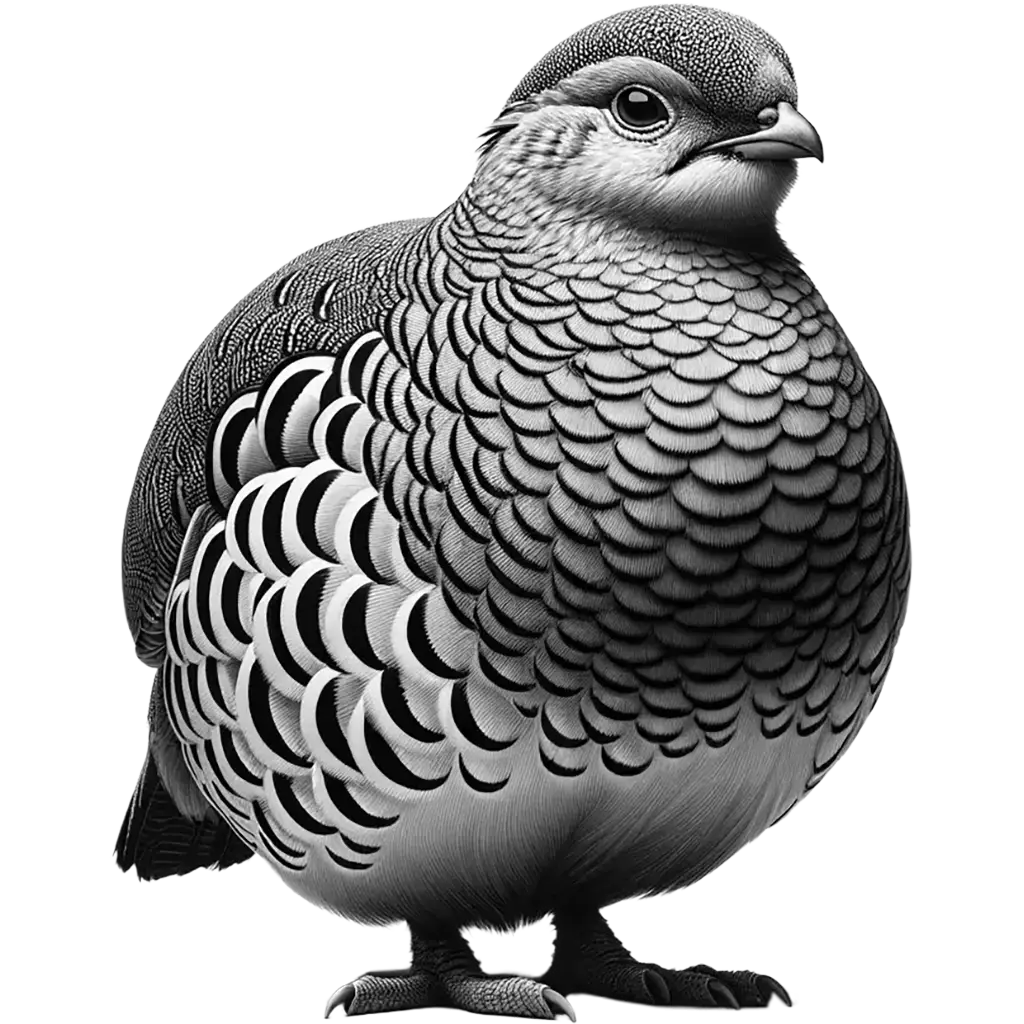
The Barbary Partridge, alectoris barbara, is a game bird native to North Africa, with a distinctive presence in the rugged, mountainous regions of Morocco, Algeria, Tunisia, and Gibraltar. It is recognized by its striking plumage, which features a combination of gray, brown, and chestnut, allowing it to blend seamlessly into
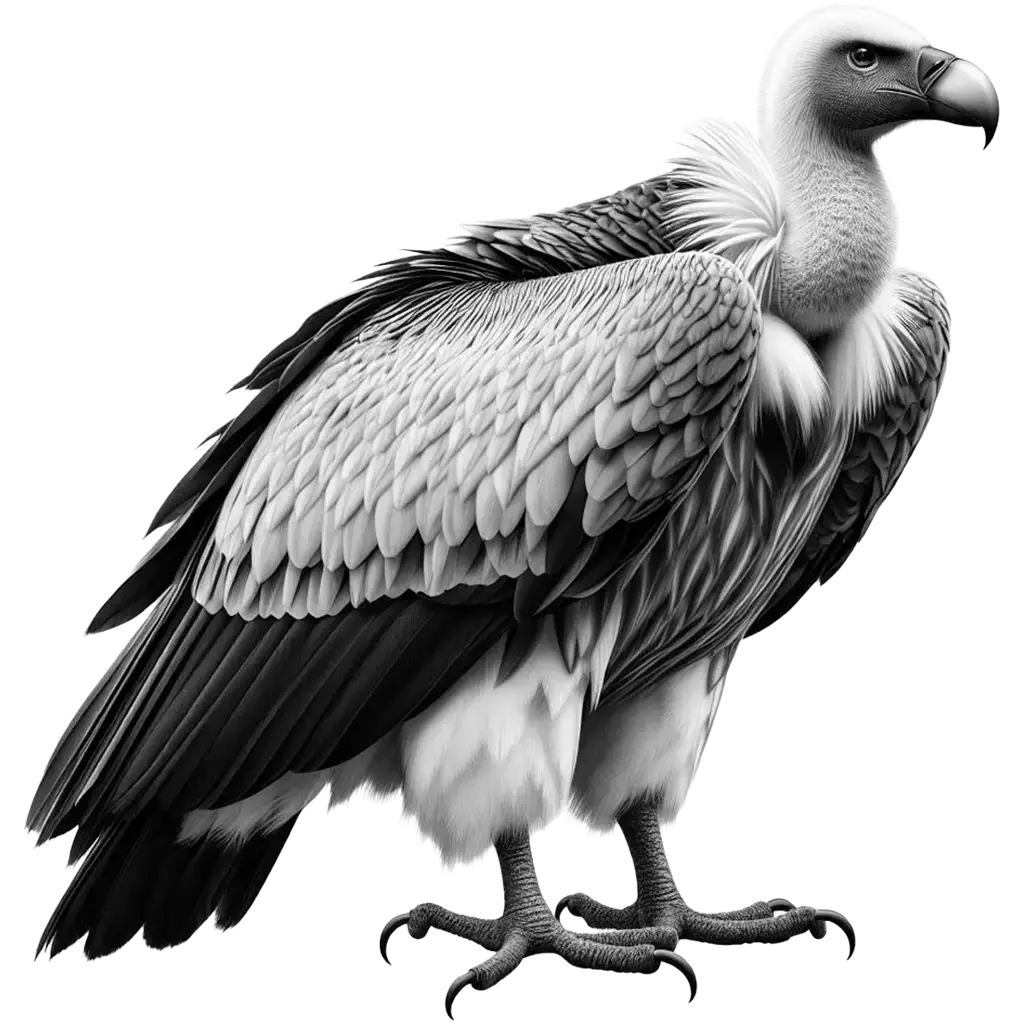
The Eurasian Griffon Vulture, gyps fulvus, is a majestic bird of prey, known for its impressive size and soaring flight. This species is one of the larger vultures, with a wingspan ranging from 230 to 280 centimeters (7.5 to 9.2 feet), and weighs between 6 to 11 kilograms (13 to
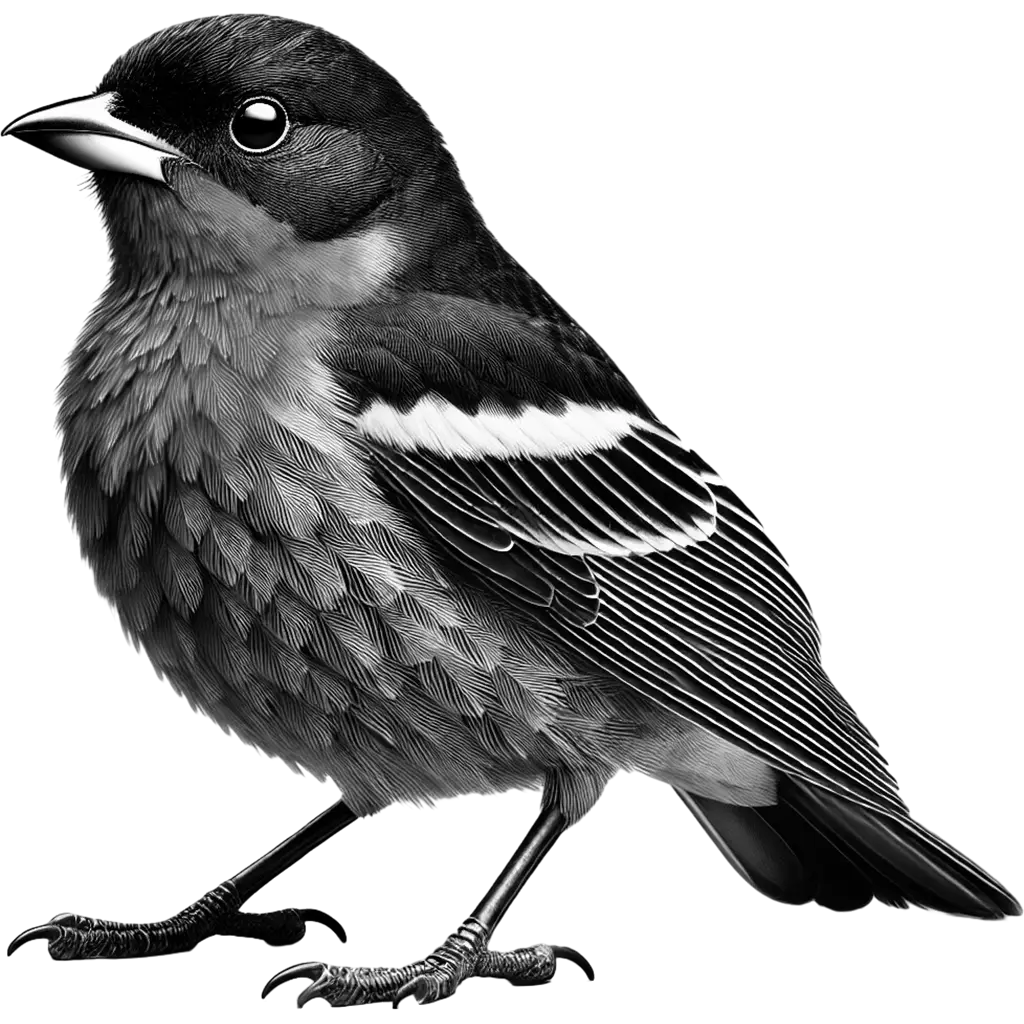
The Scarlet-throated Tanager (Compsothraupis loricata) is a striking bird adorned with a vivid scarlet throat that contrasts sharply with its predominantly dark plumage. Its head is marked by delicate, intricate patterns of black and deep blue, while the body is accented by subtle hints of yellow on the underparts and