
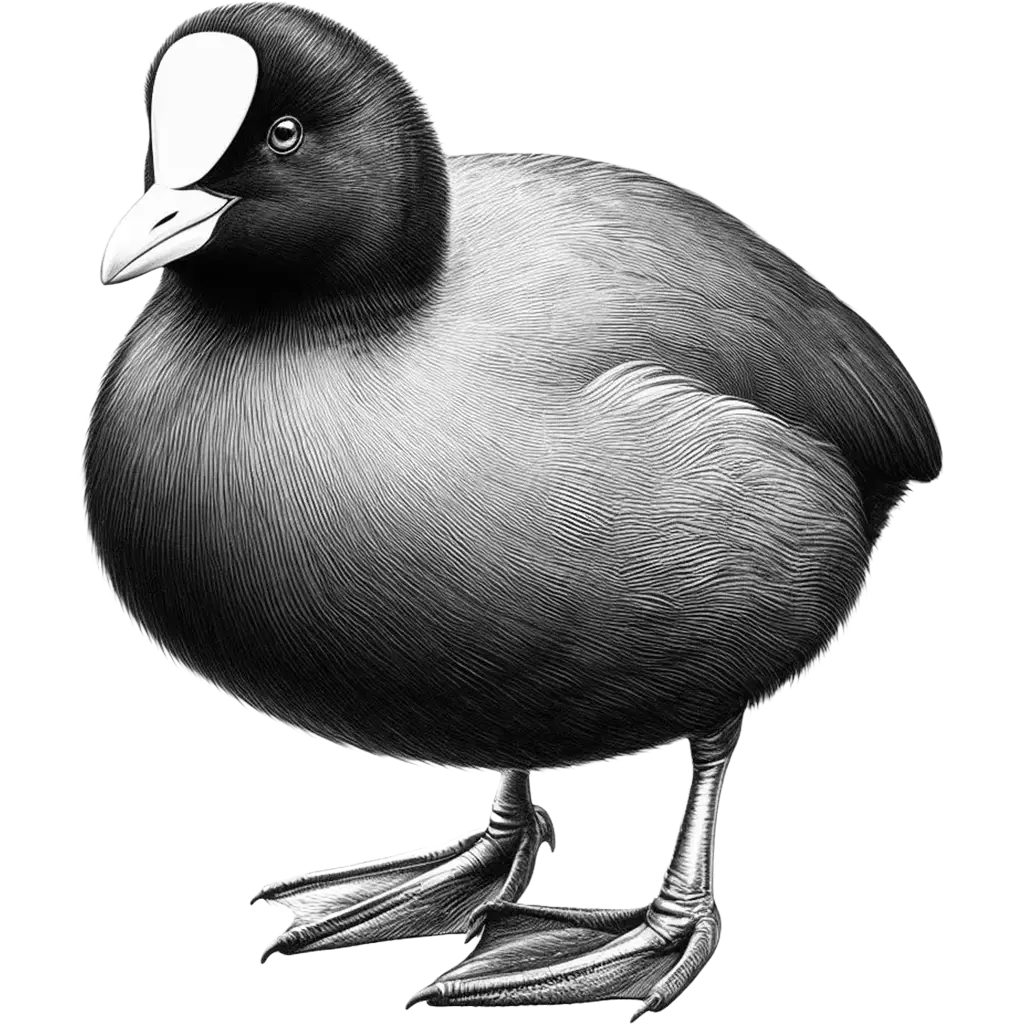
Fulica Atra
Eurasian Coot
Freshwater lakes, rivers, marshes, and artificial water bodies like reservoirs and park ponds
The Eurasian Coot, fulica atra, is a widespread waterbird known for its distinctive all-black plumage and stark white bill and forehead shield. Common across Europe, Asia, Australia, and parts of Africa, this medium-sized bird measures about 32 to 42 centimeters in length and weighs approximately 600 to 900 grams. The coot's body is robust, with a rounded shape, and its legs are set far back on the body, aiding in swimming but making land movement somewhat awkward. Despite their dark coloration, coots are easily identified by their white facial features, which contrast sharply with their otherwise black appearance.
| Population: | Widespread and common, not currently considered threatened |
| Generation Length: | 4 years |
| Average Weight: | 600-900 grams |
| Average Length: | 32-42 cm |
| Lifespan: | Up to 20 years in the wild, though less is more typical |
| Diet: | Plants, seeds, insects, small fish |
| Conservation Status: | Least Concern (LC) |
The Eurasian Coot inhabits a variety of freshwater environments, from large lakes and rivers to small ponds and marshes. They are highly adaptable, capable of thriving in both natural and human-altered landscapes, including urban parks and reservoirs. Coots are social birds, often found in large flocks outside of the breeding season, and are known for their aggressive territorial behavior during nesting periods.
The diet of the Eurasian Coot is omnivorous but leans heavily towards plant material, including algae, waterweeds, and grasses. They also consume small animals such as insects, snails, and small fish, diving underwater or foraging among vegetation to find food. Their varied diet allows them to exploit a wide range of feeding niches within their aquatic habitats.
Reproduction for Eurasian Coots typically occurs in the spring and summer months, when they build floating nests anchored to underwater plants in sheltered areas of their aquatic habitats. Females lay between 6 to 9 eggs, which are incubated by both parents for about 21 to 24 days. The hatchlings are precocial, born with a unique downy plumage, and are cared for by both parents, who aggressively defend their offspring from predators and intruders.
The Eurasian Coot is considered to be of Least Concern by conservation standards, with stable and widespread populations. However, they face threats from habitat loss and pollution in some areas of their range. Conservation efforts focus on preserving wetland habitats and ensuring water quality to support healthy populations of this and other waterbird species. The coot's success in diverse environments underscores the importance of maintaining ecological balance in freshwater ecosystems.
Classifications
The Key Attributes
Features
- Movement:
Swimming, diving, walking on land
- Territorial Behavior:
Territorial during breeding season, otherwise gregarious
- Speed:
Capable of rapid swimming and diving; specific speeds not detailed
- Diet:
Omnivore
- Physical Features:
- All-black body
- White facial shield and beak
- Lobed feet for efficient swimming
- Primary Senses:
- Sight
- Hearing
Understanding Habitat and Range
Geography
- Habitat:
Freshwater lakes, rivers, marshes, and artificial water bodies like reservoirs and park ponds
- Migration Patterns:
Partially migratory, with northern populations moving south for winter
- Geographical Range:
Throughout Europe, Asia, northern Africa, and Australasia
- Climate Preferences:
Temperate to tropical climates, avoids freezing temperatures
Navigating the Wilderness
In the wild
- Predators:
Large birds of prey, foxes, and aquatic mammals
- Prey:
Varied diet including aquatic plants, invertebrates, and small vertebrates
- Feeding Behavior:
Feeds on plant material, insects, small fish, and eggs of other birds
- Diet:
Plants, seeds, insects, small fish
- Defensive Mechanisms:
- Diving to escape predators
- Aggressive defense of territory during breeding season
- Preferred Food Sources:
- Aquatic vegetation
- Insects
- Small aquatic animals
Insights Into Reproduction
Mating
- Mating System:
Monogamous
- Number of Offspring:
6-9 eggs
- Incubation Period:
21-24 days
- Parental Involvement:
- Both parents build the nest, incubate eggs, and care for the young
Youngsters Section
Eurasian Coot
Fun Fact
Eurasian Coots are known for their distinctive white frontal shield on their forehead.
These birds are excellent swimmers and often build floating nests anchored to aquatic vegetation. They can be aggressive, especially during breeding season, chasing away intruders to protect their territory. Coots have lobed toes, which help them maneuver efficiently in water.

Download word search puzzles
Word Search Puzzles
Check Out Other Birds
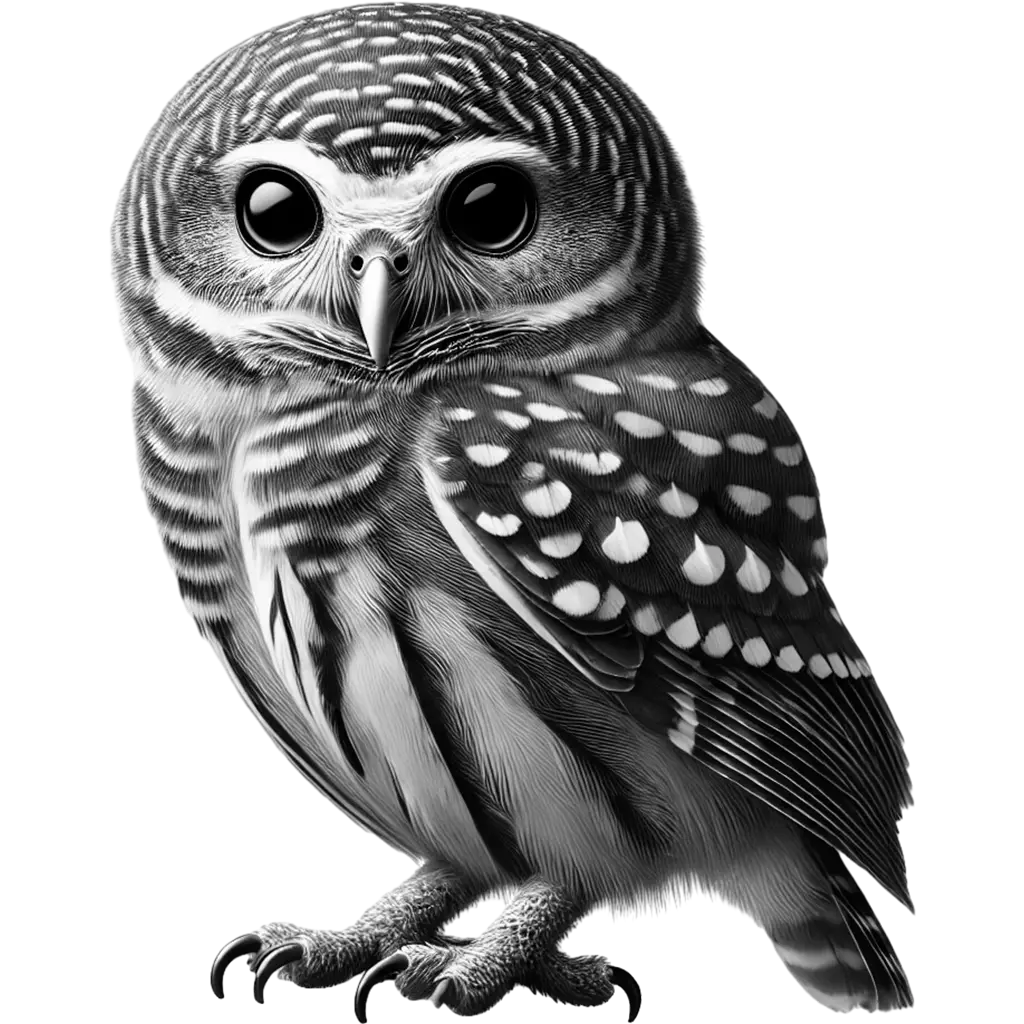
The Jungle Owlet is a small, stocky owl measuring approximately 21 to 23 centimeters in length. It features a rounded head without ear tufts and bright yellow eyes. Its plumage is finely barred with brown and white, and it has distinctive white patches on the chin, upper breast, and abdomen.
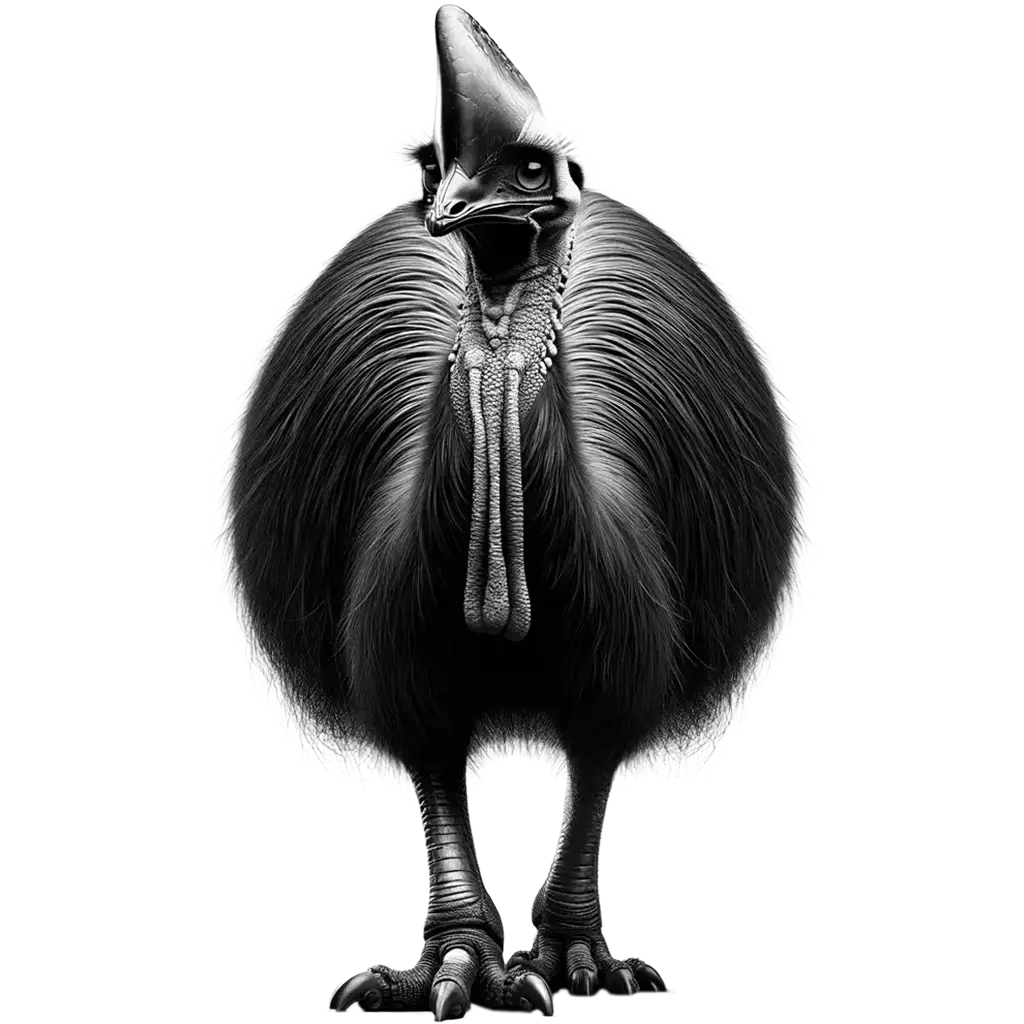
The Southern Cassowary, casuarius casuarius, is a formidable flightless bird native to the tropical rainforests of northeastern Australia, New Guinea, and surrounding islands. This species is renowned for its striking appearance, featuring a brilliant blue face and neck, two red wattles, and a distinctive casque—a helmet-like structure—on its head. The
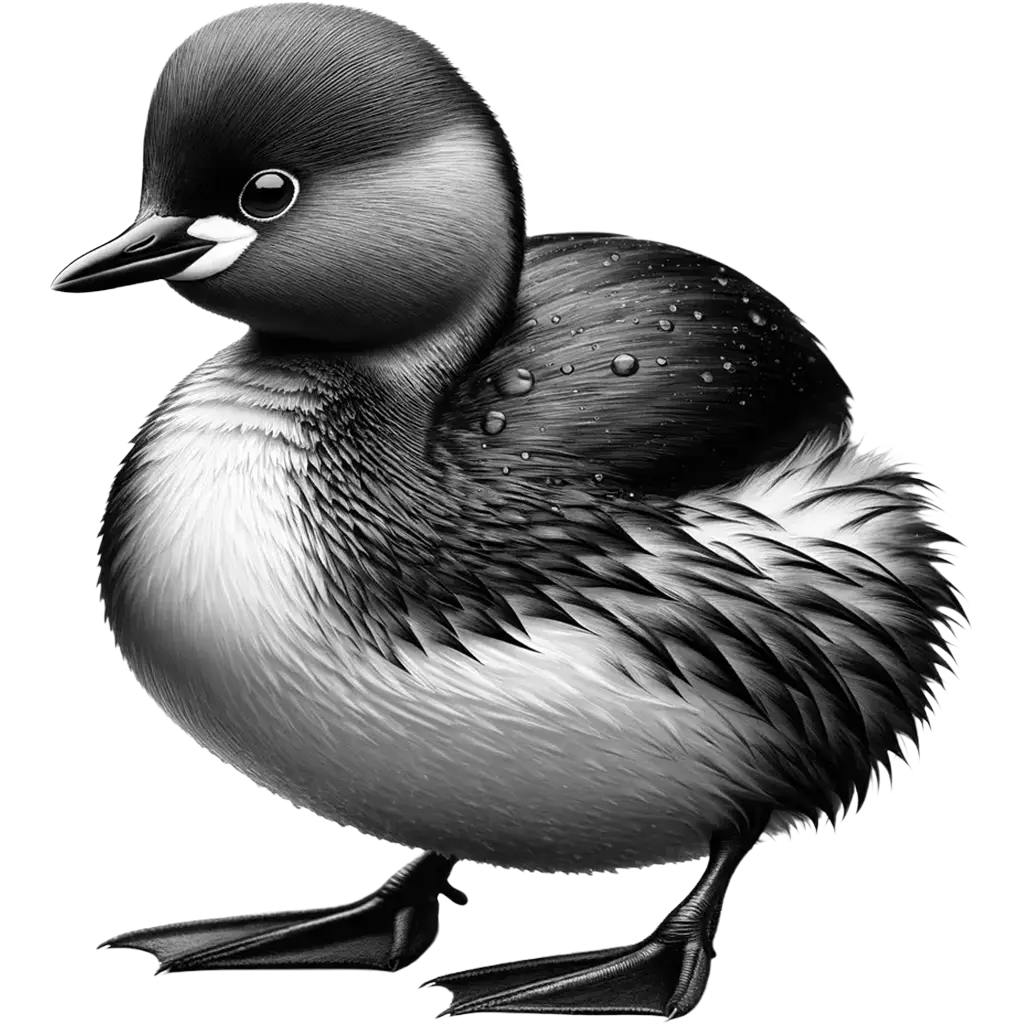
The Little Grebe, tachybaptus ruficollis, also known as the Dabchick, is a small water bird, celebrated for its remarkable diving ability and agility in water. Adults typically measure about 23 to 29 cm in length, with a distinctive stout body, short neck, and almost tailless appearance. During the breeding season,
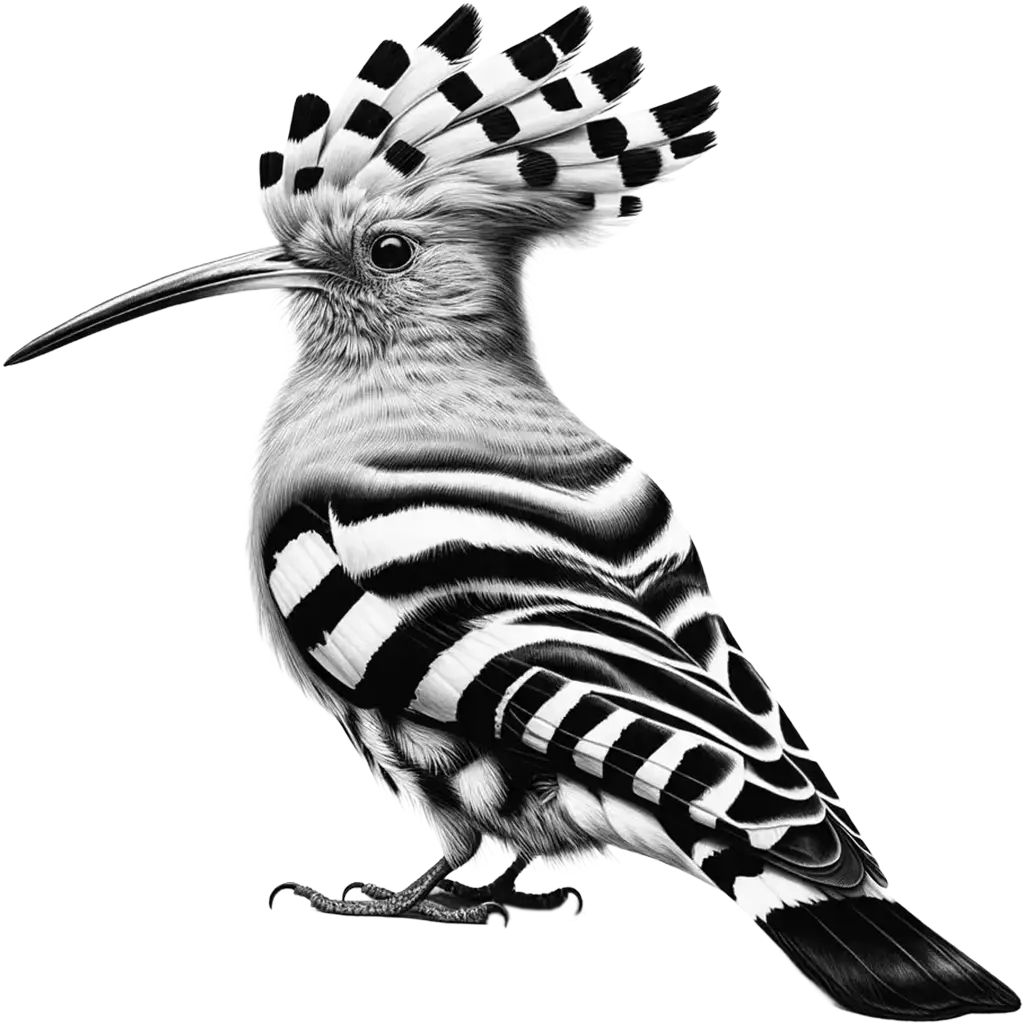
The Eurasian Hoopoe, upupa epops, is a distinctive bird known for its unique 'crown' of feathers, striking black and white wings, and long, tapered bill. Found across Europe, Asia, and North Africa, the hoopoe is a medium-sized bird, measuring about 25 to 32 centimeters in length, with a wingspan of