
Ensifera Ensifera
Sword-Billed Hummingbird
Montane forests and edges, often in high-altitude regions
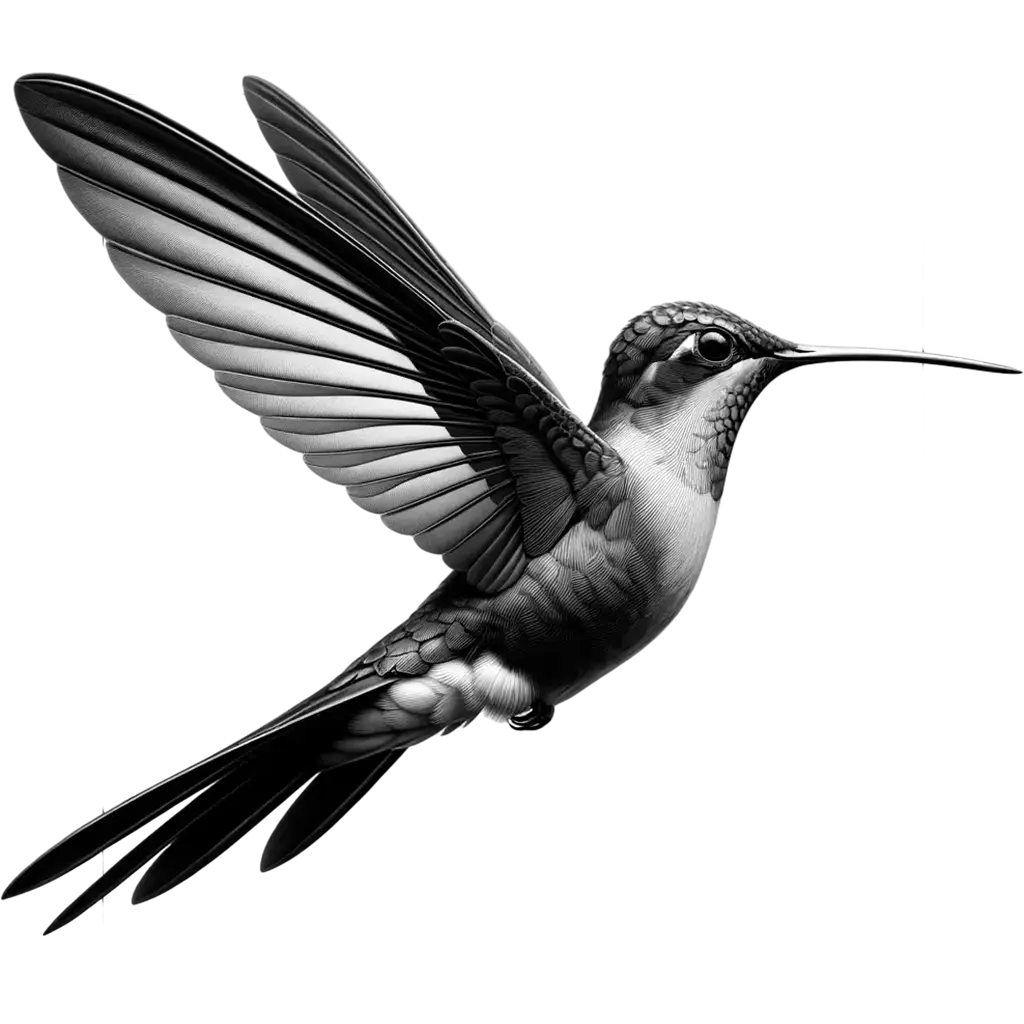
The Sword-Billed Hummingbird, ensifera ensifera, stands out as one of the most extraordinary species of hummingbirds, primarily due to its remarkable bill, which is longer than its body, excluding the tail. This unique adaptation, measuring up to 11 cm in length, allows it to access nectar from deep tubular flowers that are inaccessible to other birds. Adults exhibit a dazzling plumage, with males featuring iridescent green upperparts and white underparts, while females have a more subdued coloration with speckled throats. Both sexes have a bronze-green throat patch, adding to their allure. Despite their delicate appearance, these birds are robust, with strong wings that enable them to hover in place while feeding.
| Population: | Data deficient, but not currently considered endangered |
| Generation Length: | 3-4 years |
| Average Weight: | 10-15 grams |
| Average Length: | 13-15 cm, not including the beak; beak itself can be 10-11 cm |
| Lifespan: | Typically 3-5 years in the wild |
| Diet: | Primarily nectar, occasionally consuming insects and spiders for protein |
| Conservation Status: | Least Concern (LC) |
Native to the Andean highlands of South America, from Venezuela to Bolivia, the Sword-Billed Hummingbird frequents cloud forests and montane woodlands at elevations of 2,500 to 3,400 meters. These environments are rich in the specialized flowers that accommodate their unique feeding habits. The bird's presence in these ecosystems highlights the intricate relationships between species and their habitats, emphasizing the importance of biodiversity.
The diet of the Sword-Billed Hummingbird consists primarily of nectar, which it gathers with its extraordinary bill from flowers such as passionflowers and fuchsias. This specialized feeding mechanism not only benefits the hummingbird by providing a high-energy food source but also aids in the pollination of the flowers it visits, contributing to the health of its ecosystem.
Reproduction for the Sword-Billed Hummingbird involves solitary nesting, with the female solely responsible for building the nest, incubating the eggs, and feeding the chicks. The nests are small cups made of plant fibers and spider webs, usually attached to a branch high in the forest canopy. This secluded approach to nesting helps protect the young from predators.
The population of the Sword-Billed Hummingbird is not currently considered at risk, but like many species that inhabit the cloud forests of the Andes, it faces threats from habitat destruction and climate change. Conservation efforts focused on protecting these habitats are crucial for the survival of this and many other species that rely on the unique conditions of the Andean cloud forests.
Classifications
The Key Attributes
Features
- Movement:
Flying, hovering
- Territorial Behavior:
Can be territorial around feeding areas
- Speed:
Extremely agile in flight, capable of hovering and rapid maneuvers
- Diet:
Nectarivore
- Physical Features:
- Extremely long bill, longer than the rest of the body, adapted for feeding on deep tubular flowers
- Brightly colored plumage, with sexual dimorphism
- Rapid wing beats allowing for precise flight control
- Small, sturdy body adapted for hovering
- Primary Senses:
- Sight
- Hearing
Understanding Habitat and Range
Geography
- Habitat:
Montane forests and edges, often in high-altitude regions
- Migration Patterns:
Limited migratory behavior, largely influenced by flowering patterns
- Geographical Range:
Andean regions of South America, from Venezuela to Bolivia
- Climate Preferences:
Prefers cool, temperate climates of high altitudes
Navigating the Wilderness
In the wild
- Predators:
Birds of prey and larger insects
- Prey:
Nectar from specific high-altitude flowers
- Feeding Behavior:
Feeds primarily on nectar from long, tubular flowers, using its long bill to reach deep into the corolla
- Diet:
Primarily nectar, occasionally consuming insects and spiders for protein
- Defensive Mechanisms:
- Rapid flight to escape predators
- Camouflage among flowers and vegetation
- Preferred Food Sources:
- High-altitude flowers with deep corollas suited to the bird's long bill
Insights Into Reproduction
Mating
- Mating System:
Likely polygynous
- Number of Offspring:
Usually 2 eggs
- Incubation Period:
About 15-19 days
- Parental Involvement:
- Females solely responsible for nest building and raising the young
Youngsters Section
Sword-Billed Hummingbird
Fun Fact
The sword-billed hummingbird is the only bird with a bill longer than its body.
This remarkable adaptation allows it to feed on deep tubular flowers, which other birds cannot access. Its long bill is perfectly suited for reaching nectar deep within these flowers, making the sword-billed hummingbird an essential pollinator in its habitat. This unique feature also helps it avoid competition for food resources.

Download word search puzzles
Word Search Puzzles
Check Out Other Birds
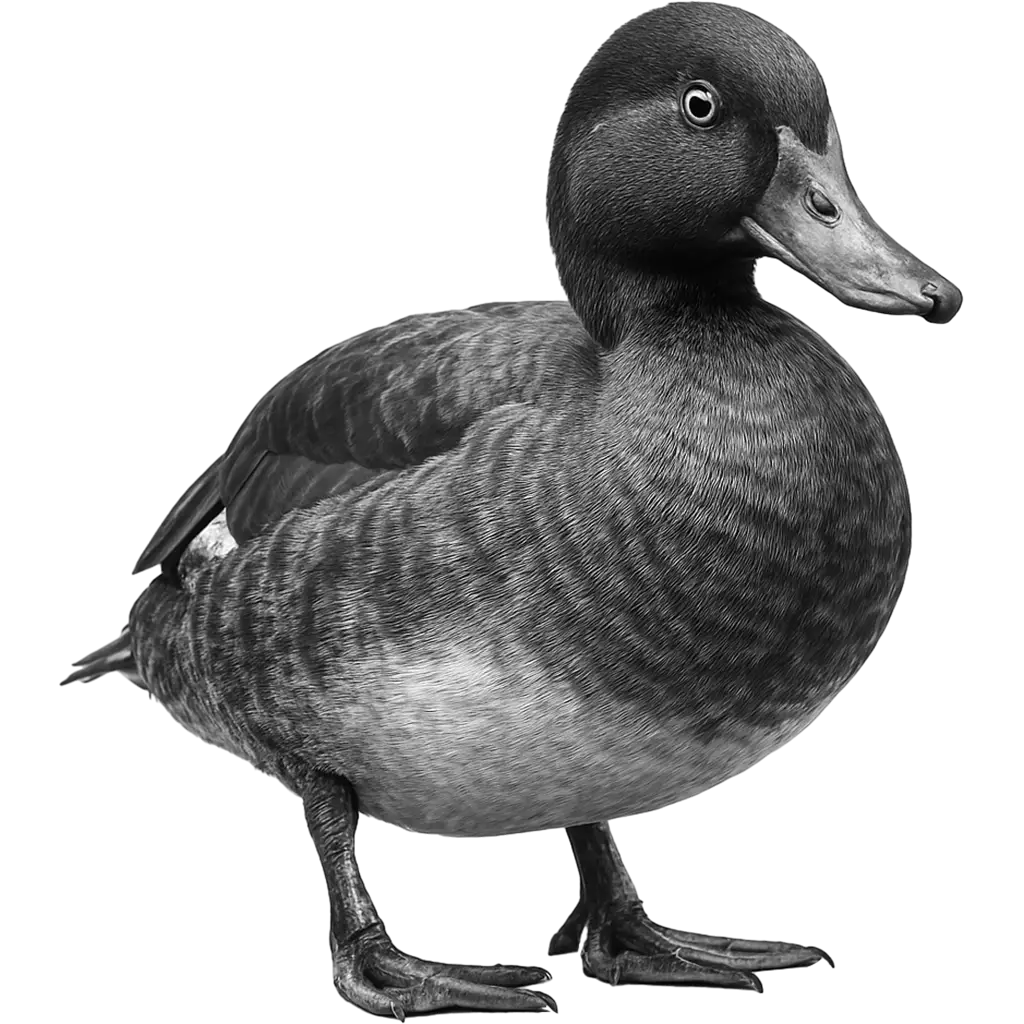
The Hardhead exhibits a sturdy, compact body with a rounded head and broad bill that gives it an unmistakable, robust silhouette. Its dusky plumage, accented by crisp white edges along the wings and body margins, enhances its streamlined appearance. The bird's strong, short wings and muscular build are ideally designed
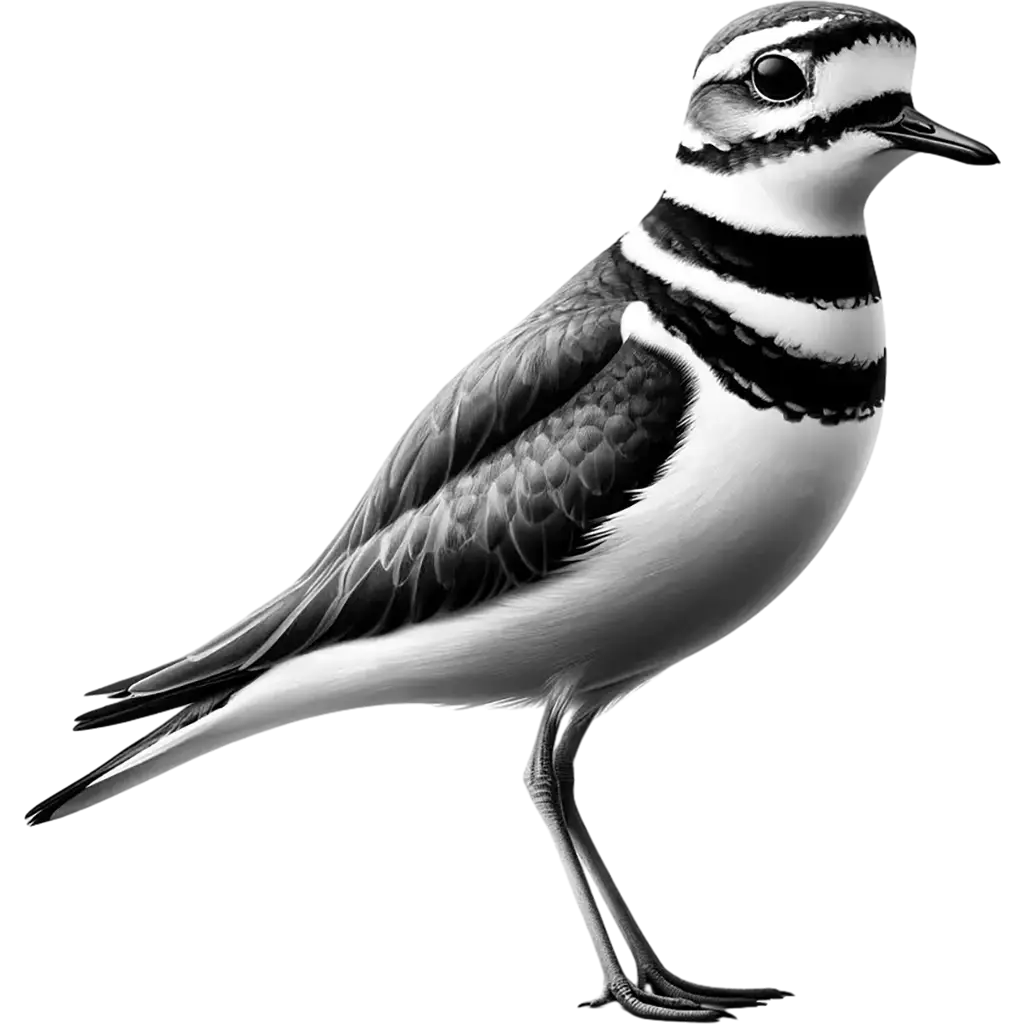
The Killdeer, charadrius vociferus, is a medium-sized plover known for its distinctive 'kill-deer' call from which it gets its name. Measuring approximately 20 to 25 cm in length, with a wingspan of 45 to 50 cm, the Killdeer is easily recognized by its brownish-tan back and white underbelly. A notable
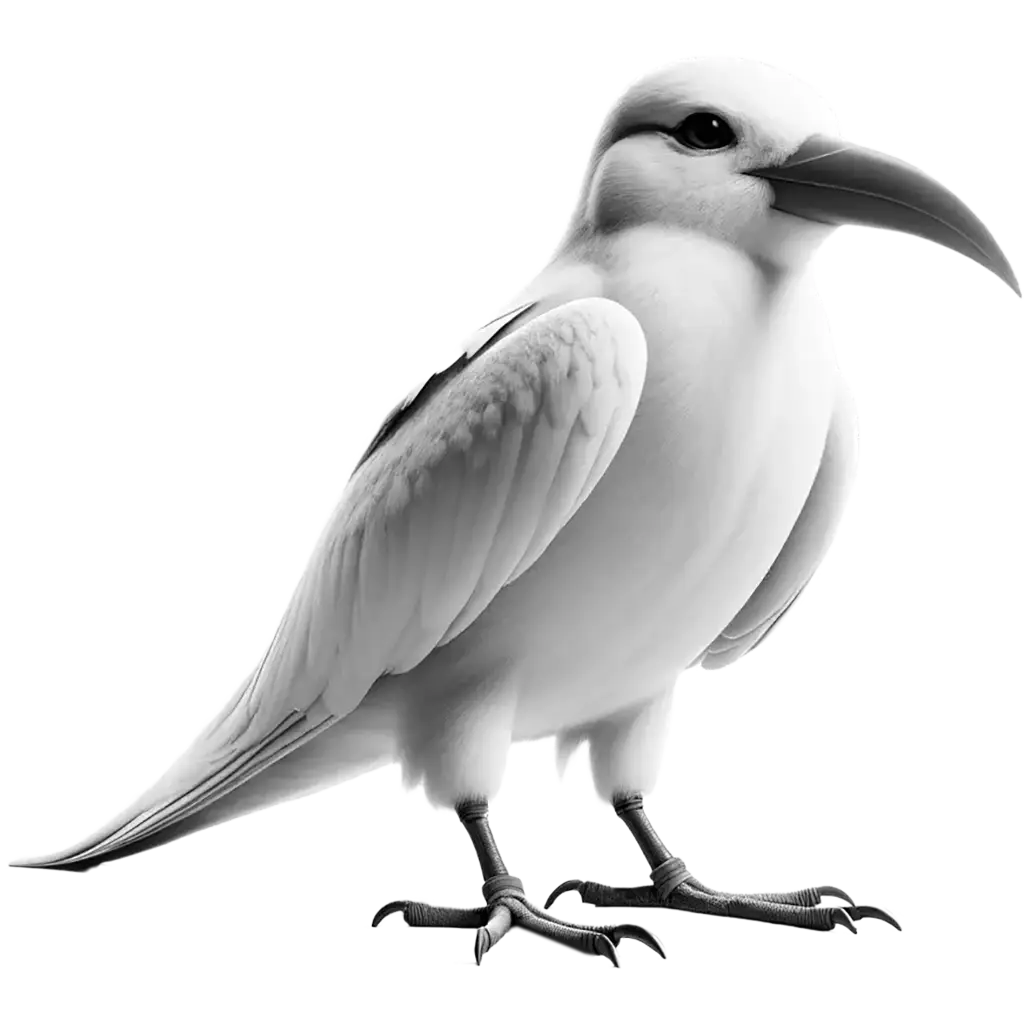
The Red-Billed Tropicbird, phaethon aethereus, is a striking seabird known for its elegant white plumage, slender red bill, and exceptionally long tail feathers, which can be twice the length of its body. Adults typically measure about 48 to 55 cm in length, not including the tail streamers, which can add
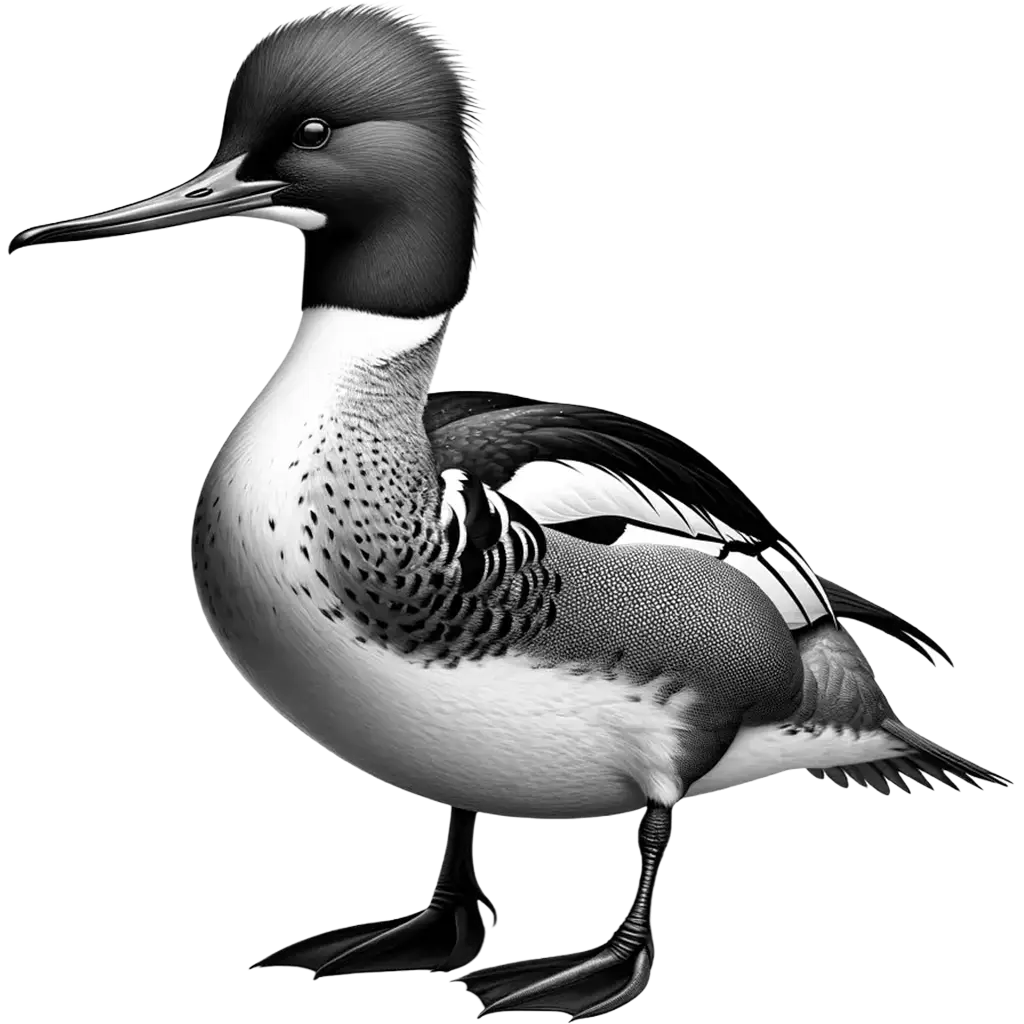
The Red-Breasted Merganser, mergus serrator, is a distinctive sea duck known for its slender, elongated body and striking plumage. Adult males have a dark green head, a white neck with a narrow collar, and a reddish-brown breast, while their back is black and sides are grey. They are particularly noted