
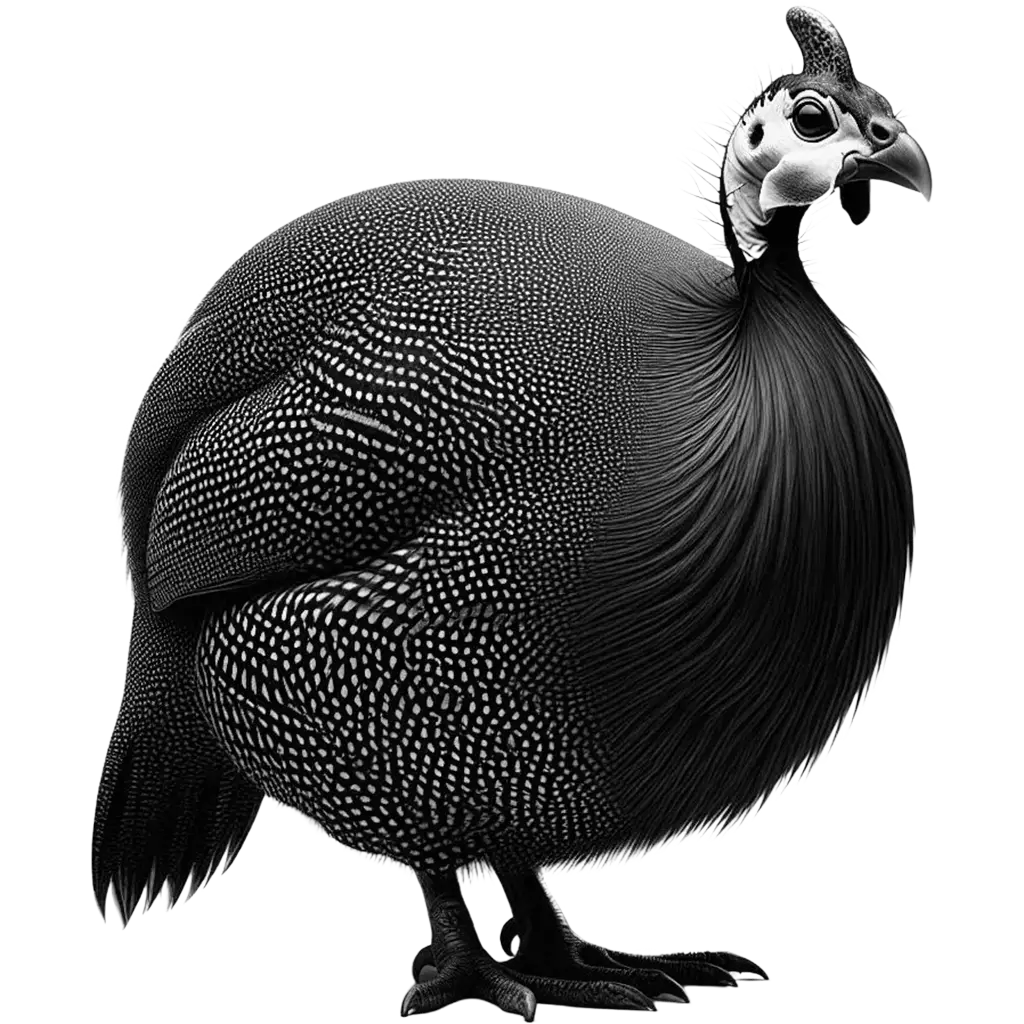
Agelastes Niger
Black Guineafowl
Primary rainforests and dense secondary forests
The Black Guineafowl, agelastes niger, is a rare and elusive bird species found in the dense rainforests of West and Central Africa, particularly in regions stretching from Sierra Leone to Ghana and extending to the Congo Basin. This species is distinguished by its entirely black plumage, which contrasts with its bare red facial skin and white upper breast. Adult Black Guineafowls are medium-sized birds, measuring about 40 to 45 centimeters (15.7 to 17.7 inches) in length and weighing approximately 1.3 kilograms (2.9 pounds).
| Population: | Classified as Vulnerable due to declining population trends |
| Generation Length: | 3-4 years |
| Average Weight: | Approximately 1.1-1.4 kg |
| Average Length: | 40-45 cm |
| Lifespan: | Unknown, but similar species can live up to 10-15 years in the wild |
| Diet: | Varied, including plant material and small animals |
| Conservation Status: | Least Concern (LC) |
Black Guineafowls are ground-dwelling birds that prefer the dense undergrowth of lowland forests, where they forage for food. Their diet primarily consists of seeds, fruits, and small invertebrates, which they scratch and peck from the forest floor. Despite their preference for dense habitats, they are known to venture into forest clearings and edges in search of food.
The social behavior of the Black Guineafowl includes forming small flocks or pairs, especially during the breeding season. They are known for their secretive nature, often detected by their distinctive calls rather than being seen. Their ability to remain hidden in dense vegetation makes them challenging to observe in their natural habitat.
Reproduction in Black Guineafowls is not well-documented, but it is believed that they lay a small clutch of eggs in a shallow nest on the ground, concealed by vegetation. The breeding season is thought to coincide with the rainy season, when food is more abundant.
The Black Guineafowl is classified as Vulnerable by the IUCN Red List, with its populations threatened by habitat destruction due to logging, agriculture, and human settlement expansion. Additionally, they are hunted for food and trade in some areas, further exacerbating their decline. Conservation efforts for the Black Guineafowl focus on habitat preservation, anti-poaching measures, and raising awareness about the species' status. Protecting the remaining rainforest habitats where these birds live is crucial for their survival, as well as for the conservation of the rich biodiversity of the African rainforests.
Classifications
The Key Attributes
Features
- Movement:
Walking, running, and limited flight
- Territorial Behavior:
Social, often found in small groups or flocks
- Speed:
Capable of quick bursts of running and short flights to escape predators
- Diet:
Omnivore
- Physical Features:
- Entirely black plumage
- Bare red and white skin on the face and throat
- Short rounded wings
- Strong legs
- Primary Senses:
- Sight
- Hearing
Understanding Habitat and Range
Geography
- Habitat:
Primary rainforests and dense secondary forests
- Migration Patterns:
Non-migratory
- Geographical Range:
West and Central Africa, specifically in countries like Liberia, Ivory Coast, Ghana, Nigeria, and Cameroon
- Climate Preferences:
Tropical rainforest climates
Navigating the Wilderness
In the wild
- Predators:
Large birds of prey, snakes, and mammals
- Prey:
Seeds, fruits, insects, small invertebrates and vertebrates
- Feeding Behavior:
Forages on the forest floor for seeds, fruits, insects, and small animals
- Diet:
Varied, including plant material and small animals
- Defensive Mechanisms:
- Flocking together to deter predators
- Flight into dense vegetation or trees
- Running to escape danger
- Preferred Food Sources:
- Seeds
- Fruits
- Insects
Insights Into Reproduction
Mating
- Mating System:
Polygynous
- Number of Offspring:
Usually 4-6 eggs
- Incubation Period:
About 23-28 days
- Parental Involvement:
- Females are primarily responsible for incubation and initial care of the chicks
Youngsters Section
Black Guineafowl
Fun Fact
The Black Guineafowl is a shy bird native to the forests of central Africa.
Despite their elusive nature, they play a crucial role in their ecosystem by feeding on insects and seeds, which helps control pest populations and disperse plant species. They are social birds, often seen in small groups, and communicate with a variety of calls.

Download word search puzzles
Word Search Puzzles
Check Out Other Birds
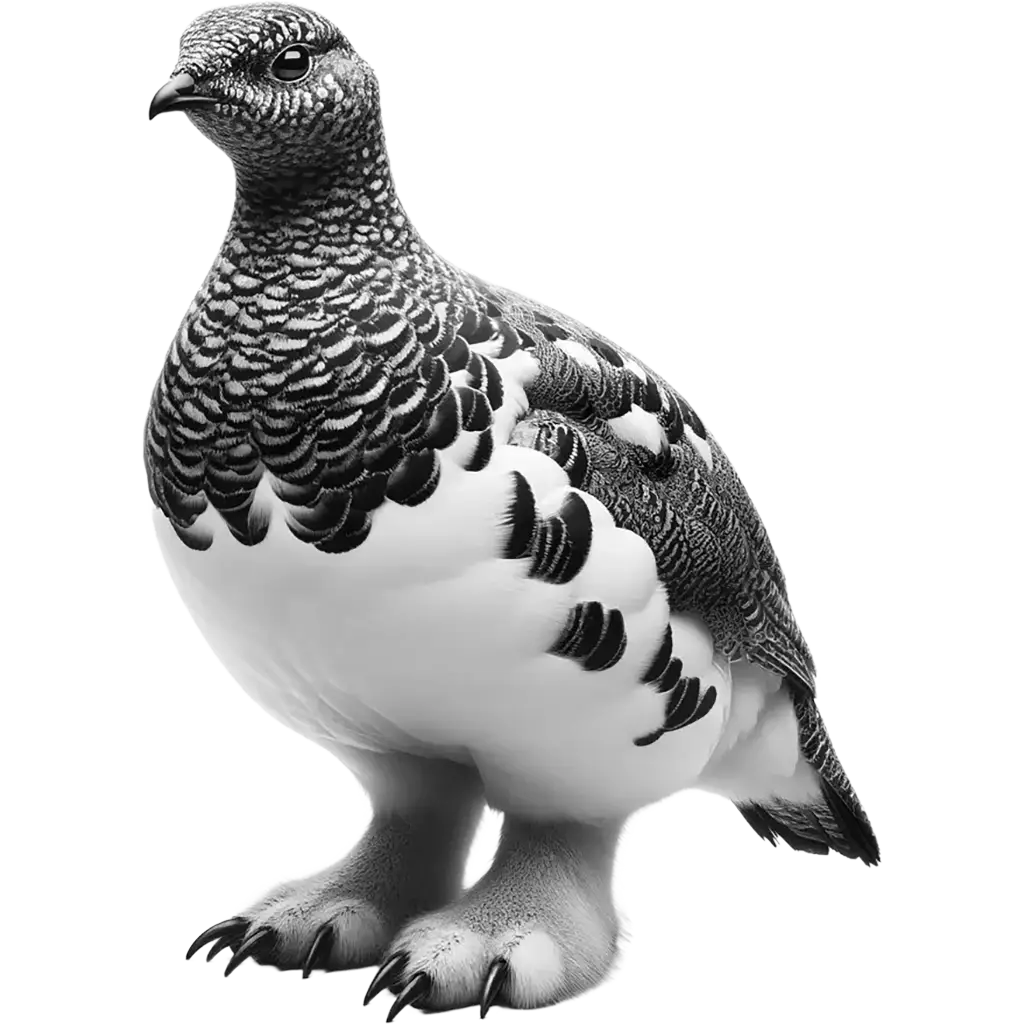
The Rock Ptarmigan, lagopus muta, is a hardy bird adapted to life in the Arctic tundra and alpine regions. Recognizable by its seasonal plumage changes, it sports pure white feathers in winter to blend with the snow, transitioning to brown and grey patterns during the summer for camouflage among rocks
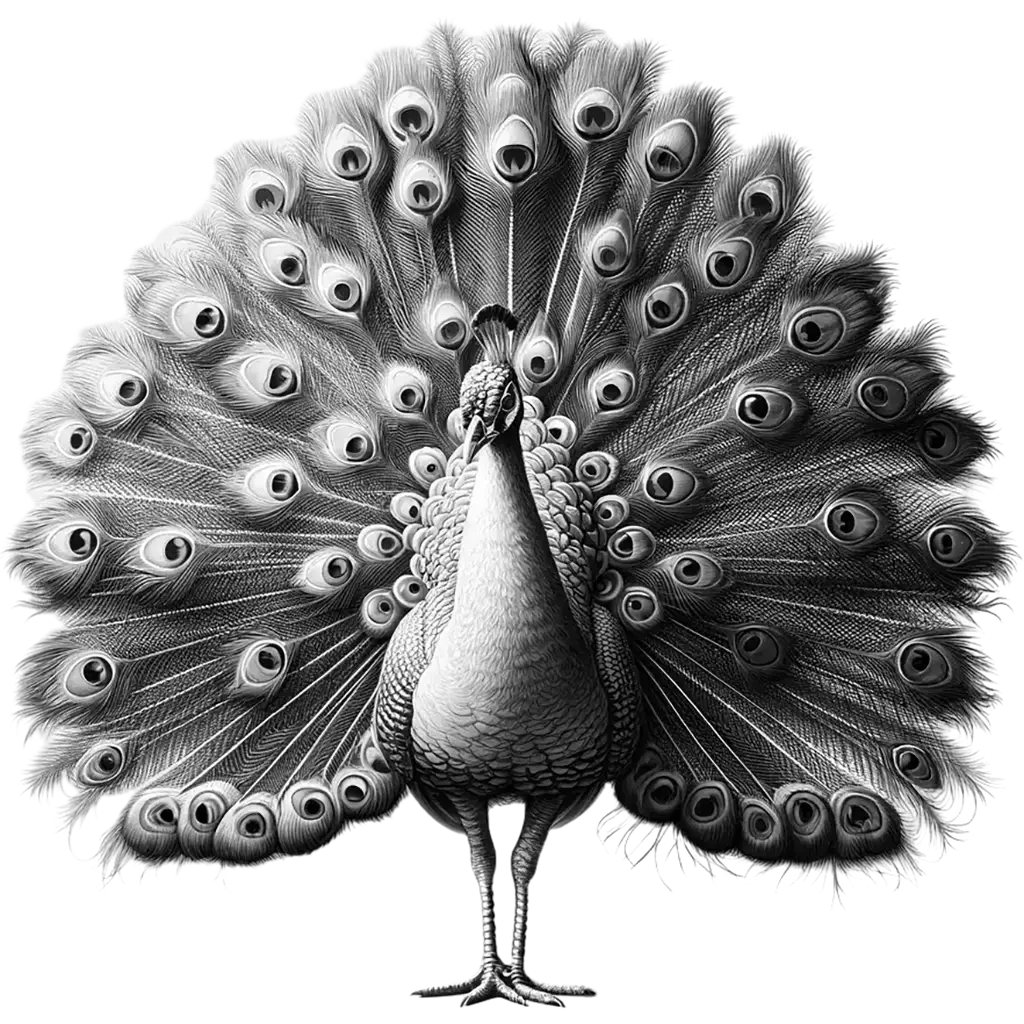
The Indian Peafowl, Pavo cristatus, also known as the Blue Peafowl, is a stunningly beautiful bird native to the Indian subcontinent. Males, known as peacocks, are renowned for their iridescent blue-green plumage and the spectacular fan of elongated upper-tail covert feathers, adorned with eye-like designs, used in courtship displays. Females,
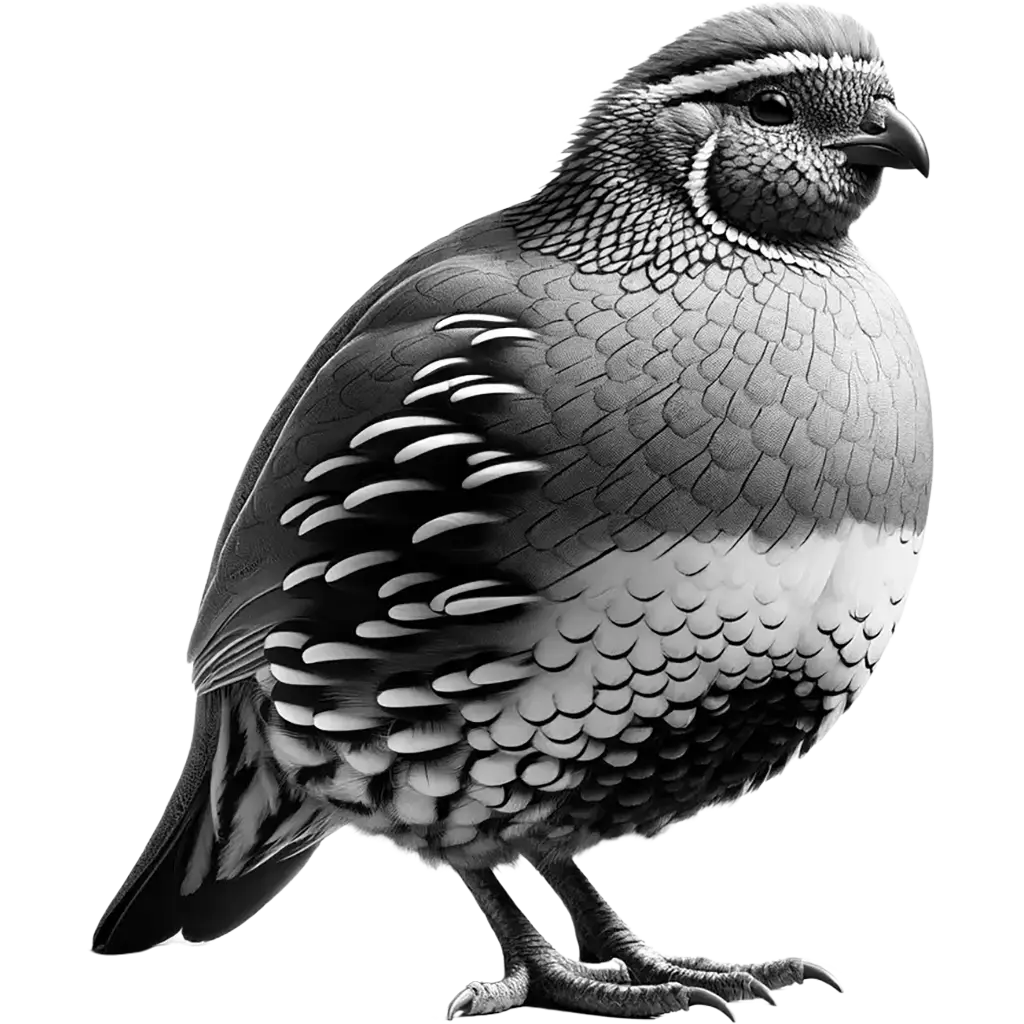
The Scaled Quail, callipepla squamata, also known as the blue quail or cottontop, is a distinctive bird native to the arid and semi-arid regions of the American Southwest and Mexico. Adults are recognized by their blue-grey plumage and the striking, scaled appearance on their breast and back, from which their

The Barred Owl, Strix varia, is a large North American owl known for its distinctive hooting call, which sounds like 'Who cooks for you? Who cooks for you all?' This species has a rounded head with no ear tufts, deep brown eyes, and a mottled brown and white plumage that