
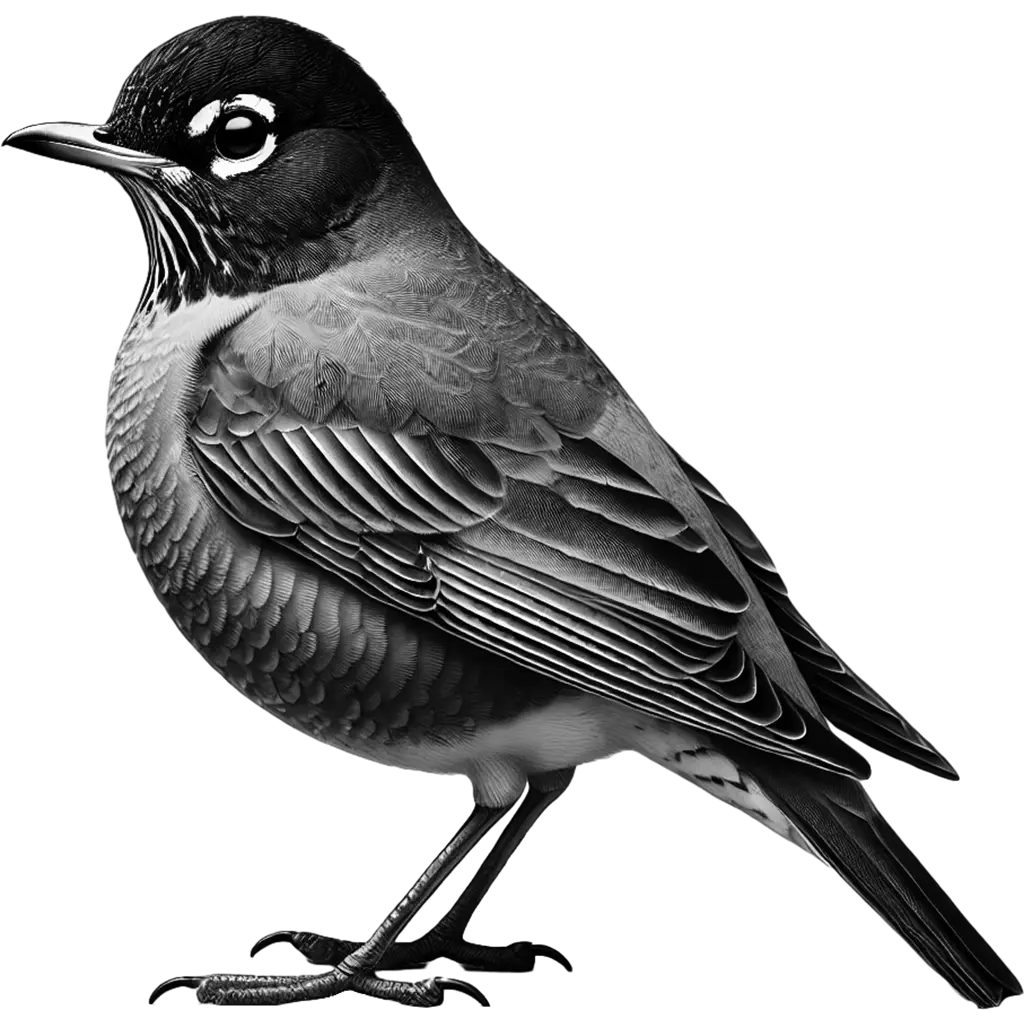
Turdus Migratorius
American Robin
Forests, gardens, grasslands, urban areas
The American Robin is a medium-sized songbird commonly found throughout North America. It is easily recognizable due to its bright orange-red breast, dark gray to black upper body, and striking white eye rings. With a body length of about 23-28 cm and an average weight of 77-85 grams, it is one of the most familiar and widespread birds in the United States and Canada. Its slender yellow beak and long legs help it forage efficiently, whether in grassy fields or urban settings.
| Population: | Estimated 370 million individuals |
| Generation Length: | 3-4 years |
| Average Weight: | 77-85 grams |
| Average Length: | 23-28 cm |
| Lifespan: | 2-6 years in the wild, up to 14 years in captivity |
| Diet: | Varied, shifting between animal-based and plant-based foods seasonally |
| Conservation Status: | Least Concern (LC) |
This species is highly adaptable and can be found in forests, gardens, grasslands, and even cities. American Robins are territorial during the breeding season but form large communal roosts in the fall and winter. They are often seen hopping on lawns, tilting their heads to locate worms underground. While northern populations migrate south for winter, robins in warmer climates tend to stay year-round.
American Robins have an omnivorous diet that shifts seasonally. During the spring and summer, they consume large quantities of insects and earthworms, using their sharp eyesight to detect movement in the soil. In the fall and winter, they switch to a fruit-heavy diet, feeding on berries and small fruits. This diet flexibility allows them to thrive in diverse habitats and climates.
Mating season begins in early spring, with males establishing territories and attracting mates through melodious songs. American Robins are seasonally monogamous, meaning they typically stay with one mate for the duration of the breeding season. Females build nests using mud, grass, and twigs, laying 3-5 pale blue eggs per clutch. Incubation lasts about 12-14 days, and both parents participate in feeding the chicks, which fledge within two weeks of hatching.
The American Robin population remains stable and is one of the most abundant bird species in North America. However, they face threats such as habitat destruction, pesticide exposure, and window collisions in urban areas. Despite these challenges, their adaptability and wide range make them a resilient species. Conservation efforts focus on preserving natural habitats, reducing pesticide use, and raising awareness about window bird strikes.
Classifications
The Key Attributes
Features
- Movement:
Flight
- Territorial Behavior:
Defends breeding territory, social in winter
- Speed:
Flight speed up to 32 km/h
- Diet:
Omnivore
- Physical Features:
- Bright orange-red breast
- Dark gray to black upper body
- White eye rings
- Slender yellow beak
- Primary Senses:
- Sight
- Hearing
Understanding Habitat and Range
Geography
- Habitat:
Forests, gardens, grasslands, urban areas
- Migration Patterns:
Partial migrant; northern populations migrate south for winter
- Geographical Range:
North America, from Canada to Central America
- Climate Preferences:
Temperate and subarctic
Navigating the Wilderness
In the wild
- Predators:
Hawks, snakes, domestic cats
- Prey:
Insects, earthworms, berries
- Feeding Behavior:
Forages on the ground, flips leaves to uncover food
- Diet:
Varied, shifting between animal-based and plant-based foods seasonally
- Defensive Mechanisms:
- Alarm calls to warn of danger
- Aggressive territorial behavior during breeding season
- Mobbing predators
- Preferred Food Sources:
- Earthworms
- Beetles
- Fruits
- Berries
Insights Into Reproduction
Mating
- Mating System:
Monogamous per season
- Number of Offspring:
3-5 eggs per clutch, up to 3 broods per season
- Incubation Period:
12-14 days
- Parental Involvement:
- Females incubate eggs
- Both parents feed the young
Youngsters Section
American Robin
Fun Fact
American Robins are among the first birds to sing at dawn, a behavior known as the "dawn chorus."
They can eat large amounts of fermented berries, sometimes appearing intoxicated. Their distinctive bright blue eggs are one of the most recognizable bird egg colors, often making them easy to spot in nests.

Download word search puzzles
Word Search Puzzles
Check Out Other Birds
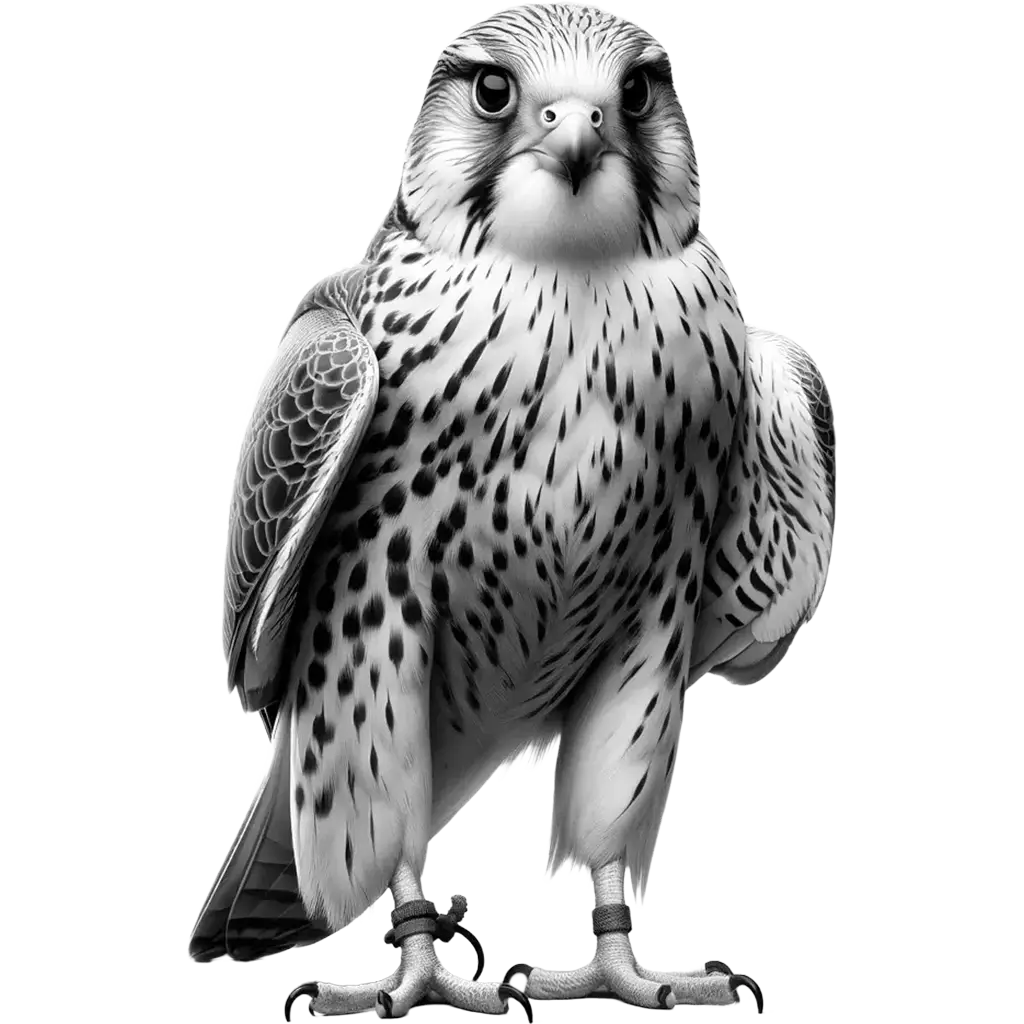
The Saker Falcon, falco cherrug, is a large, powerful bird of prey, renowned for its speed and agility in flight. It is one of the largest falcons, with adults typically measuring 47 to 55 cm in length and boasting a wingspan of 105 to 129 cm. The Saker Falcon's plumage
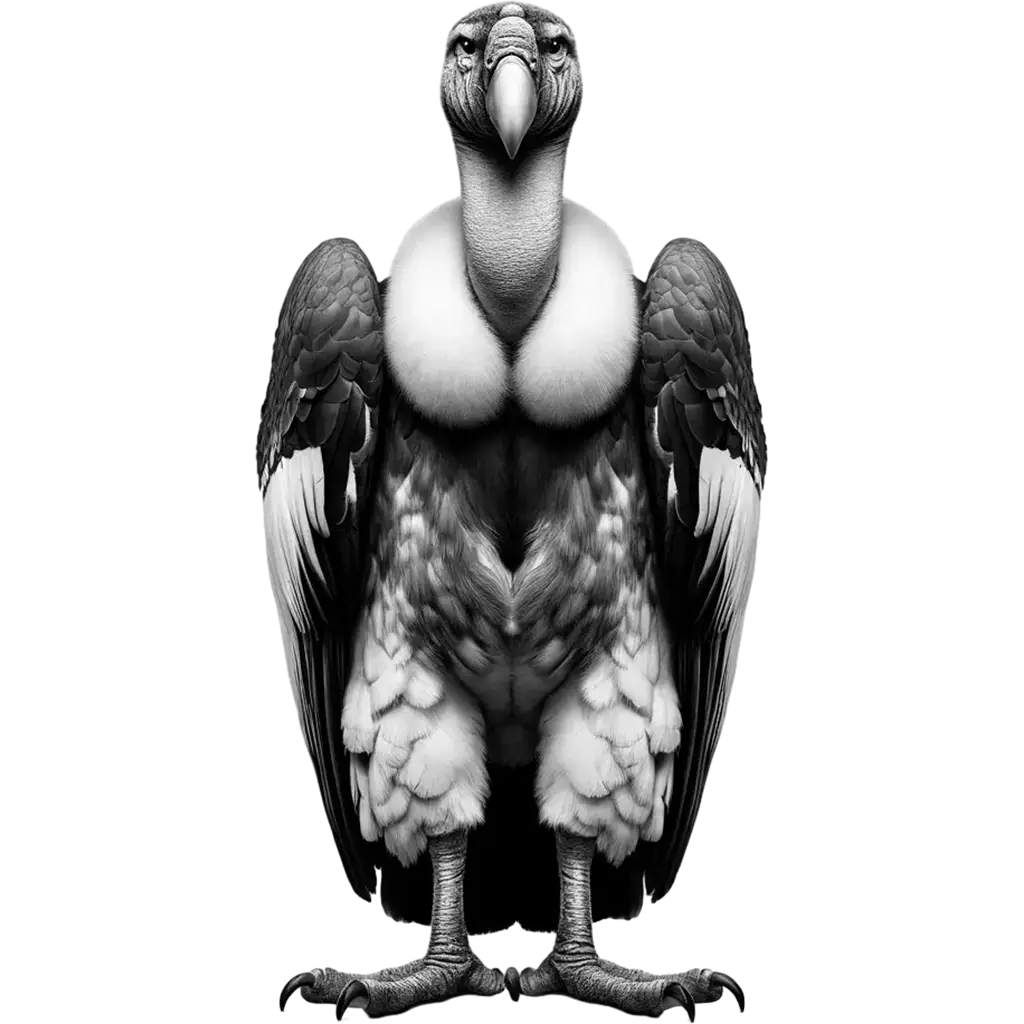
The Andean Condor, vultur gryphus, is a majestic bird of prey that reigns over the skies of South America. It is one of the largest flying birds in the world, with a wingspan that can exceed 3 meters, allowing it to glide effortlessly on thermal air currents. The adult male
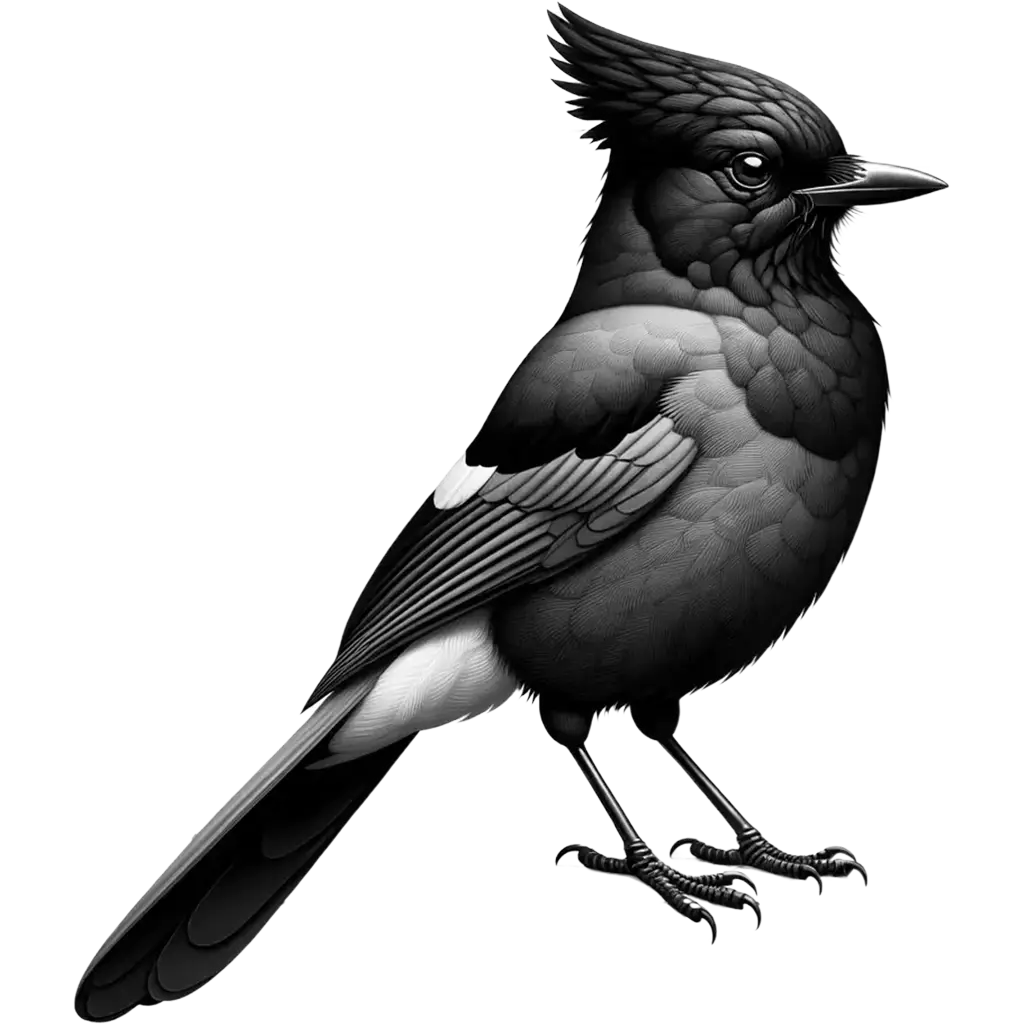
The Steller's Jay, cyanocitta stelleri, is a striking bird known for its vibrant blue plumage and distinctive black crest, which gives it a bold and expressive appearance. Adults typically measure about 30 to 34 cm in length, with a wingspan ranging from 44 to 49 cm. The species exhibits sexual
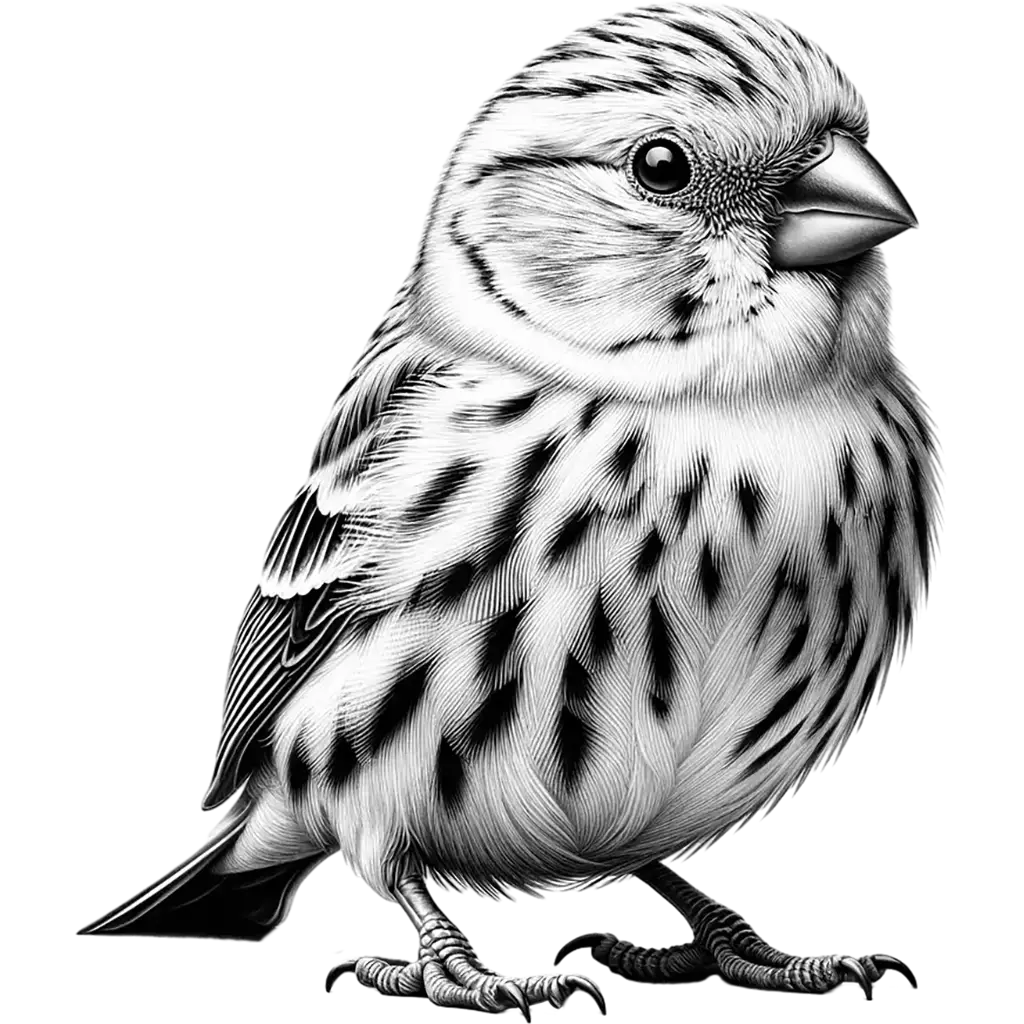
The Domestic Canary, serinus canaria domestica, is a small songbird that originated from the wild Canary Islands' native species, the Atlantic canary. These birds are highly valued for their melodious song and vibrant plumage, which comes in a variety of colors including yellow, orange, white, red, and combinations thereof, due