
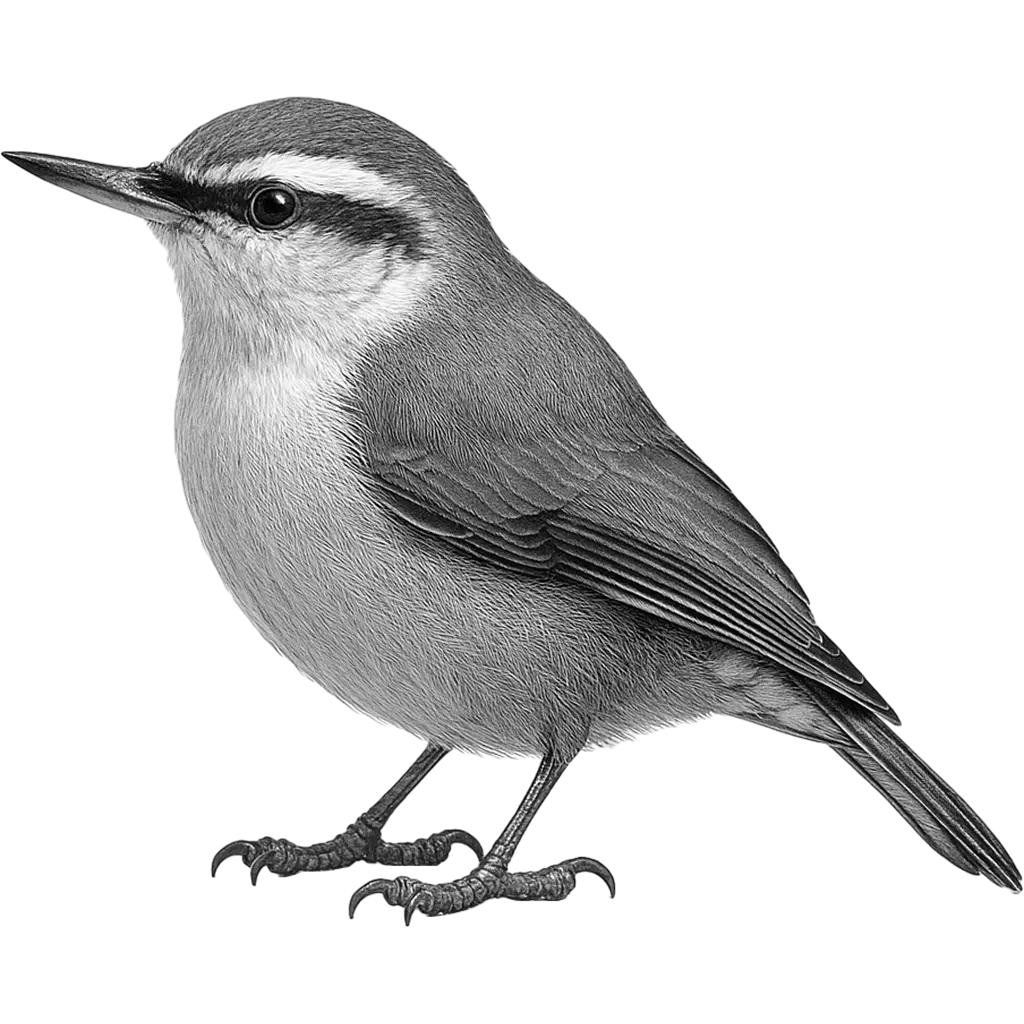
Sitta Insularis
Bahama Nuthatch
Dense pine forests and coastal scrub in the Bahamas, especially on Andros Island.
The Bahama Nuthatch is a small, agile bird with soft, mottled plumage in shades of gray and brown that blends perfectly with the bark of pine trees. Its slender body, short pointed bill, and modest, rounded tail give it a delicate, understated elegance. The subtle markings on its face and wings further enhance its charming appearance and camouflage in its natural habitat.
| Population: | Fewer than 300 mature individuals; declining due to severe habitat loss |
| Generation Length: | 2.2 years |
| Average Weight: | Approximately 10-12 grams |
| Average Length: | Approximately 9-11 cm |
| Lifespan: | Approximately 3-4 years in the wild; up to 5 years in captivity |
| Diet: | Insects and seeds |
| Conservation Status: | Endangered (EN) |
Active during the early morning and late afternoon, the Bahama Nuthatch hops energetically along tree trunks and low branches in the dense pine forests of the Bahamas. It moves quickly through its environment, using soft calls to communicate with nearby individuals while foraging. Social interactions are gentle yet vital, as the birds rely on subtle vocalizations to maintain territories and coordinate foraging in areas with limited food resources. Their constant vigilance helps them avoid predators and navigate the intricacies of fragmented woodland habitats.
Feeding mainly on insects and small seeds, the Bahama Nuthatch uses its sharp bill to extract prey from crevices in the bark and sift through leaf litter. Its diet provides essential proteins and nutrients that support its high-energy, agile lifestyle. The bird's foraging not only sustains its own health but also aids in controlling insect populations and dispersing seeds, thus contributing to the overall health of its ecosystem.
During the breeding season, males engage in brief but intricate courtship displays involving soft vocalizations and gentle movements to attract females. Once paired, the female builds a concealed nest in which she lays 2-3 eggs that hatch within 14-16 days. Both parents then share in the nurturing of the chicks until they are capable of fending for themselves.
Population estimates indicate that the Bahama Nuthatch remains critically low, with fewer than 300 mature individuals surviving in increasingly fragmented habitats. The species is highly vulnerable to continued deforestation and invasive predators, underscoring the urgent need for robust conservation measures and habitat protection initiatives.
Classifications
The Key Attributes
Features
- Movement:
Flits agilely along tree trunks and branches, moving with quick, darting hops.
- Territorial Behavior:
Males are somewhat territorial during breeding, using soft calls to mark small feeding areas.
- Speed:
Moderate, with sudden bursts when evading threats.
- Diet:
Primarily insectivorous and seed-eating.
- Physical Features:
- Small, slender body with soft, mottled plumage in gray and brown
- A short, pointed bill suited for prying insects from crevices
- Subtle facial markings and a short, rounded tail
- Primary Senses:
- Sight
- Hearing
Understanding Habitat and Range
Geography
- Habitat:
Dense pine forests and coastal scrub in the Bahamas, especially on Andros Island.
- Migration Patterns:
Non-migratory; limited local movements based on food availability.
- Geographical Range:
Endemic to the Bahamas.
- Climate Preferences:
Tropical with seasonal dry periods.
Navigating the Wilderness
In the wild
- Predators:
Small raptors and arboreal snakes may prey on juveniles.
- Prey:
Insects and seeds
- Feeding Behavior:
Gleans insects and seeds from bark and foliage.
- Diet:
Insects and seeds
- Defensive Mechanisms:
- Rapid flight and effective camouflage within dense foliage
- Preferred Food Sources:
- Bark-dwelling insects and small seeds
Insights Into Reproduction
Mating
- Mating System:
Generally monogamous during breeding; males use soft calls and subtle displays to attract females.
- Number of Offspring:
Typically 2-3 eggs per clutch.
- Incubation Period:
Eggs hatch after approximately 14-16 days.
- Parental Involvement:
- Both parents build the nest and feed the chicks until fledging.
Youngsters Section
Bahama Nuthatch
Fun Fact
This nuthatch's subtle plumage and gentle calls make it a rare gem among Bahamian birds.
Its survival hinges on the preservation of native pine forests, making each sighting a reminder of nature's delicate balance and the urgent need for conservation.
Download word search puzzles
Word Search Puzzles
Check Out Other Birds
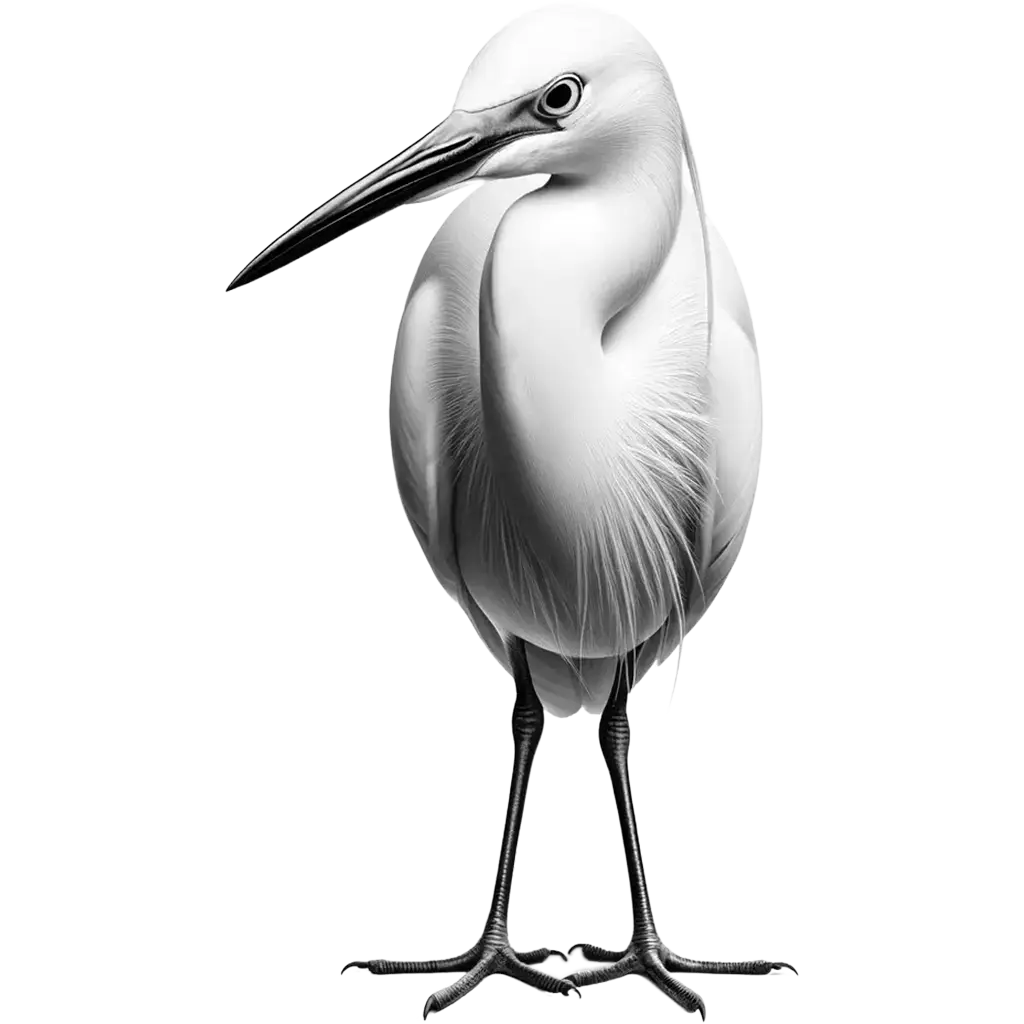
The Little Egret, egretta garzetta, is a small, graceful heron renowned for its brilliant white plumage, slender black bill, and long black legs, with distinctive yellow feet. Measuring approximately 55 to 65 cm in length with a wingspan of 88 to 106 cm, this bird possesses an elegant neck and
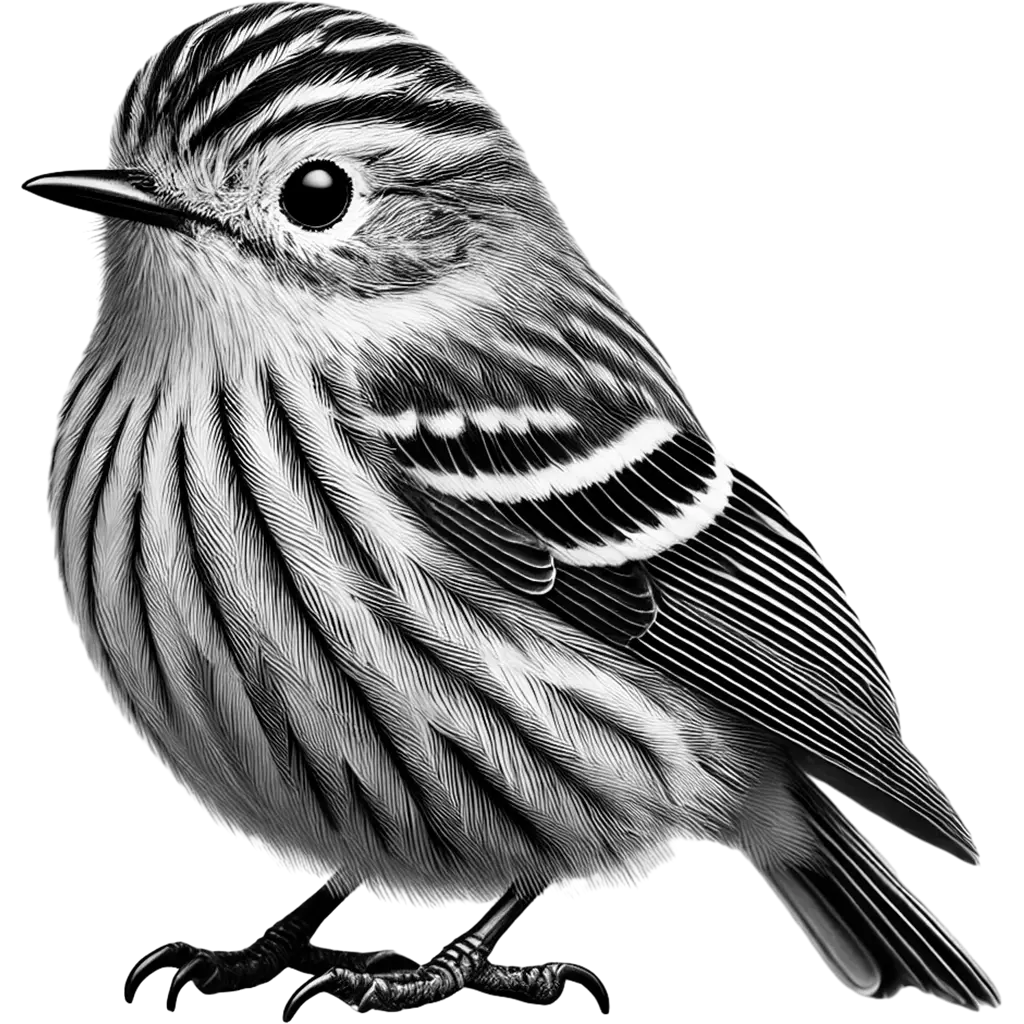
The Striped Flowerpecker is a small, delicate bird boasting a compact body covered in soft, lightly hued plumage. Distinctive narrow stripes run gracefully along its back and wings, accentuating its refined silhouette. A short, conical bill is perfectly adapted for picking tiny fruits, while a long, slender tail provides balance
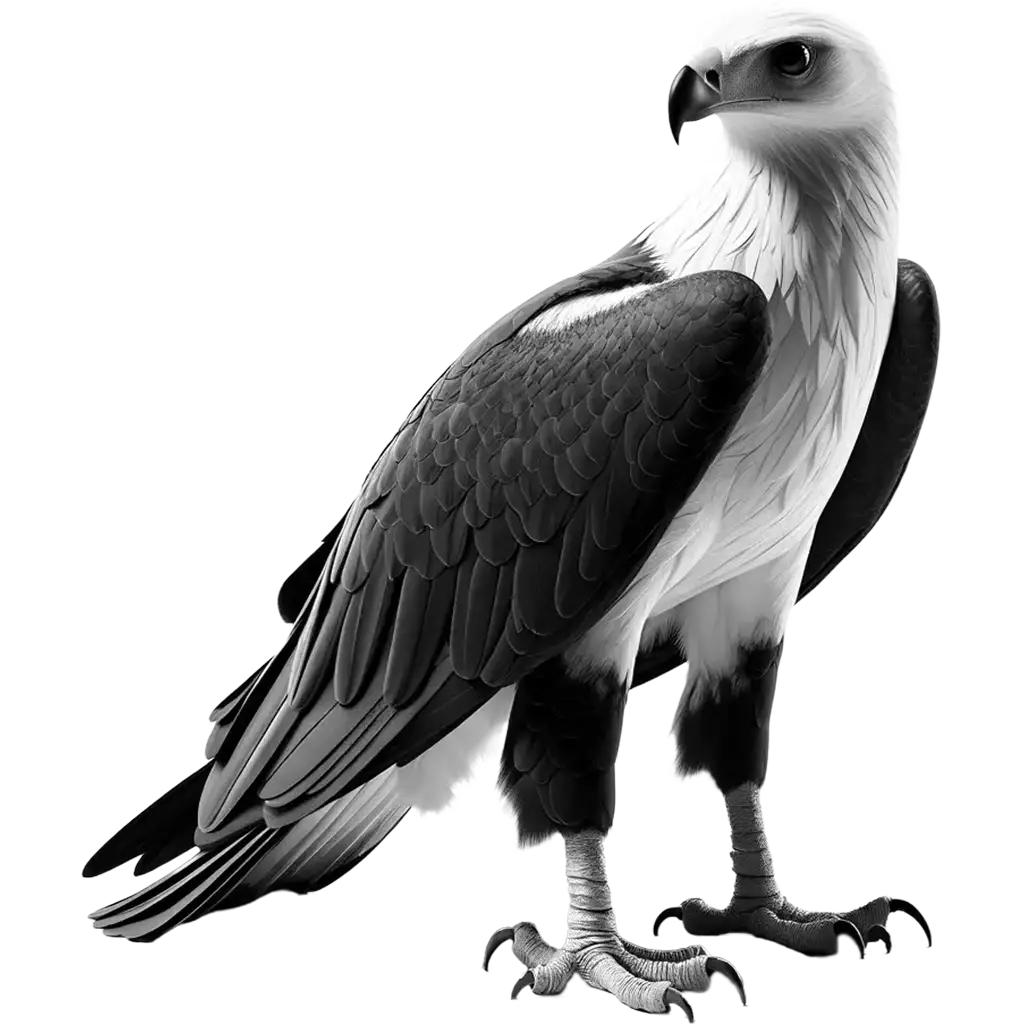
The Wedge-Tailed Eagle, aquila audax, is a powerful bird of prey and one of the largest eagles in the world, recognized by its long, distinctive wedge-shaped tail. Adults can have a wingspan of up to 2.5 meters and weigh between 3 to 6 kg, with females generally larger than males.
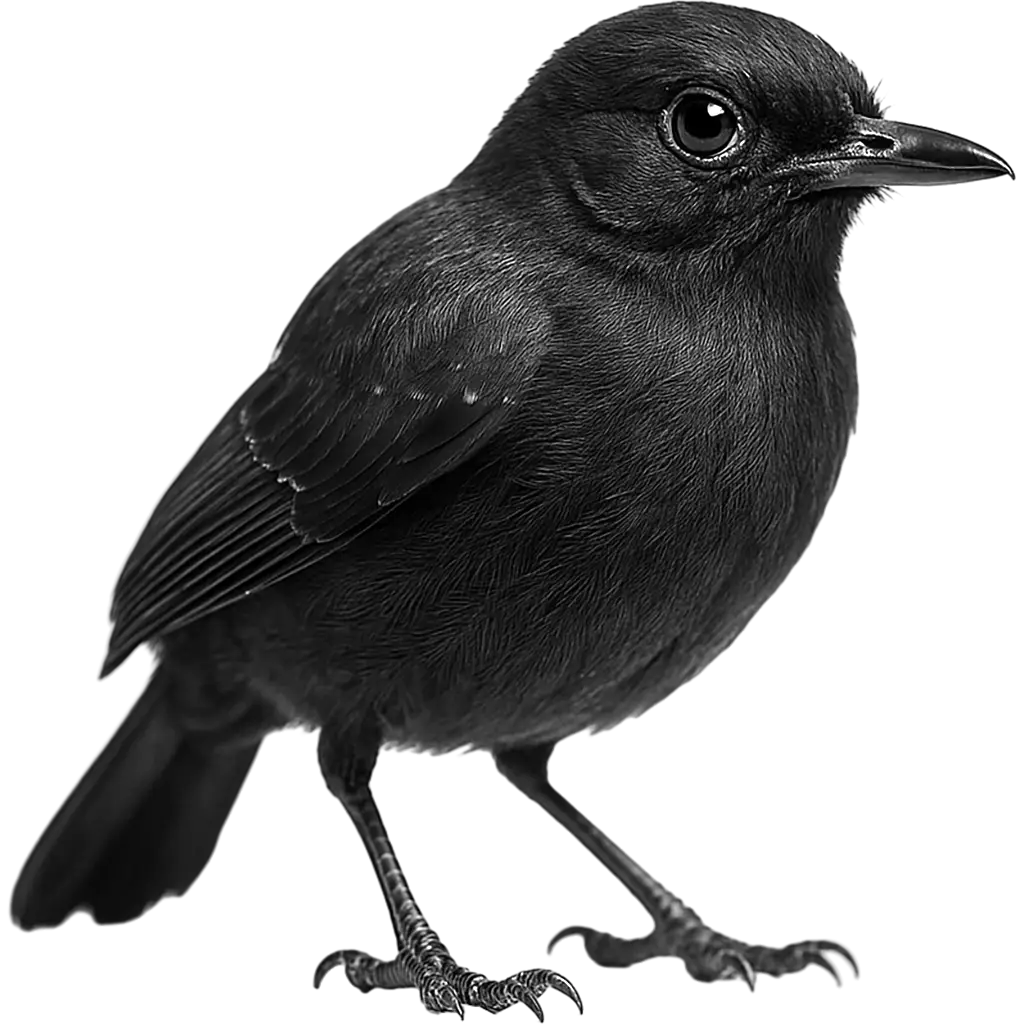
The Dusky Antbird has a modest yet distinctive appearance with muted dark plumage that blends seamlessly into the dappled shadows of the rainforest understory. Its rounded head, small sharp beak, and subtle eye-ring create a gentle expression, while a short tail and compact body enhance its agile silhouette. Soft, earthy