
Callipepla Squamata
Scaled Quail
Arid deserts, grasslands, and scrublands
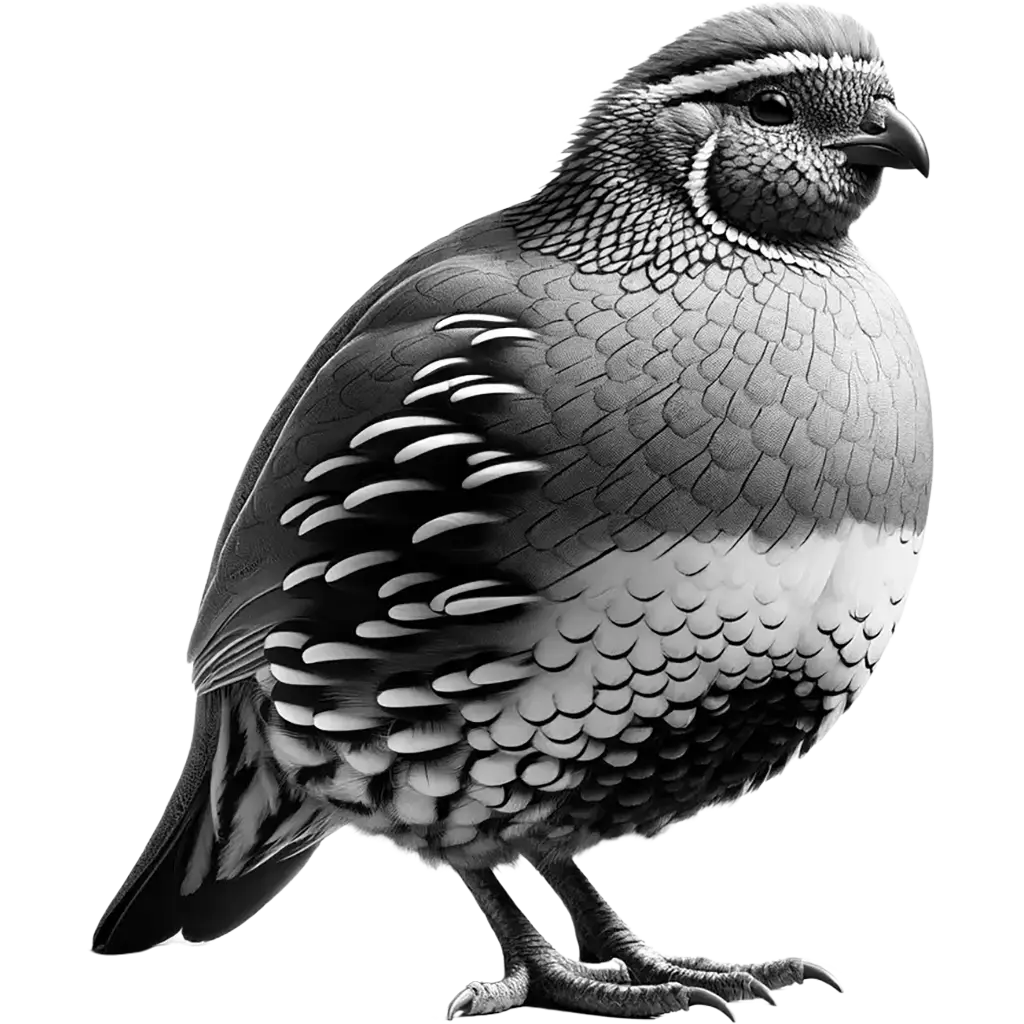
The Scaled Quail, callipepla squamata, also known as the blue quail or cottontop, is a distinctive bird native to the arid and semi-arid regions of the American Southwest and Mexico. Adults are recognized by their blue-grey plumage and the striking, scaled appearance on their breast and back, from which their name derives. A characteristic white crest on the head, resembling a tuft of cotton, adds to their unique profile. The Scaled Quail is a medium-sized bird, typically measuring 25 to 30 cm in length, with a compact and rounded body suited to ground dwelling.
| Population: | Listed as Least Concern, but local populations may be declining due to habitat loss |
| Generation Length: | 2-3 years |
| Average Weight: | 150-200 grams |
| Average Length: | 25-30 cm |
| Lifespan: | 3-5 years in the wild |
| Diet: | Primarily granivorous with a significant portion of the diet made up of seeds and grains |
| Conservation Status: | Least Concern (LC) |
Scaled Quails inhabit open landscapes such as deserts, grasslands, and scrublands, where they can be found foraging in groups, or coveys, particularly in the early morning and late afternoon. These birds are well adapted to their environment, relying on cover from vegetation for protection against predators and extreme weather conditions. Despite being capable of short, rapid flights, Scaled Quails prefer to run and are rarely seen perching above the ground.
The diet of the Scaled Quail primarily consists of seeds, leaves, and occasional insects, making them predominantly granivorous. Their foraging behavior is adapted to their arid habitats, where they can often be seen scratching at the ground in search of food. This diet is supplemented by water from dew and food moisture, although they will drink from water sources when available.
Reproduction in Scaled Quails involves the establishment of territories by males, who then attract females with their calls. Nests are simple scrapes on the ground, hidden under a bush or clump of grass, where the female lays 9 to 14 eggs. Both parents may participate in incubating the eggs, which hatch after about three weeks. The precocial chicks are able to leave the nest soon after hatching, quickly learning to forage alongside their parents.
The population of the Scaled Quail is considered stable, though it faces threats from habitat loss and degradation due to agricultural expansion and overgrazing. Conservation efforts are focused on habitat restoration and management practices that support healthy quail populations, such as controlling grazing and preserving native vegetation. The Scaled Quail's presence is a significant indicator of the health of arid and semi-arid ecosystems in the southwestern United States and Mexico.
Classifications
The Key Attributes
Features
- Movement:
Walking, running, flying
- Territorial Behavior:
Social, forming coveys outside of the breeding season
- Speed:
Fast runner, capable of quick bursts of flight
- Diet:
Omnivore
- Physical Features:
- Grey and white plumage with a scaled pattern
- Crest on the head
- Short, rounded wings
- Strong legs for running
- Primary Senses:
- Sight
- Hearing
Understanding Habitat and Range
Geography
- Habitat:
Arid deserts, grasslands, and scrublands
- Migration Patterns:
Non-migratory, but may move locally in response to weather and food availability
- Geographical Range:
Southwestern United States and Northern Mexico
- Climate Preferences:
Prefers arid and semi-arid climates
Navigating the Wilderness
In the wild
- Predators:
Raptors, snakes, coyotes, and humans
- Prey:
Seeds, grains, insects, and small invertebrates
- Feeding Behavior:
Feeds on seeds, leaves, insects, and occasional small vertebrates
- Diet:
Primarily granivorous with a significant portion of the diet made up of seeds and grains
- Defensive Mechanisms:
- Running to evade predators
- Flying to escape immediate danger
- Camouflage within the habitat
- Preferred Food Sources:
- Areas with abundant seed-producing plants and insects
Insights Into Reproduction
Mating
- Mating System:
Monogamous
- Number of Offspring:
10-16 eggs
- Incubation Period:
21-23 days
- Parental Involvement:
- Both parents involved in raising the young, though the female primarily incubates the eggs
Youngsters Section
Scaled Quail
Fun Fact
Scaled quail have a distinctive scaly appearance due to their feather pattern, resembling fish scales.
These birds are native to the arid regions of the Southwestern United States and Mexico. They prefer habitats like open grasslands and desert scrub. Scaled quail are ground-dwellers, relying on their running speed to escape predators. They are social creatures, often seen in groups called coveys.

Download word search puzzles
Word Search Puzzles
Check Out Other Birds
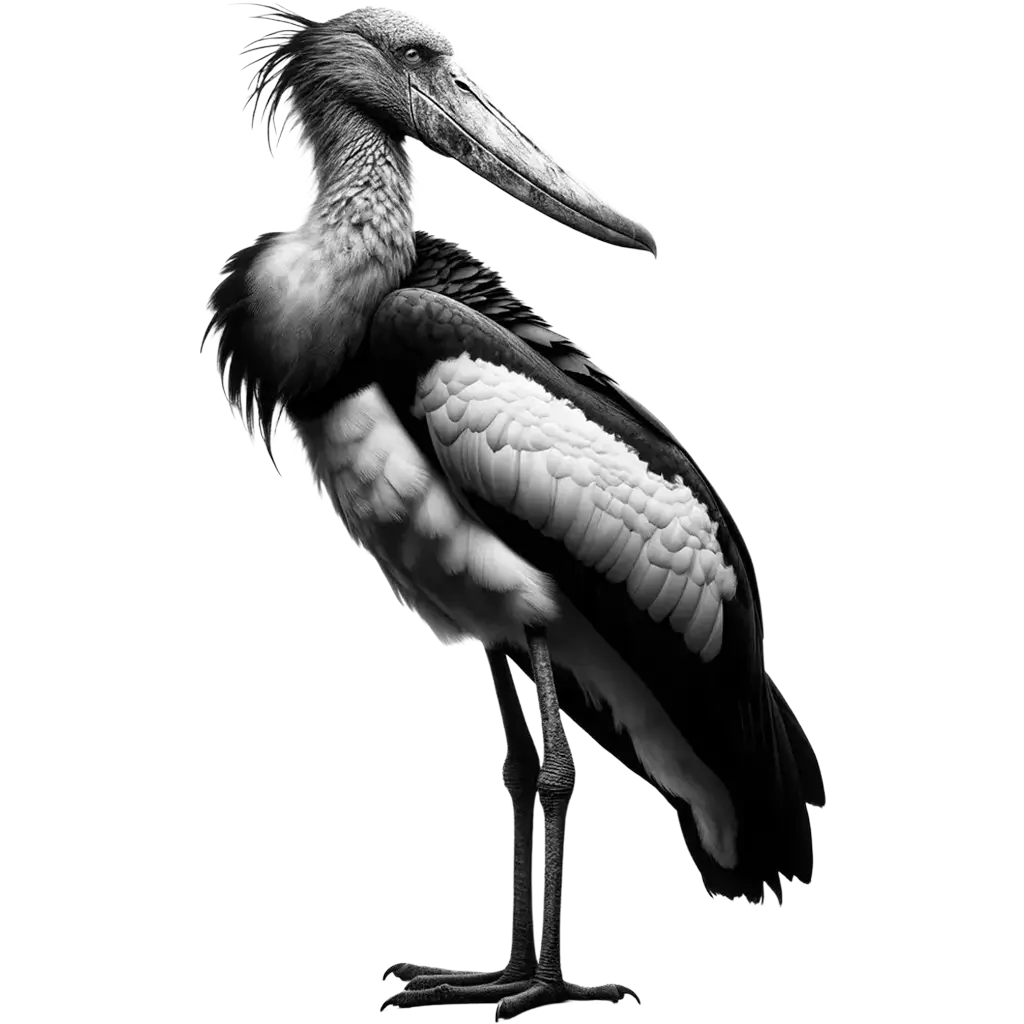
The Greater Adjutant, leptoptilos dubius, is a large stork standing at an impressive height of up to 1.5 meters with a wingspan reaching 2.5 meters. Its appearance is distinctive with a bald head and neck, a heavy bill, and a predominantly dark grey plumage, except for the white underparts. The
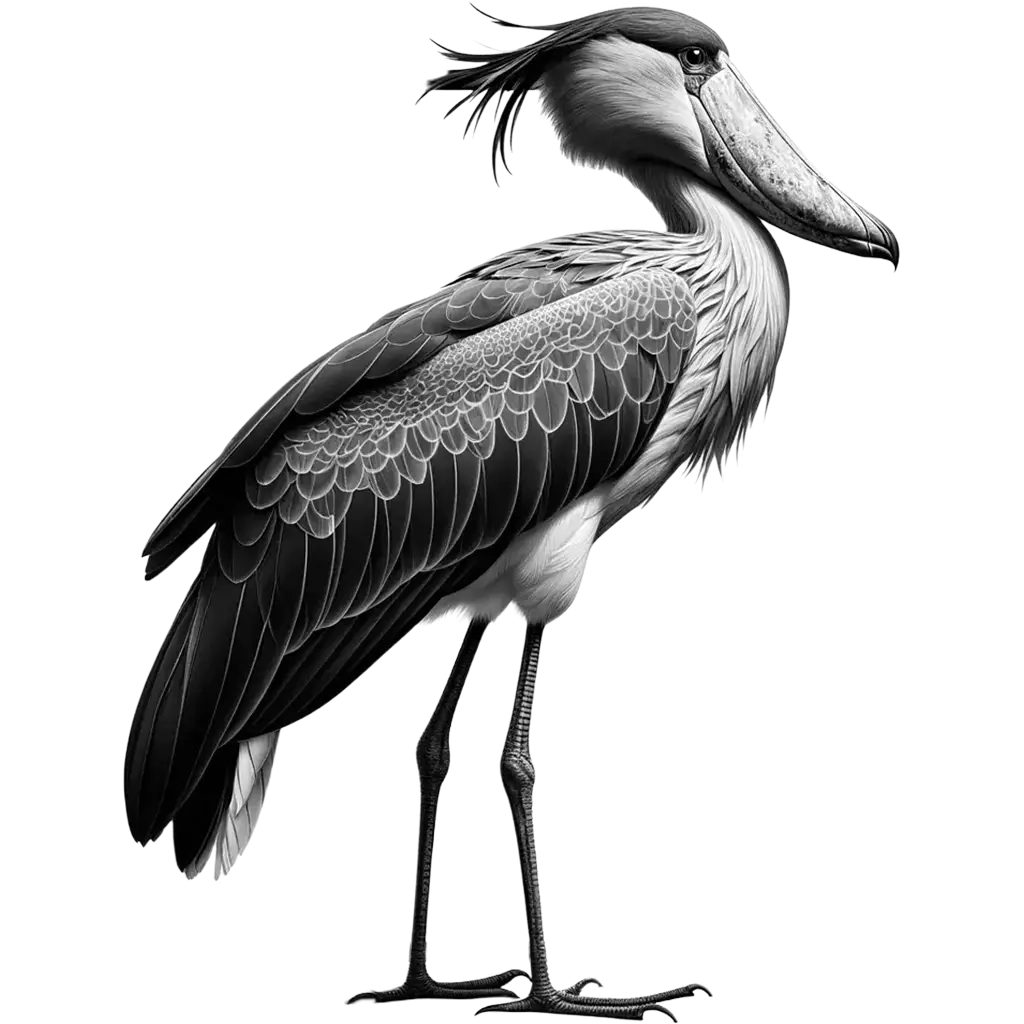
The Shoebill, balaeniceps rex, is a large, prehistoric-looking bird native to the freshwater swamps of central tropical Africa. Known for its massive, shoe-shaped bill, which can grow up to 24 cm in length, the Shoebill stands approximately 110 to 140 cm tall and exhibits a wingspan of about 230 to
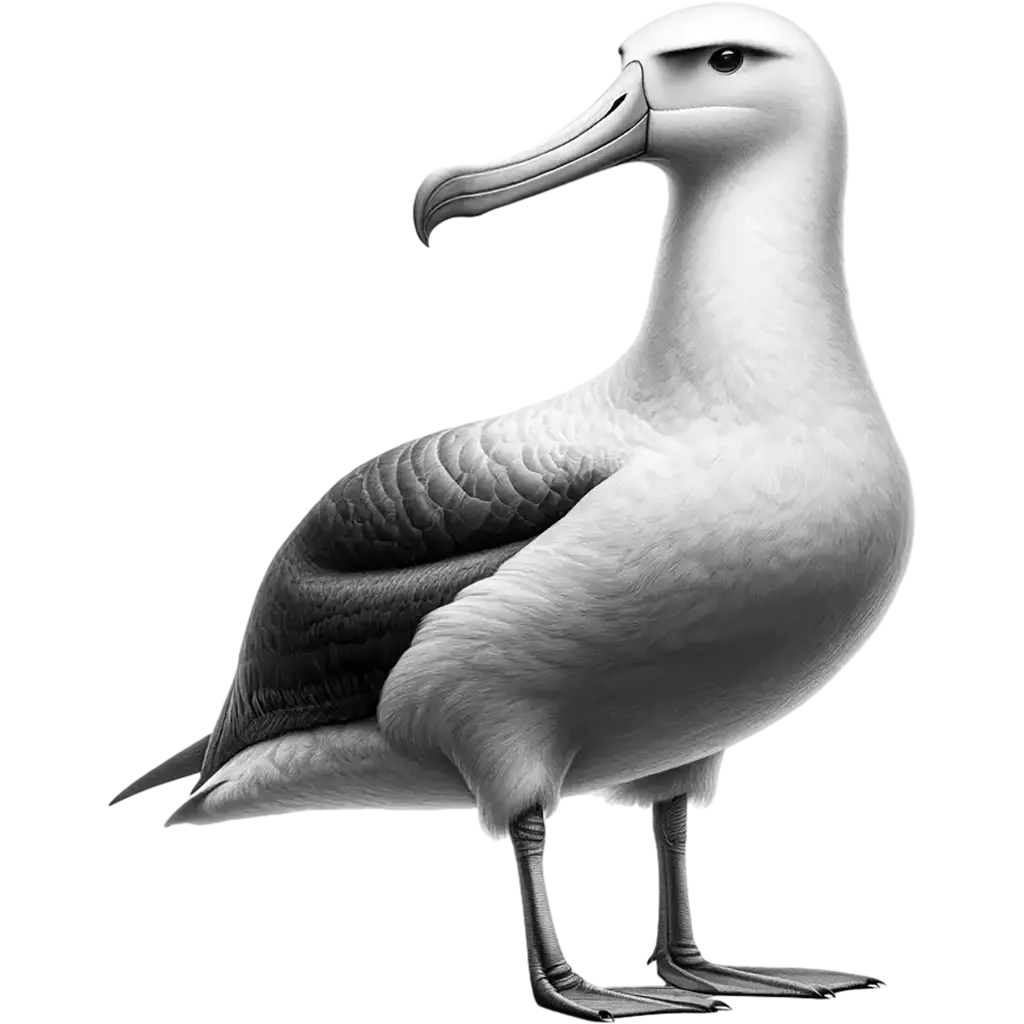
The Snowy Albatross, Diomedea exulans, is a marvel of the avian world, holding the record for the longest wingspan of any living bird, typically ranging from 2.5 to 3.5 meters. Adults are predominantly white, with black-tipped wings and a pale pink bill. They are highly adapted to life at sea,

The Emperor Penguin, Aptenodytes forsteri, is the largest and perhaps the most iconic of all penguin species, standing up to 122 centimeters (48 inches) tall and weighing between 22 to 45 kilograms (49 to 99 pounds). This majestic bird is easily recognizable by its striking black and white plumage, bright