

Aquila Nipalensis
Steppe Eagle
Open steppes, semi-desert areas, and plains
The Steppe Eagle, aquila nipalensis, is a large bird of prey known for its impressive wingspan and commanding presence in the sky. Adults typically measure between 62 to 81 cm in length, with a wingspan ranging from 165 to 215 cm. Their plumage is mostly dark brown, with lighter golden-brown feathers on the nape and crown, giving them a distinguished appearance. The Steppe Eagle's powerful build, sharp talons, and keen eyesight are characteristic of a top predator, enabling it to spot and capture prey over vast distances.
| Population: | Listed as Endangered due to rapid population declines |
| Generation Length: | 5-7 years |
| Average Weight: | 2.5-4.9 kg |
| Average Length: | 62-81 cm |
| Lifespan: | 15-20 years in the wild |
| Diet: | Primarily carnivorous, with a diet consisting mostly of small to medium-sized mammals and birds |
| Conservation Status: | Endangered (EN) |
Native to the steppe regions of Central Asia, the Steppe Eagle migrates southward to Africa and India for the winter, covering thousands of kilometers in its seasonal movements. It prefers open landscapes, such as grasslands, semi-deserts, and savannahs, where it can easily soar in search of food. These habitats provide the wide, open spaces that the Steppe Eagle needs for hunting and nesting.
The diet of the Steppe Eagle primarily consists of small mammals, such as rodents and rabbits, as well as birds and carrion. They are skilled hunters, often scanning the ground from a high perch or while soaring in the air before swooping down to capture their prey with precision. This eagle plays a critical role in controlling rodent populations, benefiting agricultural areas and natural ecosystems alike.
Reproduction for the Steppe Eagle typically begins with the return to their breeding grounds in the spring. They build large nests, known as eyries, on cliffs or in tall trees, where the female lays 1 to 3 eggs. Both parents share in the incubation duties and in rearing the young, demonstrating strong parental investment in the success of their offspring.
The population of the Steppe Eagle is considered vulnerable, with declines noted in several parts of its range due to habitat loss, poisoning from agricultural pesticides, and collisions with power lines. Conservation efforts are focused on habitat protection, reducing pesticide use, and mitigating threats from infrastructure development to ensure the survival of this majestic bird of prey. The Steppe Eagle's migration patterns and ecological role highlight the importance of international cooperation in bird conservation efforts.
Classifications
The Key Attributes
Features
- Movement:
Flying, perching
- Territorial Behavior:
Solitary or in pairs during breeding season
- Speed:
Highly skilled flyer, capable of soaring and gliding for long periods
- Diet:
Carnivore
- Physical Features:
- Large size with broad wings and a strong body
- Dark brown plumage with lighter head and neck
- Powerful talons and beak for hunting
- Keen eyesight for spotting prey from a distance
- Primary Senses:
- Sight
- Hearing
Understanding Habitat and Range
Geography
- Habitat:
Open steppes, semi-desert areas, and plains
- Migration Patterns:
Long-distance migrant, traveling from breeding grounds in central Asia to wintering areas in Africa and India
- Geographical Range:
Breeds in Russia, central Asia, and Mongolia; winters in the Middle East, Africa, and the Indian subcontinent
- Climate Preferences:
Prefers open, arid, and semi-arid regions
Navigating the Wilderness
In the wild
- Predators:
Few natural enemies due to its size, but eggs and chicks are vulnerable to other birds of prey and mammals
- Prey:
Rodents, small mammals, birds, and carrion
- Feeding Behavior:
Hunts live prey, mainly small mammals and birds, also scavenges
- Diet:
Primarily carnivorous, with a diet consisting mostly of small to medium-sized mammals and birds
- Defensive Mechanisms:
- Powerful flight to escape threats
- Aggressive defense of nesting sites
- Use of height and surprise in hunting tactics
- Preferred Food Sources:
- Open landscapes with abundant prey availability
Insights Into Reproduction
Mating
- Mating System:
Monogamous
- Number of Offspring:
1-3 eggs
- Incubation Period:
About 45 days
- Parental Involvement:
- Both parents involved in nest building, incubation, and feeding the chicks
Youngsters Section
Steppe Eagle
Fun Fact
Steppe Eagles are migratory birds that travel thousands of miles between breeding and wintering grounds.
They inhabit open landscapes like grasslands and steppes. Their diet mainly consists of small mammals and birds. These raptors have a wingspan of up to 7 feet, enabling them to soar gracefully and spot prey from great heights. Conservation efforts are crucial due to habitat loss.

Download word search puzzles
Word Search Puzzles


Check Out Other Birds

The African Sacred Ibis, threskiornis aethiopicus, is a striking wading bird native to sub-Saharan Africa and parts of Iraq. It is notable for its predominantly white plumage, contrasting black head and neck, and an impressive wingspan that features black flight feathers. Adults typically measure about 68 to 89 cm in
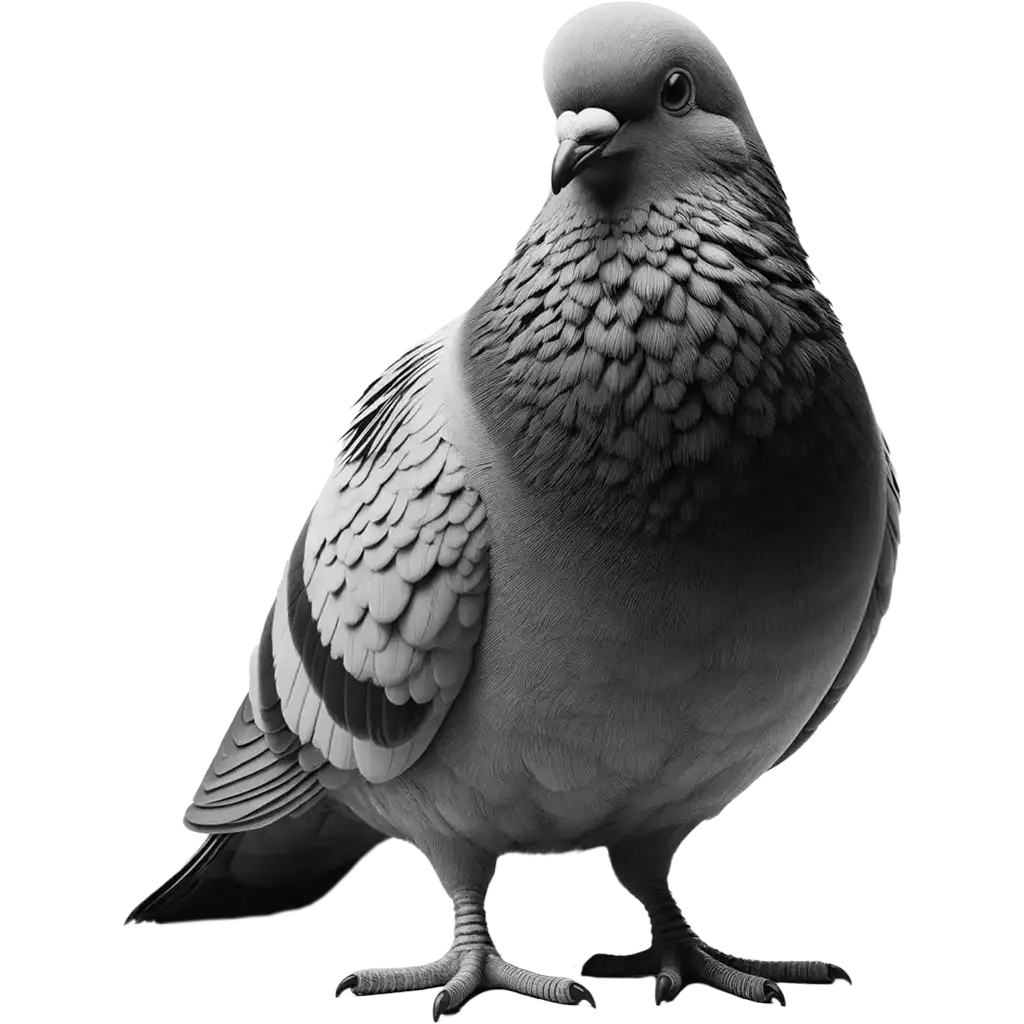
The Rock Dove, columba livia, commonly known as the pigeon, is a widespread bird recognized by its stout body, short legs, and smooth plumage. Adult Rock Doves typically measure 29 to 37 cm in length and have a wingspan of 62 to 72 cm. Their coloration varies widely due to

The European Storm Petrel, hydrobates pelagicus, is the smallest seabird in the European waters, distinguished by its fluttering flight pattern and the habit of pattering on the water's surface. Adults typically measure 15 to 16 cm in length, with a wingspan of 36 to 39 cm, and weigh around 25
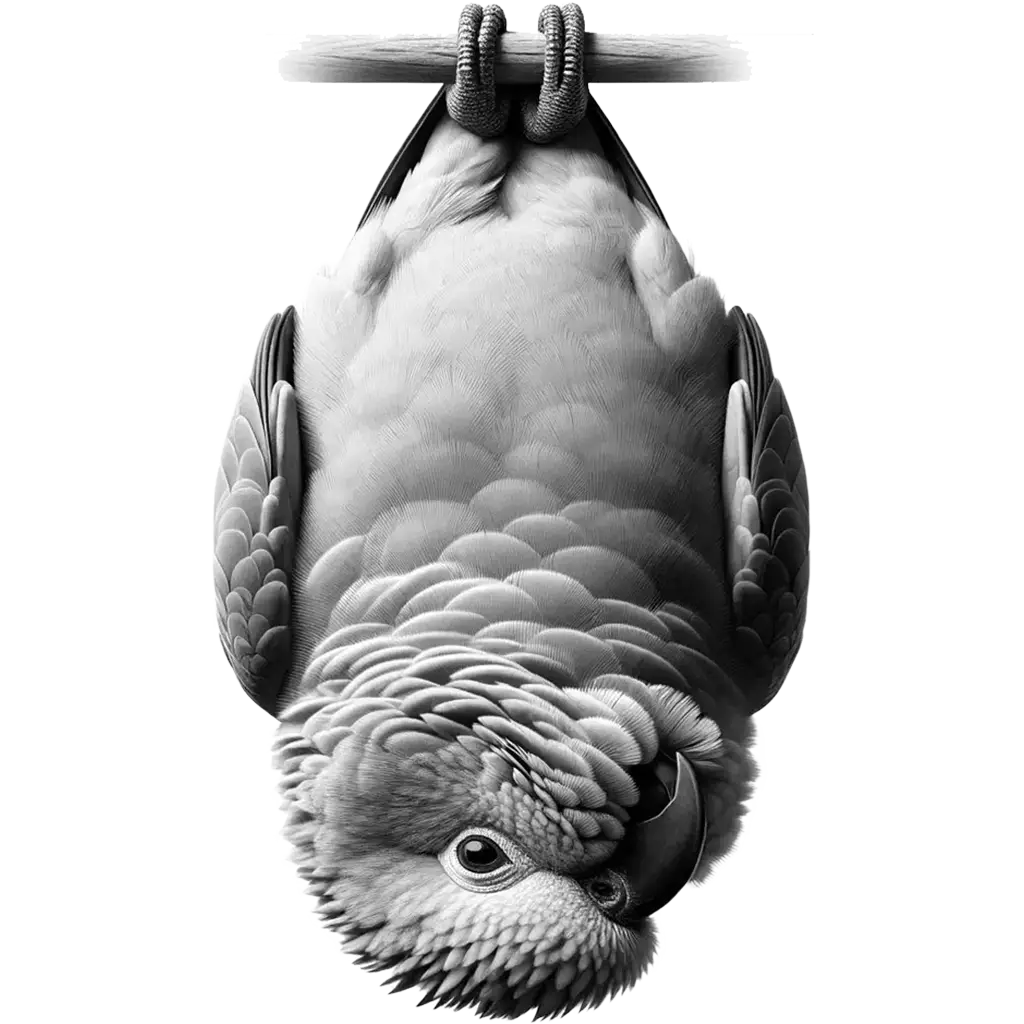
The Great Hanging Parrot, loriculus stigmatus, is a small, vibrant bird endemic to the islands of Sulawesi, Togian, Sula, and Banggai in Indonesia. This species is part of the Psittaculidae family, known for their ability to hang upside down while feeding or resting, a unique behavior from which their name