

Diomedea Exulans
Snowy Albatross
Open ocean, coming to land only to breed
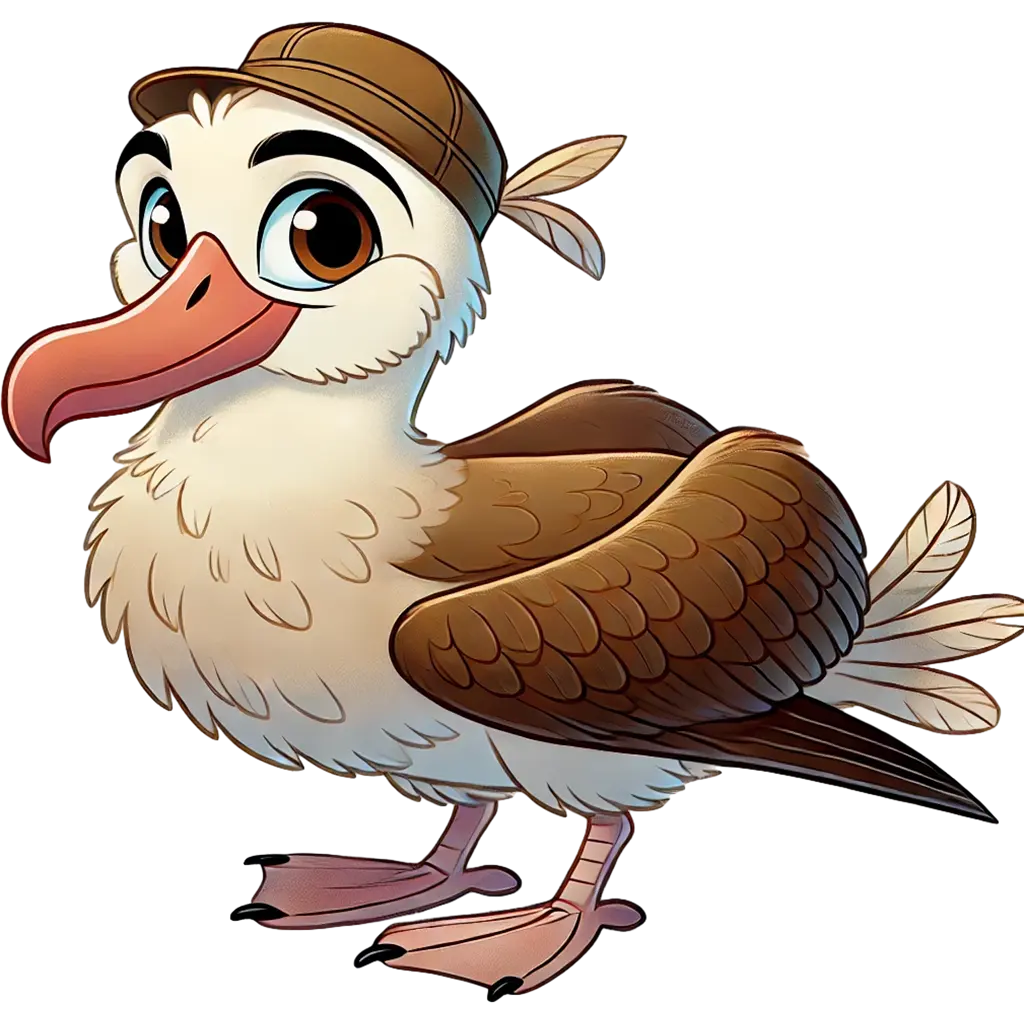
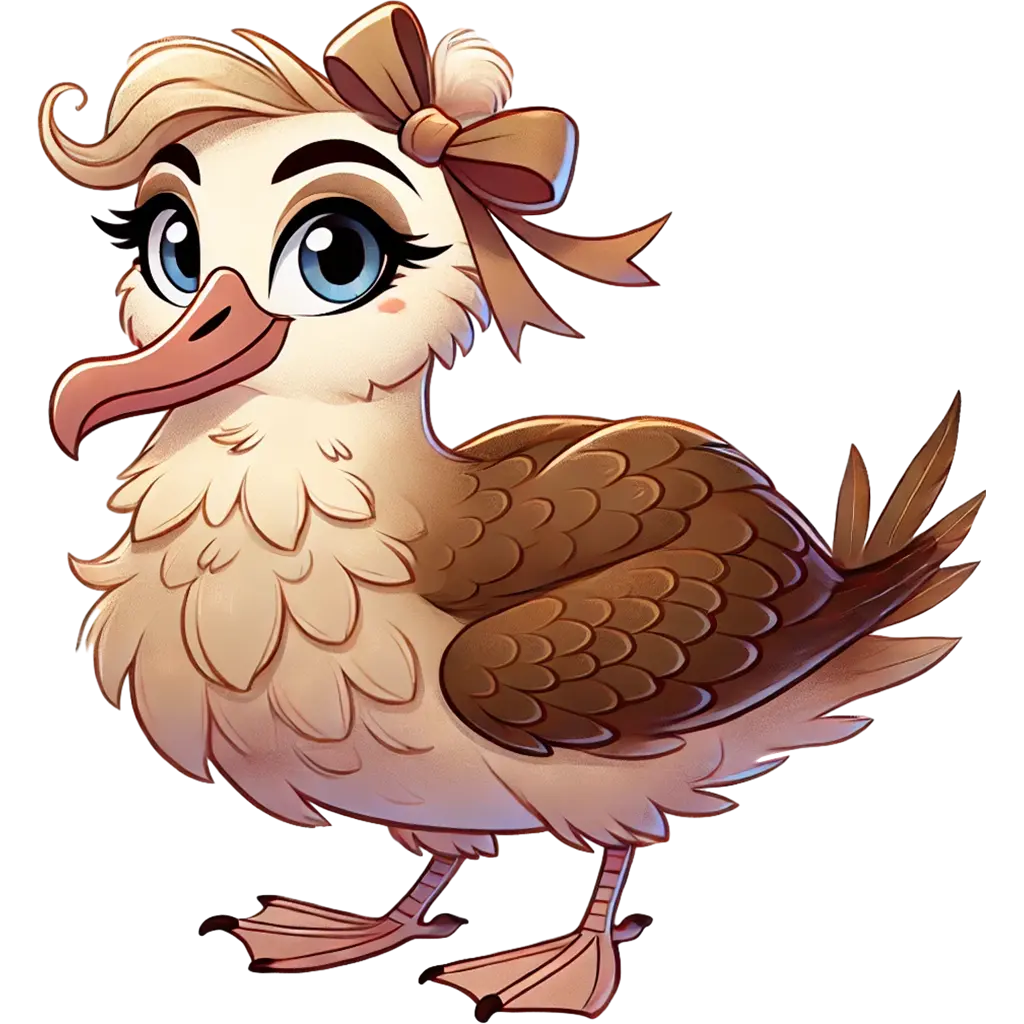
The Snowy Albatross, Diomedea exulans, is a marvel of the avian world, holding the record for the longest wingspan of any living bird, typically ranging from 2.5 to 3.5 meters. Adults are predominantly white, with black-tipped wings and a pale pink bill. They are highly adapted to life at sea, spending most of their lives gliding over the Southern Ocean, rarely coming to land except to breed. Weighing between 6 to 12 kg, they utilize dynamic soaring techniques to travel vast distances with minimal energy expenditure.
| Population: | Listed as Vulnerable due to longline fishing threats and habitat changes |
| Generation Length: | 10 years |
| Average Weight: | 6-12 kg |
| Average Length: | 1.1-1.4 meters body length, with a wingspan of up to 3.5 meters |
| Lifespan: | Up to 50 years in the wild |
| Diet: | Primarily piscivorous and teuthophagous |
| Conservation Status: | Vulnerable (VU) |
Snowy Albatrosses inhabit the Southern Ocean and are most commonly found in the circumpolar regions of the Antarctic. They are pelagic, rarely seen near shore, except during breeding season when they return to sub-Antarctic islands to mate and raise their young. These birds have a solitary nature but come together in large colonies for breeding.
Their diet consists mainly of squid, fish, and crustaceans, which they snatch from the water's surface or pursue into the depths with their powerful wings. They are also known to follow ships to feed on offal and are adept at utilizing updrafts created by waves to glide effortlessly.
Reproduction is a slow process for the Snowy Albatross. They breed once every two years, with a courtship that involves intricate dances and vocalizations. Nests are built on the ground on remote islands, where a single egg is laid. Both parents share incubation duties over a period of about 11 weeks, one of the longest of any bird. Chicks are then nurtured for an additional 6 to 8 months until they fledge.
The population of the Snowy Albatross is considered vulnerable, facing threats from longline fishing operations where they are at risk of becoming bycatch. Conservation efforts include international agreements to mitigate these threats, such as the Agreement on the Conservation of Albatrosses and Petrels (ACAP), aiming to ensure the survival of these magnificent birds and their continued mastery of the southern seas.
Classifications
The Key Attributes
Features
- Movement:
Flying, soaring over the ocean
- Territorial Behavior:
Non-territorial, highly pelagic
- Speed:
Capable of very high speeds during gliding and soaring
- Diet:
Carnivore
- Physical Features:
- Extremely long wingspan for dynamic soaring
- Large body with a sturdy build
- Hooked beak for catching prey
- White plumage with darker wingtips and back in some adults
- Primary Senses:
- Sight
- Smell
Understanding Habitat and Range
Geography
- Habitat:
Open ocean, coming to land only to breed
- Migration Patterns:
Highly nomadic, capable of traveling vast distances across the Southern Ocean
- Geographical Range:
Circumpolar distribution in the Southern Ocean
- Climate Preferences:
Prefers the open ocean, particularly in colder southern waters
Navigating the Wilderness
In the wild
- Predators:
Few natural predators; mainly risks are from human activities at sea
- Prey:
Squid, fish, and crustaceans
- Feeding Behavior:
Feeds on fish, squid, and crustaceans, often scavenging from the surface or pursuing prey underwater
- Diet:
Primarily piscivorous and teuthophagous
- Defensive Mechanisms:
- Flight and swimming capabilities to escape predators
- Large size deters most potential threats
- Preferred Food Sources:
- Rich marine areas where cold and warm currents meet, providing abundant food
Insights Into Reproduction
Mating
- Mating System:
Monogamous, often with long-term pair bonds
- Number of Offspring:
One egg
- Incubation Period:
About 11 weeks
- Parental Involvement:
- Both parents share in the incubation and feeding of the chick until it fledges
Youngsters Section
Snowy Albatross
Fun Fact
The snowy albatross is known for its impressive wingspan, which can reach up to 11 feet.
This majestic bird spends most of its life soaring over the ocean. It can glide for hours without flapping its wings, using wind currents to travel long distances. The snowy albatross breeds on remote islands and is known for its monogamous pairs, often mating for life.

Download word search puzzles
Word Search Puzzles
Check Out Other Birds

The Knysna Turaco, tauraco corythaix, is a vibrant and elusive bird, native to the dense forests and woodlands of southern Africa, particularly along the Garden Route in South Africa. Distinguished by its striking green plumage, which blends seamlessly into the forest canopy, this bird features a prominent crest on its
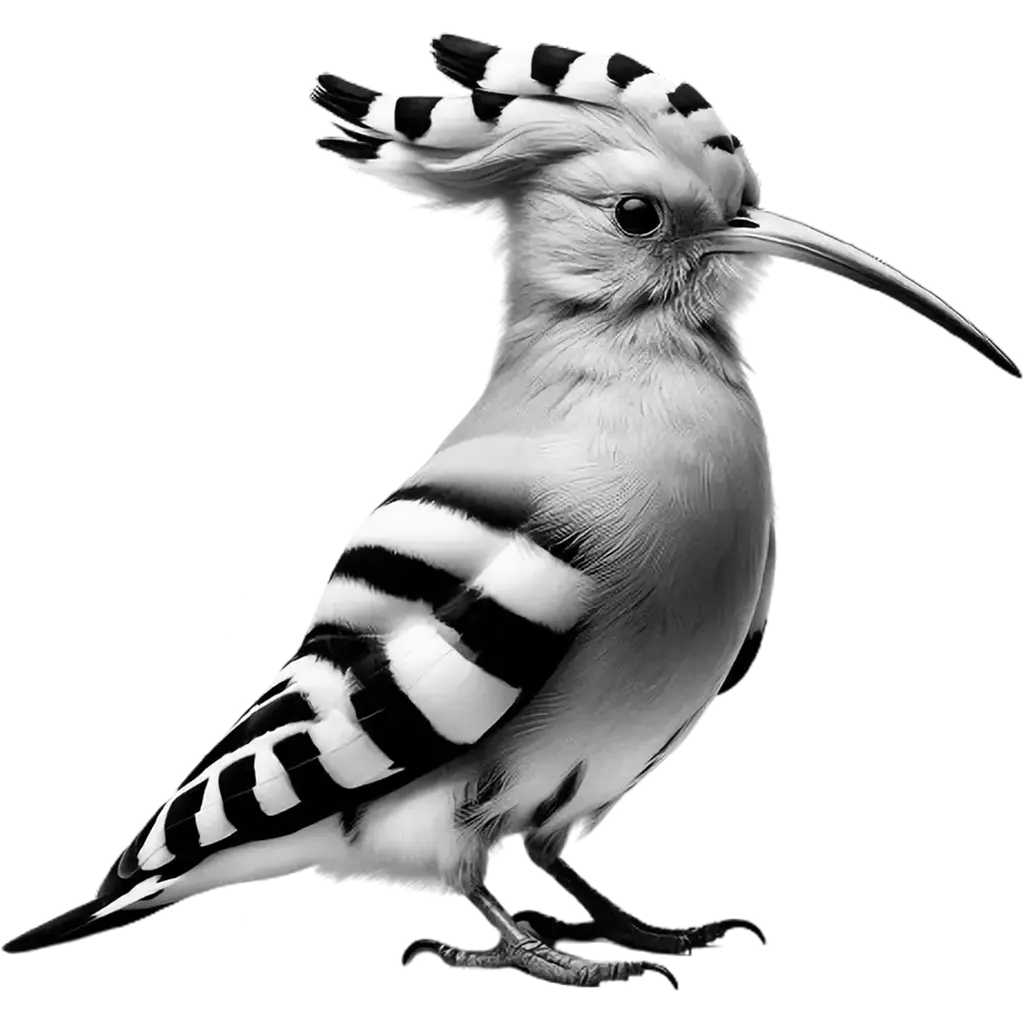
The White-Headed Wood Hoopoe, phoeniculus bollei, is a distinctive bird species primarily found in the forests and woodlands of Central and East Africa. This bird is known for its striking appearance, featuring a long, curved beak, a glossy blue-black plumage, and a prominent white head and chest, which contrast sharply
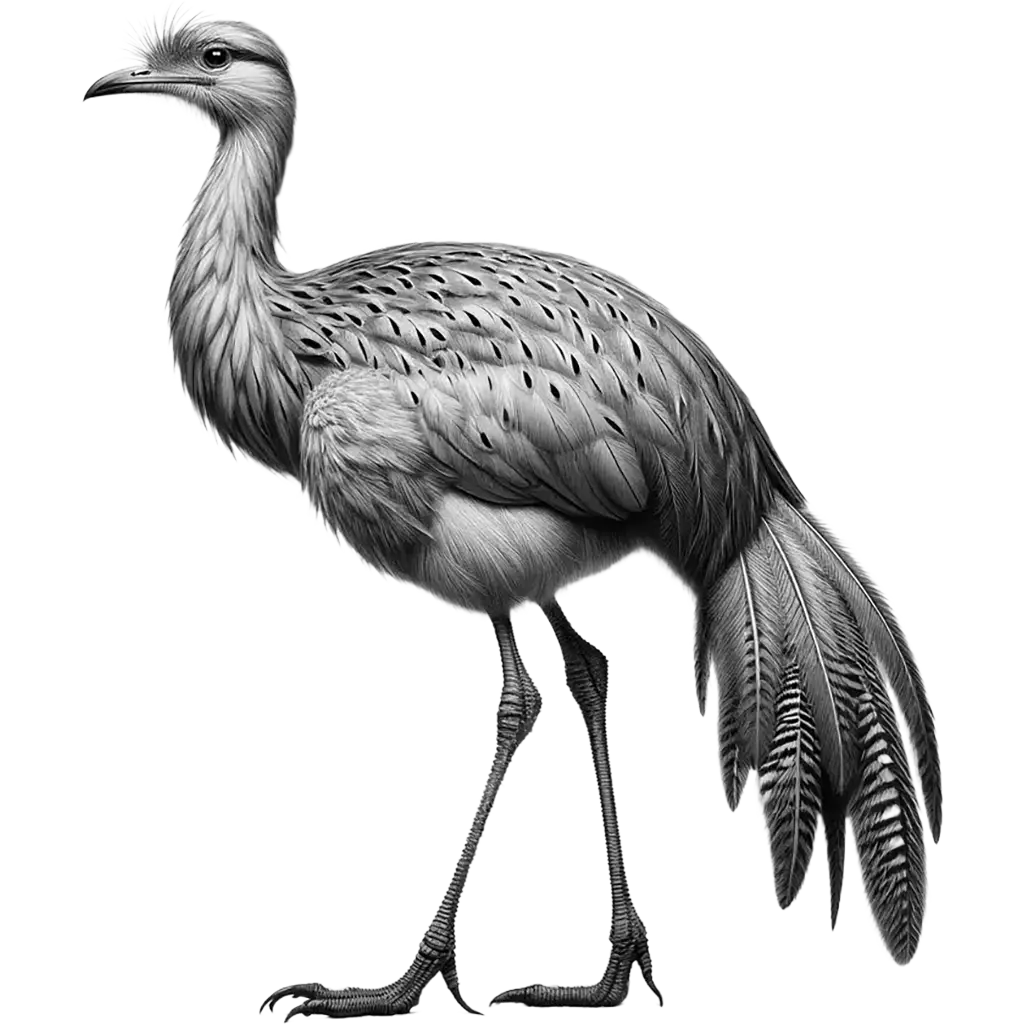
The Black-Legged Seriema, chunga burmeisteri, is a distinctive bird native to South America, particularly found in the dry woodlands and grasslands of northern Argentina, Paraguay, Bolivia, and Brazil. This species is characterized by its slender build, long legs, and predominantly grey plumage, which is complemented by striking black flight feathers
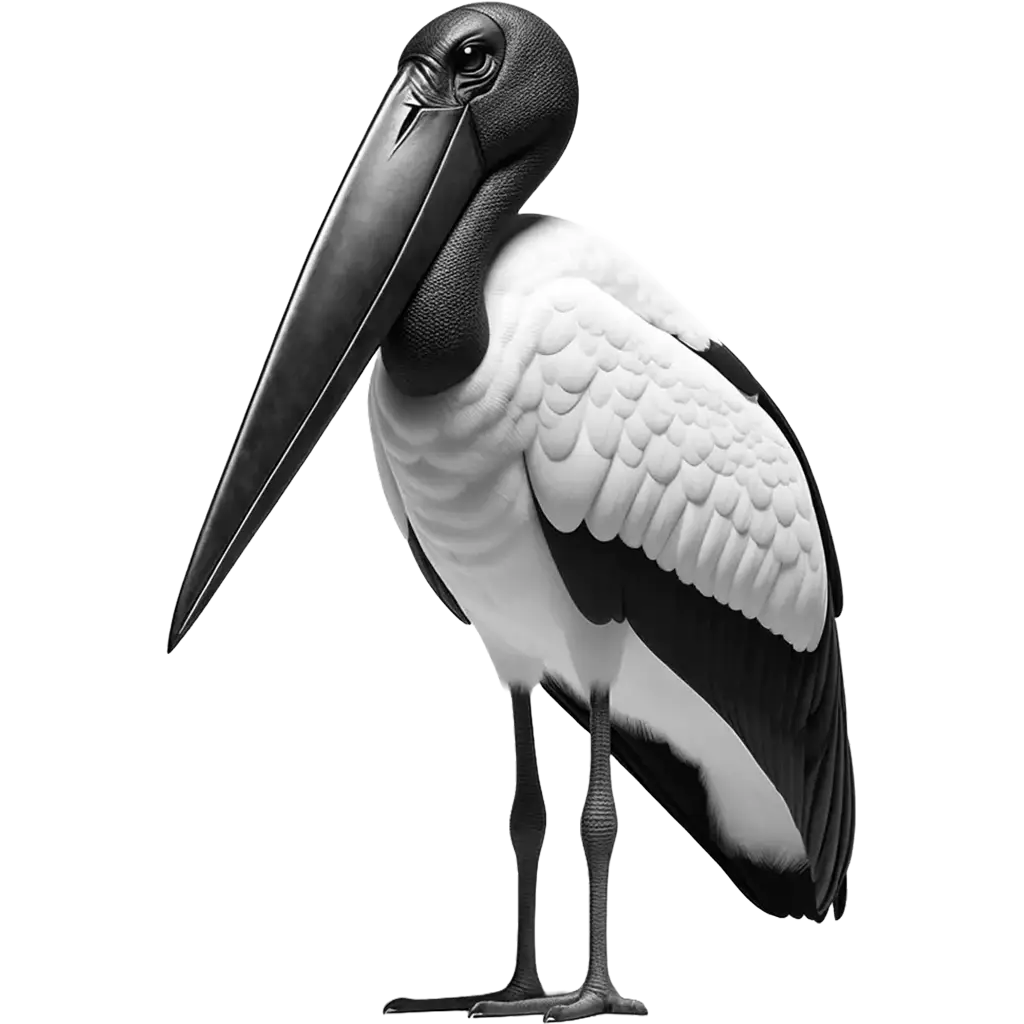
The Jabiru, Jabiru mycteria, is a majestic bird native to the Americas, particularly found from Mexico through Central America to Argentina in South America. It is the tallest flying bird found in its range, with adults standing up to 1.4 meters (4.5 feet) tall and boasting a wingspan that can