
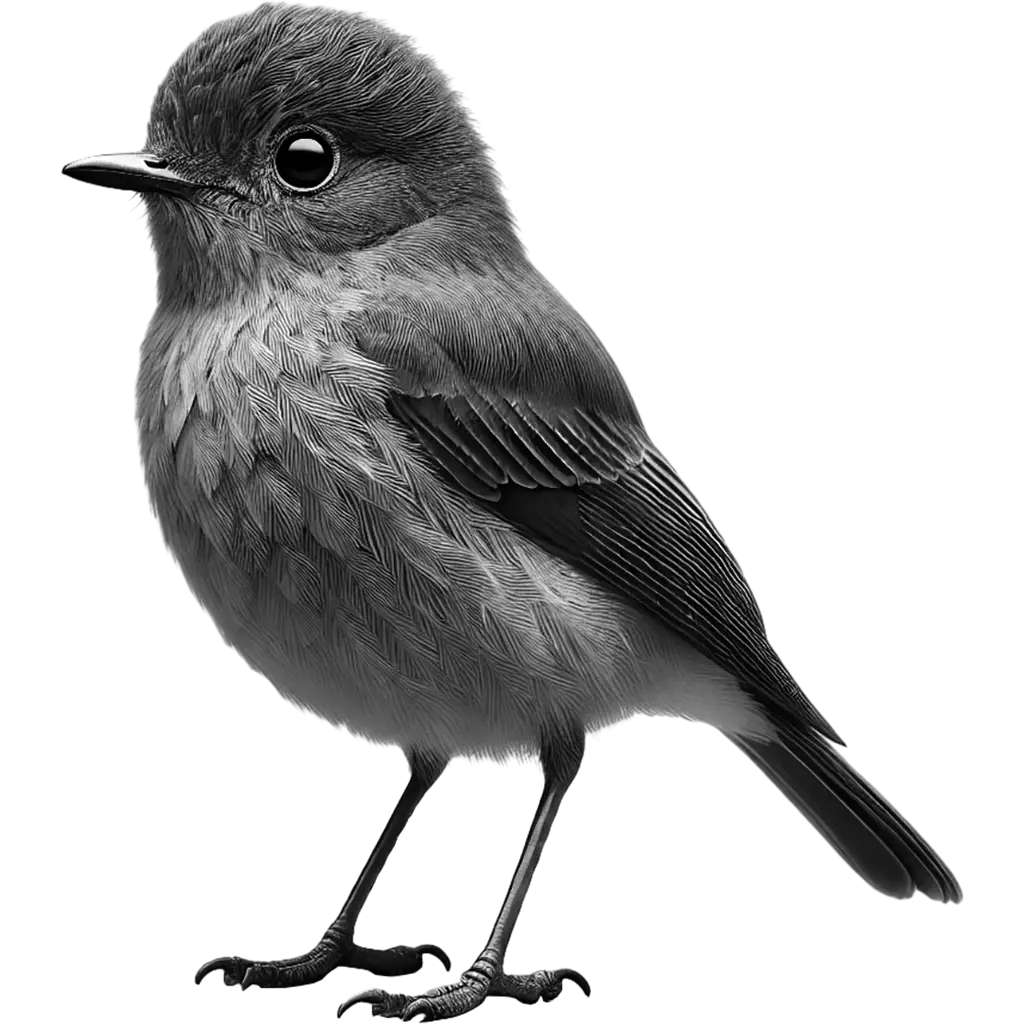
Contopus Punensis
Tumbes Pewee
Tropical woodlands, savannas, and riparian zones with scattered trees
The Tumbes Pewee is a small, compact bird with subtle olive and gray plumage that blends seamlessly into its tropical surroundings. Its soft, rounded head is accented by distinct facial markings and a slightly hooked, sharp bill, all of which enhance its overall delicate yet alert appearance. The bird's long, tapered wings enable agile, darting flight, while its understated coloration provides natural camouflage among the scattered trees and undergrowth of its habitat.
| Population: | Not currently threatened; found in stable numbers in well-preserved habitats across its range |
| Generation Length: | 2-3 years |
| Average Weight: | 10-15 grams |
| Average Length: | Approximately 16-18 cm |
| Lifespan: | Approximately 4-7 years in the wild |
| Diet: | Exclusively insectivorous, relying on agile flight to catch prey in open spaces |
| Conservation Status: | Least Concern (LC) |
In its native environment, the Tumbes Pewee is an active, energetic bird that spends much of its day perched in the open, scanning the horizon for movement. It is typically observed alone or in pairs, maintaining well-defined territories during the breeding season. With an acute sense of sight and hearing, it is adept at detecting even the faintest rustle of leaves or insect flight. Its behavior is characterized by quick, responsive flights and intermittent, melodious calls that resonate through the tropical woodlands and riparian zones it inhabits.
Feeding predominantly on a variety of airborne insects, the Tumbes Pewee employs a foraging strategy known as 'sallying,' wherein it launches from a perch to capture prey mid-air before returning to its lookout spot. This precise method of aerial insectivory ensures it obtains the necessary proteins and nutrients to sustain its high-energy lifestyle. Its diet, rich in small flies, beetles, and moths, plays a significant role in controlling local insect populations, thereby contributing to the ecological balance of its habitat.
During the breeding season, the Tumbes Pewee forms monogamous pair bonds and engages in elaborate courtship displays that include synchronized flight and soft vocal exchanges. Both male and female collaborate in nest building, creating a concealed structure where the female lays a clutch of 3-5 eggs. Incubation lasts for about 16-18 days, with both parents sharing the responsibilities of feeding and protecting the young.
Population studies indicate that the Tumbes Pewee is generally stable in well-preserved habitats across its range. However, localized declines may occur due to deforestation and changes in insect availability. Ongoing monitoring and conservation efforts are vital to ensure that this agile aerial insectivore continues to thrive in its tropical ecosystem.
Classifications
The Key Attributes
Features
- Movement:
Aerial insectivore; agile flier with quick, darting movements
- Territorial Behavior:
Establishes and defends breeding territories, especially during the mating season
- Speed:
Not specified
- Diet:
Insectivore
- Physical Features:
- Compact body with subtle olive and gray plumage
- Distinct facial markings and a soft, rounded head
- Sharp, slightly hooked bill suited for catching insects
- Long, tapered wings designed for agile flight
- Primary Senses:
- Sight
- Hearing
Understanding Habitat and Range
Geography
- Habitat:
Tropical woodlands, savannas, and riparian zones with scattered trees
- Migration Patterns:
Generally non-migratory; may perform local movements in response to seasonal changes
- Geographical Range:
Found primarily in parts of western Ecuador and northwestern Peru, including the Tumbes region
- Climate Preferences:
Tropical; favors warm, humid environments with scattered forest cover
Navigating the Wilderness
In the wild
- Predators:
Larger raptors and arboreal mammals may prey on nestlings and adults
- Prey:
Flies, beetles, moths, and other small airborne insects
- Feeding Behavior:
Forages by sallying from perches to capture flying insects mid-air
- Diet:
Exclusively insectivorous, relying on agile flight to catch prey in open spaces
- Defensive Mechanisms:
- Quick, evasive flight maneuvers to avoid predators
- Camouflage among the foliage of its habitat
- Preferred Food Sources:
- Airborne insects
- Small flying arthropods
Insights Into Reproduction
Mating
- Mating System:
Monogamous during the breeding season
- Number of Offspring:
Typically lays 3-5 eggs per breeding attempt
- Incubation Period:
Eggs hatch after approximately 16-18 days
- Parental Involvement:
- Both parents participate in nest building and feeding the chicks
Youngsters Section
Tumbes Pewee
Fun Fact
The Tumbes Pewee is celebrated for its agile aerial foraging and distinct, melodious calls that echo through its tropical habitat.
Birdwatchers and researchers are drawn to this species for its impressive flight displays and dynamic foraging behavior, which not only captivate observers but also play a key role in regulating insect populations, contributing to a balanced and healthy tropical ecosystem.

Download word search puzzles
Word Search Puzzles


Check Out Other Birds
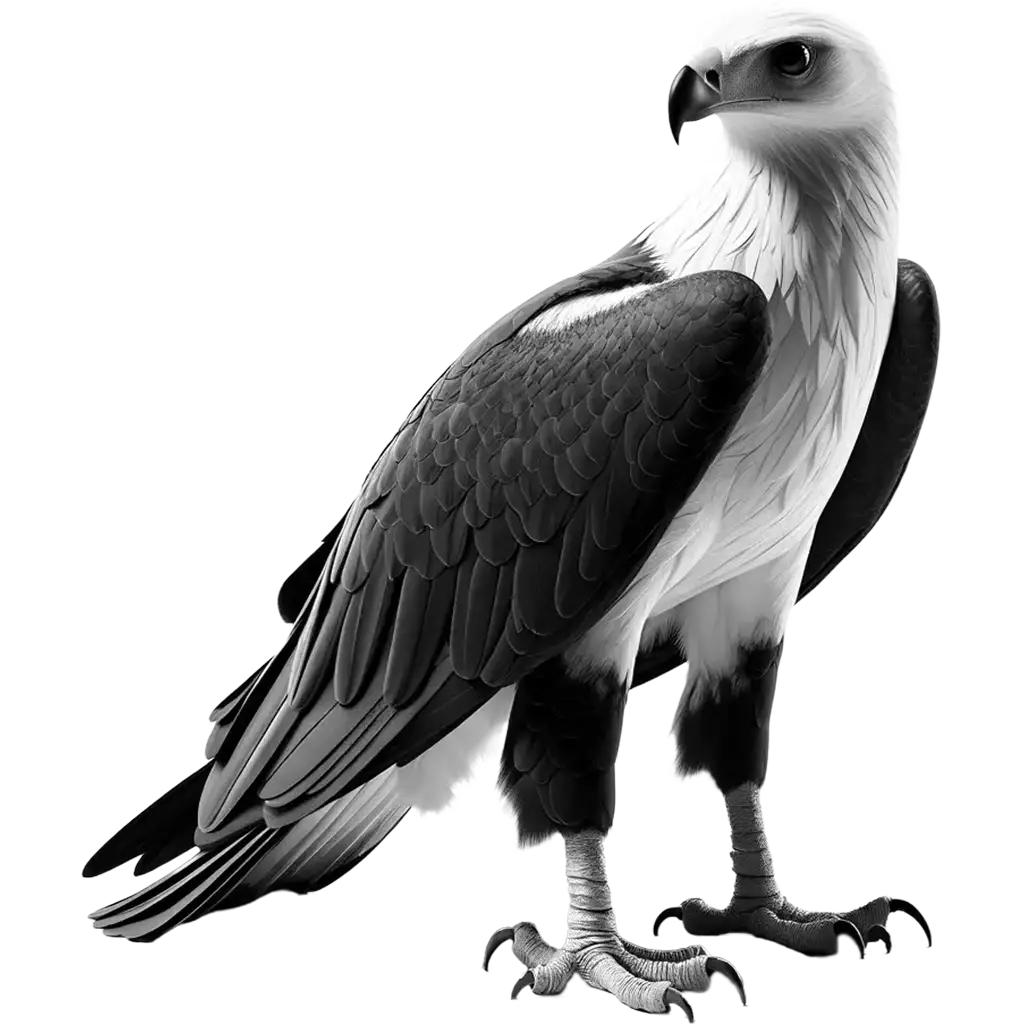
The Wedge-Tailed Eagle, aquila audax, is a powerful bird of prey and one of the largest eagles in the world, recognized by its long, distinctive wedge-shaped tail. Adults can have a wingspan of up to 2.5 meters and weigh between 3 to 6 kg, with females generally larger than males.
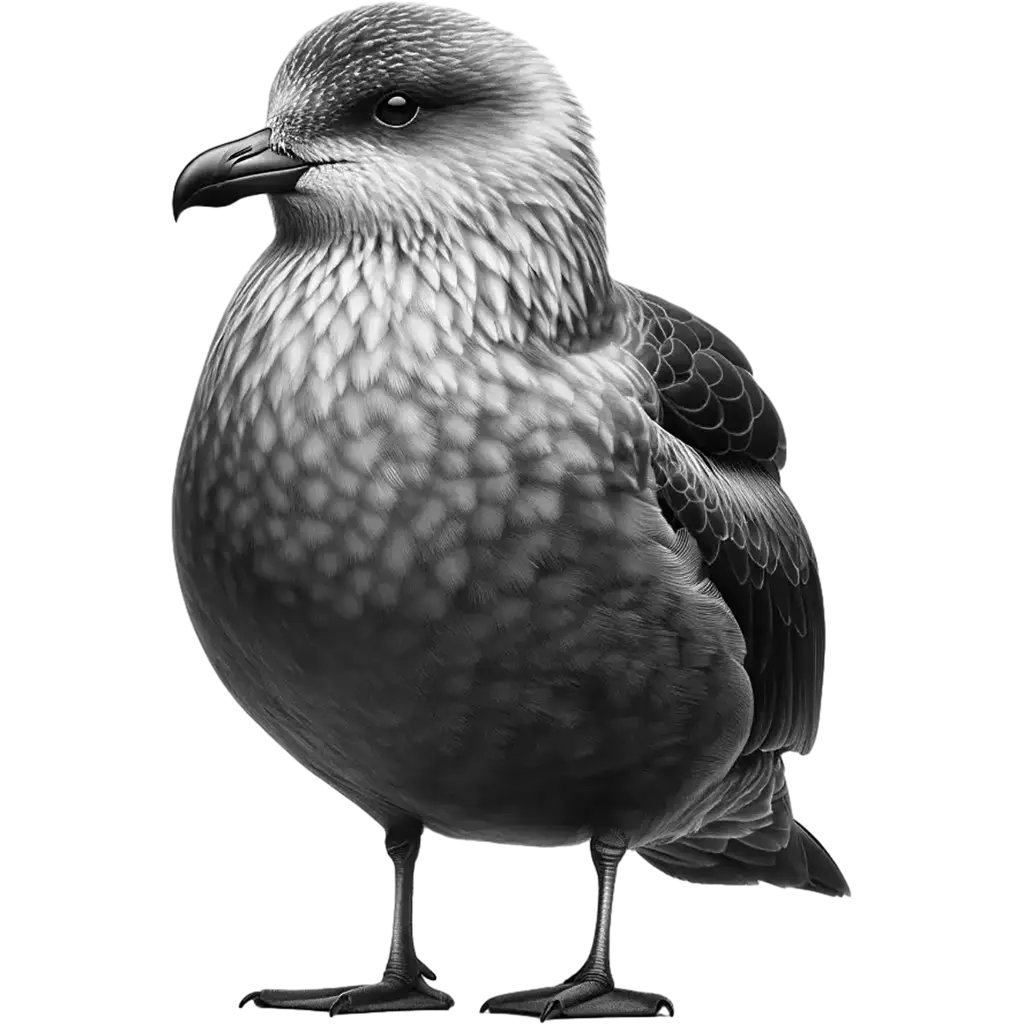
The Pomarine Jaeger, stercorarius pomarinus, is a robust seabird known for its powerful flight and aggressive hunting tactics. This species exhibits considerable size variation, with a length ranging from 45 to 60 cm and a wingspan of 110 to 135 cm, making it the largest of the jaeger species. It
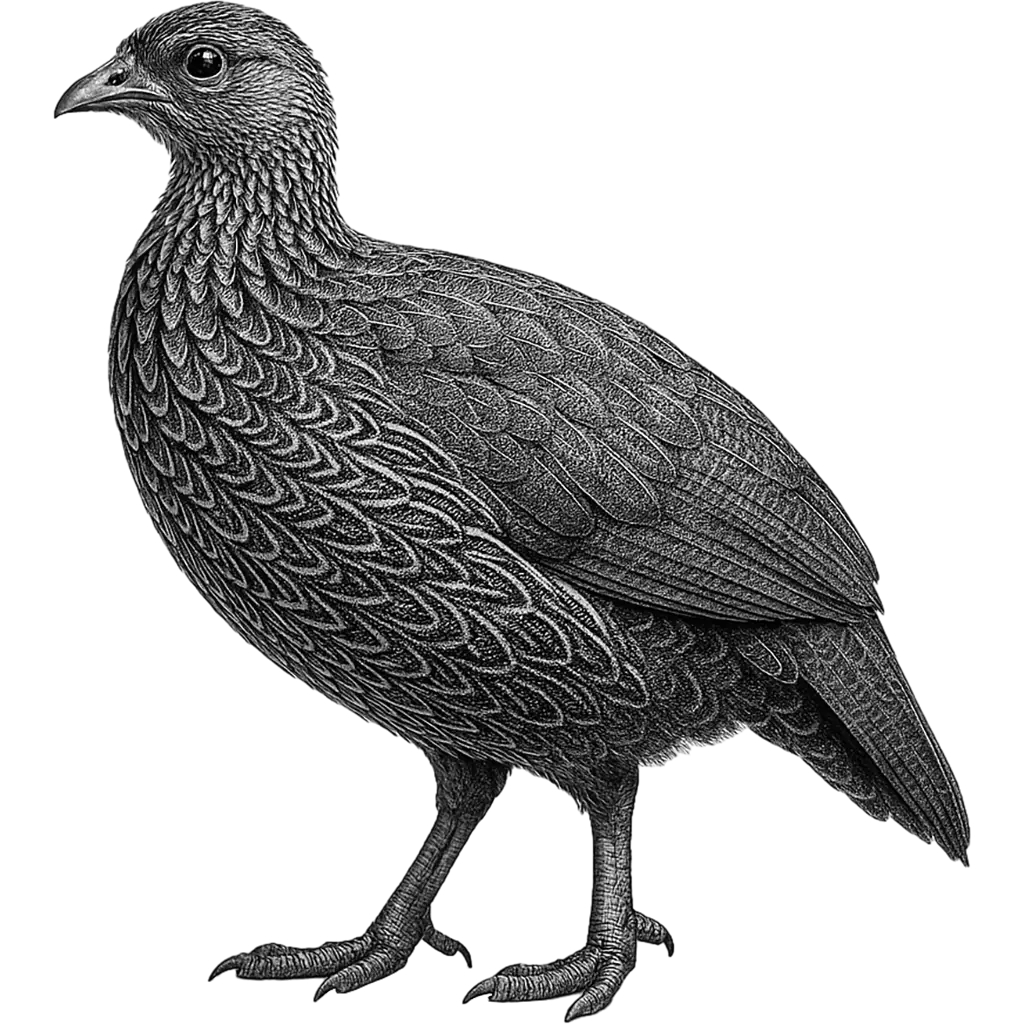
The Cape Spurfowl is a robust bird with a striking, cryptic plumage that blends seamlessly into its natural surroundings. Its mix of earthy browns, grays, and subtle olive hints is accented by distinct facial markings and a noticeable leg spur. With a short tail and sturdy build, this bird has
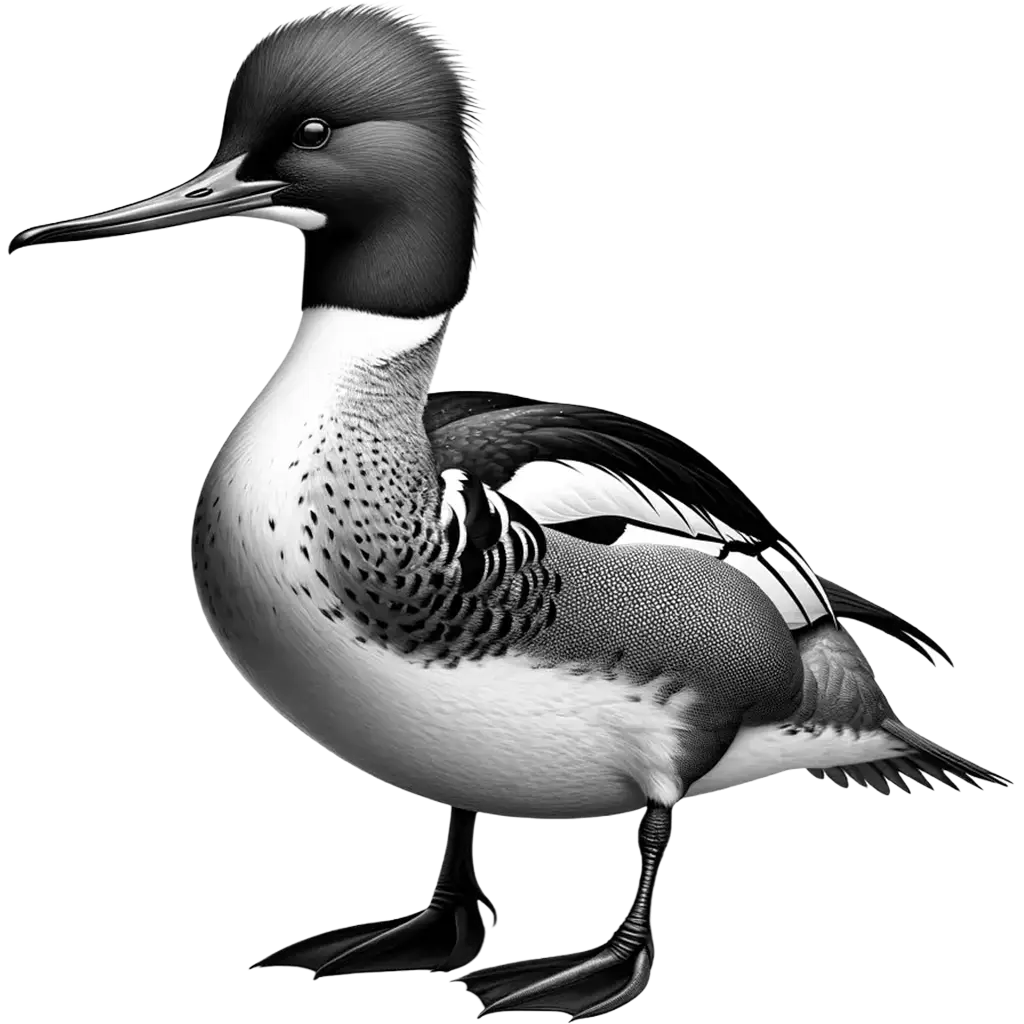
The Red-Breasted Merganser, mergus serrator, is a distinctive sea duck known for its slender, elongated body and striking plumage. Adult males have a dark green head, a white neck with a narrow collar, and a reddish-brown breast, while their back is black and sides are grey. They are particularly noted