
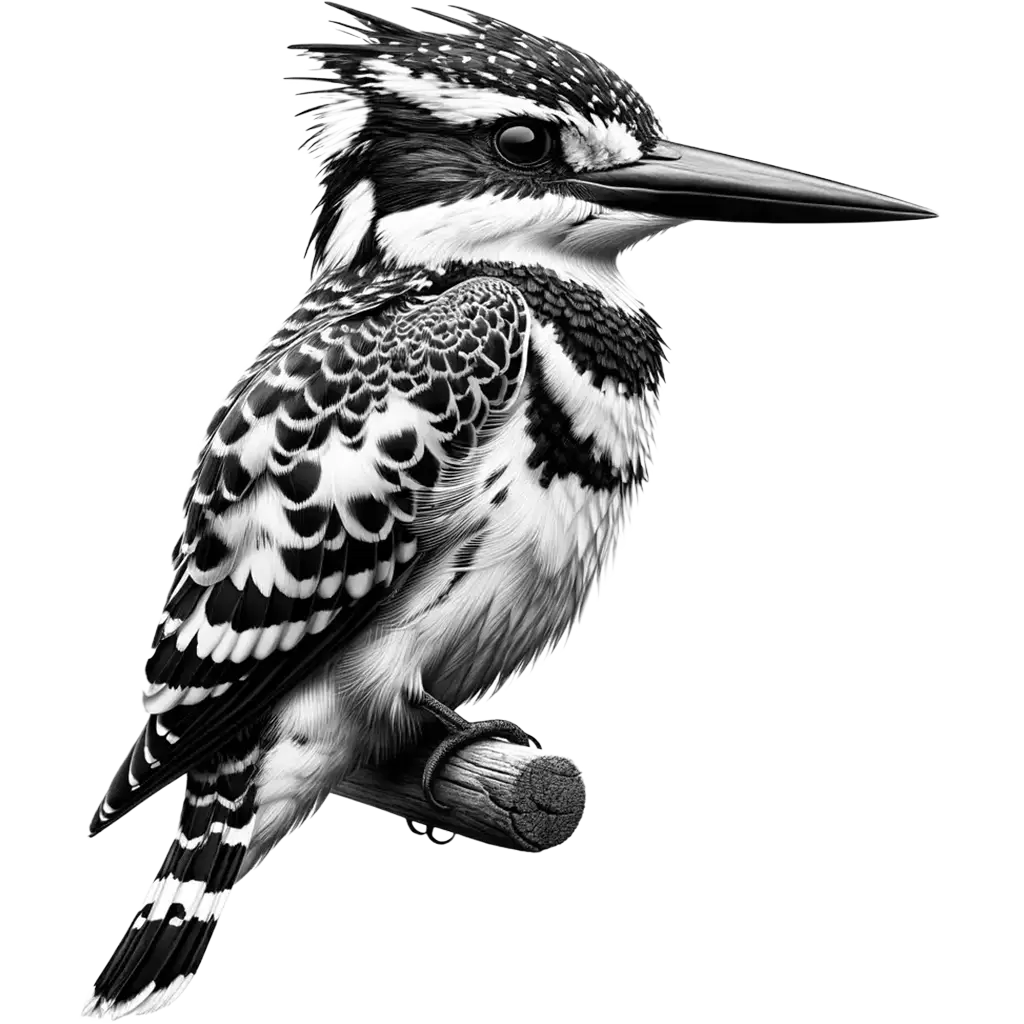
Ceryle Rudis
Pied Kingfisher
Freshwater lakes, rivers, and coastal estuaries
The Pied Kingfisher, ceryle rudis, is a distinctive bird known for its striking black and white plumage and its ability to hover over water before diving to catch fish. This medium-sized kingfisher typically measures between 25 to 29 cm in length, with males and females exhibiting similar color patterns. The bird's body is predominantly white with a black mask across the eyes, and its back is covered in black with white spots, giving it a unique, piebald appearance. The long, straight bill is well adapted for fishing, making the Pied Kingfisher an efficient predator.
| Population: | Listed as Least Concern, with widespread and stable populations |
| Generation Length: | 3-4 years |
| Average Weight: | 60-90 grams |
| Average Length: | 25-30 cm |
| Lifespan: | Up to 6 years in the wild |
| Diet: | Primarily piscivorous, occasionally eating aquatic insects and crustaceans |
| Conservation Status: | Least Concern (LC) |
Inhabiting rivers, lakes, and coastal regions across Sub-Saharan Africa, Asia, and the Middle East, the Pied Kingfisher is highly adaptable and can be found in a variety of aquatic environments. This species is one of the few kingfishers that are gregarious, often seen in pairs or small family groups. They are known for their distinctive hunting technique, hovering above water to spot prey before diving headfirst to catch fish. Their ability to hover is a remarkable feat of agility and precision.
The diet of the Pied Kingfisher primarily consists of fish, with small aquatic invertebrates supplementing their diet. They are expert hunters, utilizing their keen eyesight to locate prey before making a swift, precise dive into the water. This hunting strategy not only highlights their adaptation to aquatic life but also their role in controlling fish populations in their habitats.
Breeding habits of the Pied Kingfisher involve monogamy, with pairs forming strong bonds. They nest in burrows excavated in vertical sandbanks along water bodies. Both parents participate in nest construction, egg incubation, and feeding the chicks. A typical clutch consists of 3 to 6 eggs, which are incubated for about 17 to 19 days. The chicks are altricial at birth but grow quickly, fledging the nest within a month.
The population of the Pied Kingfisher is considered stable, with a wide distribution that helps buffer against localized threats. However, they are susceptible to water pollution and habitat destruction, particularly in areas where wetlands are drained for agriculture or urban development. Conservation efforts focusing on the protection and restoration of wetland habitats are crucial for ensuring the continued survival of this species and the health of aquatic ecosystems.
Classifications
The Key Attributes
Features
- Movement:
Flying, hovering
- Territorial Behavior:
Somewhat territorial, especially around nesting sites
- Speed:
Fast flyer, capable of hovering over water before diving to catch prey
- Diet:
Carnivore
- Physical Features:
- Distinctive black and white plumage with a large head and long bill
- Short legs and strong talons
- Banded pattern across the chest and wings
- Capable of hovering above water to spot prey
- Primary Senses:
- Sight
Understanding Habitat and Range
Geography
- Habitat:
Freshwater lakes, rivers, and coastal estuaries
- Migration Patterns:
Resident and partial migrant, depending on local conditions
- Geographical Range:
Sub-Saharan Africa, parts of the Arabian Peninsula, and Asia to the Indian subcontinent
- Climate Preferences:
Tropical and subtropical regions
Navigating the Wilderness
In the wild
- Predators:
Larger birds of prey and some mammals
- Prey:
Fish, crustaceans, and aquatic insects
- Feeding Behavior:
Specializes in catching fish and aquatic invertebrates by diving from the air
- Diet:
Primarily piscivorous, occasionally eating aquatic insects and crustaceans
- Defensive Mechanisms:
- Quick flying and diving to evade predators
- Nest in burrows to protect from predators and elements
- Preferred Food Sources:
- Clear water bodies rich in fish and aquatic invertebrates
Insights Into Reproduction
Mating
- Mating System:
Monogamous
- Number of Offspring:
3-6 eggs
- Incubation Period:
About 17-20 days
- Parental Involvement:
- Both parents share in feeding and caring for the young
Youngsters Section
Pied Kingfisher
Fun Fact
The Pied Kingfisher is known for its unique hovering ability while hunting for fish.
This bird can hover above water before diving to catch prey. It compensates for refraction, allowing precise strikes. The Pied Kingfisher is one of the few bird species that can hover without wind assistance, showcasing its remarkable aerial agility.

Download word search puzzles
Word Search Puzzles


Check Out Other Birds
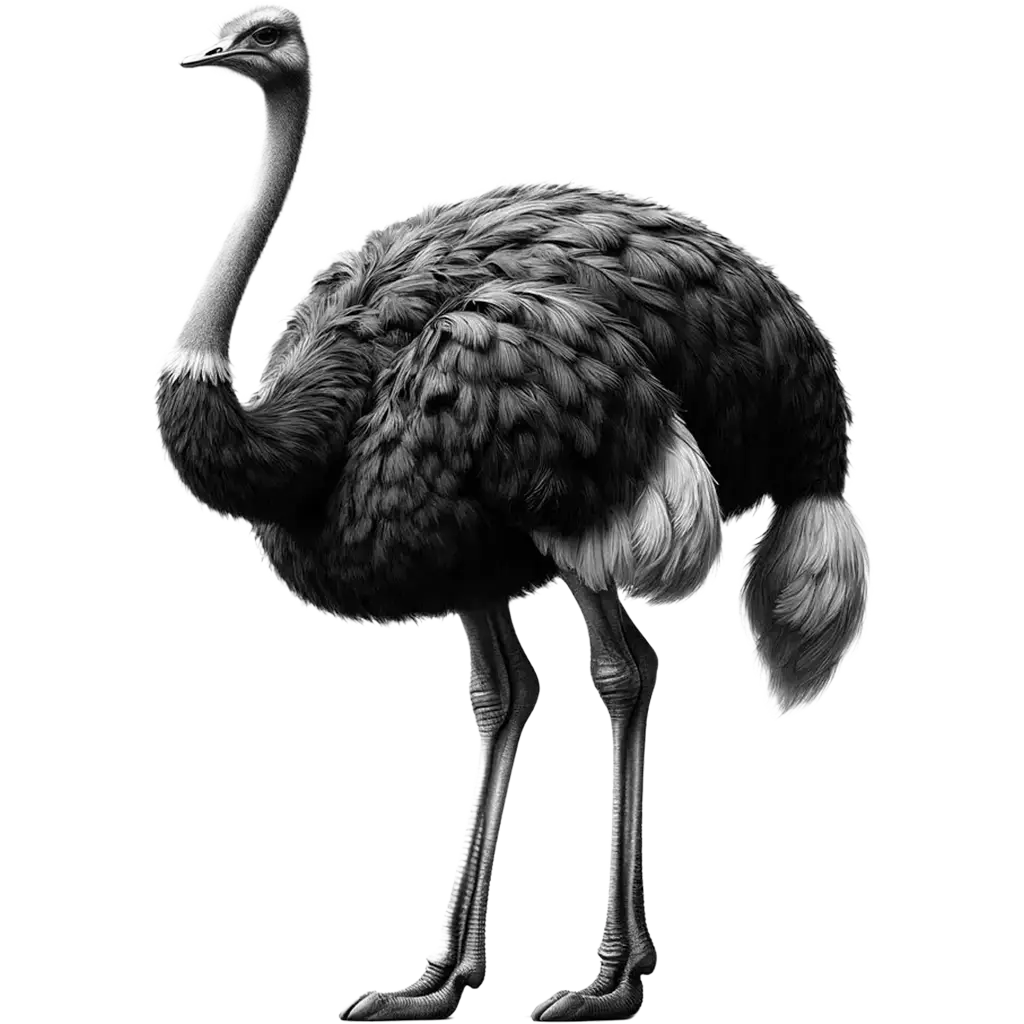
The Masai Ostrich, struthio camelus massaicus, is the East African subspecies of the common ostrich, distinguished by its unique coloration and size. Males possess a distinctive black and white plumage, with bright pink to red necks and thighs during the breeding season, signaling their readiness to mate. Females and juveniles

The Grey-backed Tachuri is a diminutive bird, measuring approximately 9.5 to 10 centimeters in length and weighing around 6 grams. It features a gray crown with a subtle crest, a white supercilium (eyebrow line), and a white eye ring. Its upperparts are brownish-gray, while the underparts exhibit a pinkish-buff hue.
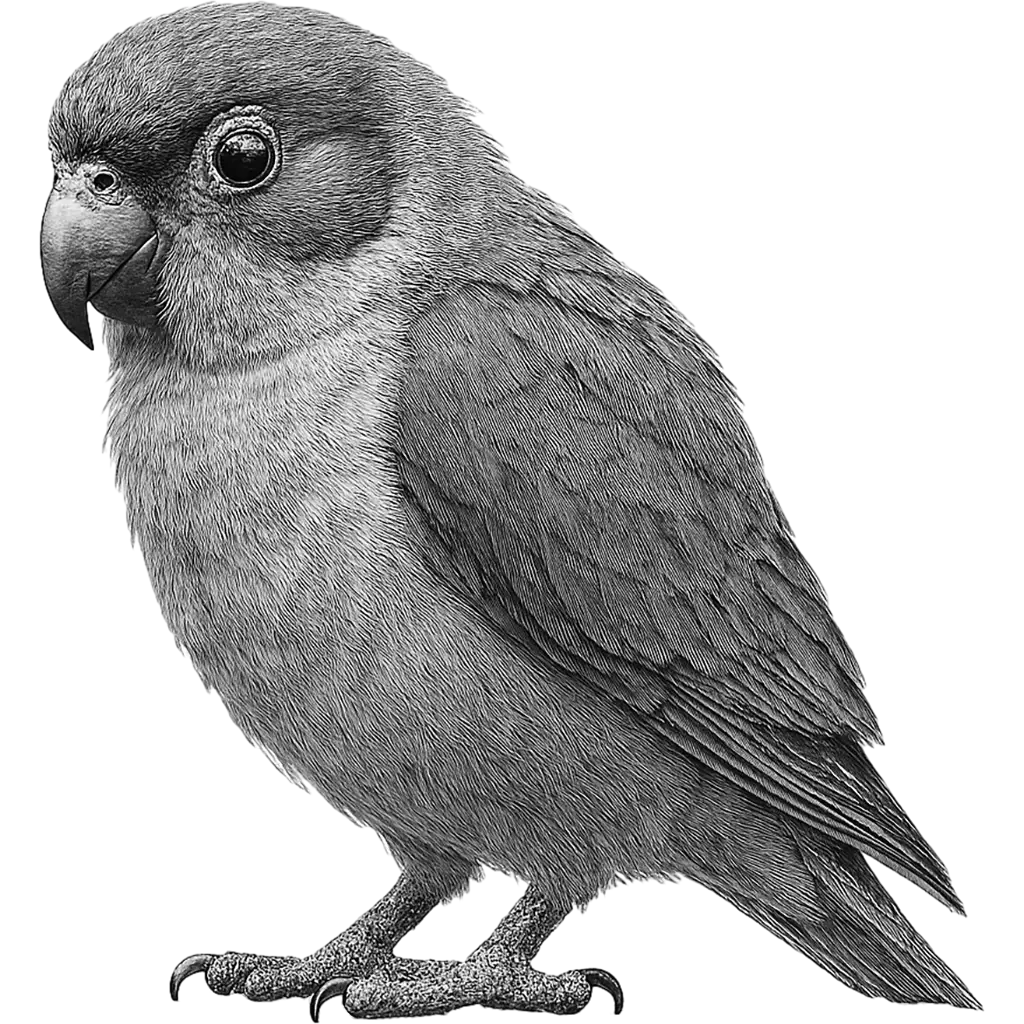
The Red-browed Fig Parrot is a diminutive parrot measuring approximately 13 to 15 centimeters in length. The body is predominantly bright green, providing camouflage among foliage. A vivid red patch graces the forehead, extending above the beak. Males display additional blue coloration around the eyes and lores, while females exhibit

The Mandarin Duck, aix galericulata, is a small, strikingly colored waterfowl native to East Asia. The male, known for its vibrant plumage during the breeding season, displays an array of colors including metallic greens, blues, and oranges, complemented by distinctive white eye-stripes and a reddish face. The female is more