
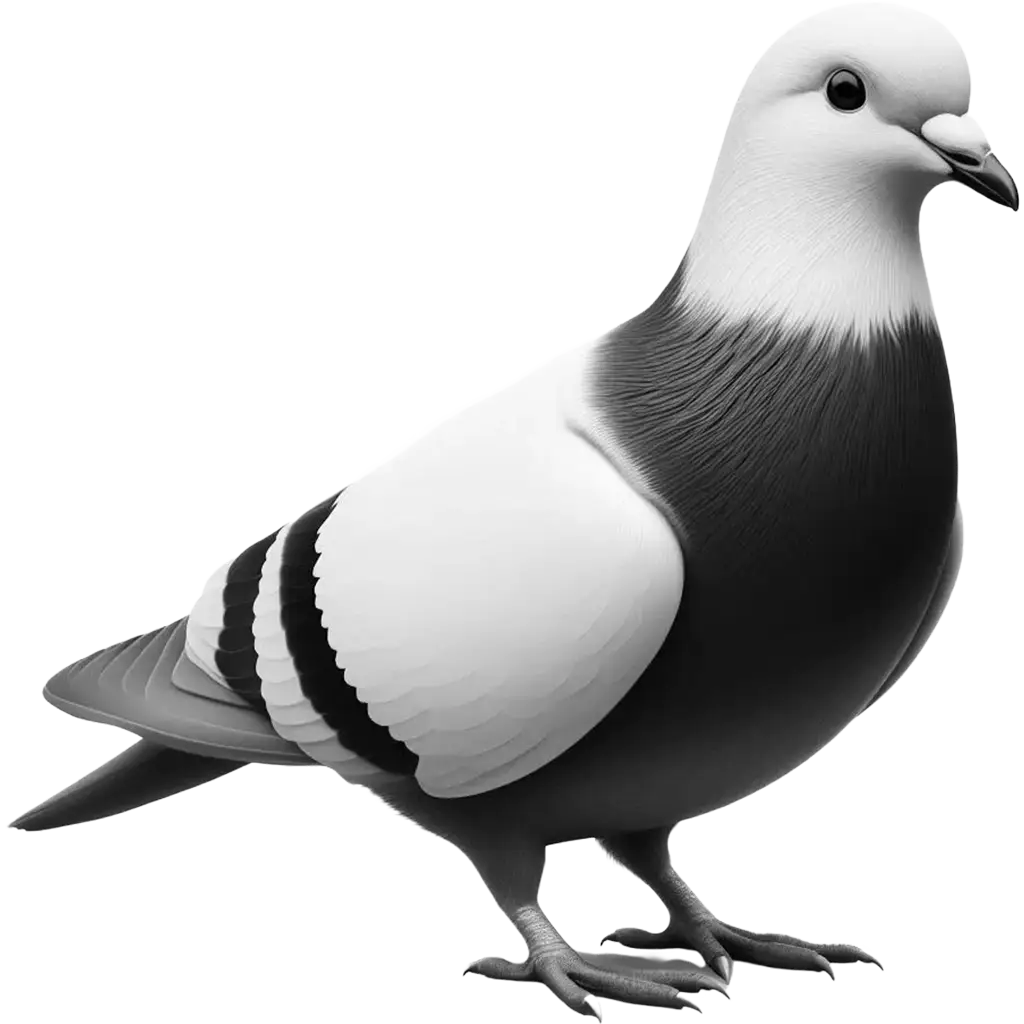
Columba Argentina
Silvery Pigeon
Tropical forests, mangroves, and areas close to freshwater sources
The Silvery Pigeon, columba argentina, is a rare and elusive bird species primarily found in the islands of Indonesia and parts of Malaysia. This medium-sized pigeon exhibits a distinctive plumage, predominantly silvery-grey with darker grey wings and a white underbelly, making it one of the more striking pigeon species in its range. Adults typically measure around 30 to 35 centimeters in length. The bird's name derives from its shimmering silver-grey back and wings, which contrast beautifully against the lush greenery of its natural habitat.
| Population: | Classified as Critically Endangered due to extremely limited and fragmented population |
| Generation Length: | 3-4 years |
| Average Weight: | Approximately 300-350 grams |
| Average Length: | 30-35 cm |
| Lifespan: | Poorly documented, pigeon lifespans range from 3-5 years in the wild |
| Diet: | Seeds, fruits, grains |
| Conservation Status: | Critically Endangered (CR) |
Historically, the Silvery Pigeon was found in lowland tropical forests and mangrove swamps, areas rich in fruit-bearing trees and plants, which constitute the majority of its diet. Due to habitat destruction and fragmentation, sightings have become increasingly rare, leading to concerns over its conservation status. The Silvery Pigeon is primarily arboreal, spending most of its time in the canopy, where it feeds on fruits, seeds, and occasionally invertebrates.
The diet of the Silvery Pigeon largely consists of fruits and seeds gathered from the forest canopy. This diet plays a crucial role in the ecosystem as the pigeon contributes to seed dispersal for many tree species, aiding in the regeneration of its forest habitat. The bird's feeding behavior underscores the importance of preserving fruit-bearing forest trees for the survival of this and other fruit-eating bird species.
Reproduction details of the Silvery Pigeon in the wild are not well-documented, due to its rarity and elusive nature. However, like other pigeon species, it is presumed to nest in trees, laying one or two eggs per clutch. The conservation of suitable nesting sites is crucial for the survival of breeding populations.
The Silvery Pigeon is classified as Critically Endangered by the IUCN Red List, with its population believed to be small and decreasing. The primary threats to its survival include deforestation for timber and agricultural expansion, hunting, and trapping for the pet trade. Conservation efforts are urgently needed to protect its remaining habitat, enforce anti-hunting regulations, and possibly establish breeding programs to prevent its extinction. The survival of the Silvery Pigeon is indicative of the health of its ecosystem, making its conservation a priority for biodiversity preservation in Southeast Asia.
Classifications
The Key Attributes
Features
- Movement:
Flight
- Territorial Behavior:
Generally social, but specific behavioral patterns are not well documented due to rarity
- Speed:
Capable of rapid flight, specific speeds not documented
- Diet:
Herbivore, feeds on seeds, fruits, and grains
- Physical Features:
- Silver-grey plumage with darker wingtips
- Short, rounded tail
- Red orbital skin
- Black bill
- Primary Senses:
- Sight
- Hearing
Understanding Habitat and Range
Geography
- Habitat:
Tropical forests, mangroves, and areas close to freshwater sources
- Migration Patterns:
Sedentary, with limited range movement
- Geographical Range:
Historically found in the Nicobar Islands, Indonesia, and Malaysia; current populations are highly restricted
- Climate Preferences:
Tropical climates
Navigating the Wilderness
In the wild
- Predators:
Birds of prey, rats, and cats
- Prey:
Not applicable
- Feeding Behavior:
Feeds on the ground or in lower tree branches, foraging for seeds and fruits
- Diet:
Seeds, fruits, grains
- Defensive Mechanisms:
- Flight
- Camouflage within its habitat
- Preferred Food Sources:
- Fruits
- Seeds
Insights Into Reproduction
Mating
- Mating System:
Monogamous
- Number of Offspring:
Typically 1-2 eggs
- Incubation Period:
About 17-20 days
- Parental Involvement:
- Both parents incubate the eggs and feed the chicks
Youngsters Section
Silvery Pigeon
Fun Fact
The Silvery Pigeon, once thought extinct, was rediscovered in Indonesia in 2008, sparking conservation efforts.
Its striking silver plumage and orange eyes make it unique. They inhabit mangroves and coastal forests, facing threats from habitat loss and hunting. Conservationists focus on habitat protection and raising awareness to ensure the survival of this rare bird species.

Download word search puzzles
Word Search Puzzles

Check Out Other Birds

The White-Crested Helmetshrike, prionops plumatus, is a striking bird characterized by its prominent white crest, which contrasts beautifully with its predominantly black body, grayish-white underparts, and vivid yellow eye wattle. Its slender, hook-tipped bill is adept for foraging, and the bird's overall length ranges from 19 to 24 cm, making
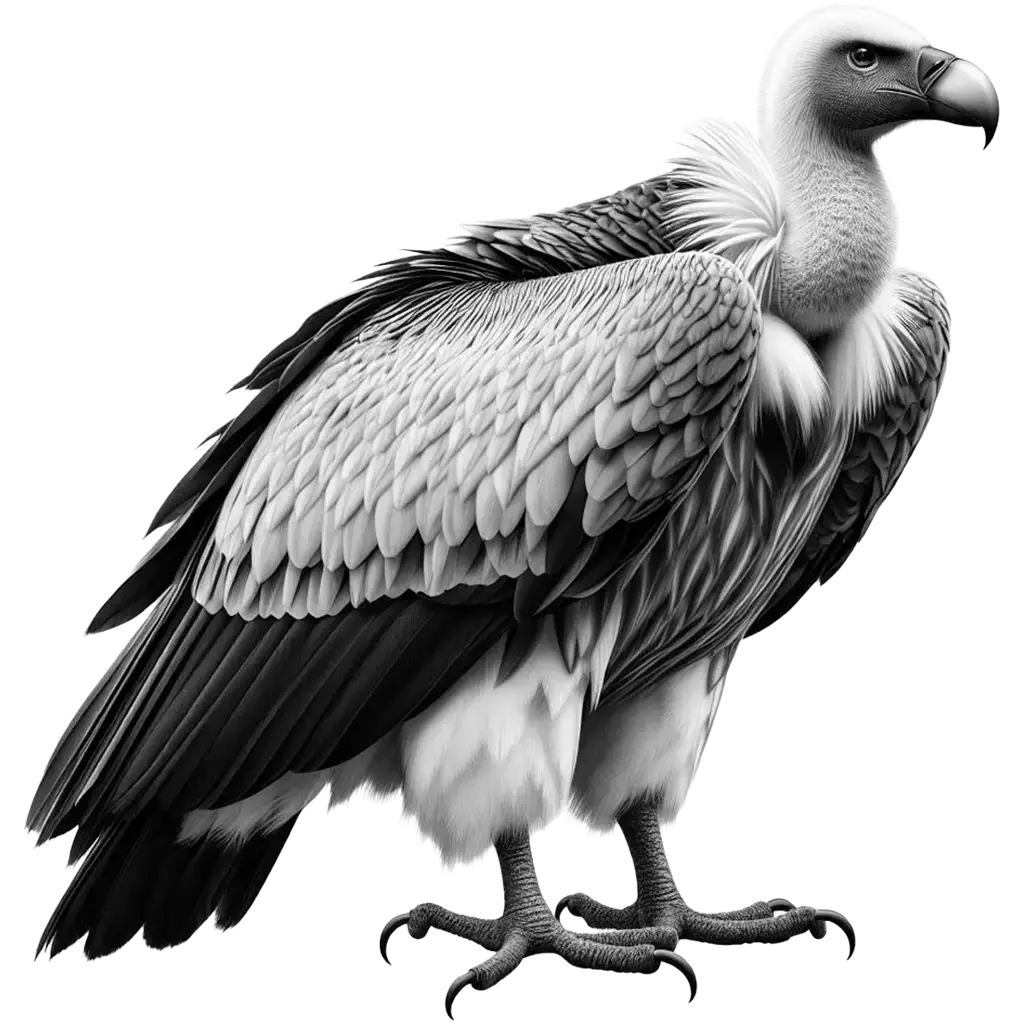
The Eurasian Griffon Vulture, gyps fulvus, is a majestic bird of prey, known for its impressive size and soaring flight. This species is one of the larger vultures, with a wingspan ranging from 230 to 280 centimeters (7.5 to 9.2 feet), and weighs between 6 to 11 kilograms (13 to

The Mississippi Kite, ictinia mississippiensis, is a sleek, medium-sized raptor known for its graceful flight and distinctive appearance. Adults exhibit a light gray plumage with darker gray wings and tail, and a nearly white head and underparts. Their wings are long and pointed, ideal for soaring and gliding in search
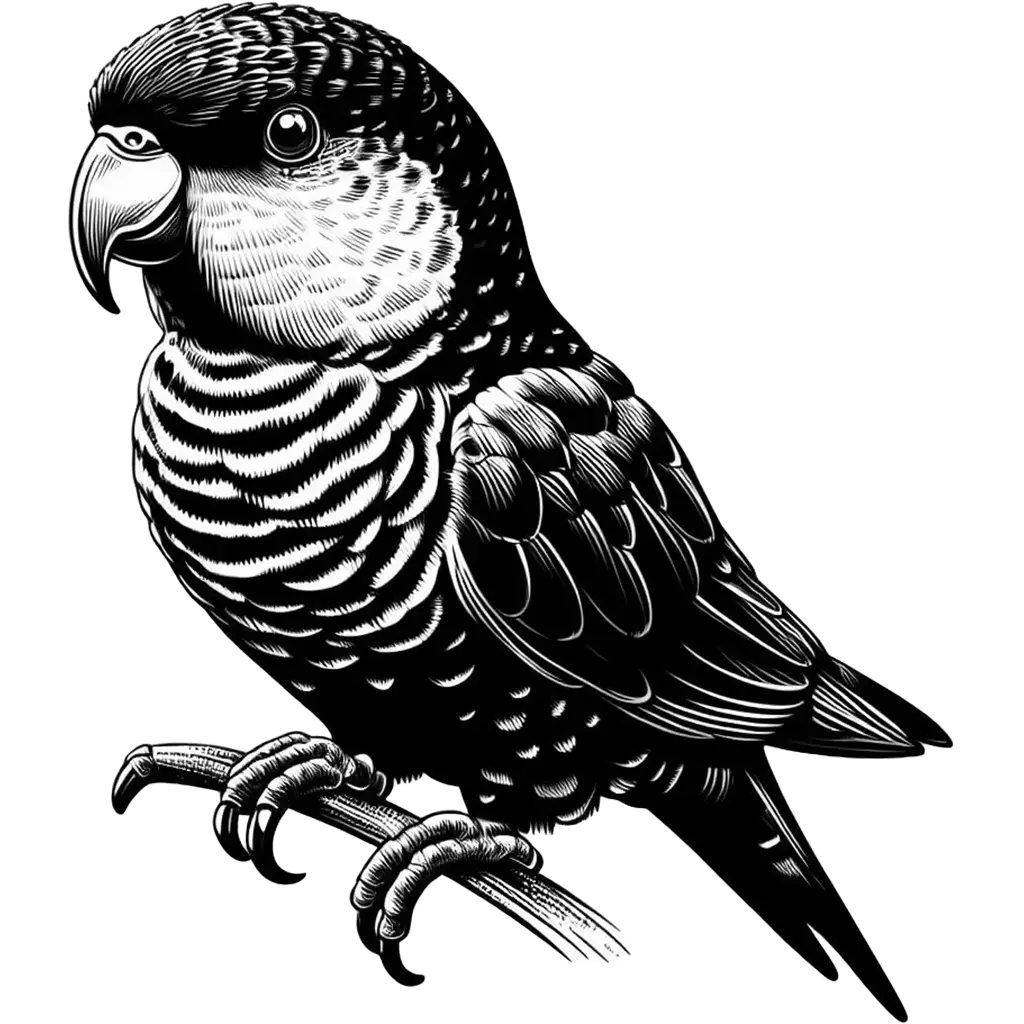
The Coconut Lorikeet, trichoglossus haematodus, is a vibrant, medium-sized parrot native to a wide range of habitats across Southeast Asia, Oceania, and parts of East Indonesia. Characterized by its bright green plumage, blue head, and red and yellow breast, this bird is a striking sight in its natural environment. Adults