
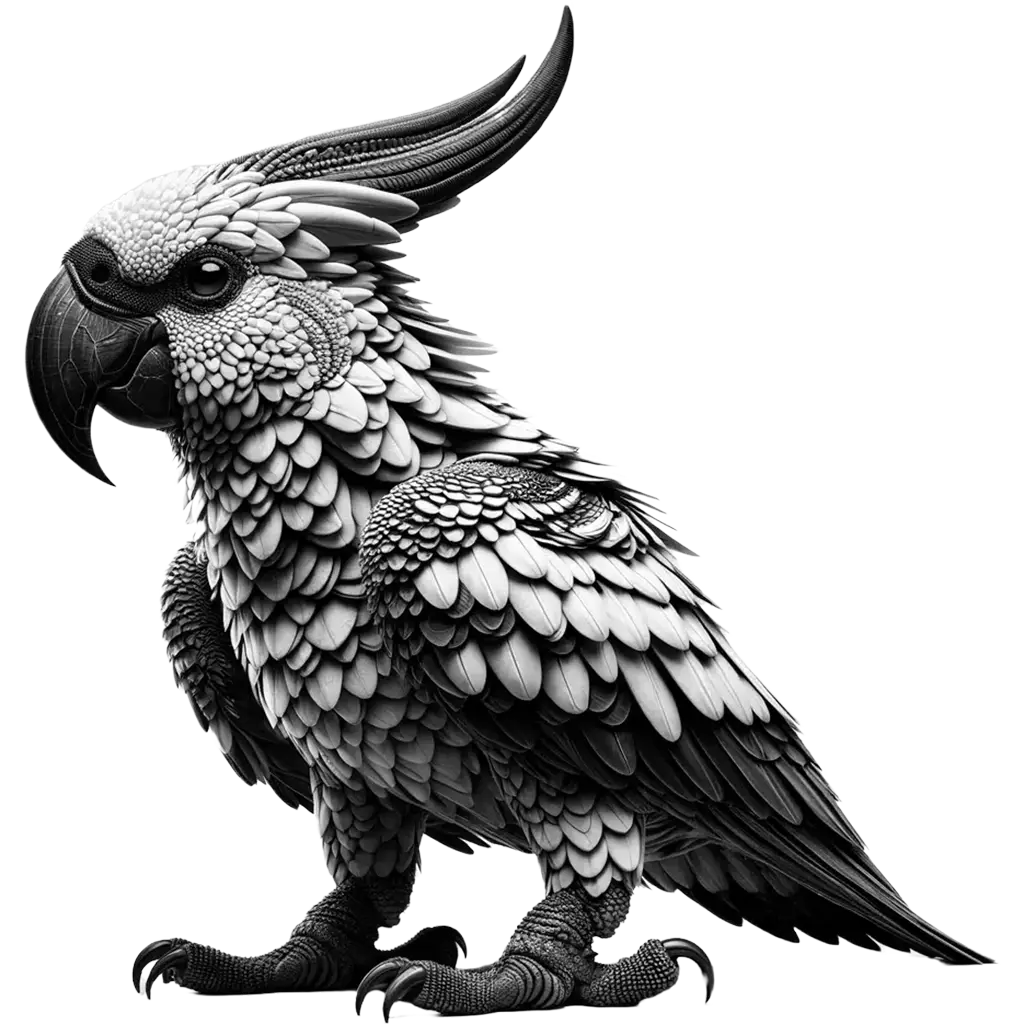
Eunymphicus Cornutus
Horned Parakeet
Dense forest and woodland areas, particularly in regions with rich undergrowth
The Horned Parakeet, eunymphicus cornutus, is a vibrantly colored bird, distinguished by its unique red and blue facial markings and the notable horn-like feathers protruding from its head. This medium-sized parakeet, measuring around 32 cm in length, boasts a predominantly green plumage that blends seamlessly with the lush foliage of its habitat. The striking contrast of its bright facial colors and the delicate, elongated feathers atop its head make it a standout species among parakeets. Native to New Caledonia, its appearance not only reflects its tropical origins but also serves as a key identifier among species.
| Population: | Classified as Near Threatened, with declining populations due to habitat loss and introduced predators |
| Generation Length: | 5 years |
| Average Weight: | Approximately 100-130 grams |
| Average Length: | 32 cm, including the tail |
| Lifespan: | Up to 15-20 years in captivity; lifespan in the wild is less documented |
| Diet: | Primarily seeds and nuts, supplemented with fruits and insects |
| Conservation Status: | Vulnerable (VU) |
The Horned Parakeet leads a relatively secretive life within the dense forest canopies of New Caledonia, making it a less frequently observed species. These birds are known for their strong pair bonds, often seen in pairs or small family groups. They exhibit a range of vocalizations used for communication within the dense forests they inhabit. Despite their vibrant appearance, they can be surprisingly difficult to spot among the foliage. Their behavior includes a diet that primarily consists of seeds, fruits, and flowers, foraging in the treetops where their camouflage is most effective.
Diet-wise, the Horned Parakeet feeds on a variety of seeds, fruits, and blossoms, which they skillfully extract with their beaks. This diet reflects the biodiversity of their forest habitats, depending on the seasonal availability of food sources. Their feeding habits play a crucial role in the dispersal of seeds, contributing to the regeneration of their forest environment and maintaining its health and diversity.
Mating in Horned Parakeets involves elaborate displays and vocalizations, with the male showcasing his colorful plumage and horn-like feathers to attract a mate. They are monogamous, with pairs forming strong, lasting bonds. Nesting typically occurs in tree cavities, where the female lays and incubates the eggs, while the male provides food. This nesting strategy helps protect their offspring from predators and the elements.
The population of the Horned Parakeet is considered vulnerable due to habitat loss, introduced predators, and possibly the pet trade. Their restricted range on New Caledonia makes them susceptible to environmental changes and human activities. Conservation efforts are crucial to protect their habitats and ensure the survival of this unique species. Protecting these birds not only helps preserve biodiversity but also the ecological balance of their native forests.
Classifications
The Key Attributes
Features
- Movement:
Flight
- Territorial Behavior:
Somewhat territorial, often found in pairs or small family groups
- Speed:
Not specifically quantified; capable of agile flight through forest canopies
- Diet:
Herbivore
- Physical Features:
- Bright green plumage with red and blue markings
- Distinctive black 'horns' of elongated feathers above the eyes
- Long tail feathers
- Strong, curved beak for cracking nuts and seeds
- Primary Senses:
- Sight
- Hearing
- Taste
Understanding Habitat and Range
Geography
- Habitat:
Dense forest and woodland areas, particularly in regions with rich undergrowth
- Migration Patterns:
Generally sedentary, with some local movements for food
- Geographical Range:
Endemic to New Caledonia in the South Pacific
- Climate Preferences:
Tropical and subtropical climates
Navigating the Wilderness
In the wild
- Predators:
Introduced predators like rats and cats
- Prey:
Seeds, nuts, fruits
- Feeding Behavior:
Feeds on a variety of seeds, nuts, fruits, and occasionally insects
- Diet:
Primarily seeds and nuts, supplemented with fruits and insects
- Defensive Mechanisms:
- Camouflage within foliage
- Flight to escape predators
- Using dense vegetation for protection
- Preferred Food Sources:
- Native seeds and nuts
- Fruits from forest trees
Insights Into Reproduction
Mating
- Mating System:
Monogamous
- Number of Offspring:
Typically 2-4 eggs per clutch
- Incubation Period:
About 20-30 days
- Parental Involvement:
- Both parents share in incubating the eggs and feeding the chicks
Youngsters Section
Horned Parakeet
Fun Fact
Horned Parakeets have unique feather "horns" on their heads, making them easily recognizable.
These striking parrots are native to New Caledonia and prefer forested habitats. Their diet mainly consists of seeds, fruits, and insects. They are known for their social behavior, often found in pairs or small groups. Conservation efforts are essential due to habitat loss and introduced predators.

Download word search puzzles
Word Search Puzzles
Check Out Other Birds
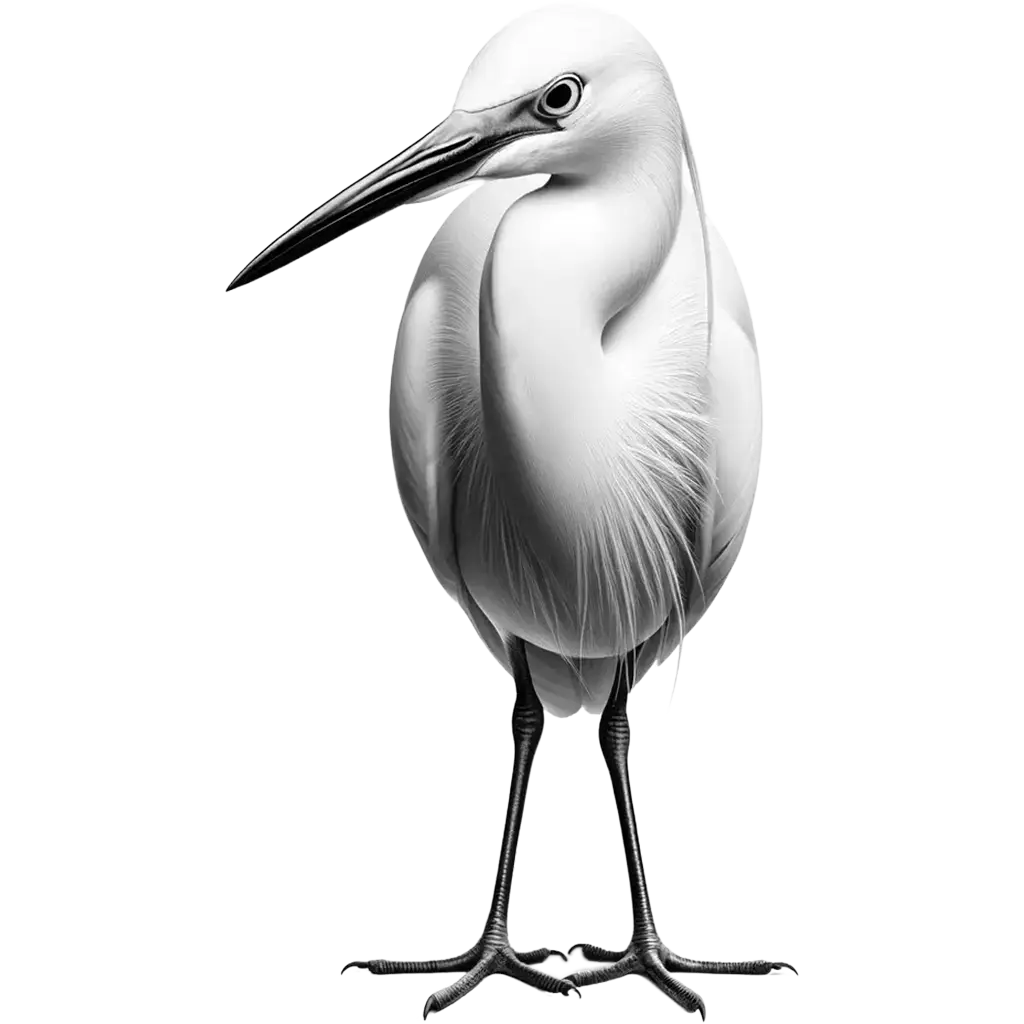
The Little Egret, egretta garzetta, is a small, graceful heron renowned for its brilliant white plumage, slender black bill, and long black legs, with distinctive yellow feet. Measuring approximately 55 to 65 cm in length with a wingspan of 88 to 106 cm, this bird possesses an elegant neck and
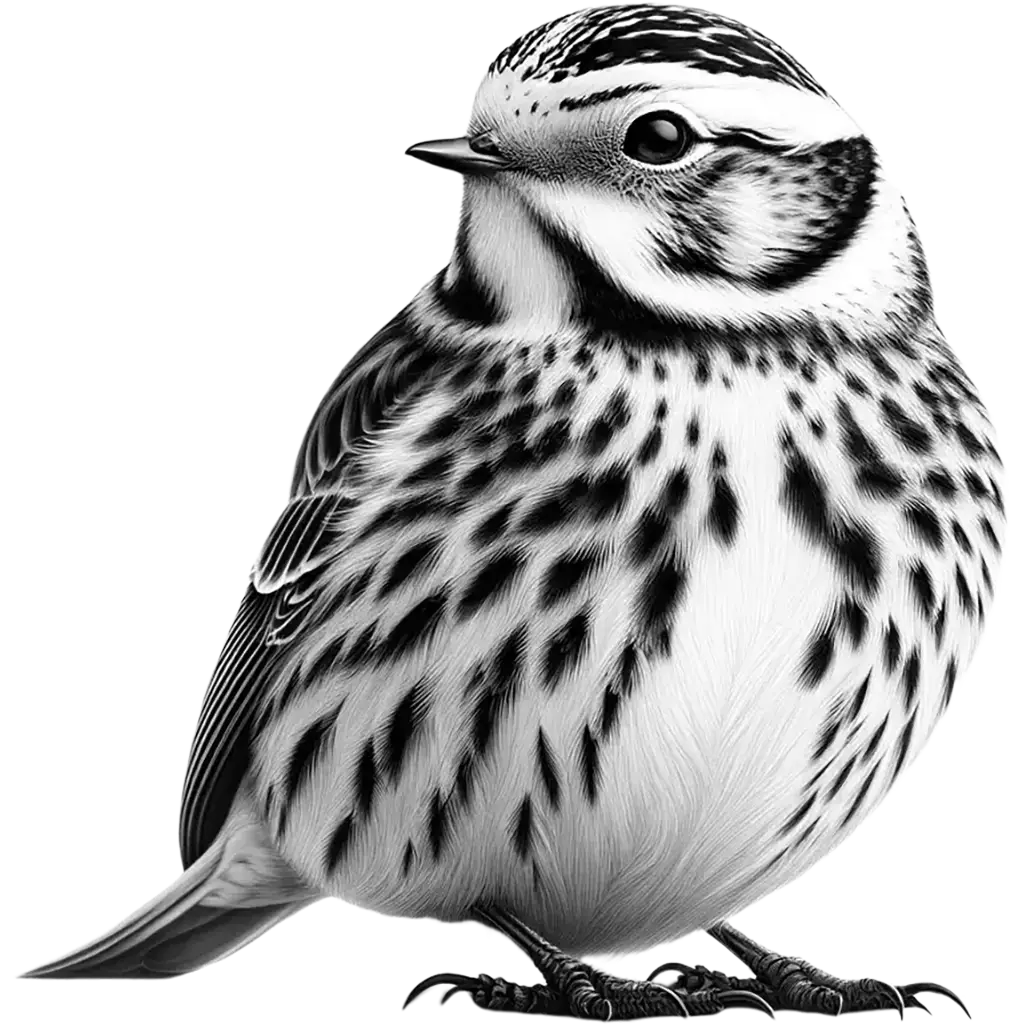
The Lapland Longspur, calcarius lapponicus, is a small, hardy bird known for its distinctive plumage and far-reaching migrations. This species exhibits a remarkable adaptation to cold environments, breeding in the Arctic tundra of North America, Europe, and Asia, and wintering in temperate and even subtropical regions. Adults typically measure about
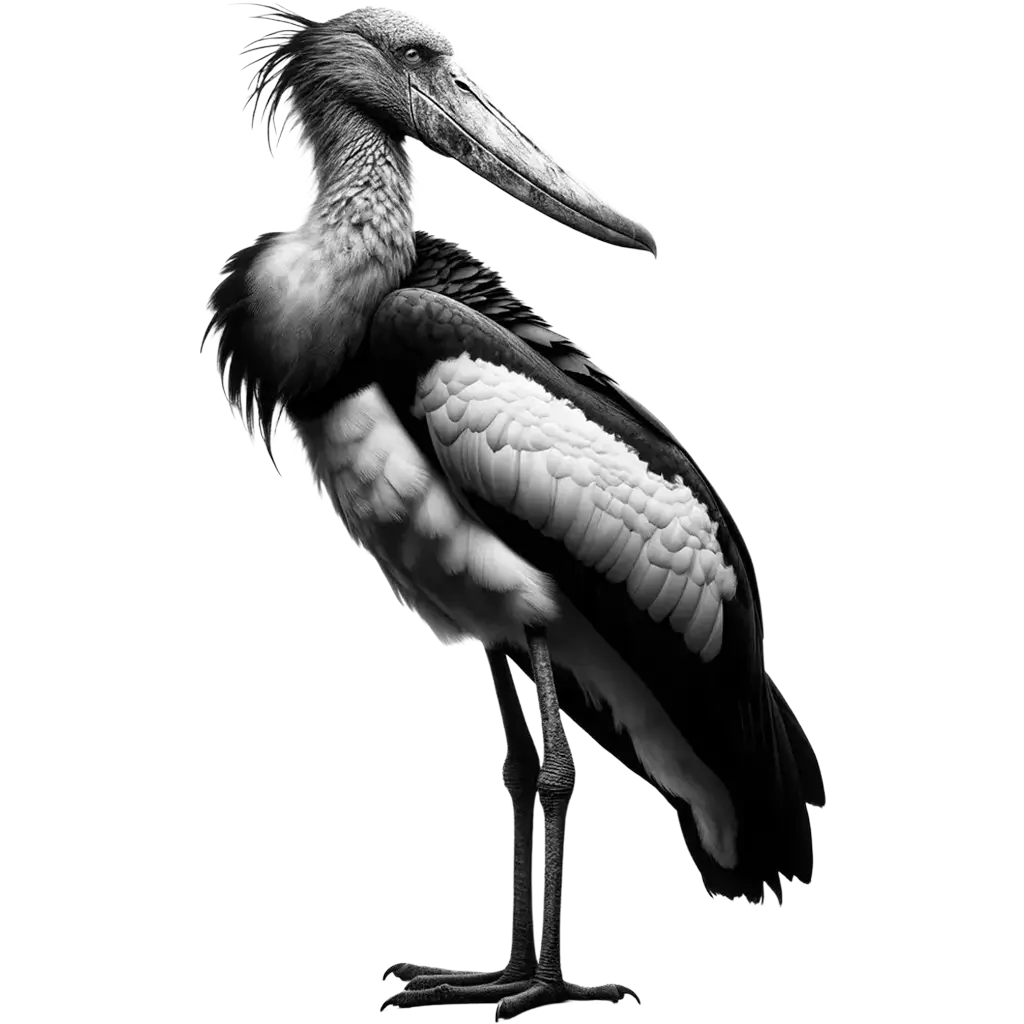
The Greater Adjutant, leptoptilos dubius, is a large stork standing at an impressive height of up to 1.5 meters with a wingspan reaching 2.5 meters. Its appearance is distinctive with a bald head and neck, a heavy bill, and a predominantly dark grey plumage, except for the white underparts. The
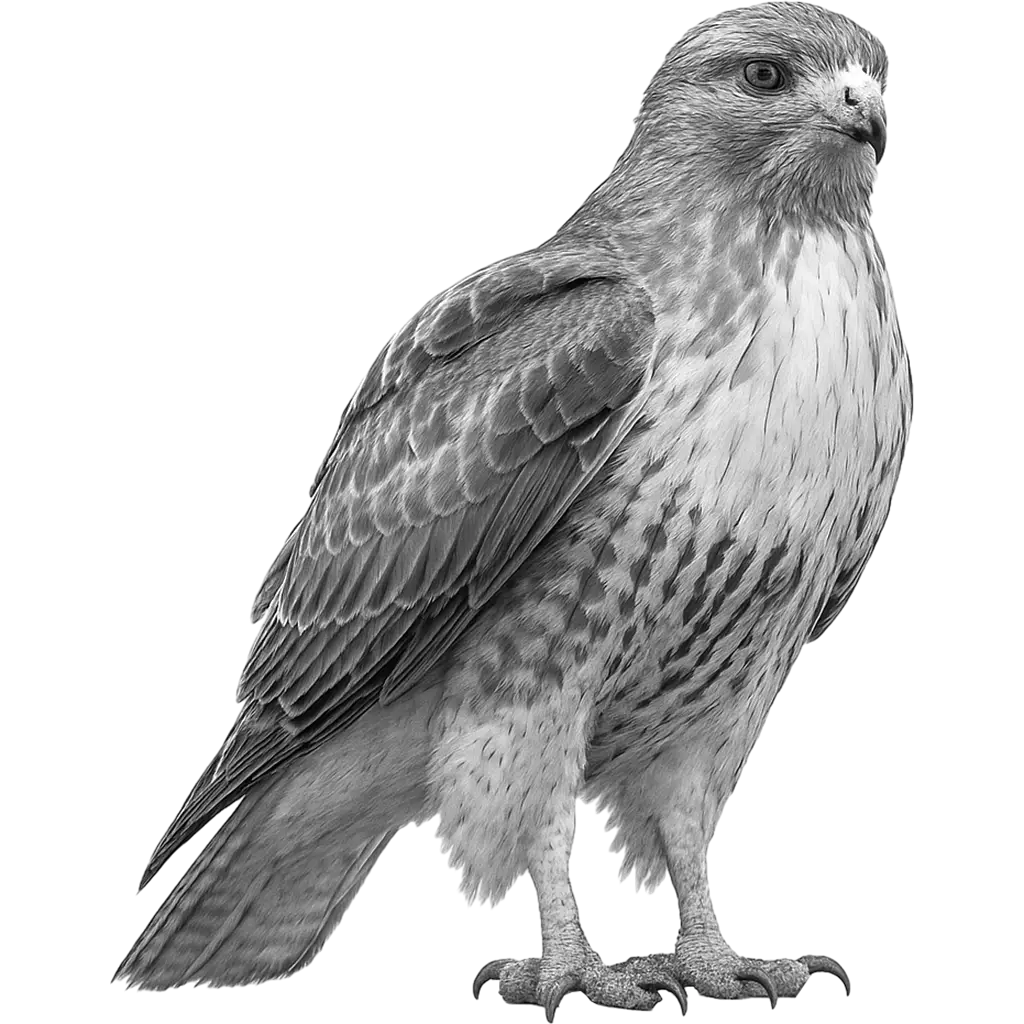
The Red-tailed Hawk is a robust raptor measuring 45 to 65 centimeters from head to tail, with a wingspan of 110 to 141 centimeters. Its plumage varies from rich brown on the upperparts to pale underparts streaked with dark bands. Adults feature a distinctive brick-red tail, broad rounded wings, and