
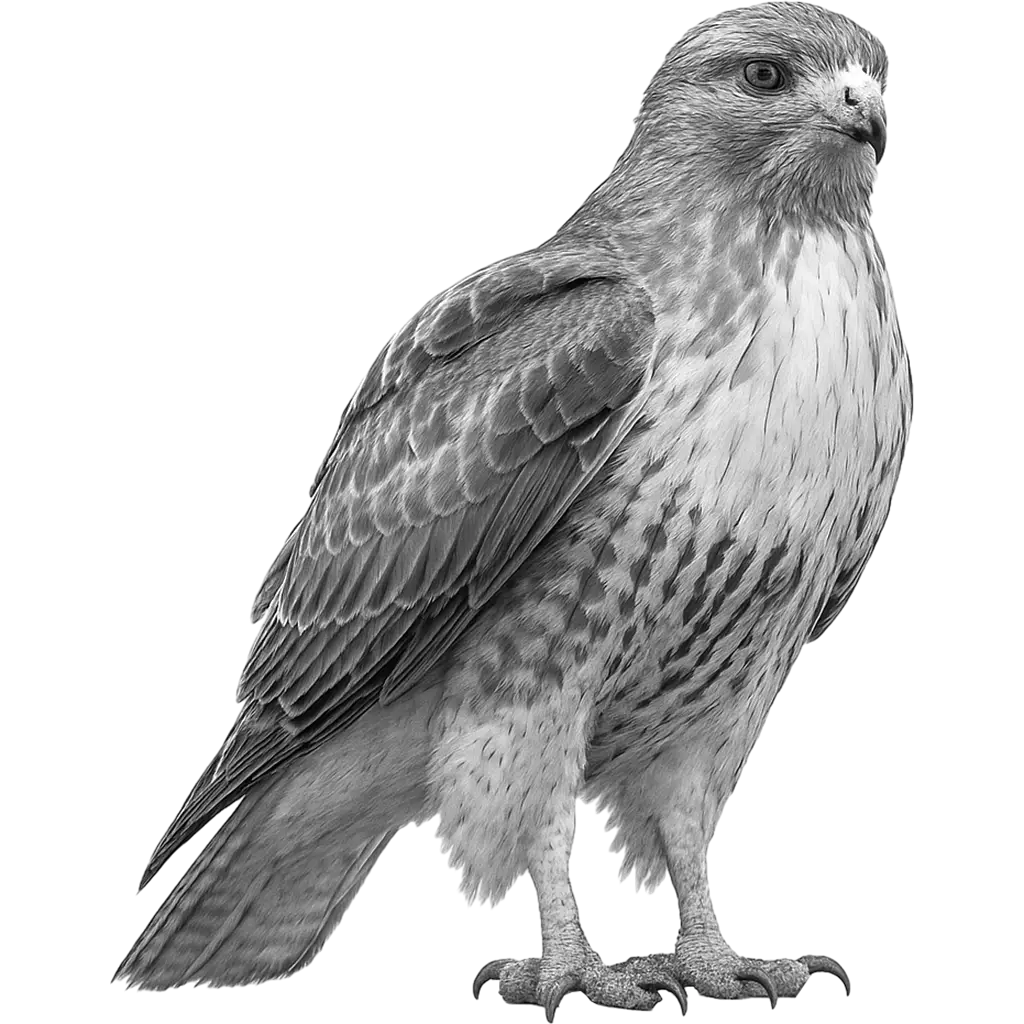
Buteo Jamaicensis
Red-Tailed Hawk
Open fields, woodlands, deserts, and urban areas
The Red-tailed Hawk is a robust raptor measuring 45 to 65 centimeters from head to tail, with a wingspan of 110 to 141 centimeters. Its plumage varies from rich brown on the upperparts to pale underparts streaked with dark bands. Adults feature a distinctive brick-red tail, broad rounded wings, and a yellow cere above a hooked dark bill. It has a broad head with keen yellow eyes and a thick neck. Sharp talons and powerful legs complete its formidable appearance.
| Population: | Widespread and common across North America; global population in the millions and increasing |
| Generation Length: | 9.2 years |
| Average Weight: | 690-1600 grams |
| Average Length: | 45-65 cm |
| Lifespan: | 10-21 years in the wild, up to 28 years in captivity |
| Diet: | Primarily small mammals (rodents), supplemented by birds, reptiles, and insects |
| Conservation Status: | Least Concern (LC) |
The Red-tailed Hawk is an opportunistic predator found across diverse habitats, including open fields, woodland edges, deserts, and urban areas. It is primarily diurnal, spending daylight hours perched on tree branches, utility poles, or high vantage points scanning for prey below. When hunting, it employs a sit-and-wait strategy, dropping swiftly or soaring high on thermals before diving to capture prey. This species exhibits strong territorial behavior, with breeding pairs defending nest sites vigorously against intruders. Although largely solitary, red-tailed hawks occasionally roost communally outside of the breeding season. They acclimate readily to human-altered landscapes and may be seen nesting on buildings, highway signs, and other structures that mimic natural ledges. Seasonal migrants in northern populations travel south in winter, while southern residents remain year-round, adjusting local movements to resource availability.
Red-tailed Hawks have a highly varied diet but prefer small to medium-sized mammals such as voles, rabbits, and squirrels. They also capture birds, reptiles, and large insects when available. Hunting methods include watching from a perch and swooping onto ground prey, as well as gliding low over fields to ambush rodents. After seizing prey with powerful talons, the hawk carries it to a perch to tear the meal into pieces with its hooked bill. Nutritionally, the high-protein content of mammalian prey supports muscle maintenance and energetic flight, while occasional consumption of carrion and insects provides dietary flexibility during scarce seasons. Adults may consume up to 150 grams of prey daily to meet energy demands, especially during breeding or migration. Their digestive system efficiently extracts nutrients from bone, muscle, and organs. Juveniles often rely on parental provisioning until they master independent foraging skills.
Red-tailed Hawks form monogamous pairs each breeding season, engaging in elaborate aerial courtship flights that include synchronized dives and talon-locking displays. Nesting occurs in large stick platforms built in tall trees, cliffs, or human-made structures. Females lay one to five pale bluish-white eggs, which both parents incubate for 28 to 35 days. After hatching, both adults feed and protect the chicks until fledging in about six to seven weeks.
The global population of Red-tailed Hawks is estimated in the millions, with stable or increasing trends due to adaptability to diverse and human-altered habitats. They are classified as Least Concern by the IUCN and benefit from legal protections under the Migratory Bird Treaty Act. Local populations may fluctuate seasonally with prey availability and weather conditions, but no significant long-term declines have been reported across their broad North and Central American range.
Classifications
The Key Attributes
Features
- Movement:
Flight
- Territorial Behavior:
Territorial, especially during breeding season
- Speed:
Up to 120 km/h when stooping
- Diet:
Carnivore
- Physical Features:
- Brick-red tail
- Broad rounded wings
- Pale underparts with dark belly band
- Sharp hooked bill
- Powerful talons
- Primary Senses:
- Sight
- Hearing
Understanding Habitat and Range
Geography
- Habitat:
Open fields, woodlands, deserts, and urban areas
- Migration Patterns:
Partial migrant; northern populations migrate south in winter
- Geographical Range:
North and Central America, from Alaska and Canada to Panama and the West Indies
- Climate Preferences:
Temperate to tropical climates
Navigating the Wilderness
In the wild
- Predators:
Large raptors and mammals threaten eggs and young; adults have few predators
- Prey:
Small mammals, birds, reptiles, and large insects
- Feeding Behavior:
Perch-hunting and soaring hunts
- Diet:
Primarily small mammals (rodents), supplemented by birds, reptiles, and insects
- Defensive Mechanisms:
- Camouflage
- Rapid flight
- Vigilant perching
- Preferred Food Sources:
- Mice
- Rabbits
- Squirrels
- Birds
Insights Into Reproduction
Mating
- Mating System:
Monogamous
- Number of Offspring:
1-5 eggs per clutch
- Incubation Period:
28-35 days
- Parental Involvement:
- Both parents incubate and feed chicks
Youngsters Section
Red-Tailed Hawk
Fun Fact
Red-tailed Hawks are the most common hawk in North America.
They perform spectacular aerial courtship displays, locking talons mid-dive, then calling loudly during flight. Known for their distinctive 'kee-eeeee-arr' scream, they exploit thermal updrafts to soar for hours without flapping and cover vast distances.

Download word search puzzles
Word Search Puzzles
Check Out Other Birds
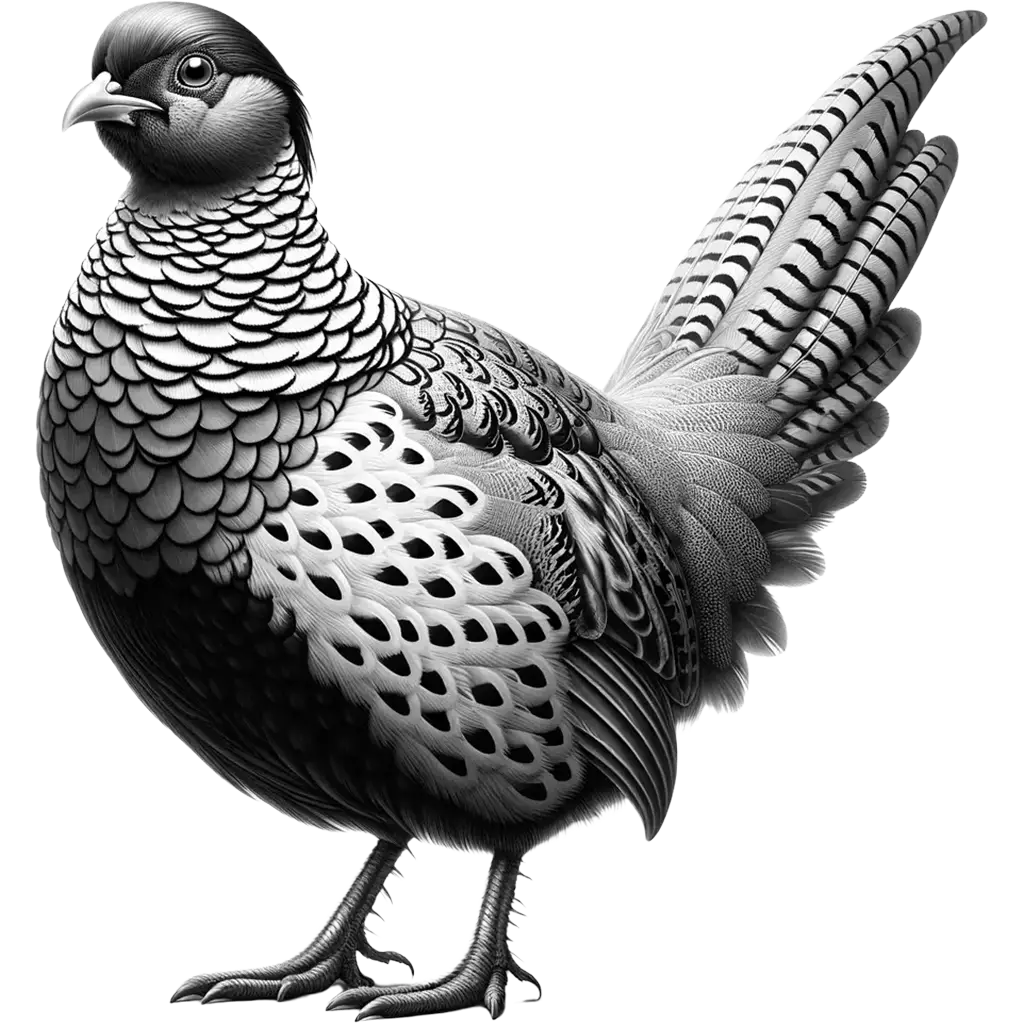
The Reeves's Pheasant, syrmaticus reevesii, is a magnificent bird known for its extraordinary tail length and striking plumage. Males are particularly notable, with tails that can reach up to 2.4 meters in length, making them one of the longest-tailed pheasants in the world. The male's plumage is a vibrant mix
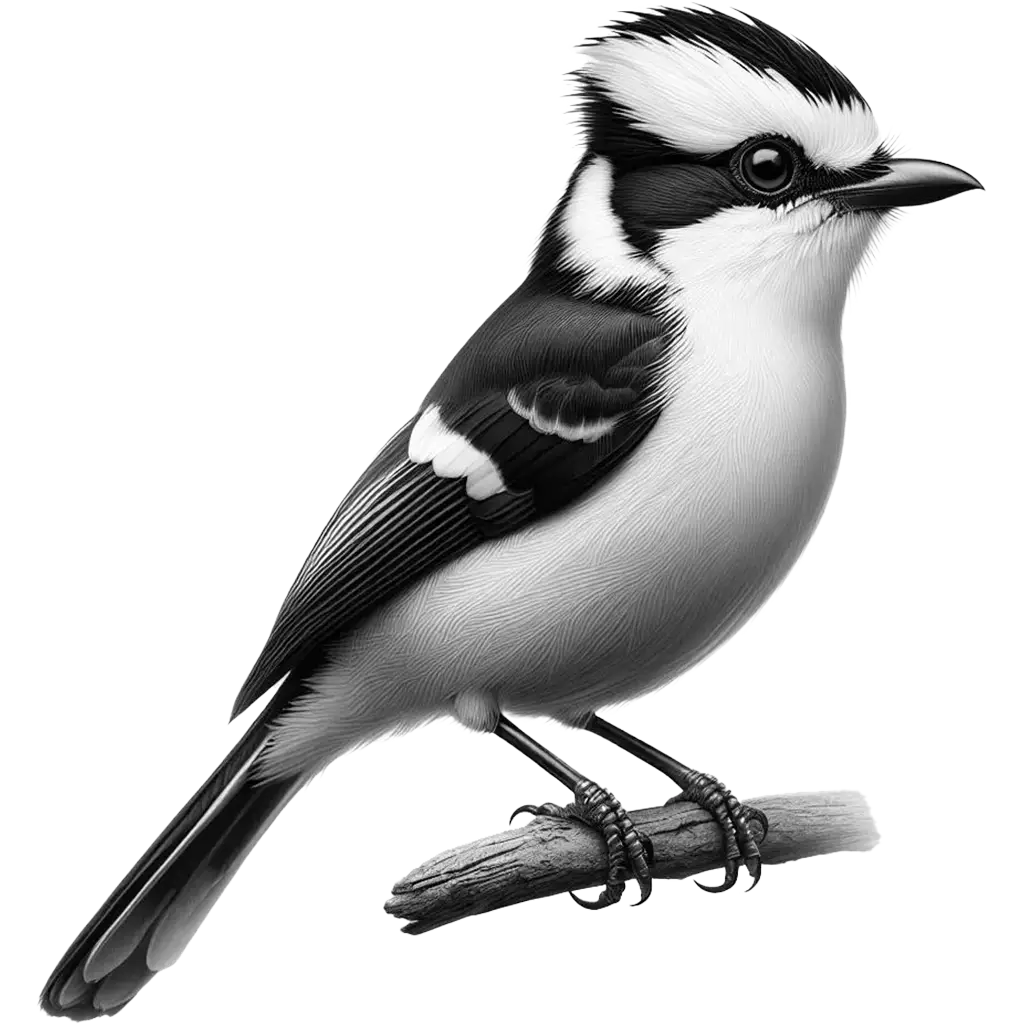
The White-Crested Helmetshrike, prionops plumatus, is a striking bird characterized by its prominent white crest, which contrasts beautifully with its predominantly black body, grayish-white underparts, and vivid yellow eye wattle. Its slender, hook-tipped bill is adept for foraging, and the bird's overall length ranges from 19 to 24 cm, making
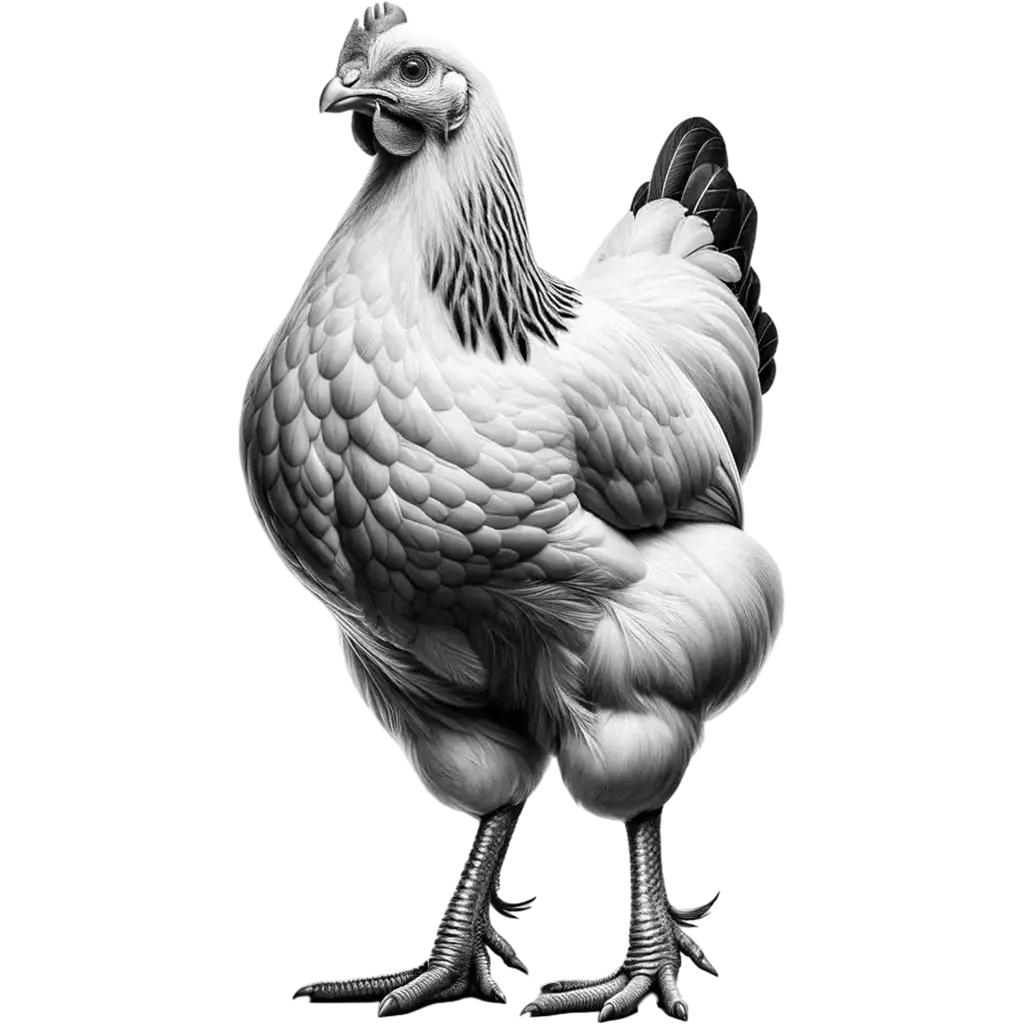
The Jersey Giant, developed in the United States in the late 19th century, is the largest breed of chicken known for its substantial size and impressive stature. Originating from New Jersey, this breed was initially bred to replace the turkey as the premier source of meat poultry. Adult Jersey Giants
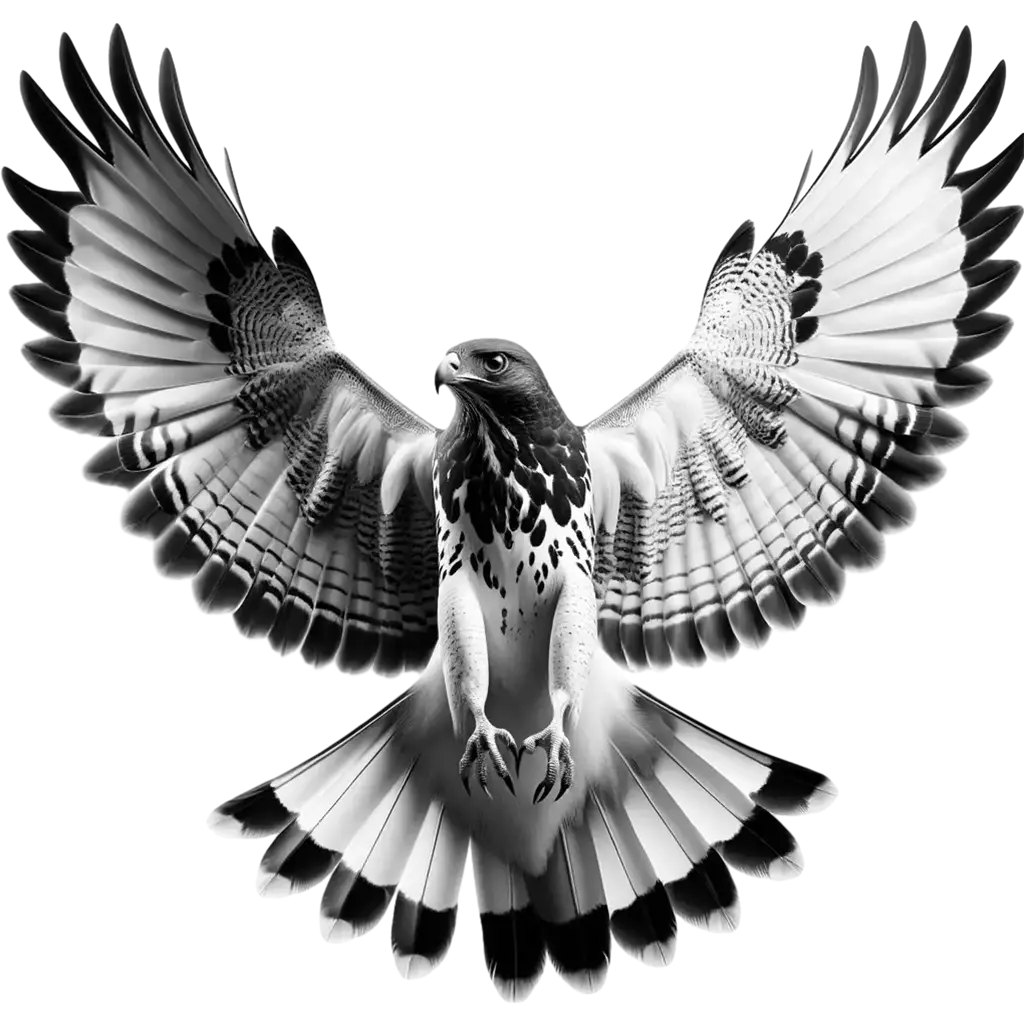
The European Honey Buzzard, pernis apivorus, is a medium-sized bird of prey, distinguished by its striking appearance and specialized diet. Adults typically feature a broad range of plumage variations, from light to dark morphs, but generally have a grayish-brown body, with paler underparts and a distinctive head pattern resembling a