

Pernis Apivorus
European Honey Buzzard
Woodlands, forests, and open country with access to trees for nesting
The European Honey Buzzard, pernis apivorus, is a medium-sized bird of prey, distinguished by its striking appearance and specialized diet. Adults typically feature a broad range of plumage variations, from light to dark morphs, but generally have a grayish-brown body, with paler underparts and a distinctive head pattern resembling a hood. Their wings are long and broad, ideal for soaring, with a wingspan of about 135 to 150 cm. This bird's keen eyes are adapted for spotting prey from high above, and its slender, hooked beak is perfectly designed for extracting larvae from nests.
| Population: | Not currently considered threatened, with a stable population |
| Generation Length: | 5-6 years |
| Average Weight: | Approximately 0.5-1.2 kg |
| Average Length: | 52-60 cm, with a wingspan of 135-150 cm |
| Lifespan: | Up to 16 years in the wild |
| Diet: | Primarily larvae, supplemented with a variety of small animals |
| Conservation Status: | Least Concern (LC) |
The European Honey Buzzard leads a remarkable lifestyle, particularly noted for its migratory habits. These birds breed across Europe and Asia, preferring deciduous or mixed woodland habitats, and migrate to sub-Saharan Africa to overwinter. They are solitary for most of the year except during breeding season. Uniquely adapted to feed primarily on wasp and bee larvae, their presence in an area can indicate the health of the local insect population. They are skilled at avoiding stings, using their long claws to dig into nests and their thick plumage as protection.
Dietarily, the Honey Buzzard relies heavily on the larvae of wasps and bees, a preference that sets it apart from other birds of prey. This diet requires a highly specialized foraging behavior, where the birds use their acute sense of hearing and sight to locate nests. In addition to wasp and bee larvae, they occasionally eat small mammals, birds, and reptiles, but such items constitute a minor part of their diet. This specialized feeding habit allows them to occupy a niche with relatively little competition from other predators.
Mating and reproduction in Honey Buzzards are characterized by spectacular aerial displays, with males performing high-altitude flights and dives to attract females. Nests are usually built in tall trees, where the female lays 1 to 3 eggs. Both parents are involved in raising the offspring, with the male primarily hunting to feed the family. This collaborative effort ensures the survival and health of the young until they fledge. The breeding season, while relatively brief, is a critical time for establishing territory and nurturing the next generation.
The population of the European Honey Buzzard is considered stable across its extensive range, though it faces threats from habitat loss and disturbance, especially in breeding areas. Conservation efforts, including habitat protection and monitoring of migratory patterns, are vital to sustaining their populations. Despite these challenges, the species has shown resilience, thanks in part to its broad diet and adaptability in various habitats. The Honey Buzzard's role in controlling wasp and bee populations further underscores its ecological importance.
Classifications
The Key Attributes
Features
- Movement:
Flight
- Territorial Behavior:
Somewhat territorial, particularly during breeding season
- Speed:
Not specifically quantified; capable of soaring and gliding for long distances
- Diet:
Omnivore, with a preference for wasp and bee larvae
- Physical Features:
- Long tail and broad wings
- Varied plumage, typically light underneath with darker upperparts
- Yellow legs and cere
- Hooked beak for tearing
- Primary Senses:
- Sight
- Hearing
Understanding Habitat and Range
Geography
- Habitat:
Woodlands, forests, and open country with access to trees for nesting
- Migration Patterns:
Migratory, spending summers in Europe and winters in Africa
- Geographical Range:
Breeds in Europe and the western Palearctic, winters in sub-Saharan Africa
- Climate Preferences:
Temperate during breeding season, tropical during winter
Navigating the Wilderness
In the wild
- Predators:
Large birds of prey and owls may prey on young or eggs
- Prey:
Wasp and bee larvae, occasionally small mammals, birds, and other insects
- Feeding Behavior:
Specialized feeder, hunting primarily wasp and bee nests to feed on larvae
- Diet:
Primarily larvae, supplemented with a variety of small animals
- Defensive Mechanisms:
- Soaring flight to escape predators
- Camouflage in vegetation
- Preferred Food Sources:
- Wasp nests
- Bee nests
Insights Into Reproduction
Mating
- Mating System:
Monogamous
- Number of Offspring:
1-3 eggs
- Incubation Period:
About 33-35 days
- Parental Involvement:
- Both parents share in feeding the young, with the male providing food to the female and young
Youngsters Section
European Honey Buzzard
Fun Fact
The European Honey Buzzard is a unique raptor that primarily feeds on wasp and bee larvae.
Despite its name, this bird is not related to true buzzards. It has specialized scales on its face to protect against stings. These birds migrate long distances, traveling from Europe to Africa for the winter. They are adept at using thermal currents to soar effortlessly.

Download word search puzzles
Word Search Puzzles


Check Out Other Birds
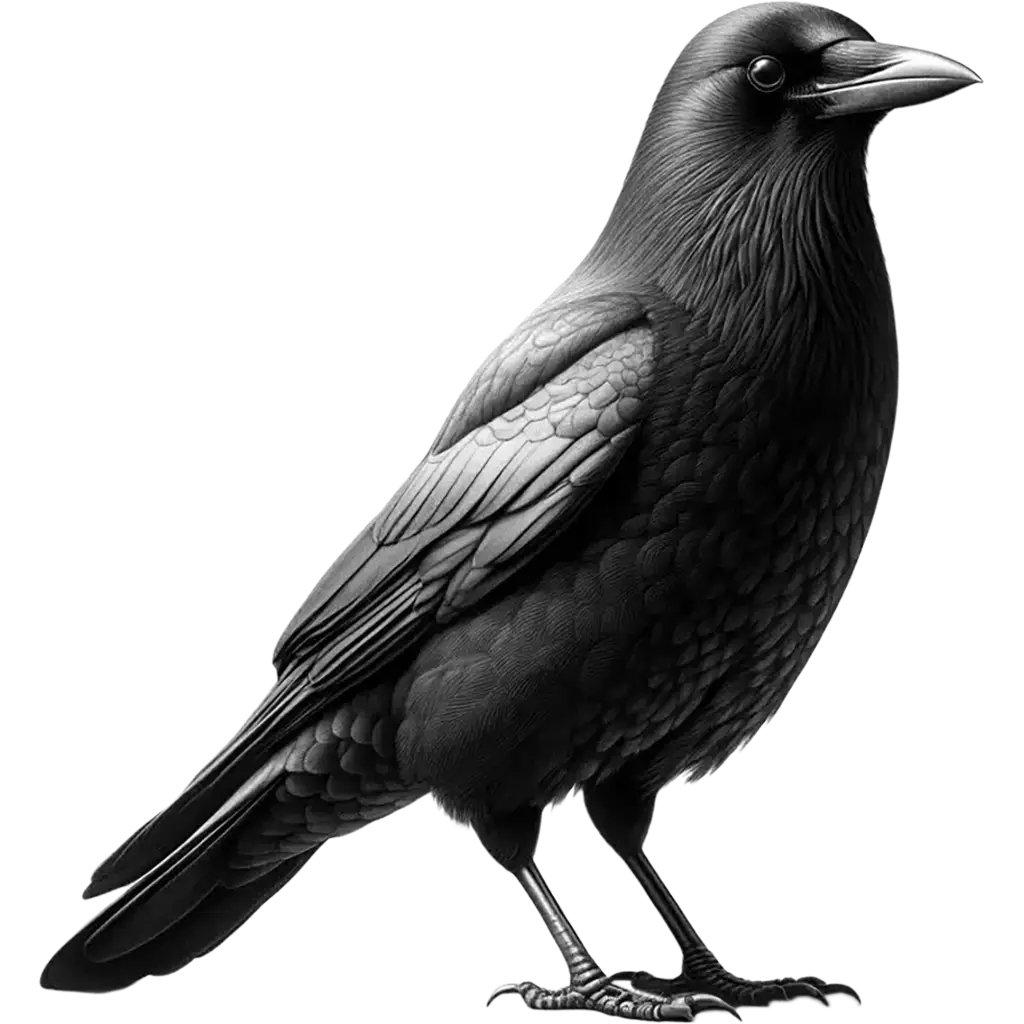
The Little Crow, corvus bennetti, is a species of bird found primarily in Australia, notable for its adaptability and resilience in various environments. This bird is smaller than other crows, measuring approximately 48 cm in length, with a sleek, all-black plumage that may appear slightly brown in direct sunlight. The

The Great Spotted Cuckoo, clamator glandarius, is a distinctive bird known for its striking appearance and brood parasitism behavior. Adults typically measure 35 to 40 cm in length, making them one of the larger species within the cuckoo family. They boast a predominantly grey body, with a long, dark tail

The Malachite Kingfisher, corythornis cristatus, is a small, vibrantly colored bird, renowned for its brilliant plumage and striking appearance. Measuring approximately 13 cm in length and weighing around 17 grams, this bird boasts a bright blue to turquoise upper body, with a contrasting rust-orange underparts. A distinctive feature is its
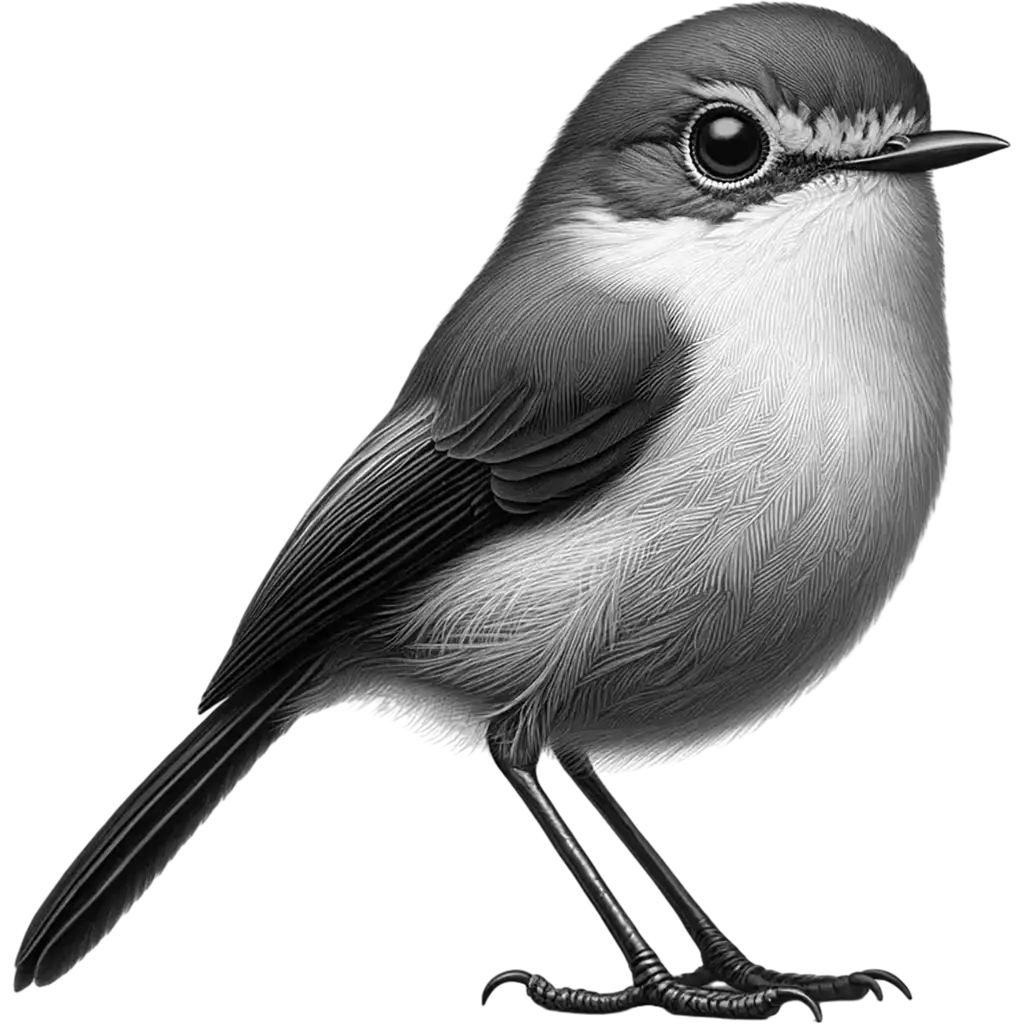
The Thorn-Tailed Rayadito, aphrastura spinicauda, is a small and agile bird native to the temperate forests of southern South America, particularly in Chile and Argentina. This species is easily recognizable by its distinctive tail, which ends in sharp, spine-like feathers, and its robust, rounded body measuring approximately 15 to 16