
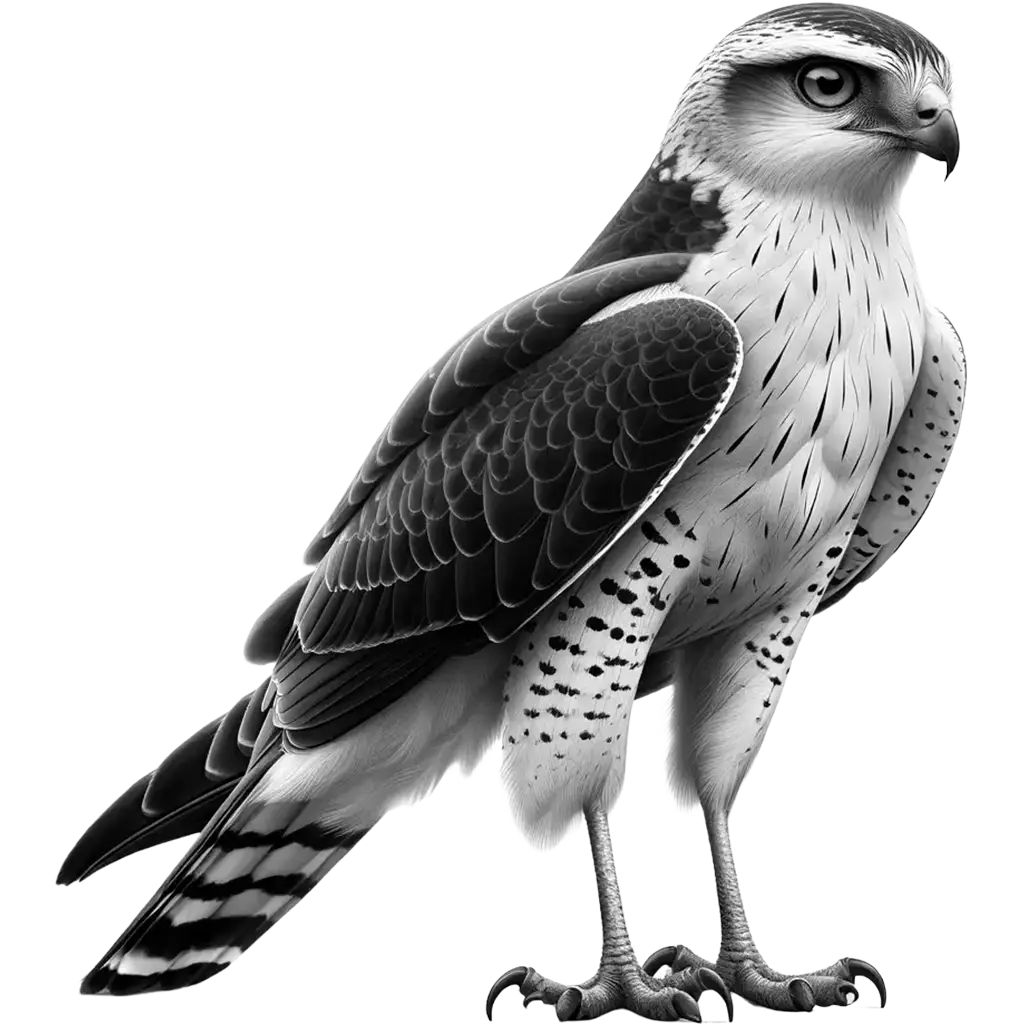
Polyboroides Radiatus
Madagascar Harrier-Hawk
Forests, woodlands, and open areas with scattered trees
The Madagascar Harrier-Hawk, polyboroides radiatus, is a distinctive bird of prey endemic to Madagascar, known for its striking appearance and remarkable flexibility. This medium-sized raptor has a length of about 60 to 66 cm and exhibits a predominantly grey plumage with a white throat and fine black barring on the underparts. Its face is characterized by a bare, yellowish skin patch around the eye, adding to its intense gaze. The harrier-hawk's most notable feature is its long, yellow legs, which, coupled with its double-jointed knees, allow it to extract prey from crevices and holes with unparalleled dexterity.
| Population: | Listed as Near Threatened due to habitat loss and degradation |
| Generation Length: | 5-7 years |
| Average Weight: | Approximately 700-950 grams |
| Average Length: | 55-65 cm |
| Lifespan: | Unknown in the wild, but related species can live up to 15-20 years |
| Diet: | Varied, depending on prey availability |
| Conservation Status: | Least Concern (LC) |
Inhabiting a wide range of environments across Madagascar, from rainforests to arid scrublands, the Madagascar Harrier-Hawk is a versatile predator. It demonstrates remarkable adaptability in its hunting techniques, often seen hanging upside down from branches to probe into nests or crevices with its slender, hooked beak and flexible legs. This bird is solitary or found in pairs, maintaining a large territory where it can be seen soaring high in search of food.
The diet of the Madagascar Harrier-Hawk is diverse, feeding on a variety of small animals including birds, reptiles, and mammals, as well as insects. It is particularly noted for its ability to raid nests for eggs and nestlings, showcasing its specialized hunting behavior. This raptor plays a critical role in controlling the population of its prey species, thereby maintaining the ecological balance within its habitat.
Reproduction for the Madagascar Harrier-Hawk involves building a large stick nest in tall trees, where the female lays 1 to 3 eggs. Both parents share responsibilities in nest construction, incubation, and feeding the young. The breeding season is aligned with the availability of abundant food resources to ensure the successful raising of their chicks.
The population of the Madagascar Harrier-Hawk is currently classified as Near Threatened due to habitat loss and degradation. Deforestation and human encroachment on natural habitats pose significant threats to its survival. Conservation efforts are crucial to protect the remaining forest areas on Madagascar, ensuring the preservation of this unique raptor and the diverse ecosystems it inhabits.
Classifications
The Key Attributes
Features
- Movement:
Flying, soaring
- Territorial Behavior:
Solitary or in pairs, often territorial
- Speed:
Not specifically quantified; known for agile flight and maneuverability
- Diet:
Carnivore
- Physical Features:
- Long legs and a hooked beak
- Grey plumage with white underparts and black flight feathers
- Double-jointed knees allowing them to extract prey from cavities
- Short, broad wings and long tail for maneuvering through trees
- Primary Senses:
- Sight
- Hearing
Understanding Habitat and Range
Geography
- Habitat:
Forests, woodlands, and open areas with scattered trees
- Migration Patterns:
Mostly sedentary, but may move locally in search of food
- Geographical Range:
Endemic to Madagascar
- Climate Preferences:
Prefers tropical and subtropical climates, adaptable to a range of forested habitats
Navigating the Wilderness
In the wild
- Predators:
Not many natural predators due to their size and defensive capabilities; young may be threatened by other large predators
- Prey:
Small birds, mammals, reptiles, and insects
- Feeding Behavior:
Utilizes its unique joint flexibility to hunt birds, small mammals, reptiles, and insects in tree cavities and under bark
- Diet:
Varied, depending on prey availability
- Defensive Mechanisms:
- Agile flight within forests
- Camouflage plumage
- Strong talons and beak for capturing and subduing prey
- Preferred Food Sources:
- Diverse, based on the ecosystem and prey abundance
Insights Into Reproduction
Mating
- Mating System:
Monogamous
- Number of Offspring:
1-2 eggs typically
- Incubation Period:
Around 35-40 days
- Parental Involvement:
- Both parents involved in nesting, incubation, and feeding of the young
Youngsters Section
Madagascar Harrier-Hawk
Fun Fact
The Madagascar Harrier-Hawk can bend its legs in multiple directions, aiding in hunting.
This unique adaptation allows it to reach into crevices and extract prey such as lizards and insects. Its double-jointed knees give it exceptional flexibility, making it a skilled predator in its habitat. This bird's ability to hunt in such a manner is quite rare.

Download word search puzzles
Word Search Puzzles


Check Out Other Birds
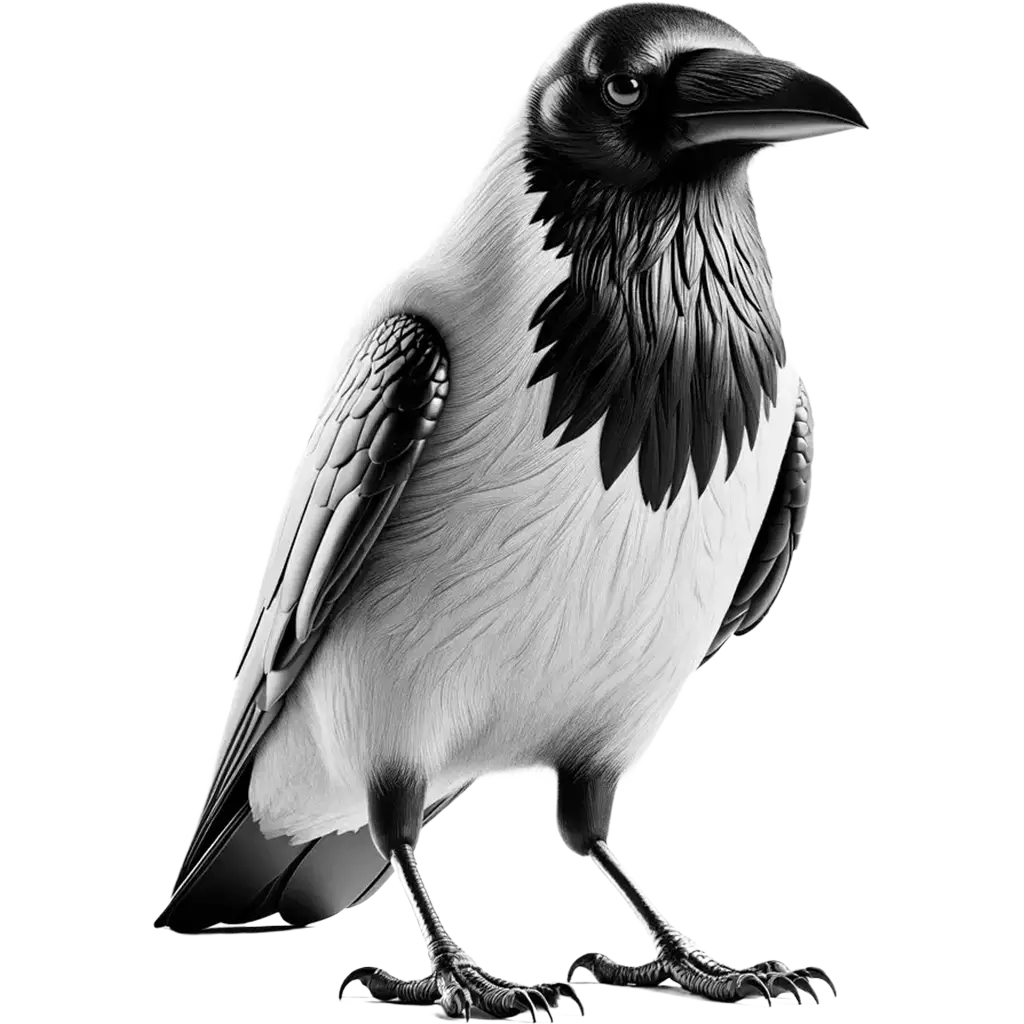
The Carrion Crow, corvus corone, stands out with its all-black plumage, which shimmers with iridescent tones of blue and green in sunlight. This bird is medium-sized, measuring approximately 48 to 52 cm in length, with a robust build and a strong, thick beak suited for its versatile diet. Its piercing
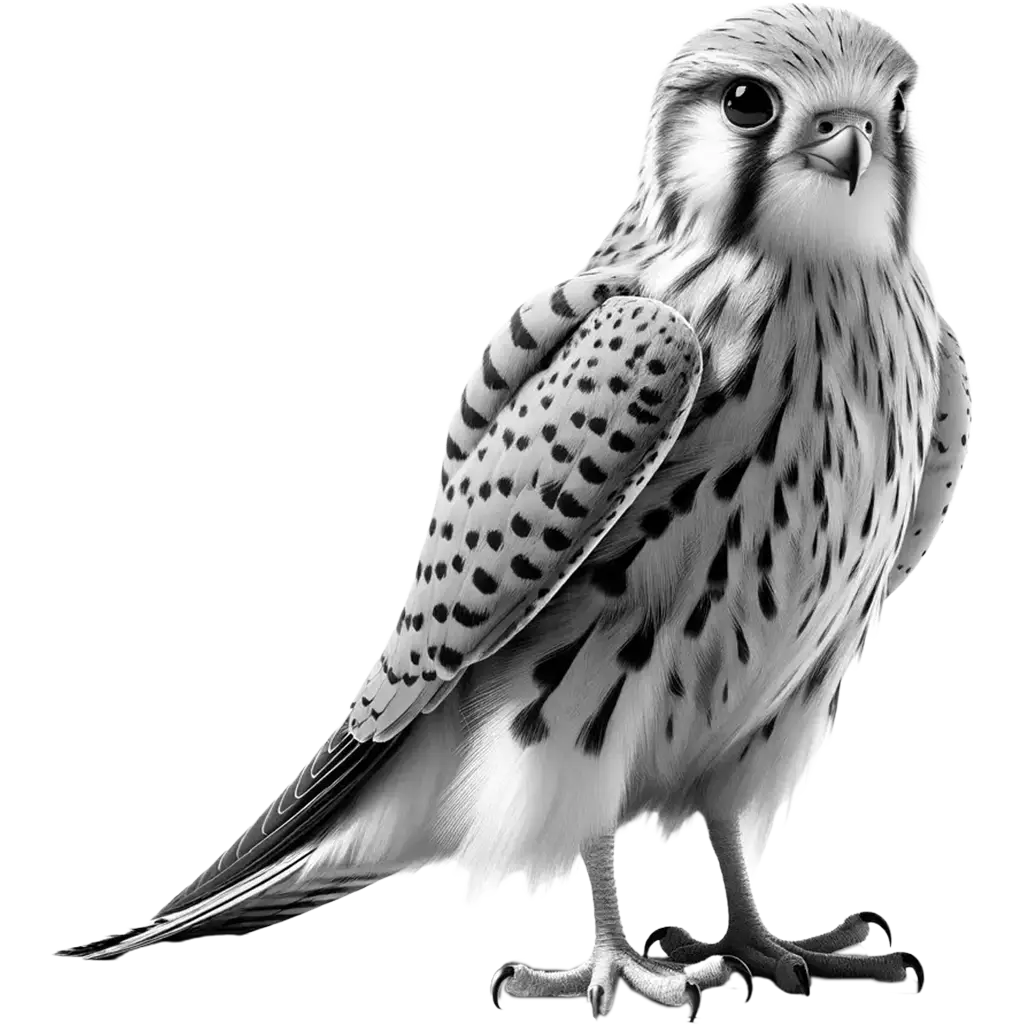
The Common Kestrel, falco tinnunculus, is a small yet highly adaptable bird of prey, known for its distinctive hovering flight and keen hunting skills. It measures about 34 to 38 cm in length, with a wingspan ranging from 70 to 80 cm, and weighs between 150 to 200 grams. The
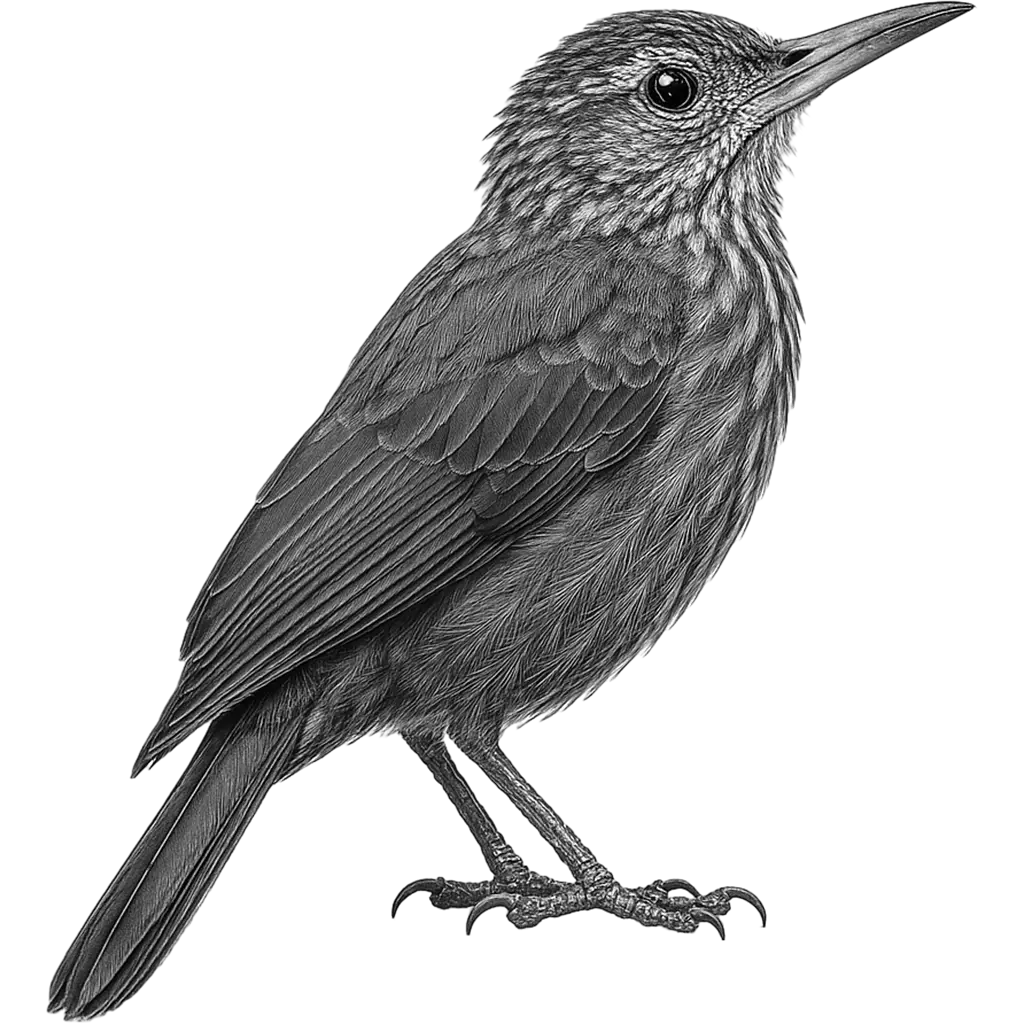
The Elegant Woodcreeper has a slender body with a long, decurved bill and a gracefully elongated tail that aids its agile movement among dense treetops. Its plumage features a mix of soft browns, subtle streaks, and a hint of olive, perfectly camouflaged against the textured bark. The bird's keen, dark
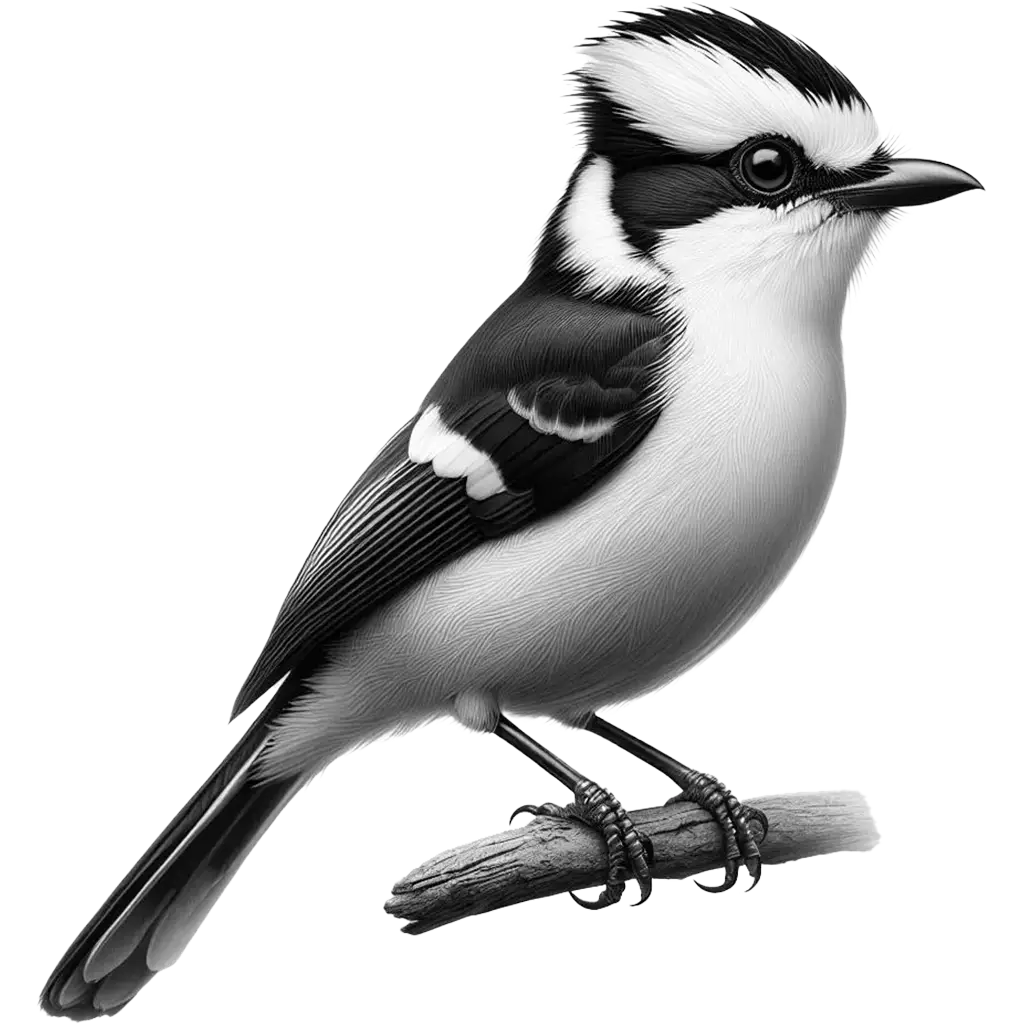
The White-Crested Helmetshrike, prionops plumatus, is a striking bird characterized by its prominent white crest, which contrasts beautifully with its predominantly black body, grayish-white underparts, and vivid yellow eye wattle. Its slender, hook-tipped bill is adept for foraging, and the bird's overall length ranges from 19 to 24 cm, making