
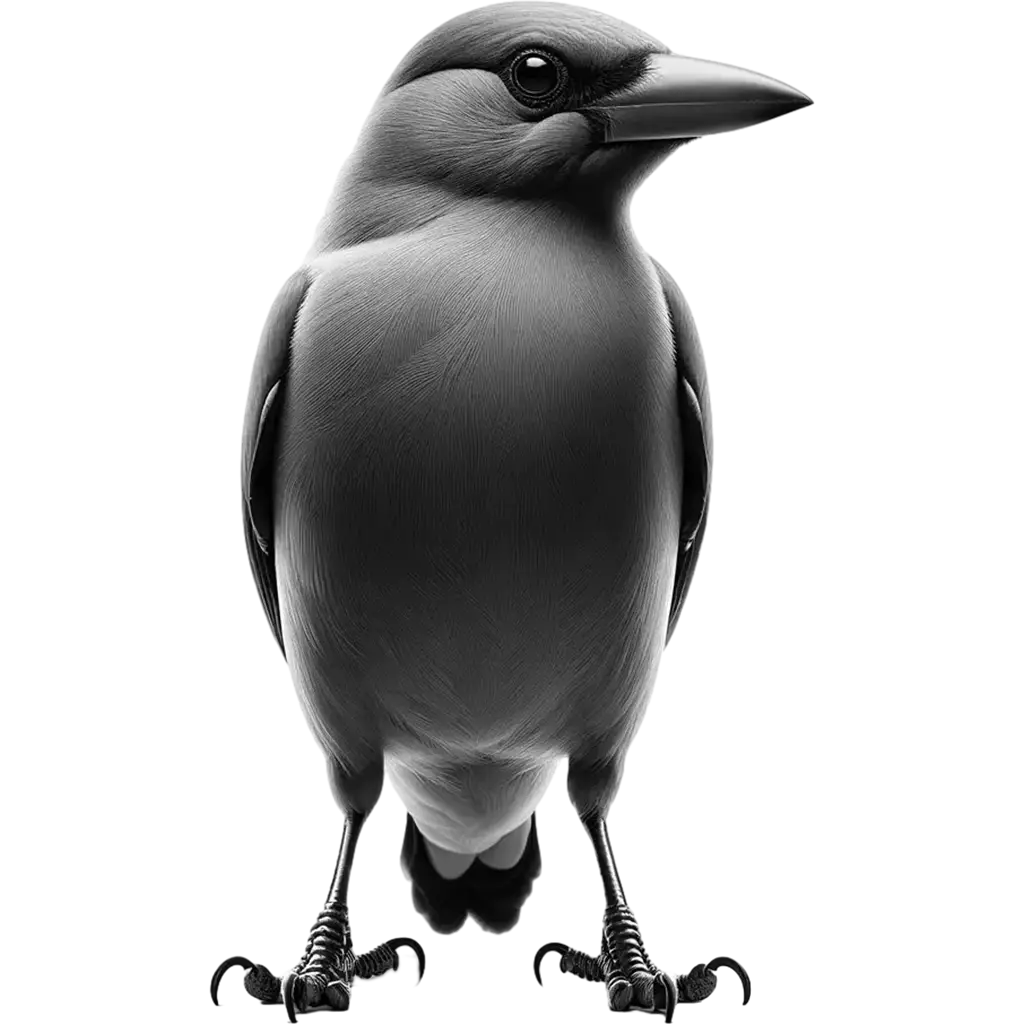
Buphagus Erythrorynchus
Red-Billed Oxpecker
Savannas, grasslands, and open woodland, often near large mammals
The Red-Billed Oxpecker, buphagus erythrorynchus, is a small bird native to sub-Saharan Africa, easily recognized by its distinctive red bill and yellow ring around the eyes. This species exhibits a predominantly brown plumage with lighter underparts, allowing it to blend into the savannah and woodland habitats it frequents. Adults can reach a length of approximately 20 cm, making them relatively small yet noticeable when perched atop their large mammalian hosts. The Red-Billed Oxpecker is part of a unique ecological niche, living in close association with large herbivores such as cattle, buffalo, and rhinoceroses.
| Population: | Listed as Least Concern, with stable populations |
| Generation Length: | 4-5 years |
| Average Weight: | 50-60 grams |
| Average Length: | 18-23 cm |
| Lifespan: | Up to 12 years in the wild |
| Diet: | Feeds mainly on ectoparasites from large mammals, occasionally blood and insects |
| Conservation Status: | Least Concern (LC) |
The lifestyle of the Red-Billed Oxpecker is highly specialized, spending much of its time clinging to the backs of large mammals. These birds form a symbiotic relationship with their hosts, feeding on ticks, flies, and other parasites that they find in the animals' fur. This behavior not only provides the oxpeckers with a constant food source but also offers some degree of pest control for their hosts. Oxpeckers are gregarious, often seen in groups, and they communicate with a range of chattering calls.
The diet of the Red-Billed Oxpecker consists mainly of ectoparasites found on large mammals. In addition to ticks and flies, they also consume blood from the wounds of their hosts, which has led to a debate about the mutualistic nature of their relationship with these animals. Despite this, their role in controlling parasite populations is generally viewed as beneficial.
Reproduction in the Red-Billed Oxpecker involves nesting in tree holes, where they can lay 2 to 5 eggs. Both parents participate in incubating the eggs and feeding the chicks. The nests are often lined with hair plucked from their mammalian hosts, providing insulation and perhaps strengthening the bond between the bird and its host species.
The population of the Red-Billed Oxpecker is considered stable, though it faces threats from habitat loss and the use of pesticides on livestock, which can reduce their food sources. Conservation efforts focus on habitat protection and promoting livestock management practices that are compatible with oxpecker conservation. Their presence in natural habitats and on domestic animals underscores the interconnectedness of African savannah ecosystems and the importance of maintaining healthy populations of both large mammals and their avian companions.
Classifications
The Key Attributes
Features
- Movement:
Flying, perching
- Territorial Behavior:
Social, often found in groups
- Speed:
Capable of swift flight
- Diet:
Omnivore
- Physical Features:
- Red bill and legs
- Brownish upperparts and white underparts
- Stiff tail feathers used as support while perching on animals
- Sharp claws for clinging onto hosts
- Primary Senses:
- Sight
- Touch
Understanding Habitat and Range
Geography
- Habitat:
Savannas, grasslands, and open woodland, often near large mammals
- Migration Patterns:
Non-migratory, but may move locally in search of food
- Geographical Range:
Sub-Saharan Africa
- Climate Preferences:
Prefers warm, open environments
Navigating the Wilderness
In the wild
- Predators:
Birds of prey and snakes
- Prey:
Ticks, flies, and other ectoparasites found on large mammals
- Feeding Behavior:
Feeds on ectoparasites of large mammals, also consumes blood, and sometimes preys on insects, ticks, and small vertebrates
- Diet:
Feeds mainly on ectoparasites from large mammals, occasionally blood and insects
- Defensive Mechanisms:
- Alertness to danger while perching on hosts
- Agility in flight to escape predators
- Preferred Food Sources:
- Large mammals like cattle, buffalo, and rhinoceros for ectoparasites
Insights Into Reproduction
Mating
- Mating System:
Monogamous
- Number of Offspring:
2-3 eggs
- Incubation Period:
About 13-14 days
- Parental Involvement:
- Both parents participate in nesting, incubation, and feeding the young
Youngsters Section
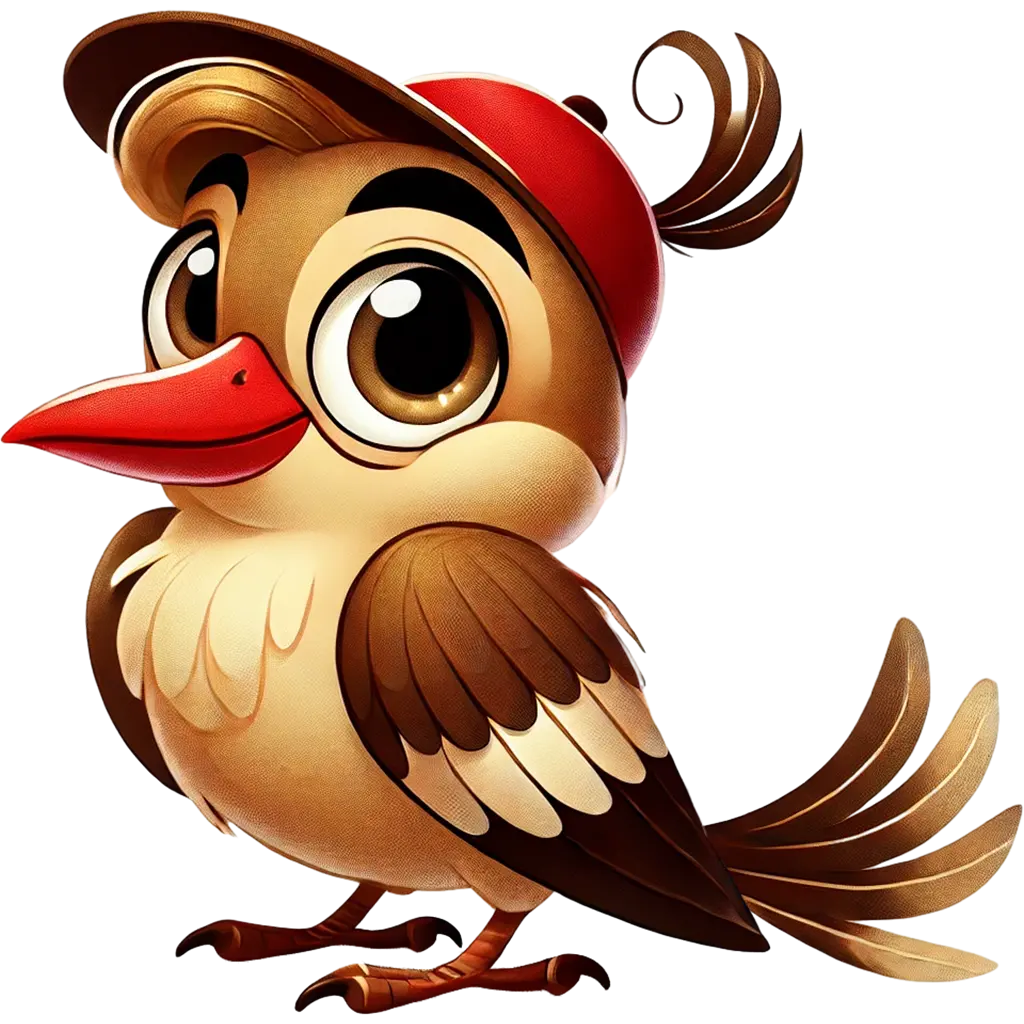
Red-Billed Oxpecker
Fun Fact
Red-billed oxpeckers feed on ticks and parasites found on large mammals.
These birds have a symbiotic relationship with animals like buffaloes and rhinos. While feeding, they help keep their hosts healthy by removing harmful parasites. Their sharp claws allow them to cling onto their host's fur, and their distinct call often serves as a warning signal to the host about approaching danger.

Download word search puzzles
Word Search Puzzles
Check Out Other Birds
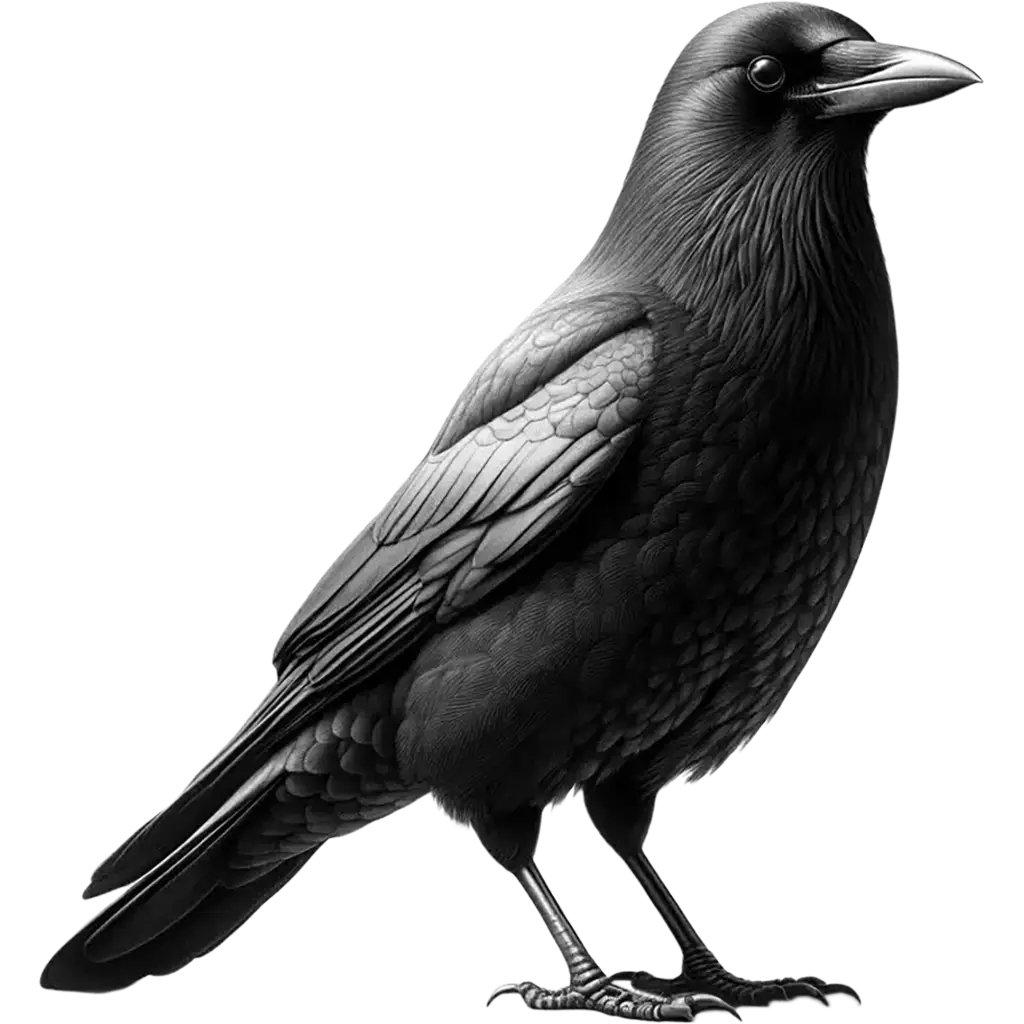
The Little Crow, corvus bennetti, is a species of bird found primarily in Australia, notable for its adaptability and resilience in various environments. This bird is smaller than other crows, measuring approximately 48 cm in length, with a sleek, all-black plumage that may appear slightly brown in direct sunlight. The
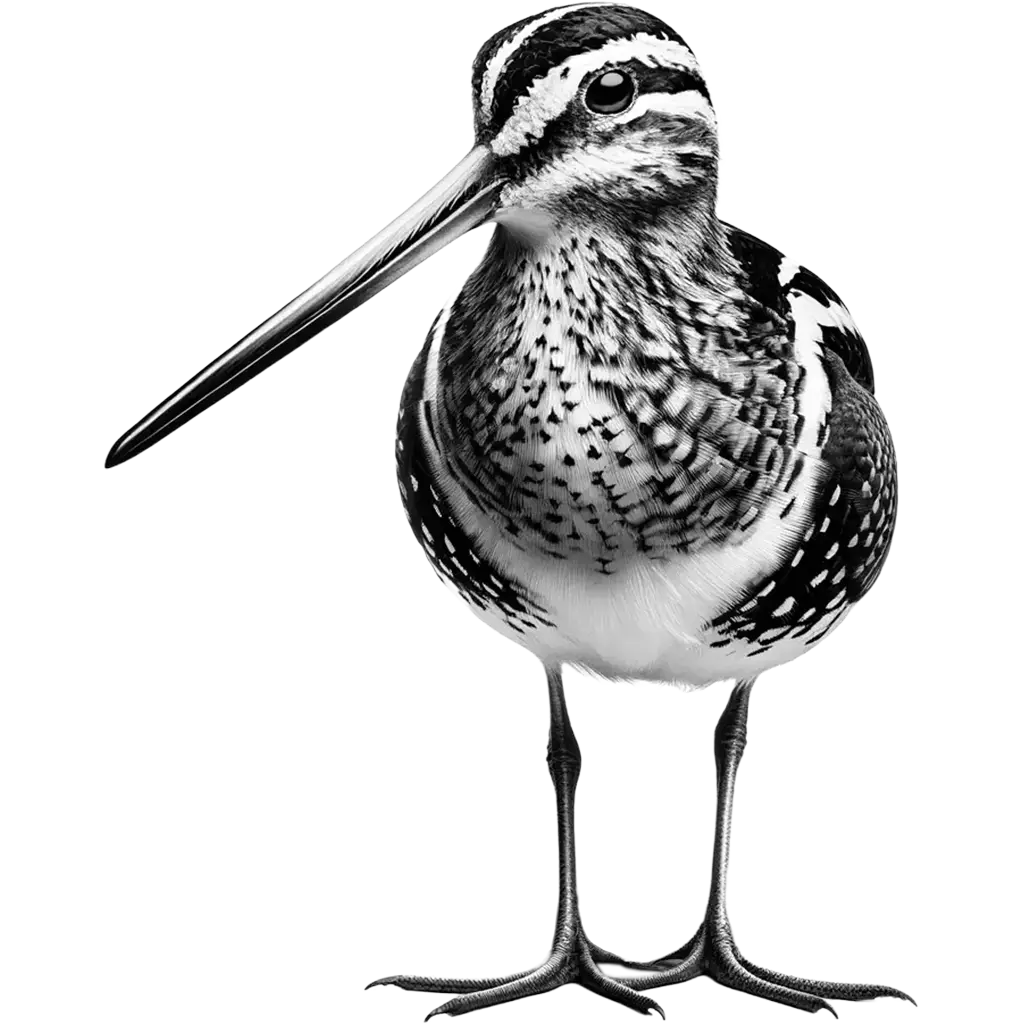
The Greater Painted-Snipe, rostratula benghalensis, is a distinctive and elusive bird species found in wetlands across Africa, Asia, and parts of Australasia. This species exhibits reverse sexual dimorphism, a unique trait where females are more brightly colored than males. Females have a striking appearance with a dark brown back, a
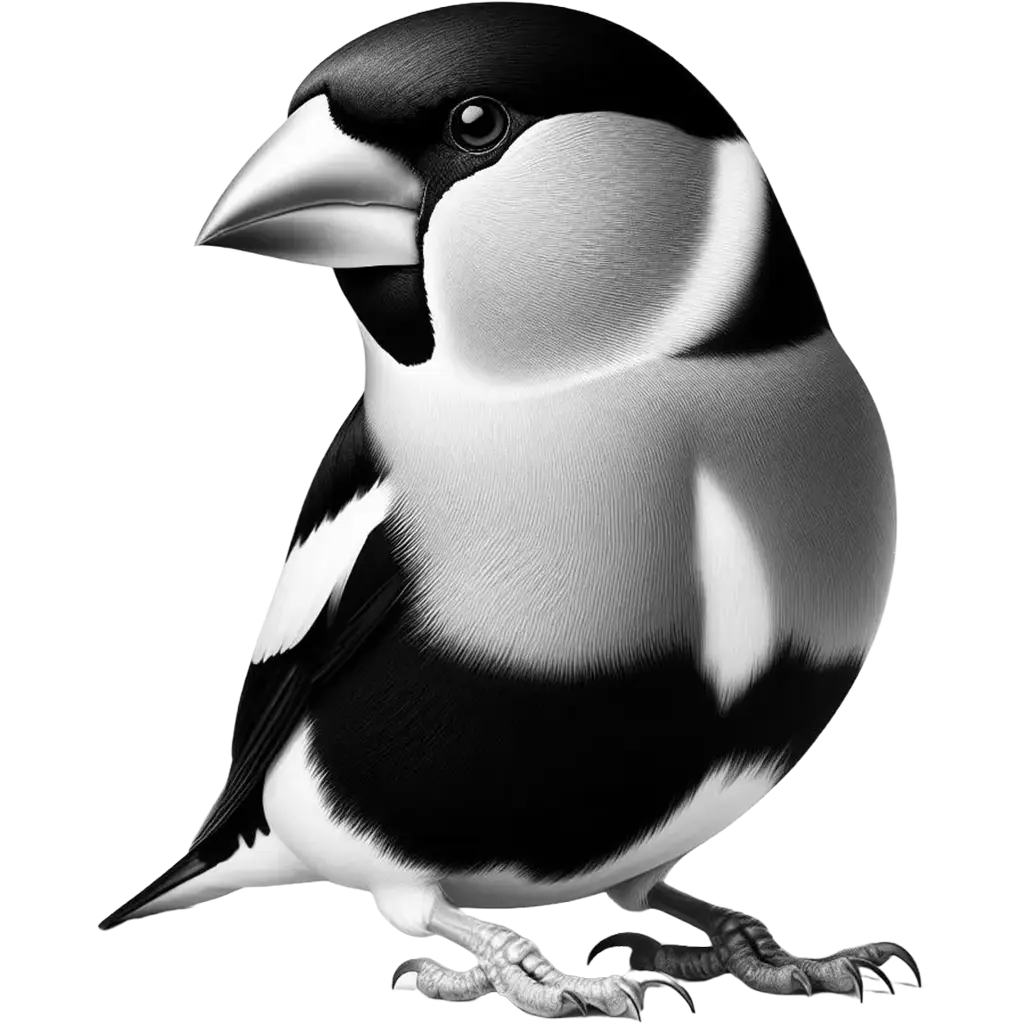
The Hawfinch, coccothraustes coccothraustes, is a robust and strikingly colored bird, known for its large size among finches, measuring up to 18 centimeters (7 inches) in length and weighing between 48 to 62 grams (1.7 to 2.2 ounces). Characterized by its massive bill capable of cracking even the hardest seeds,
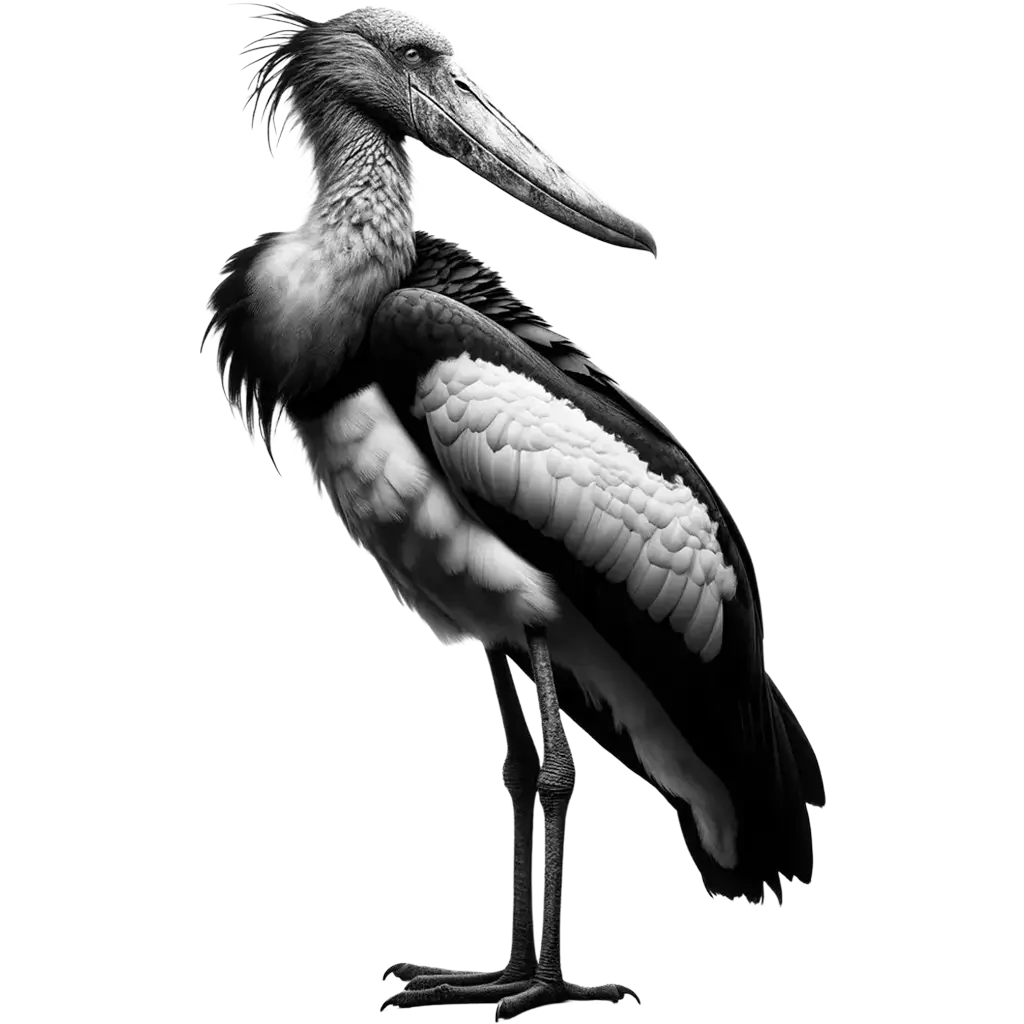
The Greater Adjutant, leptoptilos dubius, is a large stork standing at an impressive height of up to 1.5 meters with a wingspan reaching 2.5 meters. Its appearance is distinctive with a bald head and neck, a heavy bill, and a predominantly dark grey plumage, except for the white underparts. The