
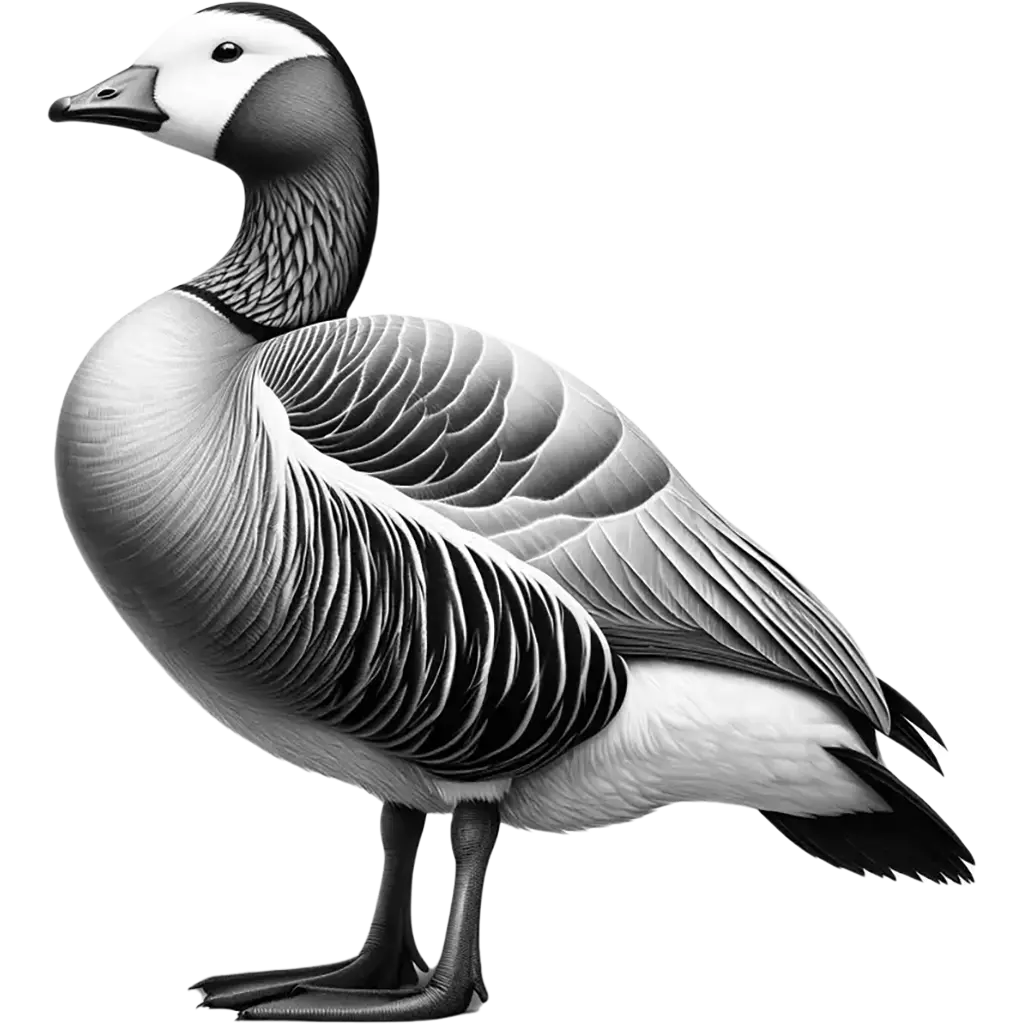
Branta Ruficollis
Red-Breasted Goose
Arctic tundra for breeding; coastal and inland wetlands during migration and winter
The Red-Breasted Goose, branta ruficollis, is a strikingly colored bird, renowned for its vibrant black, white, and rich chestnut plumage. This small goose measures about 53 to 56 cm in length, making it one of the more compact species within the goose family. Its most distinctive feature is the deep red patch on its breast, contrasted with a black neck, head, and upperparts, and white facial patches that accentuate its bold appearance. The species' compact body, short neck, and relatively small bill give it a unique profile among geese.
| Population: | Listed as Vulnerable due to habitat loss, climate change, and hunting |
| Generation Length: | 5-6 years |
| Average Weight: | 1.2-1.5 kg |
| Average Length: | 55-65 cm |
| Lifespan: | Up to 20 years in the wild |
| Diet: | Mainly herbivorous, with a preference for grasses and sedges |
| Conservation Status: | Vulnerable (VU) |
Native to the Arctic regions of European Russia, the Red-Breasted Goose breeds on the tundra, preferring areas with low vegetation close to water bodies. It is a migratory bird, spending the winter in southeastern Europe, particularly along the coasts of the Black Sea. During migration and winter, they often associate with flocks of other geese, particularly the Greater White-fronted Goose, for additional protection against predators.
The diet of the Red-Breasted Goose primarily consists of grasses, leaves, and seeds, which they forage from the ground. During the breeding season, they also consume a variety of Arctic tundra plants, while in their wintering grounds, they may feed on agricultural crops in addition to natural vegetation.
Reproduction for the Red-Breasted Goose begins in late May to June, with nests typically located on the ground, hidden among vegetation or rocks. Females lay 3 to 8 eggs, which are incubated for about 24 to 25 days. The young are precocial and leave the nest shortly after hatching, relying on both parents for protection and guidance to feeding sites.
The population of the Red-Breasted Goose is considered Vulnerable, facing threats from habitat loss due to agricultural expansion, climate change affecting their tundra breeding grounds, and hunting pressure along their migration routes. Conservation efforts are focused on protecting key breeding and wintering habitats, enforcing hunting regulations, and international cooperation to ensure the survival of this visually striking and ecologically important species.
Classifications
The Key Attributes
Features
- Movement:
Flying, walking, swimming
- Territorial Behavior:
Territorial during breeding season, otherwise gregarious
- Speed:
Fast and agile flyer
- Diet:
Herbivore
- Physical Features:
- Striking plumage with contrasting red, black, and white
- Short, stubby bill
- Strong, webbed feet for swimming
- Compact body shape
- Primary Senses:
- Sight
- Hearing
Understanding Habitat and Range
Geography
- Habitat:
Arctic tundra for breeding; coastal and inland wetlands during migration and winter
- Migration Patterns:
Long-distance migrant, breeding in Arctic Siberia and wintering in southeastern Europe and southwest Asia
- Geographical Range:
Breeds in Siberia; winters in the Black Sea, Caspian Sea, and occasionally in eastern and western Europe
- Climate Preferences:
Cold Arctic conditions during breeding; milder climates in wintering areas
Navigating the Wilderness
In the wild
- Predators:
Arctic foxes, birds of prey, and humans
- Prey:
Primarily plant materials like grasses and sedges, some insects
- Feeding Behavior:
Feeds on grasses, grains, and occasionally insects, often foraging in wetlands and agricultural fields
- Diet:
Mainly herbivorous, with a preference for grasses and sedges
- Defensive Mechanisms:
- Flocking in large numbers to deter predators
- Camouflage among vegetation
- Flight to escape threats
- Preferred Food Sources:
- Tundra regions rich in grasses and sedges during breeding; wetlands and agricultural lands in winter
Insights Into Reproduction
Mating
- Mating System:
Monogamous
- Number of Offspring:
3-8 eggs
- Incubation Period:
About 25-30 days
- Parental Involvement:
- Both parents protect and raise the young, with the female primarily incubating the eggs
Youngsters Section
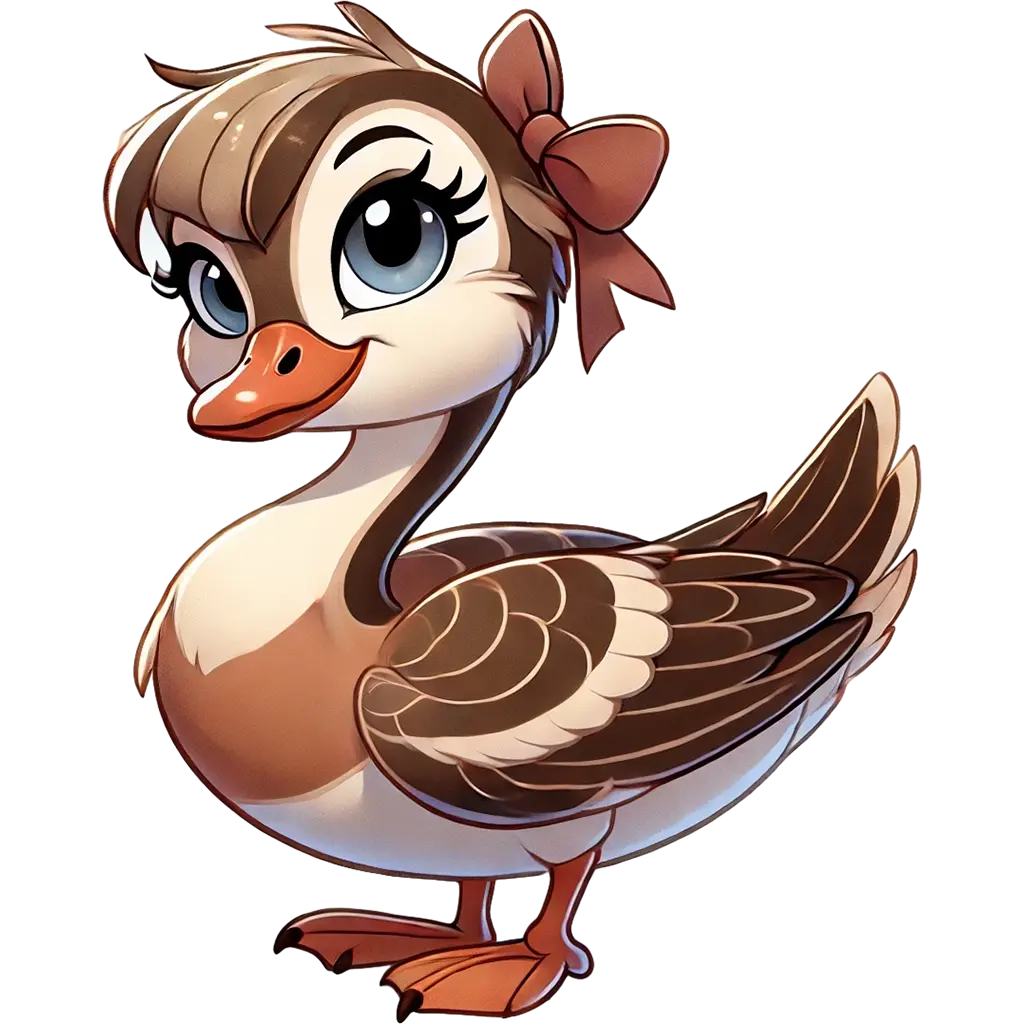
Red-Breasted Goose
Fun Fact
The red-breasted goose is known for its strikingly colorful plumage and distinctive call.
These small, migratory geese breed in Arctic Siberia and winter in Europe. They are often seen in large flocks and prefer wetlands. Their population is declining due to habitat loss, making conservation efforts crucial for their survival.

Download word search puzzles
Word Search Puzzles

Check Out Other Birds

The European Honey Buzzard, pernis apivorus, is a medium-sized bird of prey, distinguished by its striking appearance and specialized diet. Adults typically feature a broad range of plumage variations, from light to dark morphs, but generally have a grayish-brown body, with paler underparts and a distinctive head pattern resembling a
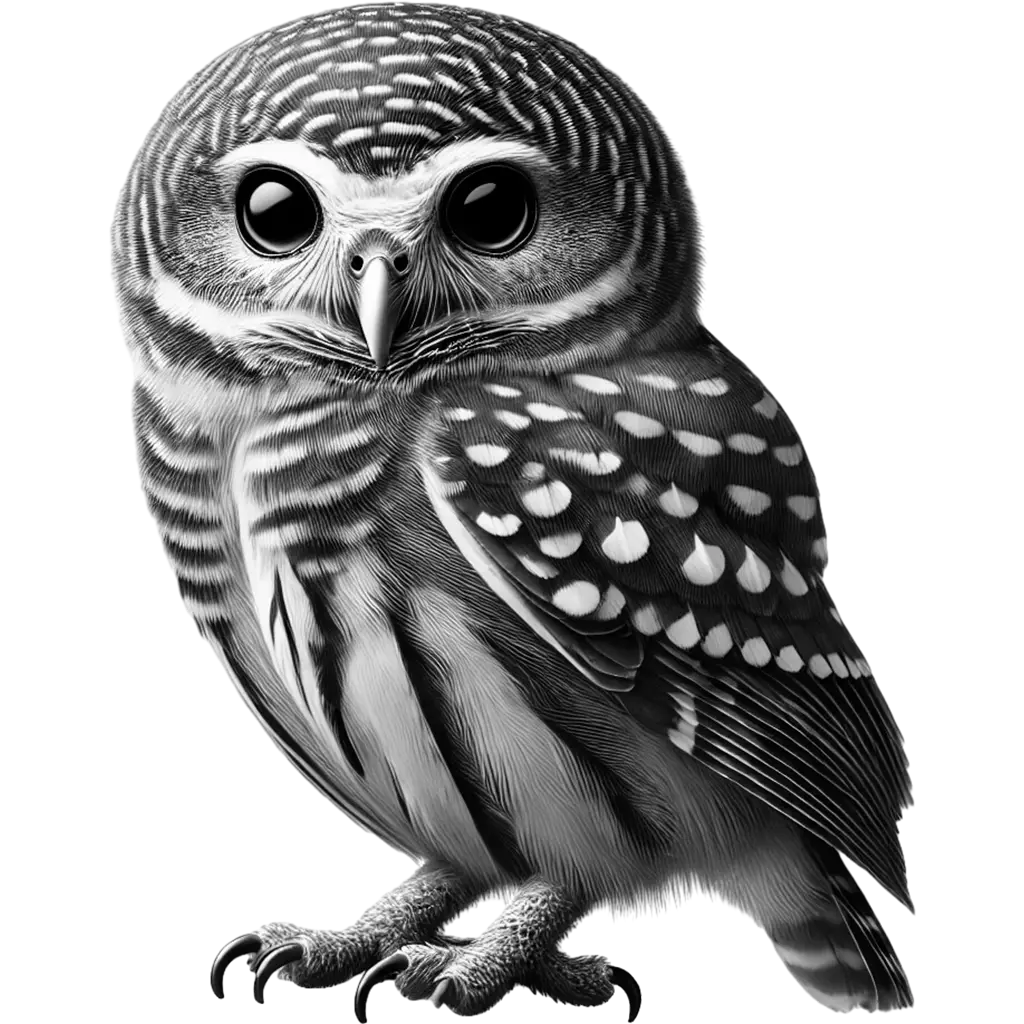
The Jungle Owlet is a small, stocky owl measuring approximately 21 to 23 centimeters in length. It features a rounded head without ear tufts and bright yellow eyes. Its plumage is finely barred with brown and white, and it has distinctive white patches on the chin, upper breast, and abdomen.
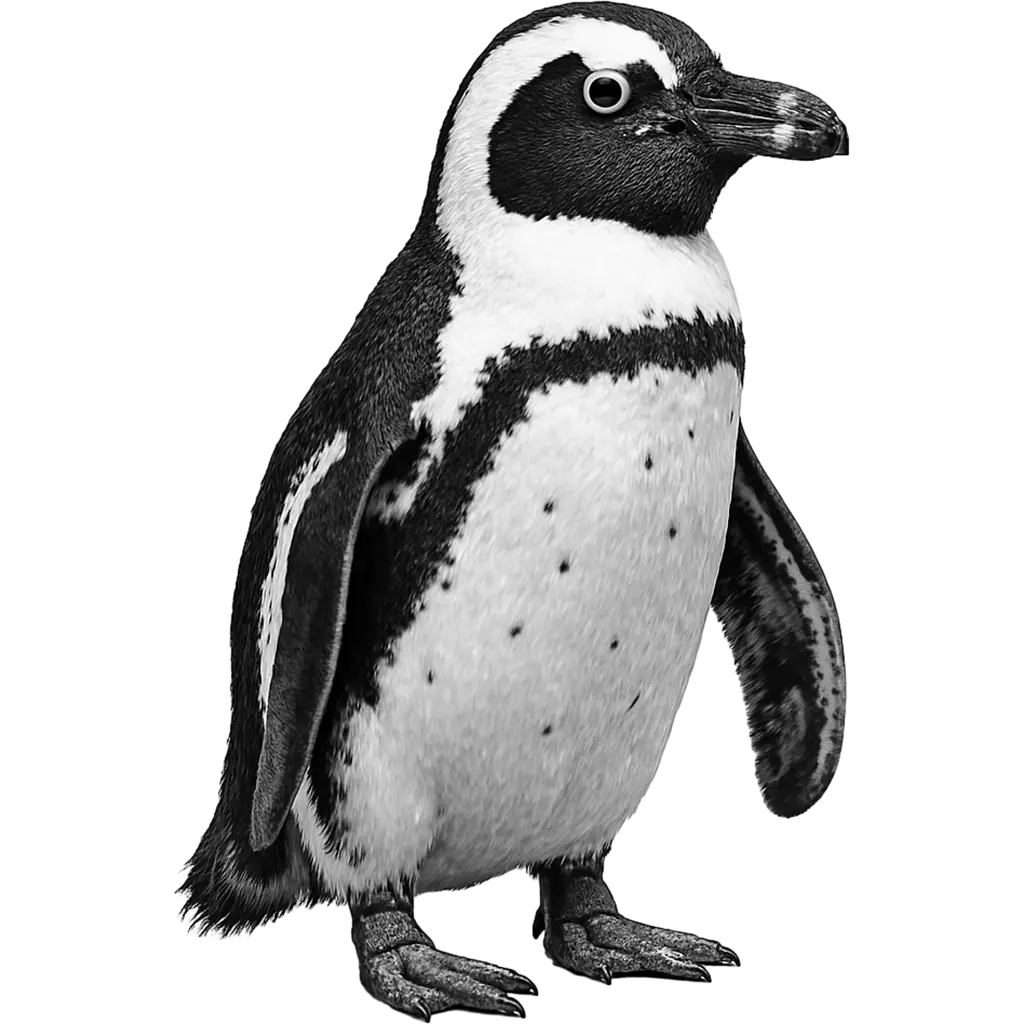
African Penguins exhibit a striking tuxedo-like appearance with vivid black and white plumage. Their compact, robust bodies and short, powerful flippers allow them to swim gracefully through the ocean, while bright red-orange patches near the eyes add a touch of color. Their overall look combines elegance and functional design, perfectly
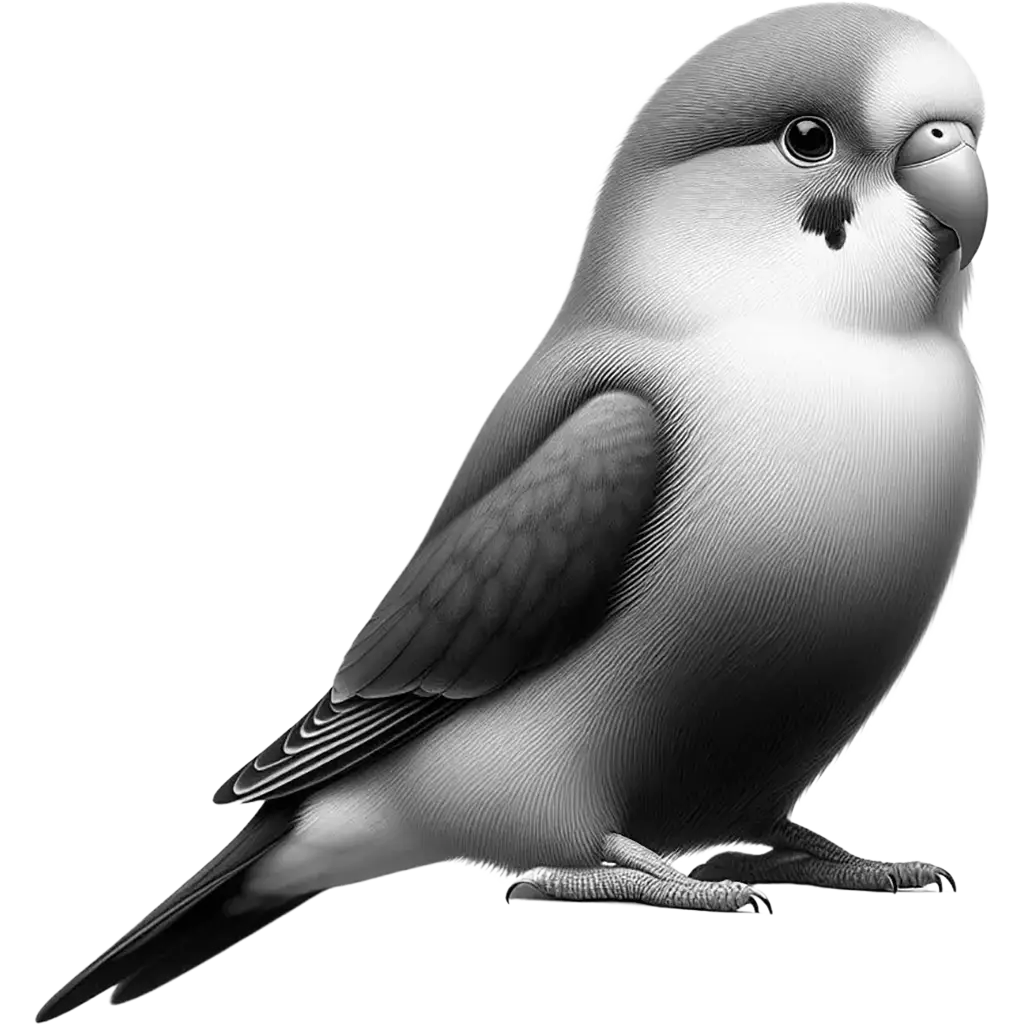
The Grey-headed lovebird, agapornis canus, also known as the Madagascar Lovebird, is a small parrot species native to Madagascar and the Comoros islands. This diminutive bird is notable for its distinctive sexual dimorphism; males boast a mostly grey head and neck, which sharply contrasts with their bright green body, while