
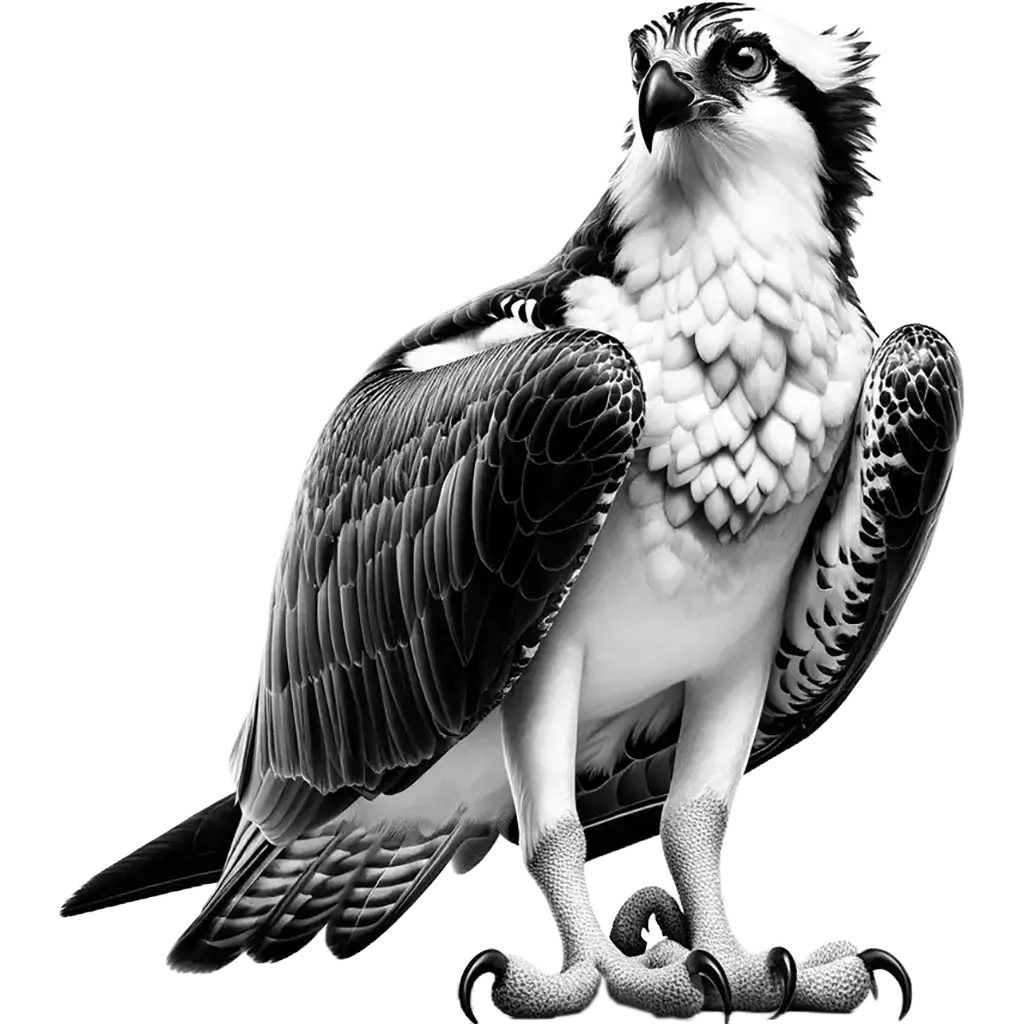
Pandion Haliaetus
Osprey
Near freshwater and coastal water bodies rich in fish
The Osprey, pandion haliaetus, is a large, majestic bird of prey, distinguished by its impressive wingspan of up to 180 cm (71 inches) and unique dietary specialization in fish. Adults exhibit a striking appearance with dark brown upperparts contrasted against a white underside and head. They possess sharp, curved talons and a reversible outer toe, allowing them to grasp slippery fish with unparalleled efficiency. A notable feature is their deep brown eye stripe, which extends across their face, enhancing their keen, penetrating gaze.
| Population: | Listed as Least Concern, populations have rebounded in many areas due to conservation efforts |
| Generation Length: | 5-6 years |
| Average Weight: | 1.2-2 kg |
| Average Length: | 50-60 cm, with a wingspan of 150-180 cm |
| Lifespan: | 15-20 years in the wild |
| Diet: | Primarily fish, caught after spotting from the air and diving |
| Conservation Status: | Least Concern (LC) |
Ospreys are found worldwide, inhabiting coastal regions, lakes, and rivers across all continents except Antarctica. They prefer areas near water bodies that provide ample fishing opportunities, showcasing their incredible skill as aerial hunters. Ospreys are known for their spectacular diving technique, plunging into the water from great heights to catch fish just below the surface.
Their diet consists almost exclusively of medium-sized fish, reflecting their specialized hunting adaptations. This dietary preference plays a significant role in controlling fish populations and maintaining the balance within aquatic ecosystems. The Osprey's fishing prowess is not only a marvel of natural engineering but also a critical component of their survival strategy.
Reproduction in Ospreys involves a high degree of parental investment, with both males and females collaborating to build large, sturdy nests atop trees, cliffs, or man-made structures. The female typically lays 2 to 4 eggs, which are then incubated for about 5 weeks. Osprey chicks are altricial, requiring extensive care and feeding by both parents until they are ready to fledge the nest approximately 8 to 10 weeks after hatching.
The population of the Osprey has rebounded in many areas thanks to conservation efforts addressing pesticide pollution, habitat loss, and persecution. Today, they are considered a conservation success story, with stable or increasing populations in many of their ranges. The Osprey's widespread presence and recovery serve as a testament to the effectiveness of environmental protection and conservation measures, highlighting the importance of sustained efforts to preserve our planet's biodiversity.
Classifications
The Key Attributes
Features
- Movement:
Flying, diving
- Territorial Behavior:
Territorial during breeding season
- Speed:
Can dive at speeds over 80 km/h
- Diet:
Piscivore
- Physical Features:
- Long, narrow wings and a streamlined body
- Hooked beak and sharp talons for catching fish
- Mottled brown and white plumage, with distinctive facial mask
- Reversible outer toe to grasp fish with two toes pointing forwards and two backwards
- Primary Senses:
- Sight
- Hearing
Understanding Habitat and Range
Geography
- Habitat:
Near freshwater and coastal water bodies rich in fish
- Migration Patterns:
Migratory, with birds traveling between breeding and wintering grounds
- Geographical Range:
Global, found on all continents except Antarctica
- Climate Preferences:
Adaptable to a wide range of climates, from tropical to temperate
Navigating the Wilderness
In the wild
- Predators:
Few natural enemies due to their size and flying ability; eggs and chicks are vulnerable to other large birds and climbing predators
- Prey:
Various fish species, depending on local water bodies and availability
- Feeding Behavior:
Feeds almost exclusively on fish, catching them with spectacular dives into the water
- Diet:
Primarily fish, caught after spotting from the air and diving
- Defensive Mechanisms:
- Sharp vision to detect threats
- Agility in flight to evade potential predators
- Nest placement in tall trees or high platforms to reduce risk to offspring
- Preferred Food Sources:
- Lakes, rivers, and coastal waters with abundant fish populations
Insights Into Reproduction
Mating
- Mating System:
Monogamous
- Number of Offspring:
Usually 2-4 eggs
- Incubation Period:
About 5 weeks
- Parental Involvement:
- Both parents care for the young, with the male providing most of the food while the female tends to the nest
Youngsters Section
Osprey
Fun Fact
Ospreys are expert fish hunters, diving feet first to catch prey. They have specialized reversible toes.
Their toes enable them to grasp slippery fish efficiently. Ospreys also have a unique nostril mechanism, closing when diving to prevent water from entering. These adaptations make them highly effective hunters, contributing to their success in various aquatic habitats worldwide. Their diet consists almost exclusively of fish, showcasing their specialized hunting skills.

Download word search puzzles
Word Search Puzzles
Check Out Other Birds
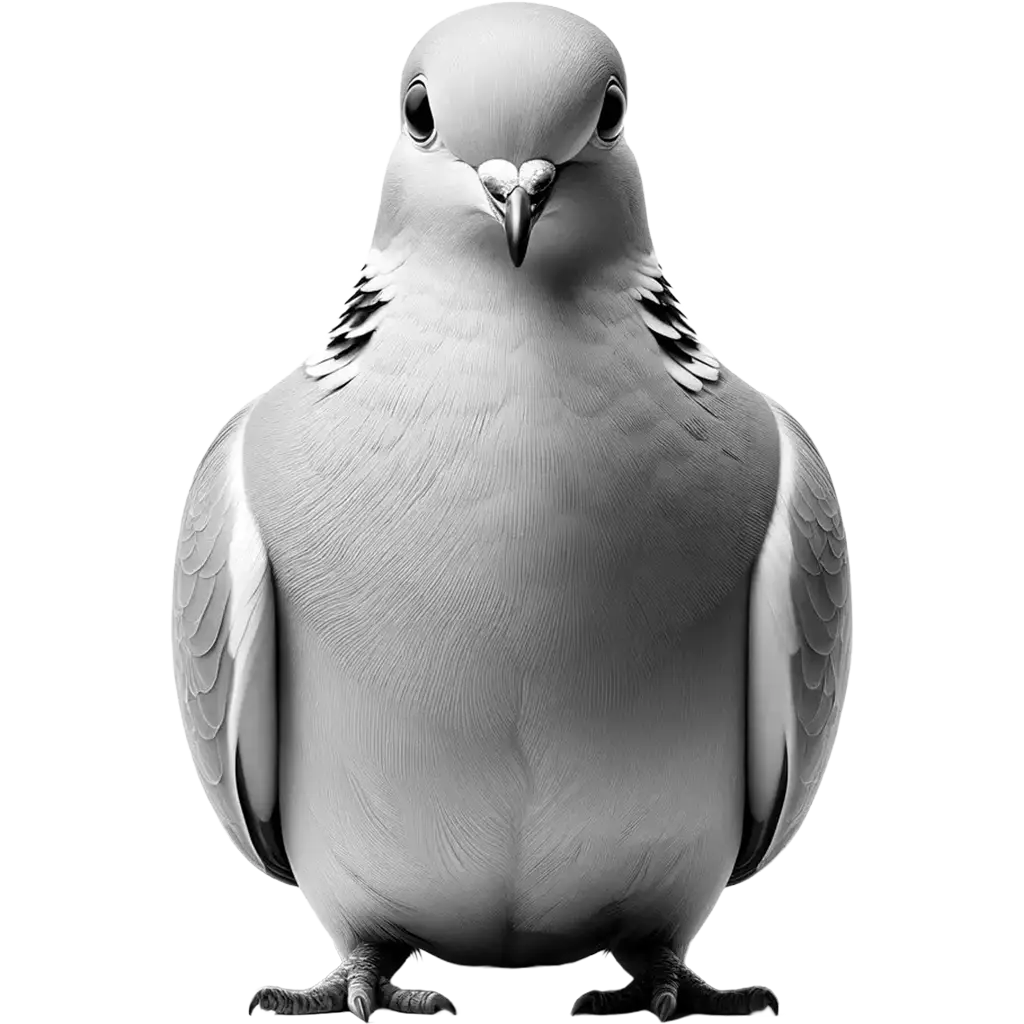
The Common Wood Pigeon, columba palumbus, is a large species of pigeon that is widespread across Europe, western Asia, and North Africa. It is easily recognizable by its size, measuring 38 to 44 cm in length and weighing between 300 to 600 grams, making it one of the larger pigeons
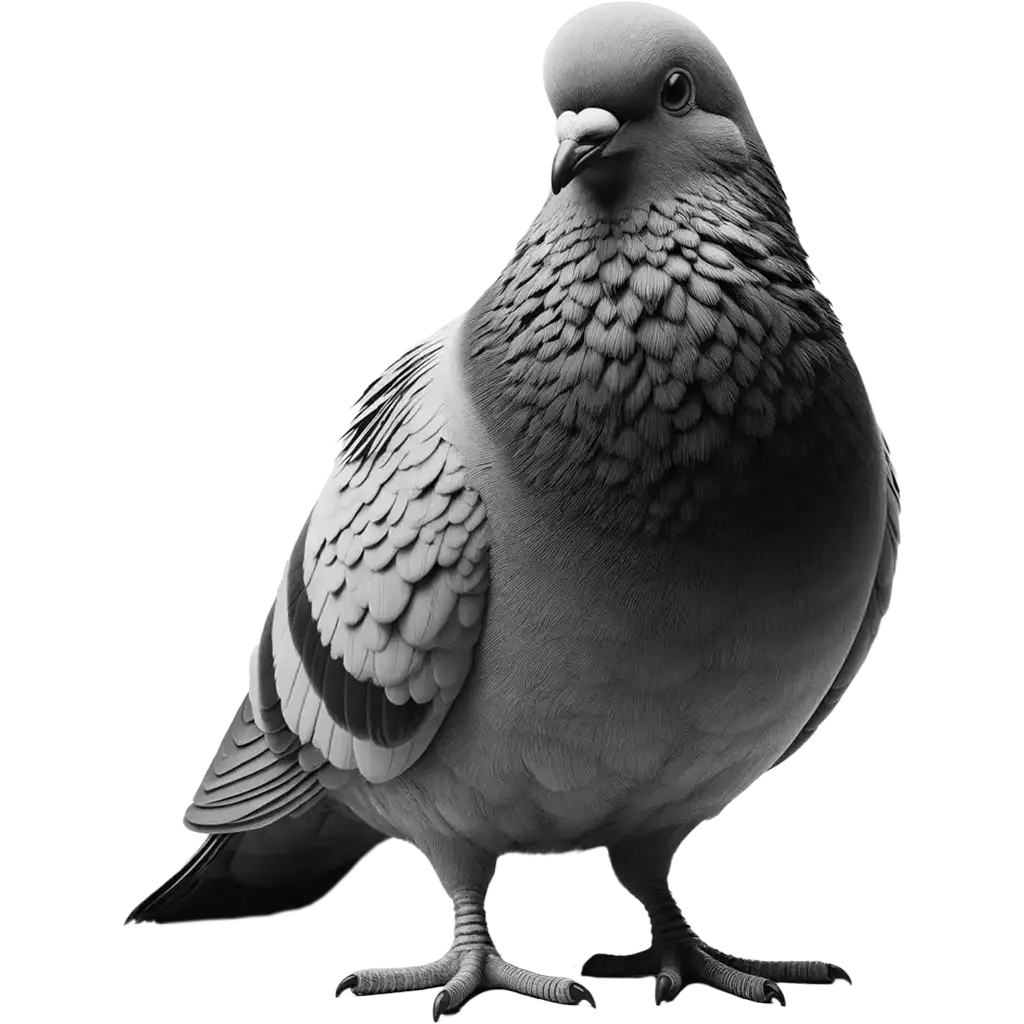
The Rock Dove, columba livia, commonly known as the pigeon, is a widespread bird recognized by its stout body, short legs, and smooth plumage. Adult Rock Doves typically measure 29 to 37 cm in length and have a wingspan of 62 to 72 cm. Their coloration varies widely due to
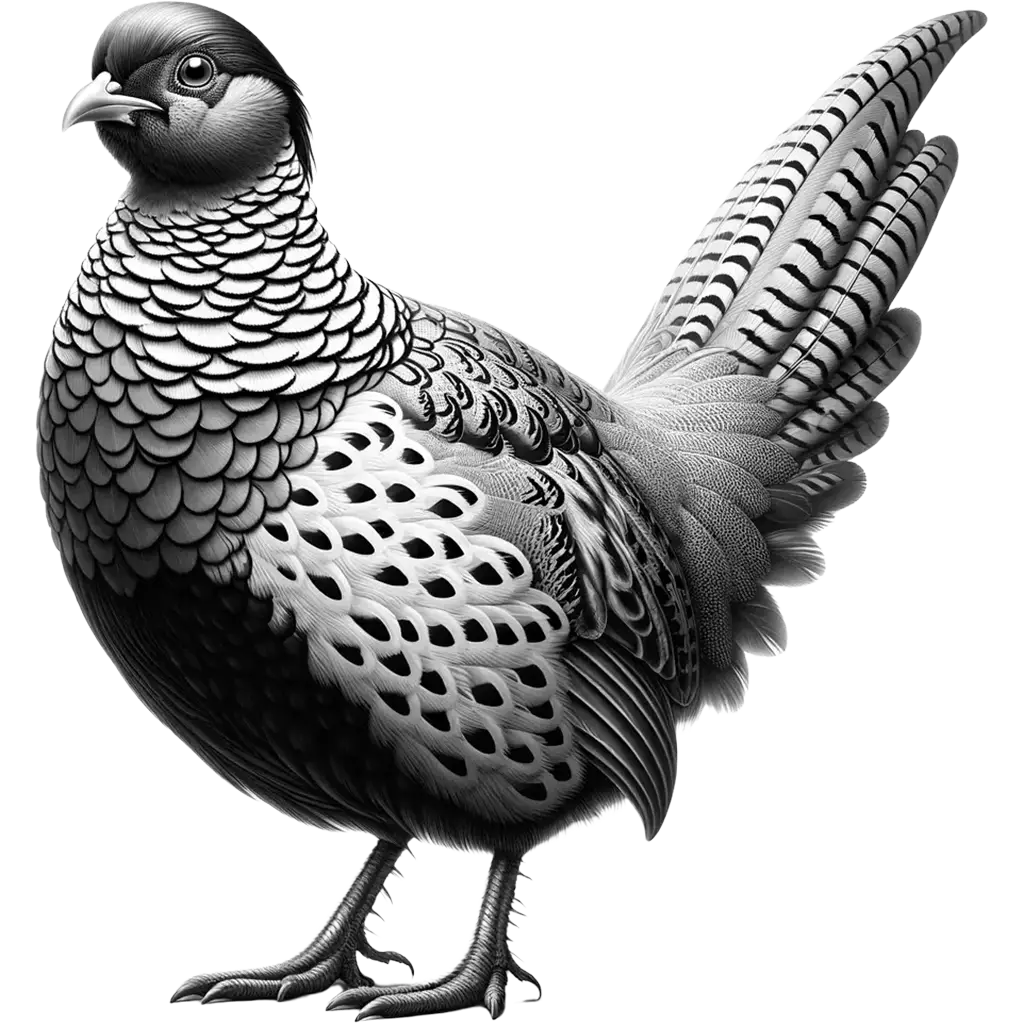
The Reeves's Pheasant, syrmaticus reevesii, is a magnificent bird known for its extraordinary tail length and striking plumage. Males are particularly notable, with tails that can reach up to 2.4 meters in length, making them one of the longest-tailed pheasants in the world. The male's plumage is a vibrant mix
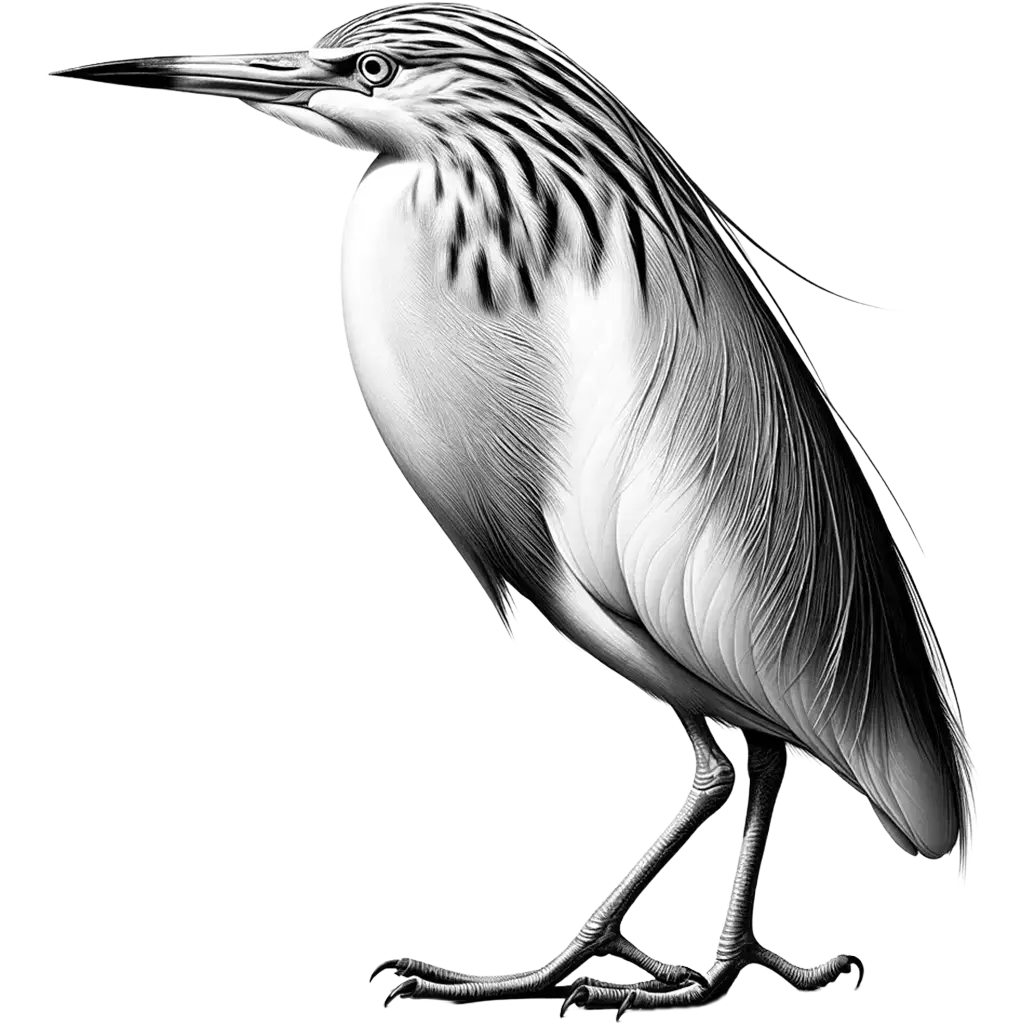
The Squacco Heron, ardeola ralloides, is a small, stocky wading bird known for its striking plumage and adaptability to a variety of wetland habitats. This heron stands approximately 40 to 50 cm tall, with a wingspan of about 80 to 92 cm. In breeding season, it boasts a rich, creamy