
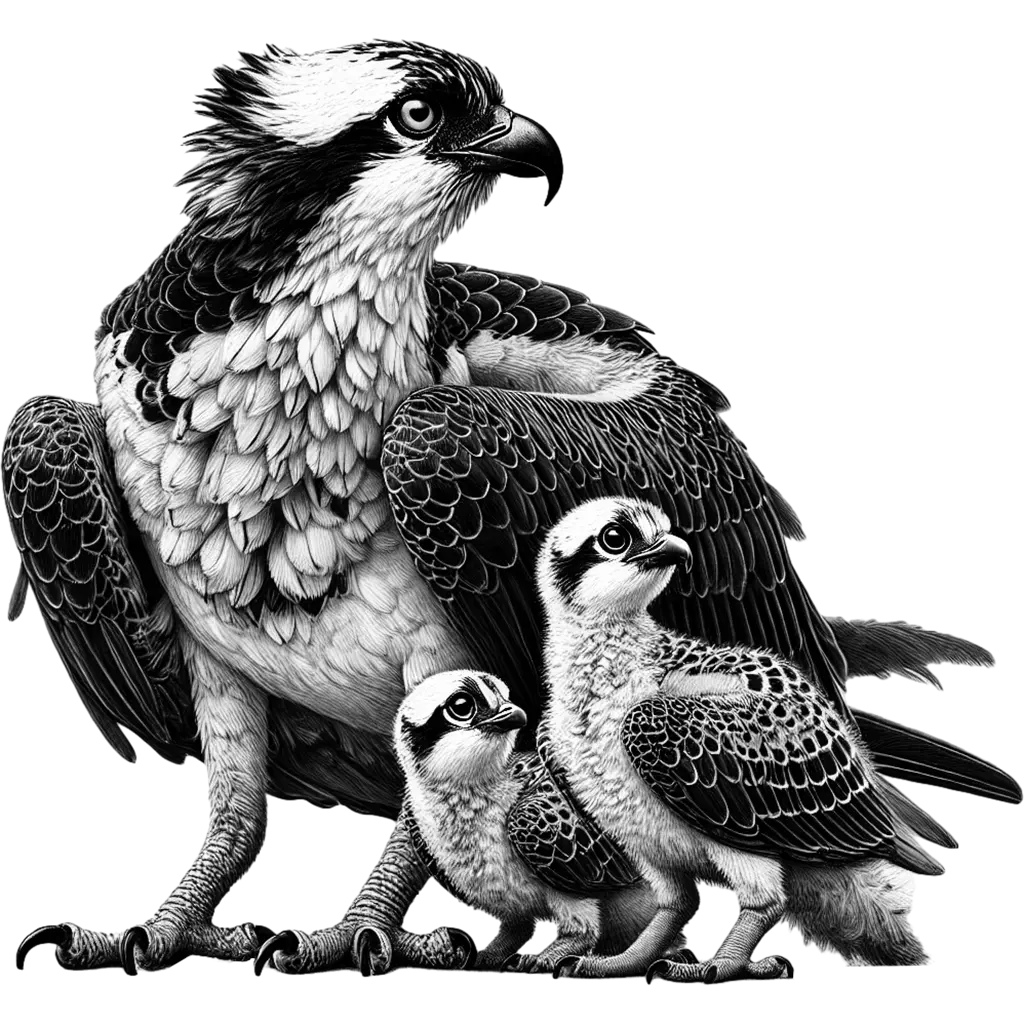
Top ten fascinating facts about
Osprey
Pandion Haliaetus
Ospreys are expert fish hunters, diving feet first to catch prey. They have specialized reversible toes. Their toes enable them to grasp slippery fish efficiently. Ospreys also have a unique nostril mechanism, closing when diving to prevent water from entering. These adaptations make them highly effective hunters, contributing to their success in various aquatic habitats worldwide. Their diet consists almost exclusively of fish, showcasing their specialized hunting skills.
Ospreys are also known as 'fish hawks' due to their diet primarily consisting of fish.
Ospreys specialize in catching fish, which makes up about 99% of their diet. They are one of the few birds of prey that are so fish-dependent. With reversible outer toes and barbed footpads, they are uniquely adapted to grasp slippery fish from the water.
They are found on every continent except Antarctica, making them one of the most widespread raptors.
Ospreys have a nearly worldwide distribution. They inhabit every continent except Antarctica, showcasing their adaptability to various environments. They are commonly found near bodies of water like rivers, lakes, and coastal regions where fish are abundant.
Ospreys have a reversible outer toe to help grasp slippery fish.
Unlike most raptors, ospreys have a unique foot structure with a reversible outer toe (zygodactyl), allowing them to have two toes pointing forward and two backward when needed. This adaptation helps them securely grip fish, which are often slippery.
They dive feet-first into water to catch fish, sometimes completely submerging.
Ospreys are exceptional hunters, hovering above water before plunging feet-first to snatch fish. They can adjust their flight to account for the water's refraction, and they close their nostrils to keep water out during the dive.
Osprey nests, called eyries, are large and often reused for many years.
These birds build sizable nests made of sticks and lined with softer materials. Nests are typically located in high places like treetops, cliffs, or man-made structures. Ospreys often return to the same nest each breeding season, adding new materials each year.
They have a distinctive M-shaped flight silhouette and white underparts.
In flight, ospreys are identifiable by their long wings that kink at the wrists, creating an M-shape. Their underparts are mostly white, which, along with a dark eye stripe and hooked beak, makes them easy to distinguish from other raptors.
Ospreys are monogamous and often mate for life.
These birds typically form long-term pair bonds and return to the same nesting site with their mate each year. Both parents share responsibilities in raising the young, including incubating eggs and feeding the chicks.
They underwent significant population declines due to DDT but have since recovered.
In the mid-20th century, osprey populations declined sharply because of the pesticide DDT, which weakened eggshells. After DDT was banned and conservation efforts were implemented, their numbers rebounded, and they are now considered a conservation success story.
Ospreys migrate long distances between breeding and wintering grounds.
Many osprey populations are migratory, traveling thousands of miles between their breeding sites in the north and wintering grounds in the south. Some ospreys migrate from as far north as Canada to as far south as South America.
They are the only raptor with a worldwide distribution and belong to their own taxonomic family.
The osprey is unique among raptors, classified in its own family, Pandionidae. This reflects significant differences from other birds of prey, including anatomical adaptations for fishing. Their widespread presence across the globe highlights their evolutionary success.
Check Out Other Birds
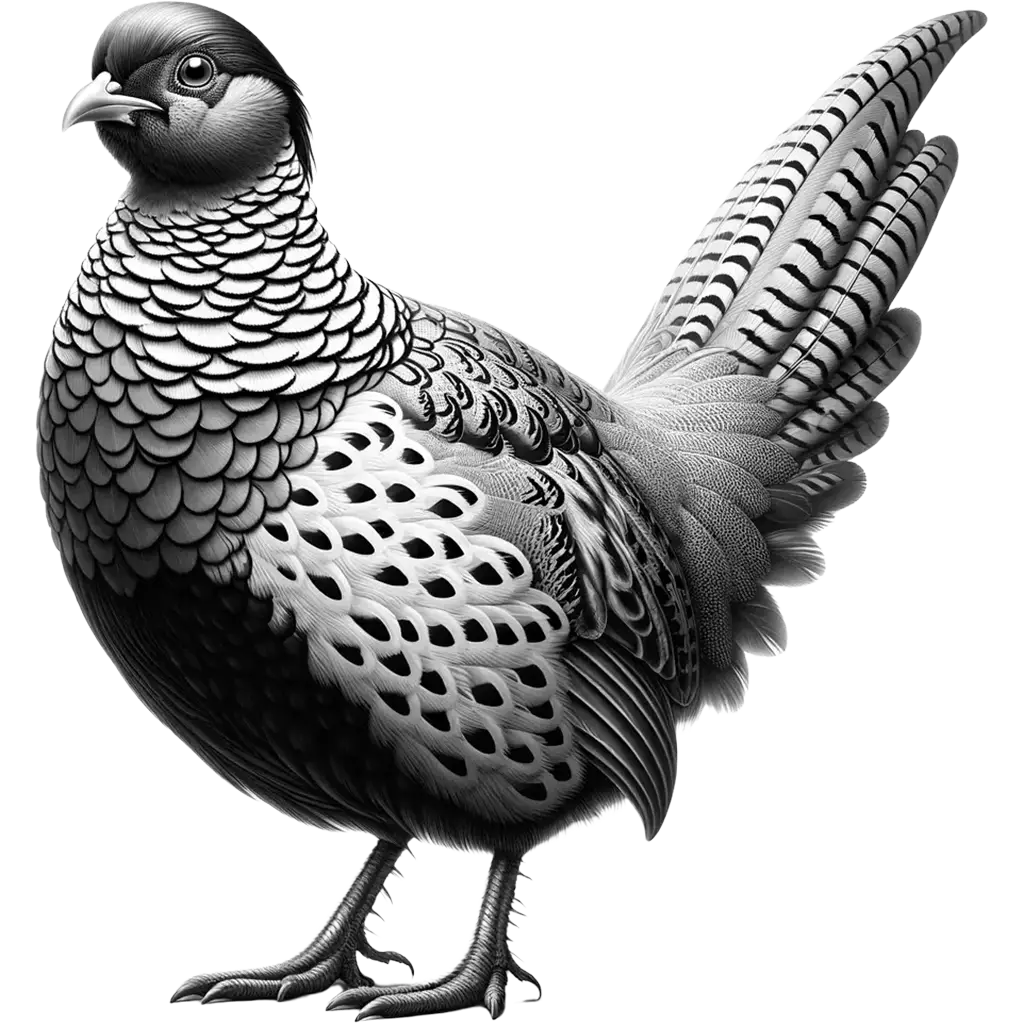
The Reeves's Pheasant, syrmaticus reevesii, is a magnificent bird known for its extraordinary tail length and striking plumage. Males are particularly notable, with tails that can reach up to 2.4 meters in length, making them one of the longest-tailed pheasants in the world. The male's plumage is a vibrant mix
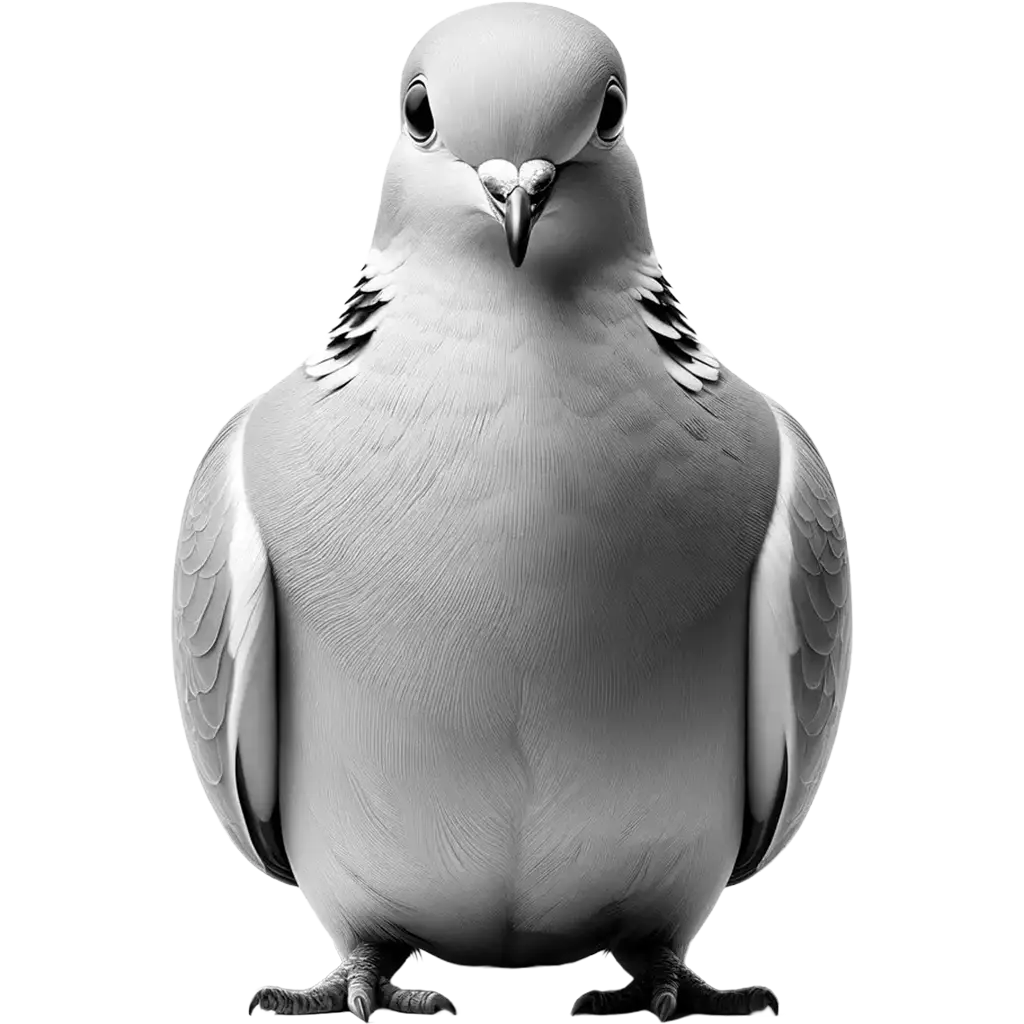
The Common Wood Pigeon, columba palumbus, is a large species of pigeon that is widespread across Europe, western Asia, and North Africa. It is easily recognizable by its size, measuring 38 to 44 cm in length and weighing between 300 to 600 grams, making it one of the larger pigeons
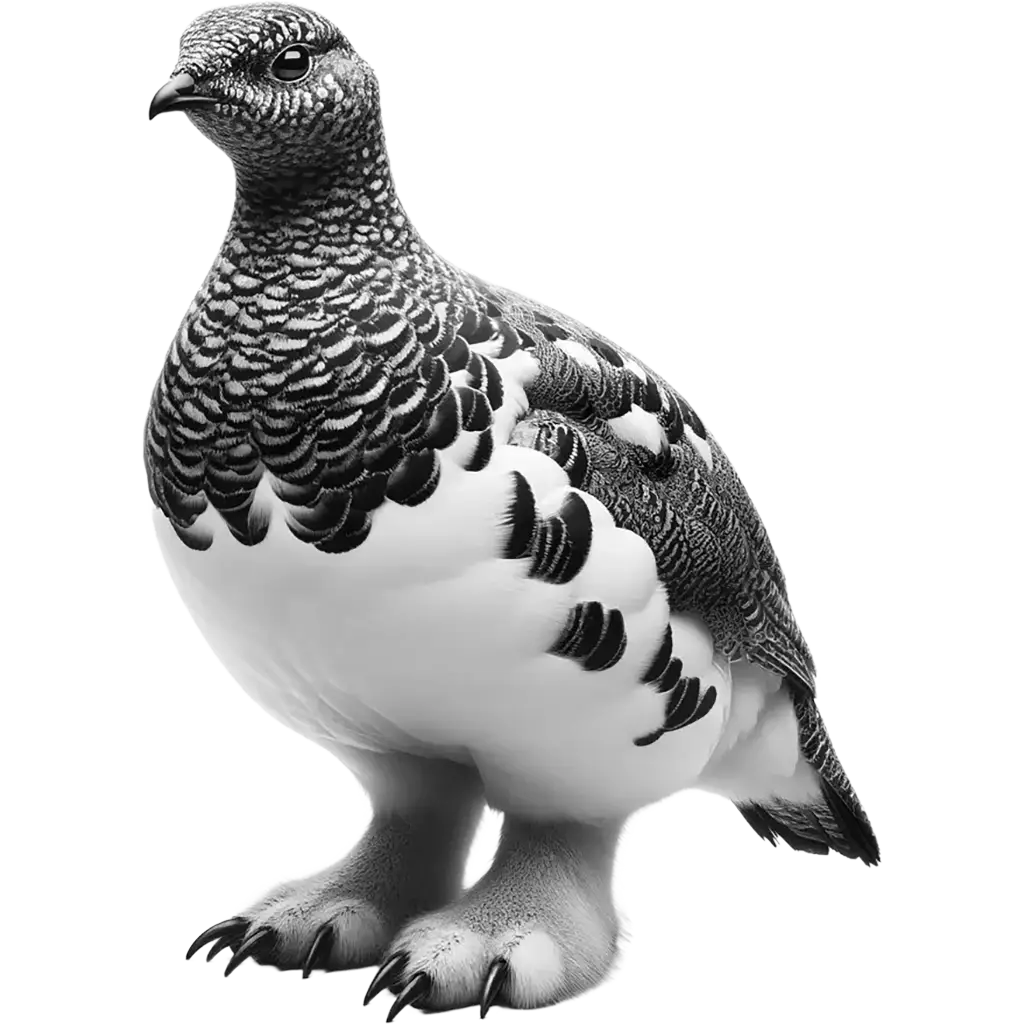
The Rock Ptarmigan, lagopus muta, is a hardy bird adapted to life in the Arctic tundra and alpine regions. Recognizable by its seasonal plumage changes, it sports pure white feathers in winter to blend with the snow, transitioning to brown and grey patterns during the summer for camouflage among rocks
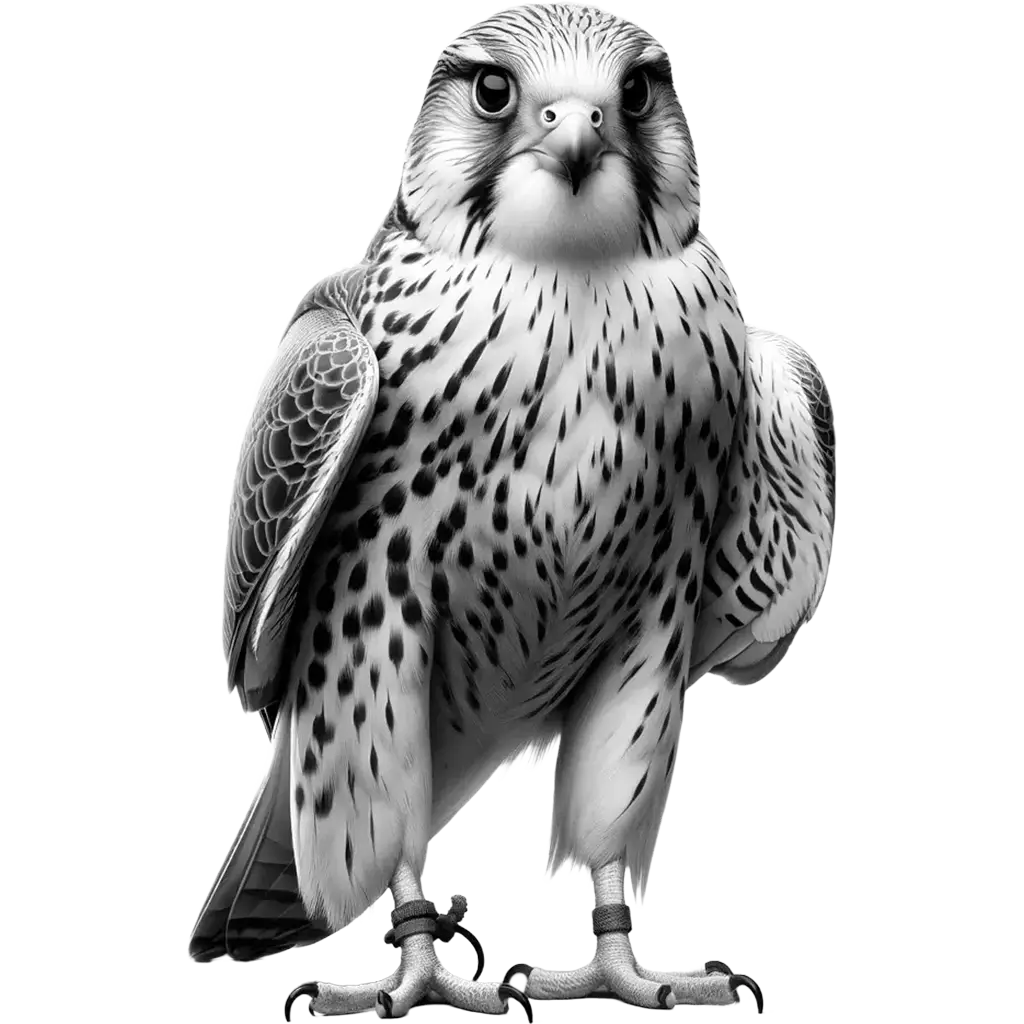
The Saker Falcon, falco cherrug, is a large, powerful bird of prey, renowned for its speed and agility in flight. It is one of the largest falcons, with adults typically measuring 47 to 55 cm in length and boasting a wingspan of 105 to 129 cm. The Saker Falcon's plumage