
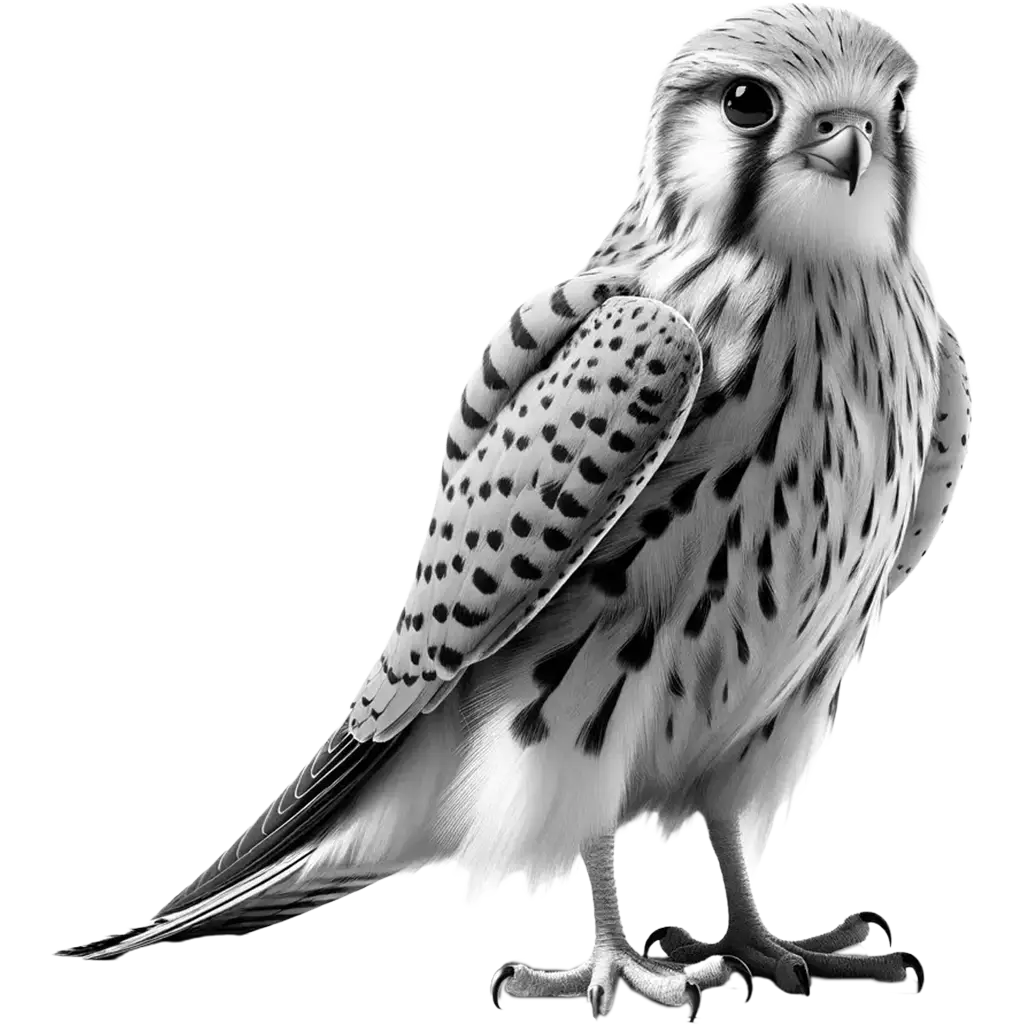
Falco Tinnunculus
Common Kestrel
Open habitats, including farmland, urban areas, and wetlands
The Common Kestrel, falco tinnunculus, is a small yet highly adaptable bird of prey, known for its distinctive hovering flight and keen hunting skills. It measures about 34 to 38 cm in length, with a wingspan ranging from 70 to 80 cm, and weighs between 150 to 200 grams. The kestrel's plumage is predominantly light chestnut-brown with black spots on the upper side and a creamy underbelly with black streaks. Males typically have blue-grey heads and tails, while females feature brown. The slender wings and long tail are well-suited for its unique hunting method, known as 'wind-hovering,' which allows it to remain almost stationary in the air while scanning the ground for prey.
| Population: | Widespread and abundant, classified as Least Concern |
| Generation Length: | 4 years |
| Average Weight: | Male: 136-252 grams, Female: 154-314 grams |
| Average Length: | 34-38 cm, including tail; Wingspan: 70-80 cm |
| Lifespan: | Up to 16 years in the wild, though most live much shorter lives |
| Diet: | Mainly small mammals, supplemented with birds and insects |
| Conservation Status: | Least Concern (LC) |
Common Kestrels inhabit a wide range of environments across Europe, Asia, and Africa, including open fields, meadows, coastal areas, and urban landscapes. They are highly versatile, able to thrive in close proximity to humans. Their presence in diverse habitats underscores their adaptability to various ecological conditions, from sea level to mountainous areas.
The diet of the Common Kestrel mainly consists of small mammals, particularly voles, mice, and shrews, as well as birds, insects, and worms. This diet reflects their role as natural pest controllers, contributing to the balance of ecosystems by regulating small rodent populations. Their hunting technique involves hovering at a height before diving down to snatch their prey with sharp talons.
Reproduction in Common Kestrels begins with courtship displays that include aerial acrobatics and calls. They often nest in cavities, such as cliff edges, old buildings, and even nest boxes provided in urban areas. Females lay 4 to 6 eggs, which are incubated for about 28 to 30 days. Both parents are involved in raising the young, which fledge approximately 4 to 5 weeks after hatching.
The population of the Common Kestrel is considered stable overall, though some regional declines have been noted due to changes in agricultural practices, loss of habitat, and use of pesticides which reduce their prey base. Conservation efforts include monitoring populations, protecting nesting sites, and managing landscapes in ways that support their prey species. As indicators of biodiversity and ecological health, the conservation of Common Kestrels is vital for maintaining the balance of various ecosystems where they reside.
Classifications
The Key Attributes
Features
- Movement:
Flight
- Territorial Behavior:
Can be territorial, especially during breeding season
- Speed:
Not specifically quantified; capable of hovering in place with rapid wing beats
- Diet:
Carnivore
- Physical Features:
- Small size falcon
- Pointed wings and long tail
- Males have grey and black barred tail and wings, females and juveniles are brown
- Distinctive facial markings, including a 'moustache' that contrasts with the white underparts
- Primary Senses:
- Sight
- Hearing
Understanding Habitat and Range
Geography
- Habitat:
Open habitats, including farmland, urban areas, and wetlands
- Migration Patterns:
Northern populations are migratory, moving south for the winter; southern populations are more likely to be resident
- Geographical Range:
Europe, Asia, and Africa; has adapted well to human-modified landscapes
- Climate Preferences:
Temperate to warm climates
Navigating the Wilderness
In the wild
- Predators:
Larger birds of prey and some mammals
- Prey:
Small mammals like voles and mice, birds, insects, and reptiles
- Feeding Behavior:
Hunts by hovering or from a perch, dropping down on prey with closed wings
- Diet:
Mainly small mammals, supplemented with birds and insects
- Defensive Mechanisms:
- Agility in flight to evade predators
- Camouflage in certain environments
- Preferred Food Sources:
- Open fields and edges of woodlands for hunting small mammals and insects
Insights Into Reproduction
Mating
- Mating System:
Monogamous
- Number of Offspring:
4-6 eggs per clutch
- Incubation Period:
27-29 days
- Parental Involvement:
- Both parents share in feeding and caring for the young; males often provide food while females incubate the eggs and brood the chicks
Youngsters Section
Common Kestrel
Fun Fact
Common Kestrels are renowned for their remarkable hunting technique called "hovering" or "wind-hovering."
They can remain almost stationary in mid-air by facing into the wind and rapidly flapping their wings. This allows them to spot prey, such as small mammals and insects, with incredible precision from above. This skill is particularly useful in open landscapes where the kestrel scans the ground for movement before swooping down swiftly to capture its target.

Download word search puzzles
Word Search Puzzles


Check Out Other Birds
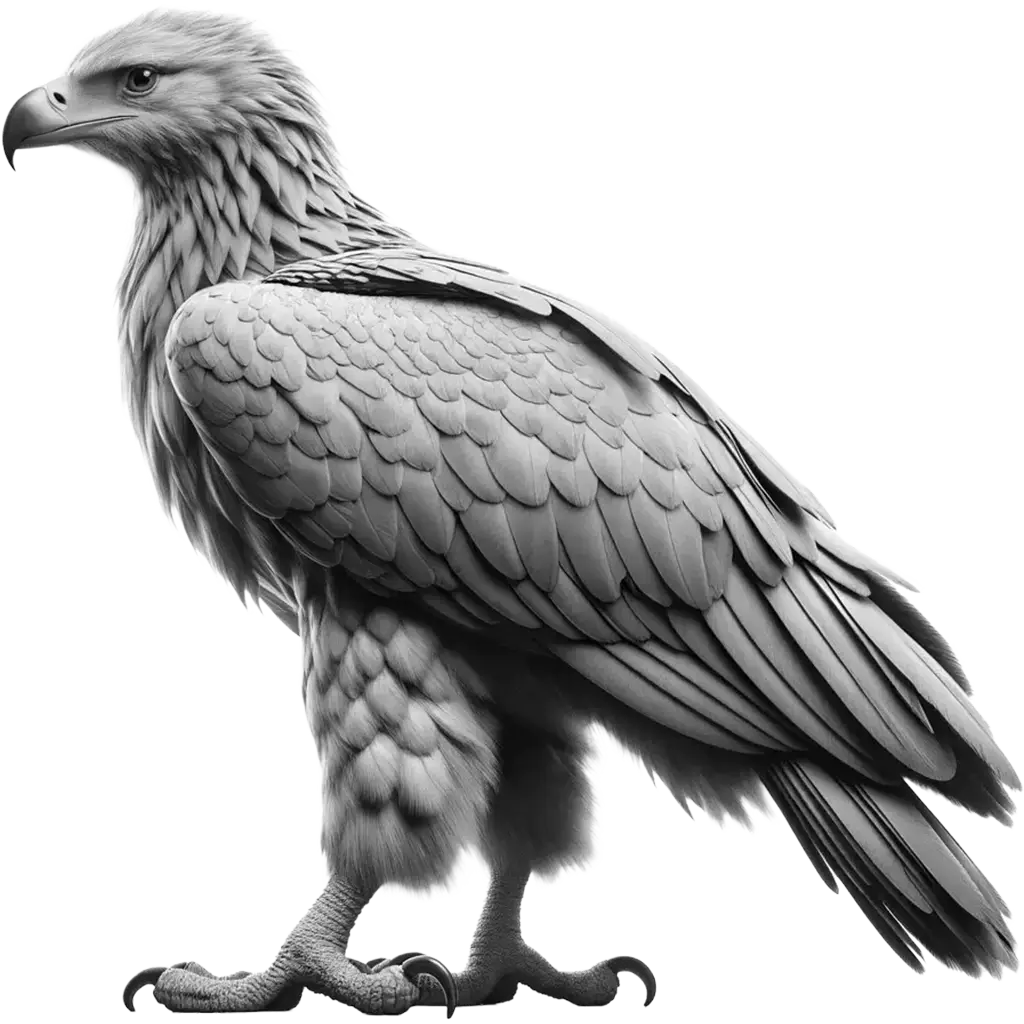
The Steppe Eagle, aquila nipalensis, is a large bird of prey known for its impressive wingspan and commanding presence in the sky. Adults typically measure between 62 to 81 cm in length, with a wingspan ranging from 165 to 215 cm. Their plumage is mostly dark brown, with lighter golden-brown

The Jack Snipe, lymnocryptes minimus, is a small, elusive wader known for its distinctive bobbing motion, often likened to a sewing machine in action. It is the smallest snipe in its range, measuring about 18 to 20 cm in length, with a wingspan of 32 to 35 cm, and weighing

The Andean Condor, vultur gryphus, is a majestic bird of prey that reigns over the skies of South America. It is one of the largest flying birds in the world, with a wingspan that can exceed 3 meters, allowing it to glide effortlessly on thermal air currents. The adult male

The Middle Spotted Woodpecker, dendrocoptes medius, is a small-sized woodpecker native to the broadleaf forests of Europe and parts of Asia. This species is distinguished by its distinctive plumage: a white underside with black spots and streaks, and a pinkish-red lower belly. The back is predominantly black with white spots,